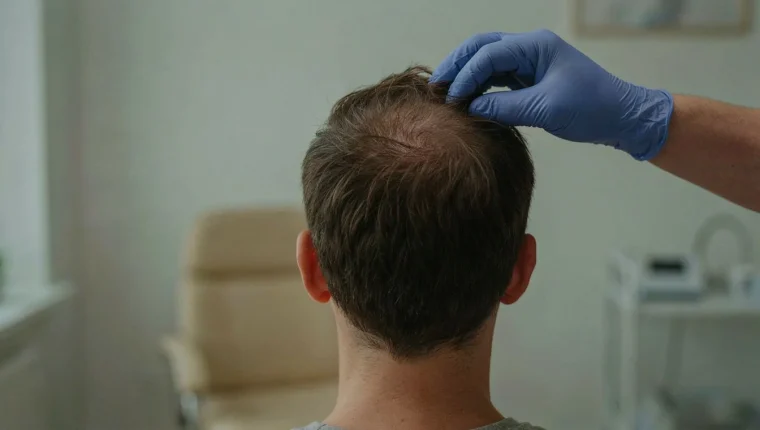
Thinning hair can affect appearance and confidence, but restoring coverage involves more than choosing a treatment. An artificial hair transplant uses synthetic fibers instead of relocating a person’s own hair, so it differs from conventional hair transplantation in approach and considerations. For people seeking added coverage, potential advantages must be weighed against suitability, possible complications, and the ongoing care synthetic fibers may require. Results can vary, and no procedure guarantees a particular look or lasting outcome. Understanding these trade-offs can help you decide whether this option is worth discussing with a qualified clinician alongside other approaches to hair restoration.
What Is an Artificial Hair Transplant?
An artificial hair transplant places manufactured fibers into the scalp to create the appearance of greater hair density. The implanted material is not a living follicle, so it does not grow hair or produce strands in the way natural hair does. The procedure is intended to add visible fibers where hair is sparse or absent.
This differs from a hair transplant using a person’s own hair. In an autologous transplant, a clinician moves hair follicles from one area of the scalp to another; those follicles can continue their natural growth cycle in the recipient area. With synthetic implantation, the inserted fibers themselves provide the coverage, rather than transplanted follicles.
The term can refer to different products and implantation methods, so details such as fiber material, placement, and clinical protocols may vary. It is useful to ask a qualified clinician exactly what fibers and technique are being used, and how the approach differs from follicle-based surgery. This distinction helps clarify what the procedure involves without implying that all synthetic hair systems have identical characteristics.
Who Is a Suitable Candidate for Synthetic Hair Implants?
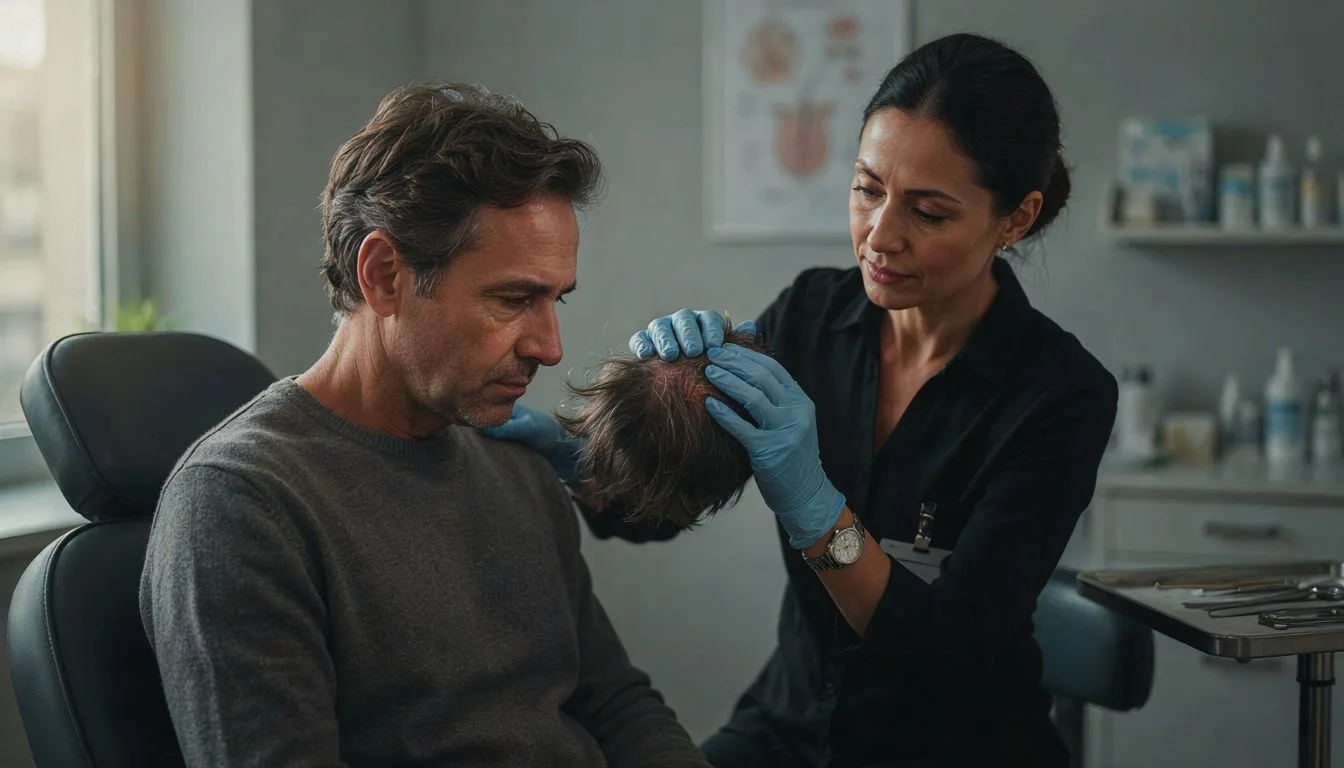
Suitability depends on the pattern and extent of hair loss, the condition of the scalp, and the person’s expectations. Synthetic fibers may be considered by people with limited hair loss who want to address a specific area, but the amount and distribution of remaining hair can affect whether an implant plan is appropriate.
A clinician should assess scalp health before treatment. Active irritation, infection, or certain skin conditions may need attention first, and a history of reactions to implanted materials is also relevant. The evaluation should include medical and hair-loss history, since ongoing or changing hair loss can affect planning and the appearance of treated areas over time.
Individual clinical assessment is essential; no single hair-loss pattern makes someone automatically suitable. A qualified clinician can examine the scalp, discuss relevant health factors, and explain whether synthetic implants are a reasonable option for that person. They should also clarify what the procedure can and cannot address, so expectations align with the likely cosmetic result. Someone seeking a permanent solution or expecting the implants to behave like natural hair should discuss those assumptions before deciding.
What Benefits Can Synthetic Hair Restoration Offer?
Synthetic hair restoration may appeal to people seeking to address visible thinning or add coverage in areas where their own hair is sparse. Because it uses manufactured fibers rather than relying on donor hair, the approach may be relevant when a person’s restoration goals are difficult to meet with their available natural hair. Whether it suits those goals depends on individual circumstances and professional assessment.
A potential advantage is the possibility of adding fibers to selected areas without waiting for natural hair to grow. For some people, this may offer a more immediate change in coverage, which can matter when they want to alter the appearance of thinning hair. The result, however, depends on factors such as the planned placement, the person’s existing hair, and how well the procedure fits their needs.
The central consideration is goal-specific coverage: synthetic fibers may provide a way to target particular areas, but they do not guarantee a natural-looking or satisfying result for every person. A clinician can help clarify what the technique may realistically achieve for the individual before they decide whether its potential advantages align with their priorities.
What Are the Risks and Potential Complications?
Like any procedure that penetrates the scalp, synthetic fiber implantation can cause short-term soreness, swelling, bleeding, or infection. The entry points may also become irritated or form small scars. How often these effects occur can vary, so a clinician should explain the risks associated with the technique and setting being considered.
A key longer-term concern is foreign-body reaction: the scalp may become persistently inflamed around implanted fibers, with redness, itching, tenderness, or discharge. Some people may develop infection or scarring, and implanted fibers can loosen or break, potentially requiring removal or further treatment. These outcomes are possible complications, not inevitable effects, but ongoing inflammation should be assessed promptly rather than managed by repeatedly implanting more fibers.
There can also be practical consequences if complications arise. Treating infection or inflammation may involve medication or removal of affected fibers, and removal can be difficult or leave visible changes to the scalp. Before proceeding, ask the qualified clinician how complications are monitored, what follow-up is available, and what steps would be taken if fibers need to be removed. Your personal risk depends on the proposed procedure and circumstances, so seek an individualized explanation rather than relying on general claims of safety.
What Results Can You Expect, and How Long Do They Last?
The visible result of synthetic hair implantation can range from subtle added coverage to a more noticeable change in density. Its appearance depends on factors such as fiber color, texture, distribution, and how well the design suits the person’s existing hair and features. A consultation should clarify what level of coverage is realistic; implanted fibers do not behave exactly like natural growing hair, so styling options and the finished look may differ from those of a hair transplant using a person’s own follicles.
Results should be viewed as ongoing rather than permanent. Fibers may loosen or be lost over time, and the appearance can change as natural hair continues to thin or surrounding hair changes. Maintenance needs are therefore an important part of judging durability: follow-up care may be needed, and the provider should explain what routine care involves and what could prompt a repair or replacement.
There is no single lifespan that can be promised for every person or technique. Before proceeding, ask the provider what durability they typically observe with the specific fibers and method being offered, how often follow-up visits may be recommended, and what costs could arise if maintenance is needed. Request clear guidance on washing, brushing, heat styling, and other daily habits, since appropriate care instructions may affect how the fibers look and remain in place. These details help set practical expectations for both the appearance and ongoing commitment.
FAQs
What benefits can an artificial hair transplant offer compared with a traditional hair transplant?
Artificial hair transplantation may provide an option for people who are not suitable candidates for traditional transplantation because it does not rely on donor hair follicles. It can offer immediate visible coverage, but results and maintenance needs vary, and the procedure carries risks such as infection, inflammation, and rejection. Discuss its suitability and long-term care requirements with a qualified medical professional.
What are the main risks and potential complications?
Artificial hair transplants can cause infection, inflammation, scarring, itching, or allergic reactions to the implanted fibers. The body may reject the fibers, and ongoing maintenance or removal may be needed; discuss these risks with a qualified clinician before treatment.
How natural do the results look, and how long do they last?
Artificial hair transplant results may look less natural than those achieved with a person’s own hair, especially if the fibers differ in color, texture, or direction. Because artificial fibers do not grow and can be shed, damaged, or rejected, results are not permanent and may require ongoing maintenance or replacement; durability varies by person and technique.