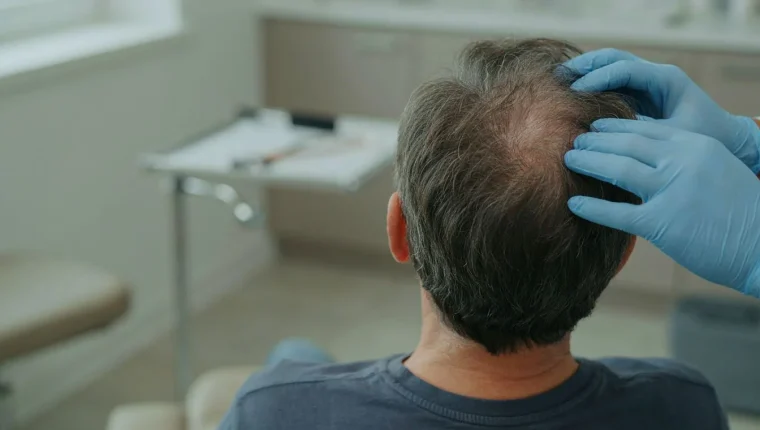
Choosing a hair transplant clinic based only on a low price, quick availability, or polished social media can create avoidable medical and financial risks. A safe decision requires more than comparing package costs. You need clear evidence that the clinic is licensed, the operating surgeon is qualified and involved, and the proposed treatment matches your hair loss pattern and donor supply. Vague answers, pressure to book, guaranteed results, or heavily edited before-and-after images are important warning signs. The same applies to unclear fees, crowded facilities, limited information about the procedure, and weak follow-up after you return home. A trustworthy provider should explain who performs each stage, what the price includes, which results are realistic, and how complications would be handled. Reviewing these details before sending a deposit helps you distinguish professional medical care from aggressive marketing and recognize genuine hair transplant Turkey red flags before they affect your health, appearance, or budget.
Unlicensed Clinics and Unqualified Medical Teams

Before comparing graft numbers, techniques, or prices, verify that the provider is legally permitted to deliver medical treatment. A clinic should be able to identify its registered business, the healthcare facility where procedures take place, and the medical professionals responsible for treatment. If these details are vague, inconsistent, or difficult to confirm through official sources, treat that lack of transparency as a serious warning sign.
Licensing matters because it indicates that the provider is subject to applicable healthcare rules, professional requirements, and accountability procedures. It does not guarantee a particular result, but an unverifiable clinic leaves you with no reliable way to assess who is responsible for your care. Be cautious of agencies that present themselves as clinics, use generic brand names, or avoid naming the people who will perform the procedure.
The qualifications of every person involved should also be clear. Ask who will assess your hair loss, design the hairline, administer medical treatment, extract grafts, and place them. Staff may have different roles, but the clinic should explain those roles honestly rather than presenting an entire team as surgeons. Verifiable medical licensing is the essential starting point: confirm credentials independently through relevant professional or governmental registers where available, and ensure the information matches the clinic’s current identity.
Do not rely solely on logos, certificates displayed online, or claims that a team is “internationally recognized.” If the provider cannot supply consistent names, professional registrations, and a clear explanation of legal responsibility, postpone booking until those facts are independently confirmed. A low price or convenient package cannot compensate for uncertainty about who is authorized and qualified to perform medical treatment.
Unclear Surgeon Credentials and Limited Medical Oversight
A clinic’s public profile does not always show which surgeon will actually assess you, design the treatment, and perform the procedure. Before booking, ask for the surgeon’s full name, professional registration details, and a clear explanation of their role. A vague reference to an “international medical team” is not enough to establish who is accountable for your care.
Relevant training and experience matter more than a clinic’s years in business. The surgeon should be able to explain their experience with hair restoration, the techniques they routinely use, and how they decide whether a patient is suitable for treatment. You should also know who evaluates the donor area, designs the hairline, determines the extraction and implantation strategy, and manages unexpected findings during surgery.
Pay particular attention to whether the surgeon remains involved throughout the procedure. In some clinics, technicians may perform substantial parts of the treatment while the surgeon has limited direct involvement. That arrangement may be presented as standard workflow, but it changes how you should assess medical responsibility. Ask specifically which steps are performed by the surgeon, which are delegated, and how closely the team is supervised.
Continuous medical oversight is especially important when complications, bleeding, medication reactions, or changes in the treatment plan require prompt clinical judgment. If you cannot obtain a direct answer about the surgeon’s presence, availability, and responsibility, treat that lack of transparency as a meaningful warning sign. A reputable clinic should be willing to identify the responsible physician and explain the supervision structure before requesting a deposit.
Misleading Before-and-After Photos and Patient Reviews

Before-and-after galleries can look persuasive while revealing very little about how a result was achieved. A trustworthy comparison should show consistent lighting, camera distance, angles, hair length, and time intervals. If the “after” image uses stronger styling, darker lighting, concealing fibers, or a different hairstyle, the apparent improvement may be exaggerated rather than representative.
Look for clinical context as well as visual appeal. Images should indicate how long after surgery the result was photographed, whether the patient had additional procedures, and which areas were treated. A single dramatic transformation cannot establish what most patients can expect. More useful evidence includes several comparable cases involving similar levels of hair loss, donor characteristics, and follow-up periods.
Patient testimonials require the same level of scrutiny. Reviews posted only on a clinic’s own website may be genuine, but they are not automatically independent or complete. Check whether feedback appears across established third-party platforms and whether reviewers describe the consultation, surgery, communication, and recovery rather than repeating promotional language. Be cautious when every review is brief, uniformly enthusiastic, or unsupported by a verifiable patient experience.
The key issue is verifiable, representative evidence. Ask whether photographs can be traced to real cases and whether the clinic can explain the conditions under which they were taken. Refusal to provide context, reliance on stock or reused images, and promises based on exceptional results are meaningful warning signs when evaluating a clinic.
Hidden Costs and Unclear Hair Transplant Packages
A quoted package should be clear enough for you to understand exactly what you are paying for before booking or travelling. Ask whether the price covers the medical consultation, procedure, surgeon’s involvement, medications, local transfers, accommodation, interpreter support, and scheduled follow-up. Travel-related services may be arranged separately from clinical care, so a low headline price can be misleading if important elements are excluded.
Request the full quotation in writing and check whether it specifies the number of grafts, the technique proposed, who will perform each stage, and any circumstances that could change the final fee. Vague wording such as “unlimited grafts,” “premium care,” or “all-inclusive treatment” does not explain what is actually provided. A reliable clinic should be able to distinguish medical charges from optional travel arrangements and state which services are not included.
Large price differences deserve clarification rather than immediate acceptance. An unusually cheap offer may reflect limited surgeon involvement, fewer included services, or additional charges revealed after arrival. Conversely, a higher price is not proof of better care. Look for transparent pricing supported by a written breakdown, clear payment terms, cancellation conditions, and information about deposits or refunds.
Be particularly cautious of guarantees involving a fixed number of grafts, a certain density, or a guaranteed final result. Hair growth varies between patients, and responsible clinics should explain what can realistically be assessed and when. Before paying, compare quotations on the same terms and obtain written answers to every unclear charge.
Unsafe Facility Standards and Poor Aftercare
The clinic’s physical environment can reveal safety problems that polished websites and attractive packages do not show. Before booking, ask where the procedure will take place and whether the setting appears clean, private, properly equipped, and appropriate for a surgical treatment. Warning signs may include overcrowded rooms, poor ventilation, visibly inconsistent hygiene, or staff moving between patients without clear infection-control practices. These details matter because a hair transplant involves many small skin punctures and requires careful handling of instruments, grafts, and the recipient area.
Do not rely only on a brief virtual consultation to judge these standards. Ask whether you can see the treatment area in advance, or request a clear explanation of how instruments are sterilised, how patient records are managed, and what happens if a medical concern develops during the procedure. A clinic that avoids reasonable questions about emergency readiness, monitoring, or access to medical support may not provide the level of organisation you need.
Recovery arrangements deserve the same scrutiny as the facility itself. You should know who will answer questions after leaving the clinic, how quickly support is available, and which symptoms require urgent medical attention. If follow-up consists only of automated messages or a sales coordinator with no clear route to clinical advice, that is a significant concern. Accessible clinical follow-up is essential because swelling, bleeding, infection, or unexpected healing problems may require timely assessment rather than generic aftercare instructions.
Be cautious if the clinic cannot explain how postoperative reviews are conducted, who remains responsible for your care, or how concerns are handled once you return home. Reliable support should continue beyond the day of surgery and include a practical way to share photographs, ask medical questions, and escalate a problem when necessary.
Warning Signs in Consultation and Treatment Planning
A consultation should feel like a medical assessment, not a sales call. A reliable clinic will ask about your medical history, current medications, previous procedures, hair-loss pattern, and long-term goals before recommending a treatment. If staff move quickly to graft numbers or a booking date without gathering this information, the plan may be generic rather than appropriate for you.
The donor area also deserves careful examination. Its density, stability, and available supply affect what can realistically be achieved, while existing miniaturization may require further assessment. Be cautious when someone promises a fixed result without explaining how donor limitations, future hair loss, or the selected technique influence the outcome.
Pay attention to how risks and expectations are discussed. A responsible consultation should explain possible complications, recovery requirements, likely limitations, and what happens if the result is less than expected. Pressure to book immediately, dismissive answers, or guarantees of a specific density are warning signs. Individualized treatment planning should connect the examination findings with a reasonable surgical approach, rather than presenting the same package to every patient.
Before committing, ask who will provide medical advice, how the proposed design will be documented, and what follow-up arrangements apply after you return home. Clear, consistent answers indicate accountability. If the consultation leaves important medical questions unanswered or makes you feel rushed, pausing the booking and seeking an independent opinion may be the safer decision.
FAQs
What are the biggest hair transplant Turkey red flags to check before booking?
Major red flags include unusually cheap packages, pressure to pay a deposit quickly, unclear clinic or surgeon credentials, and no named doctor overseeing the procedure. Be cautious if the clinic promises guaranteed results, uses stock photos instead of verifiable patient cases, or offers little information about the technique, risks, aftercare, and emergency support. Verify the surgeon’s qualifications, who will perform each step, the clinic’s accreditation, and independent patient reviews before booking.
How can I verify whether a Turkish hair clinic has qualified surgeons and safe medical standards?
Check the surgeon’s medical license, specialist qualifications, and registration with Turkey’s relevant health authorities, then confirm who will perform each stage of the procedure. Ask for the clinic’s official authorization, surgeon-specific before-and-after results, written treatment details, and information about emergency care and follow-up. Be cautious if the clinic avoids naming the surgeon, uses vague credentials, or cannot provide verifiable documentation.
Could unusually low prices or guaranteed results signal risks when choosing a hair transplant clinic in Turkey?
Yes. Prices far below the typical market range or promises of guaranteed, perfect results can indicate inexperienced staff, hidden fees, unsafe shortcuts, or misleading marketing. Check the surgeon’s qualifications, clinic accreditation, treatment plan, before-and-after evidence, and what the quoted price includes before booking.