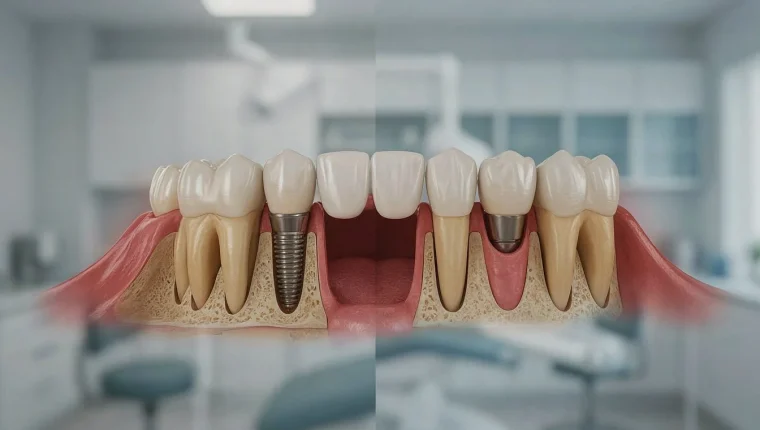
A dental implant should feel stable once it is in place, so new movement or a persistent sense of looseness deserves attention. Some pressure, tenderness, or unfamiliar sensations can occur during recovery, but these feelings do not confirm that the implant itself is moving. True implant mobility after dental implants may indicate that healing is not progressing as expected, especially when it appears with worsening pain, swelling, bleeding, or a change in how the bite feels. Avoid repeatedly testing the area with your tongue or fingers, as this can irritate healing tissues. Instead, note when the sensation began and contact your dentist or oral surgeon for an examination. Prompt assessment helps distinguish normal recovery from a problem that needs treatment.
What Normal Healing Feels Like After Dental Implant Surgery
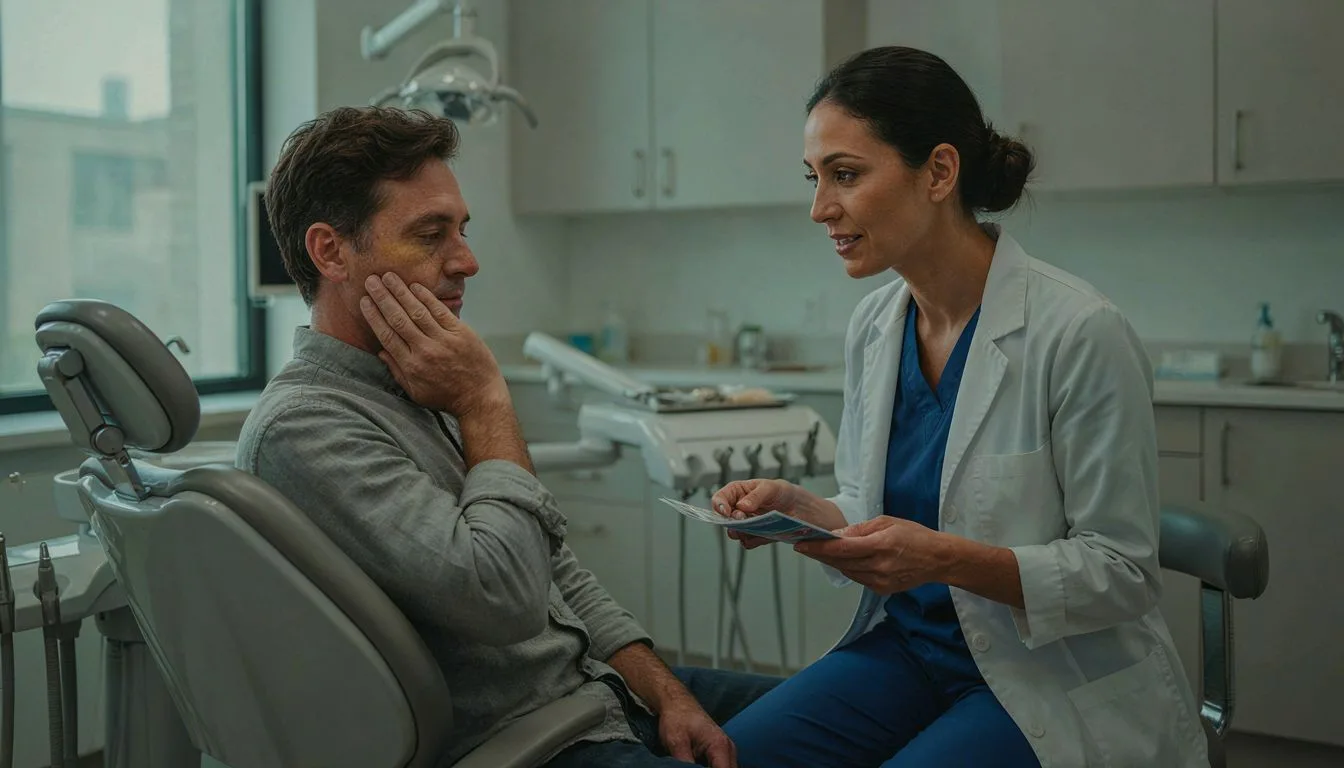
Early healing after dental implant surgery can feel more noticeable than many patients expect. Tenderness around the gum, mild swelling, bruising, and a sense of pressure are common as the tissues recover. The area may also feel different when you speak, swallow, or bring your teeth together, particularly while swelling is present.
These sensations usually come from the healing gum and surrounding tissues rather than from the implant moving. Temporary limits with chewing are also expected, because biting directly over the surgical site can increase discomfort and interfere with recovery. Follow your dentist’s instructions about food, oral hygiene, and activity instead of testing the area through repeated pressure.
The key distinction is between discomfort and implant stability. Soreness may fluctuate during the first several days and gradually improve, while a stable implant should remain fixed in the bone even if the gum around it feels tender. A healing sensation can seem unusual without indicating that the implant itself is loose.
Contact your dental team if discomfort is worsening rather than settling, or if the area feels increasingly unstable after the initial recovery period. Do not try to confirm movement by wiggling the implant with your tongue or fingers, since this can irritate healing tissues and cannot establish the cause. A dentist must determine whether the sensation is routine tissue healing or a problem involving the implant.
How to Recognize Implant Mobility After Dental Implants
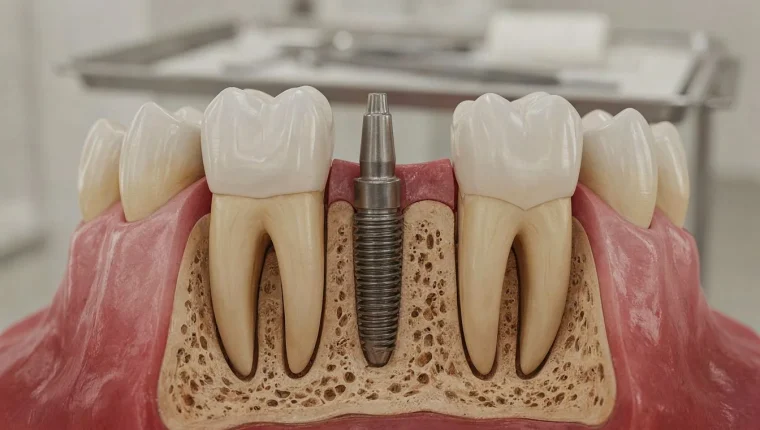
True implant movement is different from the normal pressure, tenderness, or soft-tissue changes that may occur during healing. An implant itself is considered mobile when the fixture anchored in the jaw moves as a unit, rather than merely feeling as though the gum around it shifts. This distinction is difficult to make at home, especially soon after surgery.
A sensation of looseness may come from the crown, healing abutment, or another attached component instead of the implant. You may also notice movement in swollen or healing gum tissue when your tongue passes over the area. These findings do not confirm that the implant has failed, but they should not be dismissed if the sensation is new, persistent, or becoming more noticeable.
True implant mobility should not be tested repeatedly by pushing, twisting, or biting on the site. Self-checking can irritate healing tissues, increase discomfort, and make minor movement in an attached component seem more significant. Instead, avoid deliberately stressing the area and contact your dentist or implant specialist if the implant appears to move, your bite suddenly feels different, or a component feels loose. Professional examination is needed to identify where the movement originates and determine the appropriate next step.
Common Causes of a Loose Dental Implant
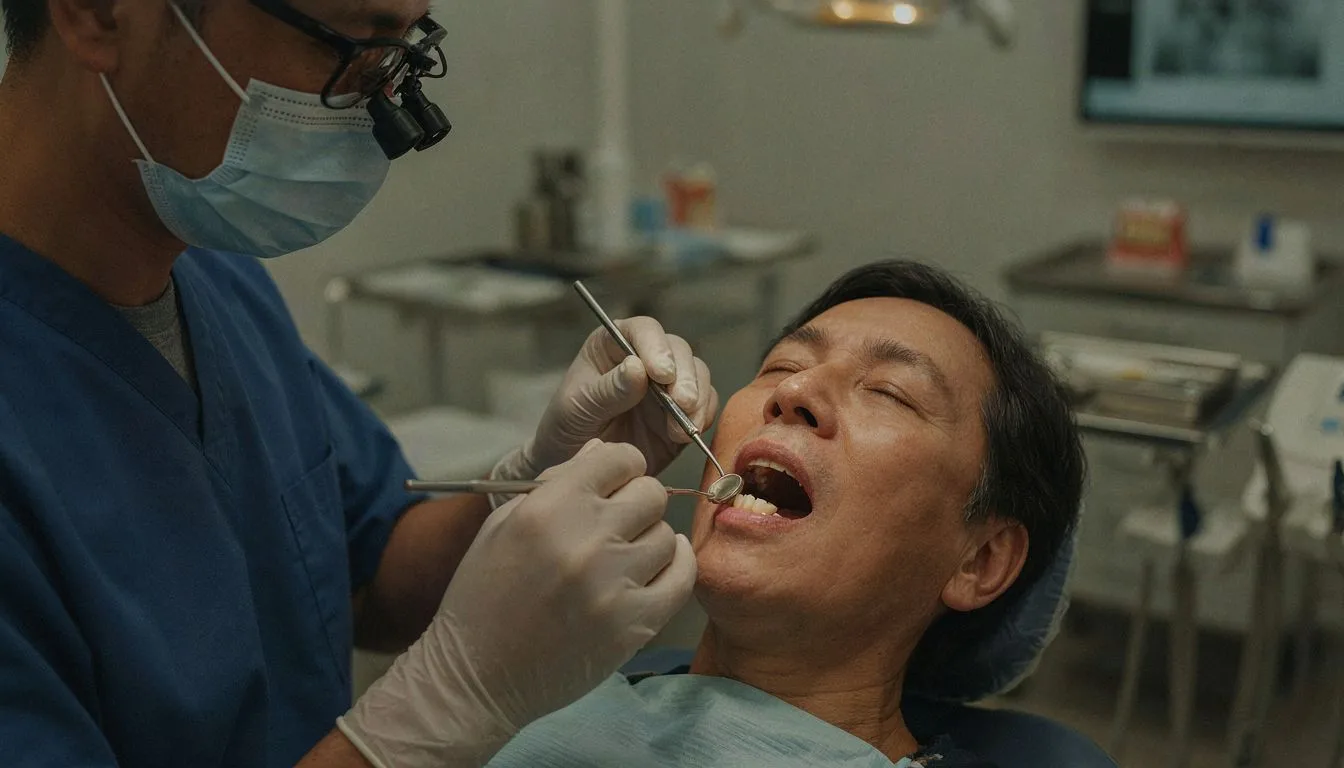
A loose dental implant can result from a problem in the implant itself, its connecting components, or the tissues supporting it. These causes do not all carry the same meaning, which is why movement should not be interpreted without a dental examination.
Sometimes the concern involves the implant’s connection to the bone. During healing, inadequate integration between the implant surface and surrounding bone can leave the implant unstable. Excessive pressure from chewing, premature loading, or unfavorable bite forces may also interfere with this process. In these situations, continued movement can affect the developing support rather than simply reflecting normal postoperative soreness.
In other cases, the implant may remain integrated while the abutment or crown connection becomes loose. This can create clicking, shifting, or a change in the way the restoration meets the opposing teeth. The surrounding gums and bone can also contribute to looseness when inflammation, infection, or bone loss develops around the implant. These biological problems may occur with tenderness, bleeding, swelling, or changes in the gumline, although symptoms are not always obvious.
The key issue is implant stability, which can be affected by mechanical, healing-related, or biological factors. Timing, symptoms, and the pattern of movement help the dentist distinguish among them, so repeated home testing may worsen irritation without identifying the cause.
When Implant Movement Requires Urgent Attention
Not every unusual sensation signals a failed implant, but suspected movement should be treated more seriously when it is paired with signs of infection, injury, or worsening function. The urgency depends on the overall pattern and how quickly the symptoms are changing—not on one sensation alone. Paying attention to accompanying symptoms can help you recognize when professional assessment is needed and avoid making the problem worse through repeated checking or pressure.
- Persistent movement: If the implant itself seems to shift or rock, contact your dental team promptly rather than repeatedly testing it at home.
- Increasing pain or swelling: Worsening discomfort, facial swelling, or tenderness after initial improvement requires timely professional advice.
- Discharge or fever: Pus, a bad taste, drainage, or fever may indicate infection and should not be left to resolve without assessment.
- Recent trauma: A blow to the mouth, a fall, or sudden biting pressure warrants prompt contact, even if pain is limited.
- Changed function: A new bite change or difficulty chewing alongside movement should be reported without delay.
These warning signs do not necessarily mean that the implant has failed, but they should not be ignored. A dental professional can determine whether the movement involves the implant, the crown, an abutment, or surrounding tissues and can recommend appropriate treatment based on an examination.
Until you receive guidance, avoid chewing hard foods on that side and do not try to tighten, reposition, or remove any implant component. If swelling affects breathing or swallowing, seek emergency care immediately.
What to Expect During Diagnosis and Treatment
During the dental visit, the clinician will first ask when the movement began, whether it affects eating, and whether pain, swelling, discharge, fever, or recent trauma is present. They will examine the implant, gum tissue, bite, and nearby teeth. This helps distinguish movement of the implant itself from a loose crown, bridge, or connecting component.
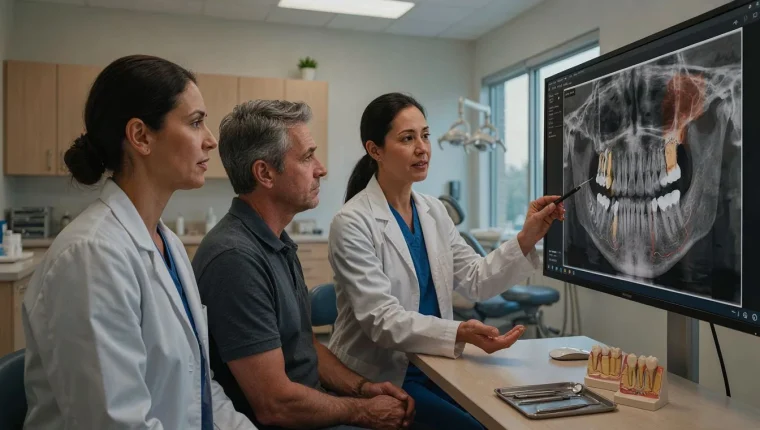
When needed, dental imaging can assess the bone around the implant and look for changes that cannot be seen during a routine examination. The clinician may also perform a gentle stability assessment using dental instruments or a calibrated device. Implant stability testing helps determine whether the fixture remains firmly integrated with the surrounding bone, but the result must be interpreted alongside the examination and imaging findings.
Treatment depends on the cause and the condition of the implant and supporting tissues. A loose restoration or prosthetic component may be repaired, tightened, or replaced. If inflammation or infection affects the surrounding gum and bone, treatment may focus on controlling that disease and improving local hygiene. In some cases, careful monitoring is appropriate when the implant is stable and symptoms are limited.
If the implant fixture itself is mobile and cannot be preserved, removal may be recommended to protect the surrounding area. After healing and reassessment, the dentist can discuss whether replacement is appropriate and which factors should be addressed before another implant is considered.
FAQs
What causes implant mobility after dental implants?
Implant mobility usually results from failed osseointegration, excessive biting forces, infection around the implant, or insufficient bone support. Early movement may indicate that the implant has not integrated properly, while later mobility can signal peri-implantitis or bone loss. Contact your dentist promptly, as a loose implant requires professional evaluation and should not be tested or tightened at home.
Can a loose dental implant be saved, or does it need removal?
A loose dental implant may be saved if only the crown or abutment is loose and the implant itself remains stable. If the implant fixture moves, it often indicates failed integration with the jawbone and may require removal, treatment of the site, and possible replacement after healing. Contact your implant dentist promptly for an examination and imaging.
When should I call my dentist about implant mobility?
Call your dentist promptly if your implant, crown, or bridge feels loose, moves, or causes pain when you bite. Contact the office immediately if mobility comes with swelling, bleeding, pus, fever, or a bad taste, as these may indicate infection or a problem with healing. Avoid chewing on that side and do not try to tighten or adjust the implant yourself.