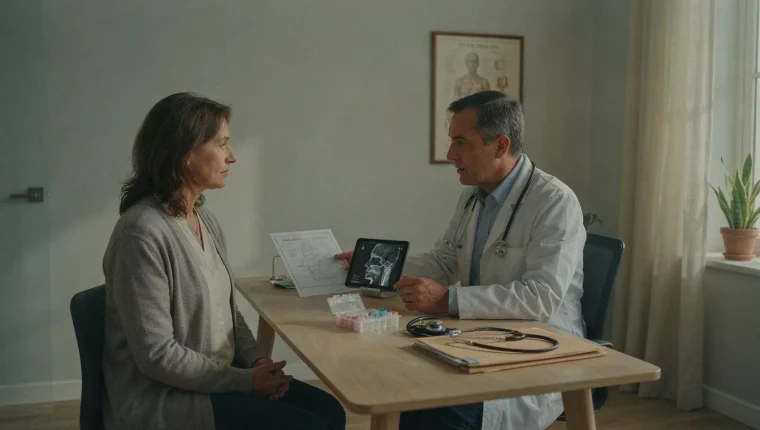
Most people considering a nose job first worry about one thing: the pain. Friends share horror stories, and online forums are full of dramatic descriptions. The reality is usually far less frightening. The vast majority of rhinoplasty patients describe pressure, congestion, and a dull ache rather than sharp, unbearable pain. Many say the blocked nose and the feeling of having a heavy cold are more annoying than the discomfort itself. This gap between fear and experience is worth understanding before your surgery. Rhinoplasty pain follows a fairly predictable path as it begins to settle. It starts with the first hours in recovery, moves through the peak swelling days, and eases as the splint comes off. The technique your surgeon uses, the medications you take, and how closely you follow aftercare instructions all shape how comfortable that path feels.
What Rhinoplasty Pain Actually Feels Like
Ask people who have been through it, and the descriptions cluster around a few sensations rather than one sharp pain. The dominant feeling is nasal pressure — a heavy, stuffed, swollen fullness sitting behind the nose and radiating into the cheeks and upper teeth. Alongside it comes a dull, throbbing ache that tends to worsen in the evening and after any activity that gets your blood moving. Many patients also describe a blocked, congested feeling that makes breathing through the nose impossible for a few days, which is uncomfortable in its own right even though it isn’t pain in the classic sense.
What surprises most people is what they don’t feel. Sharp, stabbing, surgical-type pain at the incision site is uncommon. The cuts themselves are small and typically numb or simply tender, so the discomfort you notice rarely comes from where the surgeon actually worked.
Instead, the experience is shaped by everything surrounding the nose. Internal splints and packing create a constant pressurized sensation, swelling stretches the soft tissue and produces that familiar bruised ache, and the inability to breathe normally amplifies the whole thing psychologically. Understanding this distinction helps: you are not enduring severe wound pain, you are managing pressure, congestion, and swelling that gradually ease over the first week.
How Pain Levels Differ Between Open and Closed Techniques
Both open and closed rhinoplasty are performed under anesthesia, so the surgical experience itself is not what separates them. What patients actually compare is the days that follow. Here is the honest answer: the perceived pain difference between the two techniques is smaller than most people expect. The open approach uses a small external incision across the columella, while the closed approach keeps all incisions inside the nose. That distinction changes where soreness is felt, not how intense it typically is.
Where the techniques genuinely diverge is swelling and sensation in the first week. Open rhinoplasty tends to produce more tip swelling because the nasal tip tissues are lifted and re-draped, and that extra fullness can read as throbbing or tightness rather than sharp pain. Closed rhinoplasty often leaves the tip less disturbed, so patients may describe a more contained, internal ache. Neither pattern is better or worse — they are simply different textures of the same recovery.
Incision location also shapes daily comfort. An external columellar incision can sting with facial movement, smiling, or washing your face, while internal incisions mainly register as congestion and pressure. Most patients in both groups manage discomfort with the medication their surgeon prescribes.
It is worth stating plainly: technique is chosen for your anatomy and your goals, not to reduce pain. If your surgeon recommends one approach, that recommendation reflects what your nose needs — not a shortcut around recovery.
The First 48 Hours: Managing Discomfort Right After Surgery
The first two days after rhinoplasty follow a fairly predictable rhythm, and knowing what each stage feels like makes the discomfort far easier to ride out. Anesthesia and local blocks wear off gradually, so the shift from numbness to full sensation is usually a slow build rather than a sudden jolt. What you are managing during this window is not sharp pain so much as peak swelling and congestion, which together create the heaviness and pressure most patients describe as the worst part of the experience. The timeline below maps sensation to action, so you always know what to do when something changes.
- Hours 0–6 (anesthesia fading): Numbness lifts in patches, and a dull ache settles in behind the nose and across the cheeks. Take your first prescribed dose before the numbness fully disappears, since staying ahead of discomfort is easier than catching up to it.
- First evening: Congestion and pressure build as swelling increases. Sleep with your head elevated on two or three pillows to let fluid drain downward instead of pooling in the face.
- First night: Mouth breathing dries the throat and can make you feel more uncomfortable than the nose itself. Keep water nearby and use a cool-mist humidifier if you have one.
- Day 1 morning: Swelling around the eyes and cheeks typically looks its worst. Apply cold compresses in short, gentle intervals as directed, always with a barrier between the cold pack and your skin.
- Day 2: Swelling reaches its peak and then begins to plateau. Continue head elevation, cold compresses, and consistent medication timing rather than waiting for pain to return before dosing.
Two practical points tie this window together. First, set an alarm for nighttime doses so you do not sleep through the interval your surgeon recommended; uninterrupted rest matters, but so does steady coverage. Second, expect the pressure to feel worse in the morning after lying flat all night, and improve within an hour of sitting upright. If discomfort escalates sharply instead of easing, or if you develop a fever or heavy bleeding, contact your surgical team rather than waiting for your next appointment.
Pain Relief Options Your Surgeon May Recommend

Your surgeon will usually start with a prescription-strength painkiller for the first day or two, then step you down to an over-the-counter option such as acetaminophen. The exact medication and schedule vary from practice to practice, so the specific drug matters less than following the dosing instructions you were given.
One detail surprises many patients: NSAIDs like ibuprofen, aspirin, and naproxen are often avoided in the early postoperative period. These drugs can increase bleeding risk, and after rhinoplasty even minor bleeding under the skin can affect swelling and healing. If you take a daily aspirin or another blood thinner for a medical condition, tell your surgeon before surgery rather than stopping it on your own.
Non-drug measures carry real weight here. Cold compresses applied gently—never pressed hard against the nose—help limit swelling and ease the surrounding pressure. Sleeping with your head elevated reduces fluid pooling, which in turn lowers that heavy, congested feeling. Some surgeons also recommend saline nasal spray to keep passages moist, or a stool softener if prescription painkillers cause constipation.
The guiding rule is simple: take what your surgeon prescribes, at the dose and timing they specify, and do not add anything else—including herbal supplements or leftover medication—without asking first. Self-medicating can quietly work against the healing your surgery depends on.
When Rhinoplasty Pain Becomes a Warning Sign
Normal recovery discomfort after rhinoplasty has a predictable direction: it eases. The pressure, congestion, and dull ache that peak in the first 48 hours should steadily improve day by day, and pain that follows that curve is usually nothing more than healing tissue, swelling, and the body’s inflammatory response. Warning signs behave differently — they escalate instead of settling.
Call your surgeon promptly if you notice pain that keeps intensifying after the first few days rather than fading, especially if it is severe enough to break through your prescribed medication. A fever, chills, or a general feeling of being unwell can point to infection. Swelling or pain that is clearly worse on one side than the other, redness spreading across the skin, a nose that feels hot to the touch, or a sudden sharp pain after a period of improvement all deserve the same call.
These patterns matter because they can signal infection, a hematoma, or another complication that is far easier to treat early. Never wait to see if a worrying symptom resolves on its own, and never adjust or stop your medication without guidance. Unusual pain is always worth a phone call — your surgeon would rather reassure you than treat a problem late.
How Long Recovery Discomfort Typically Lasts

Discomfort follows a predictable downward curve, though the slope varies from person to person. The acute phase—peak swelling, congestion, and that dull ache—concentrates in the first 48 to 72 hours. By the end of the first week, most patients describe the sensation as tenderness rather than true pain, and many find they no longer need prescription medication. Around day seven to ten, when splints and stitches typically come out, a significant share of the pressure lifts simply because the nasal passages open up again.
The second week is usually the turning point for daily function. Office workers who feel steady enough often return to work between day 7 and day 14, though fatigue and residual stuffiness can make full days tiring at first. Soreness fades gradually through weeks three and four, and by the end of the first month, most people report no ongoing discomfort at all—even though swelling inside and around the tip can persist quietly for months without causing pain.
Exercise is where timelines stretch. Light walking is generally fine within days, but anything that raises blood pressure or risks a knock to the nose—running, weightlifting, contact sports—is usually held back for several weeks, with full clearance often landing around the four-to-six-week mark. Your surgeon’s specific instructions take priority over any general range, since technique and healing response differ.
What matters most is the trend. Steady improvement, even if slow, is the expected pattern. Discomfort that plateaus, worsens, or returns after fading deserves a call to your surgeon rather than patience.
FAQs
How much rhinoplasty pain should I expect right after surgery?
Most patients describe the pain right after rhinoplasty as mild to moderate, typically peaking in the first 24 to 48 hours and often felt more as pressure, congestion, or a dull ache than sharp pain. The nasal bones and soft tissue are the main sources of discomfort, but surgeons usually manage this well with a local anesthetic block during surgery and oral pain medication afterward. Many patients are surprised to find that the sore throat from the breathing tube or the general feeling of congestion bothers them more than actual nasal pain. By day three or four, most people report that their discomfort has dropped to a manageable level, and prescription-strength medication is rarely needed beyond the first few days.
Which pain relief options work best during the first week of rhinoplasty recovery?
During the first week of rhinoplasty recovery, most surgeons recommend scheduled acetaminophen (Tylenol) as the first-line option, since it relieves pain without the bleeding risk that NSAIDs like ibuprofen or aspirin can pose after surgery. If your surgeon approves it, a short course of prescription narcotics such as hydrocodone can help with the sharper pain in the first 48 to 72 hours, but these are typically tapered quickly to avoid nausea and constipation. Pairing medication with cold compresses, sleeping with your head elevated, and staying ahead of the pain by dosing on schedule rather than waiting for it to peak makes the biggest practical difference in comfort. Always follow your own surgeon's specific instructions, since your procedure and medical history may call for a different plan.
When does rhinoplasty pain usually fade enough to return to normal activities?
Most rhinoplasty patients find that the sharper pain eases within the first two to three days, and by the end of the first week they feel comfortable enough to handle light, non-strenuous daily activities. Swelling and bruising often linger longer than the pain itself, so many people return to work or school around seven to ten days after surgery. You should still avoid bending, lifting, or any activity that raises your blood pressure for at least two to three weeks, since those can trigger throbbing and slow your healing.