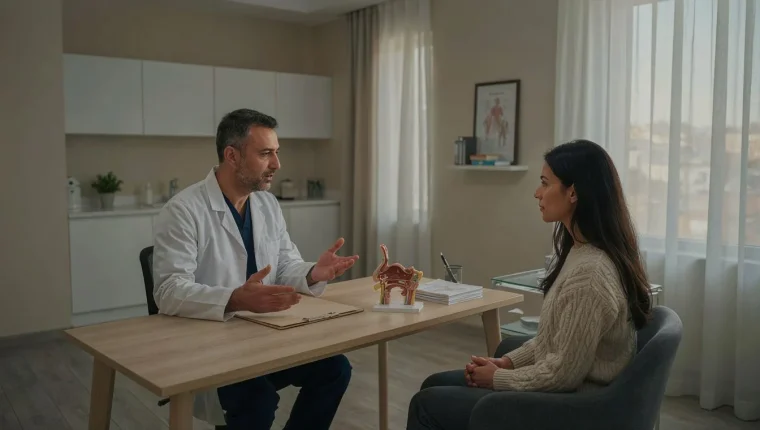
Booking rhinoplasty in Turkey is a financial and personal commitment, so treat the decision as a risk assessment, not a bargain hunt. The most reliable way to protect yourself is to recognize rhinoplasty Turkey red flags early, before paying a deposit or booking flights. Warning signs rarely appear alone. They cluster around how a clinic sells, who actually operates, how prices are structured, how thoroughly your case is reviewed, how results are documented, and who takes responsibility if healing does not go as planned. Individually, each issue can be explained away. Together, they form a pattern that shows whether a provider prioritizes patient safety or volume and quick conversions. The earlier you spot that pattern, the more options you have. Once money and travel are locked in, your leverage drops sharply, and changing providers costs far more than walking away beforehand.
Unrealistic Promises and Pressure to Book Quickly
Some clinics sell rhinoplasty the way a flash sale sells electronics: a countdown timer, a vanishing discount, and a promise that the result will be flawless. When a provider guarantees a specific nose shape, insists there will be “no pain,” or claims every patient gets the same ideal outcome, that certainty is a warning sign rather than a comfort. Human anatomy varies, healing is individual, and no honest surgeon can promise a predetermined result before examining you.
Urgency is the tool that makes these promises feel believable. Messages like “only two slots left this month” or “the deposit price ends tonight” are designed to stop you from comparing clinics, reading reviews, or asking a second surgeon for an opinion. That pressure removes the cooling-off period every major decision deserves. If a provider needs your money within hours, ask yourself what they are afraid you will discover with more time.
The most reliable response is to slow down deliberately. Tell the clinic you need several days to review your options, and watch how they react. A trustworthy team will respect that pause; a high-pressure sales tactic usually escalates with guilt, scarcity, or warnings that the price will double. Walk away from any offer that cannot survive a week of careful thought, and never let a deadline decide your surgery for you.
Missing Surgeon Credentials and Board Certifications
When you look at a clinic’s website, the surgeon’s name often appears alongside a long string of letters and titles. The problem is that many of those titles sound reassuring without proving much. In Turkey, every licensed physician holds general medical registration, which allows them to practice medicine broadly. That is not the same as board certification in plastic surgery or ENT surgery, the specific credential that confirms years of supervised training in facial and nasal procedures. A general practitioner or a dermatologist can legally hold a medical license and still have no surgical board training in rhinoplasty. The credential that matters is specialization recognized by the Turkish Medical Association or an equivalent international board.
Equally important is whether the surgeon you researched is the one who actually operates. Some clinics advertise a well-known name but assign a different, less experienced surgeon on the day of surgery. If the person holding the scalpel is not the person you chose, your consent and your expectations have been built on false ground. Ask directly who will perform the procedure and get that answer in writing.
Where the surgery takes place also carries weight. A fully accredited hospital maintains infection control standards, anesthesia oversight, and emergency response capacity. An unlicensed clinic room or a hotel-based setup does not offer the same protections. Legitimate providers operate in facilities with verifiable accreditation, and they will not hesitate to tell you which hospital or surgical center they use.
Checking these details takes effort, but it separates a provider who invested in proper training from one who relies on marketing language. The letters after a name mean nothing if you cannot trace them to a recognized surgical board and a licensed operating facility.
Unclear Pricing, Hidden Fees, and Deposit Requests
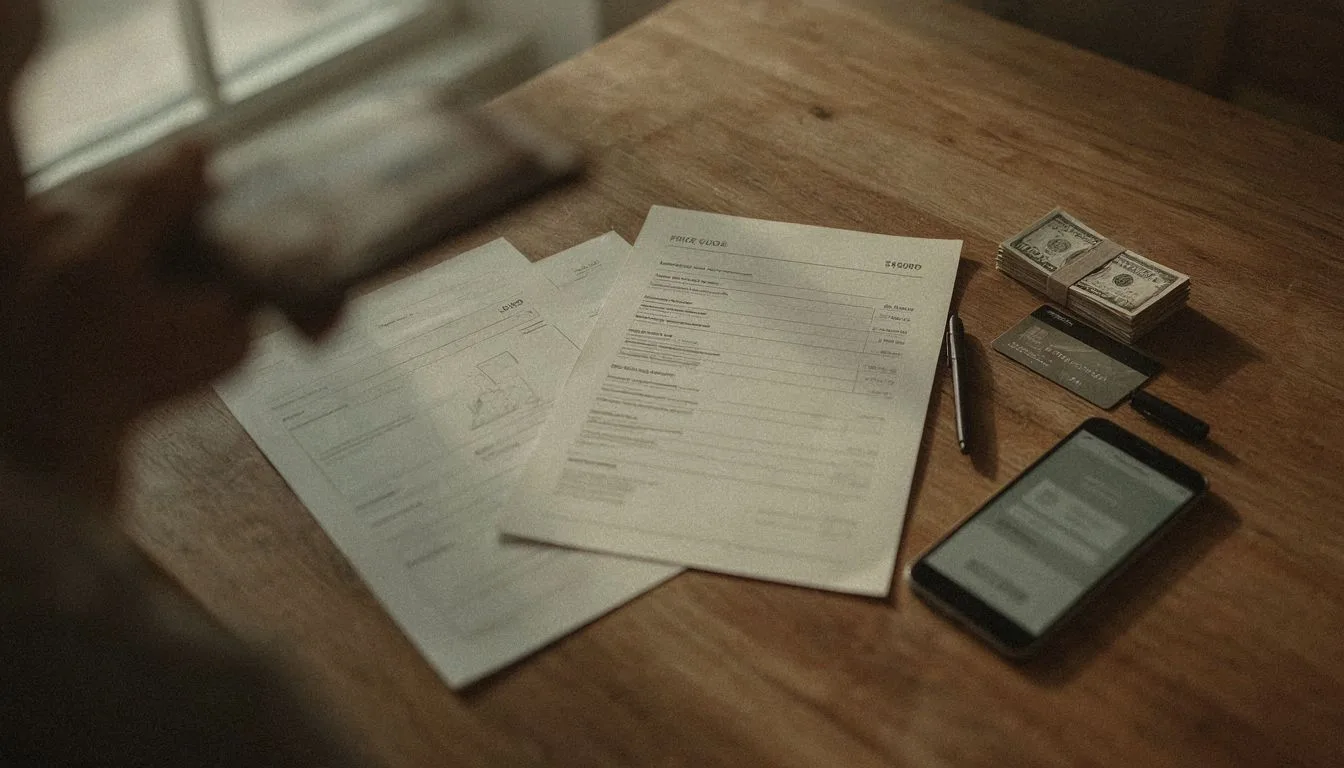
A quote that looks affordable at first glance can become a very different number once you read the fine print. Many problematic providers advertise a low headline price for rhinoplasty, then add anesthesia, hospital stay, medication, follow-up visits, or potential revision work as separate line items. If a quote does not clearly state what is included, ask for a written breakdown before you go any further. The total cost of the procedure is what matters, not the promotional figure.
Deposit pressure is another warning sign. A clinic may ask for a large upfront payment before you have had a proper consultation or received a written surgical plan. This is risky because you are committing money before you understand the procedure, the surgeon’s approach, or what happens if plans change. A reasonable deposit is usually modest, tied to a confirmed booking, and explained in writing.
Pay close attention to refund and cancellation terms. Vague or one-sided policies often mean that if you cancel, need to reschedule, or decide the clinic is not right for you, your money is gone. Look for clear language on when a deposit is refundable, how much is retained, and under what conditions. If the terms are confusing or only explained verbally, treat that as a serious concern.
Before paying anything, request a full written estimate that lists every included service and every possible extra. Compare total costs across providers rather than comparing deposits or advertised prices. A transparent clinic will not hesitate to put these details in writing and will give you time to review them without pressure.
Poor Communication and Lack of Preoperative Consultation

A clinic can have a polished website, a competitive quote, and a surgeon with the right credentials, and still fail you at the one stage that matters most before any operating room: the preoperative consultation. If that step is rushed, skipped, or handled entirely by someone who will never hold a scalpel near your face, you have no way of knowing whether the plan fits your anatomy, your breathing, or your medical history.
A genuine consultation is a working session, not a formality. It should include a real examination, whether in person or over live video, a review of your imaging and previous records, and a frank discussion about your nasal function. Your surgeon should ask about breathing problems, sleep issues, medications, past surgeries, and allergies. All of this shapes the surgical approach. When none of it happens, the “plan” you are agreeing to is essentially a template applied without ever looking at your case.
Pay close attention to who is actually speaking with you. A common pattern is coordinator-only contact, where a sales agent or patient manager handles every question and the surgeon stays out of reach until the day of surgery. That gap matters. You cannot evaluate a surgeon’s judgment, manner, or willingness to say no to an unrealistic request if you never get direct access before you pay.
Language is another quiet signal. Translation is fine and often necessary, but when every clinical question routes through a translator instead of the medical team, details get flattened. Nuance about what can and cannot be achieved on your nose disappears in the relay, and you may leave the call with reassurance rather than information. Ask directly: can I speak with the surgeon, and can I do it before I commit?
If a provider resists a proper consultation, treats your questions as obstacles, or offers to “sort out the details later,” take that as your answer. The quality of this conversation is the clearest preview you will get of how the clinic behaves once you are no longer a prospective patient but a recovering one.
Unverified Before-and-After Photos and Fake Reviews
A gallery full of flawless noses can be the most persuasive part of a clinic’s marketing — and the easiest thing to fake. When you study before-and-after photos closely, look for consistency. In genuine results, the lighting, background, camera angle, and head position stay the same between the two shots; only the nose changes. If the “before” is dim and the “after” is bright and professionally lit, or the patient seems to be tilting their head differently, the comparison is designed to flatter the result rather than show it honestly.
Watch for images that look too smooth. Heavy retouching, airbrushed skin, and noses that bear no resemblance to the same person are all warning signs. Some clinics also use stock or borrowed photos taken from other surgeons, other countries, or even other procedures entirely. A reverse image search can quickly reveal whether a “patient result” appears on multiple unrelated websites.
Reviews deserve the same scrutiny. Fake testimonials often share telltale patterns: identical phrasing across different names, a burst of five-star ratings posted within a few days, or glowing praise that never mentions the surgeon by name or describes anything specific about recovery. Real reviews tend to be uneven — some glowing, some mixed — and they reference details like swelling timelines, follow-up visits, or the surgeon’s bedside manner.
The most useful question is whether the reviews point to a verifiable history over time. A clinic with years of consistent, named feedback from patients who can be identified and cross-checked is far more credible than one with a sudden flood of anonymous praise. If the photos and reviews never connect to a specific, accountable surgeon, treat them as marketing rather than evidence.
No Clear Plan for Complications or Revision Surgery
Ask a clinic what happens if your nose heals badly, and the silence tells you more than any brochure. A trustworthy provider has a written revision policy: how long after surgery it applies, what it covers, and what it costs. Many don’t. Instead, you get vague reassurance that “we’ll take care of you,” with nothing on paper about the revision rhinoplasty policy, the time window for a secondary procedure, or who pays for the operating room and anesthesia the second time around.
Follow-up is where distance becomes a real problem. Once you fly home, who do you contact if swelling won’t settle or you notice an asymmetry at month three? Some clinics hand you off to a local doctor they’ve never met, while others simply stop responding. Ask directly whether follow-up is handled by the surgeon, a coordinator, or not at all, and get the answer in writing before you book.
Complications raise a harder question. If you develop an infection, breathing trouble, or a poor cosmetic result, is care arranged near you, managed remotely over video, or pushed back onto you entirely? A clinic that can’t describe its complication protocol in specific terms is telling you it hasn’t planned for one. Before committing, request the written terms covering revision eligibility, cost, and aftercare from abroad, and treat any refusal to provide them as a signal to walk away.
FAQs
What are the most common rhinoplasty Turkey red flags patients notice too late?
The red flags patients most often recognize too late are vague or evasive answers about the surgeon's revision rate and who actually performs the operation, plus pressure to pay a deposit before any proper consultation. Another common one is a quote that bundles surgery, hotel, and transfers at a price far below realistic market rates, which usually signals a technician or trainee handling part of the procedure. Patients also regret overlooking the lack of direct access to the surgeon after surgery, since complications and revision planning become far harder once you are back home.
How can you verify a Turkish clinic’s credentials before paying a deposit?
Start by checking whether the clinic and its doctors are registered with Turkey's Ministry of Health and the Turkish Medical Association, since legitimate providers appear in official verification systems you can search yourself. Cross-reference the surgeon's name against international bodies like ISAPS or EBOPRAS, and look for consistent credentials across the clinic's own site, independent review platforms, and press coverage. A quick video consultation and a direct request for the doctor's diploma, board certification, and prior patient references will quickly reveal whether the operation is transparent or evasive.
Which warning signs in before-and-after photos suggest a risky rhinoplasty provider in Turkey?
Watch for photos that crop the face tightly or show only one angle, since ethical providers typically share consistent front, side, and base views under similar lighting. Be cautious when before-and-after images look heavily filtered, airbrushed, or show dramatically different skin tones and backgrounds, as this often signals digital manipulation rather than real surgical results. A provider who posts only a handful of polished cases, reuses the same patient repeatedly, or avoids showing natural healing stages may be hiding inconsistent outcomes.