Choosing Turkey for gastric bypass surgery can save thousands of dollars, and many patients receive excellent care. But the same market that offers affordable gastric bypass in Turkey also attracts clinics that cut corners on surgeon qualifications, hospital standards, and aftercare. Every year, patients return home with complications that could have been avoided by spotting a few warning signs before booking. A missing verifiable surgeon credential, an all-inclusive price that seems too good to be true, or a coordinator who pushes you to pay a deposit within days — these are not minor details. They are signals. Knowing which red flags to watch for is the difference between a safe, life-changing procedure and a decision you end up regretting.
Warning Signs of Unlicensed Clinics and Surgeons
One of the first things to verify before committing to any clinic is whether the facility holds a genuine Ministry of Health license for bariatric surgery. Licensed hospitals in Turkey must display official health tourism authorization, and reputable surgeons hold certifications from the Turkish Surgical Society or equivalent bariatric boards. If a clinic cannot produce these documents when asked directly, treat that hesitation as a serious warning sign.
Beyond paperwork, pay attention to how the clinic communicates. Vague answers about who will perform your operation, refusal to share the surgeon’s full name in advance, or photos of “the surgeon” that can’t be matched to a registered practitioner all point to trouble. Some unlicensed operations rotate between several doctors, meaning the person you consult with may not be the one holding the scalpel.
Another red flag is the absence of a physical, traceable address. Legitimate bariatric centers operate from established hospitals with intensive care units on site—essential if complications arise. Clinics operating out of shared office buildings or offering surgery in private rooms without emergency infrastructure put patients at real risk.
Finally, check whether the surgeon performs bariatric procedures regularly. A high annual volume of gastric bypass operations, ideally with published case numbers, is one of the strongest predictors of a safe outcome.
Prices That Seem Too Good to Be True

Genuine bargains do exist in Turkish bariatric care, but the arithmetic has to make sense. A package that costs 60–70% less than the realistic market rate for gastric bypass almost always means something has been quietly removed — usually the things you cannot see until it is too late. When comparing offers for affordable gastric bypass in Turkey, look at what the price includes, not just what it promises.
The clearest signal of a loss-leader quote is vagueness. If the clinic cannot itemize hospital fees, anesthesia, surgeon fees, and implant or stapler costs in writing, the initial number is bait. Some providers quote a low figure to get you booked, then present “optional” extras — extended hospital stay, additional leak tests, revision insurance — once you have already paid a deposit and booked flights.
Watch for prices that also skip essential components: no mention of which hospital the operation takes place in, no named surgeon, or an ICU fee buried as an add-on. Legitimate clinics absorb these costs into a transparent package because they have nothing to hide.
A practical rule: request the full, itemized quote in writing before paying anything, and treat any refusal or delay as a warning sign worth taking seriously.
Missing Pre-Op Testing and Patient Screening
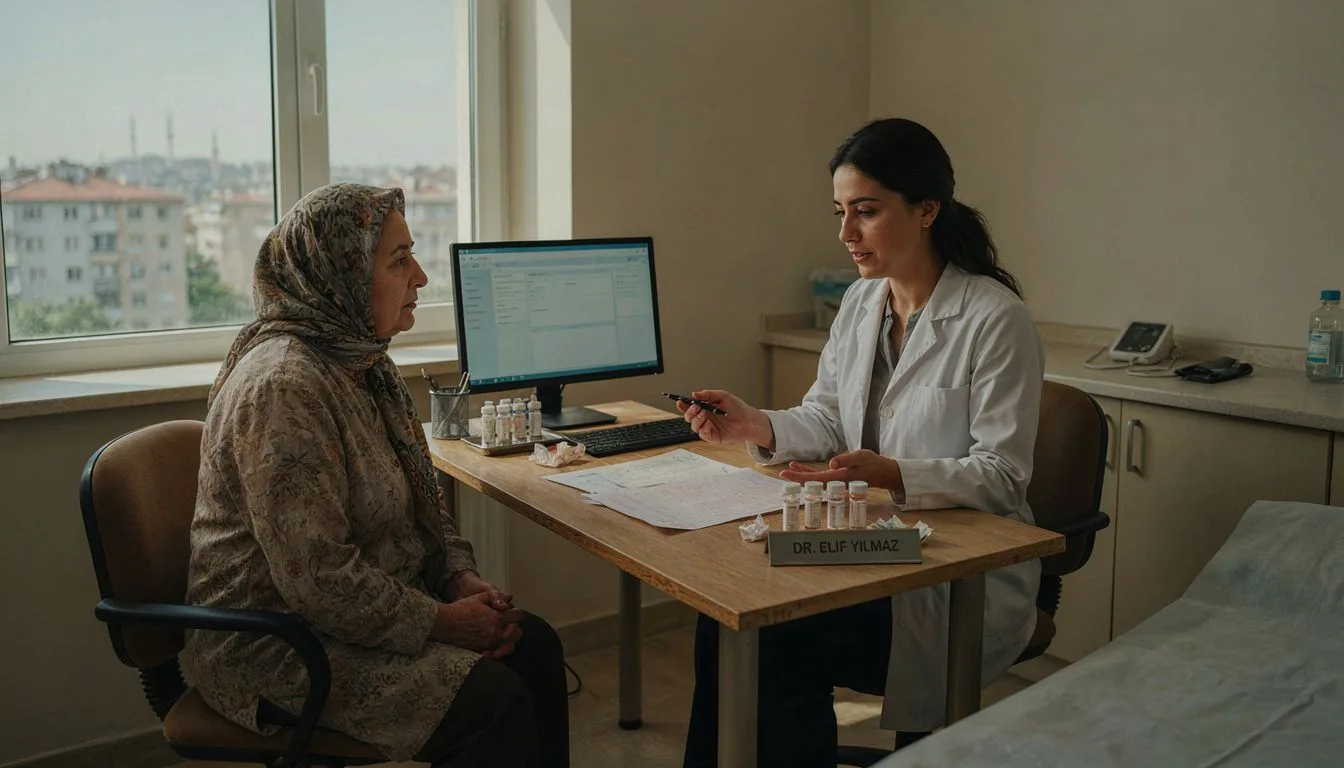
Reputable bariatric programs never operate on a number they haven’t properly evaluated. Before your surgeon ever picks up a scalpel, a responsible clinic in Turkey should require a full battery of pre-operative testing and patient screening — and if a facility is willing to book your surgery from a phone call and a couple of photos, that willingness itself is a serious warning sign.
Thorough screening exists because gastric bypass carries real risks that depend heavily on your individual health profile. A clinic that skips these steps isn’t being efficient; it’s transferring the danger onto you. A trustworthy program will insist on:
- Blood work and metabolic panels — complete blood count, liver function, thyroid levels, and vitamin deficiencies that must be corrected before surgery, not discovered after it.
- Cardiac and respiratory evaluation — an ECG and, for many patients, an echocardiogram or sleep apnea screening, since untreated heart and breathing conditions dramatically raise anesthesia risks.
- Upper endoscopy or barium swallow — to detect hiatal hernias, ulcers, or H. pylori infection that could complicate the operation or your recovery.
- Psychological assessment — bariatric guidelines worldwide call for mental health screening, because eating disorders and unrealistic expectations directly affect long-term outcomes.
- Honest BMI and eligibility review — a surgeon who operates on patients below the medically indicated thresholds is chasing revenue, not results.
Pay attention to *when* this testing happens, too. Legitimate clinics arrange these evaluations before you commit financially, often coordinating them during your arrival in Turkey a day or two ahead of surgery. Be equally wary of the opposite problem: clinics that email you a “surgical approval” based on nothing more than a questionnaire filled out from your sofa. Genuine clearance takes your full medical history — previous surgeries, medications, smoking and alcohol habits — and a specialist’s actual review of the results, not an automated form generated in minutes.
Aftercare and Follow-Up Gaps to Watch For
Recovery from gastric bypass is a months-long process, not a one-week vacation — yet aftercare is where many Turkish packages fall short. Some clinics discharge patients on day five or six and offer little more than a WhatsApp number for questions. A responsible program treats structured aftercare as essential: leak and complication risks peak in the first 30 days, and nutritional deficiencies emerge over the following year.
Before booking, ask exactly what follow-up is included. Key gaps to probe:
- Long-term monitoring: B12, iron, and vitamin D levels need checking for at least 12 months, not just at your final check-up.
- Dietitian support: Ongoing guidance through the liquid, puree, and soft-food stages should be part of the package.
- Clear escalation route: Know who to contact if you develop fever, vomiting, or severe pain after flying home.
- Documented handover: You should leave with full surgical records and discharge summaries your local doctor can act on.
A clinic that cannot specify how it handles complications occurring abroad — including who covers revision surgery costs — is signaling that its commitment ends when you board the plane.
Key Questions to Ask Before Gastric Bypass Surgery in Turkey
Asking direct questions before committing to any clinic is the simplest filter you have. A legitimate Turkish bariatric team will welcome them; a questionable one will deflect, rush you, or answer in vague marketing language.
Focus your conversation on a few practical points: Who exactly will perform the operation, how many bypasses they complete annually, and whether they hold a verifiable surgeon credential with a specialist bariatric association? What is included in the quoted price — and what is not? Will you receive written documentation of your surgery details, implant or staple line specifics, and discharge summaries to hand to your doctor at home?
Also ask about the practical “what ifs”: which hospital would handle a complication if one arises after you fly home, who answers your calls in the first post-op weeks, and how long the clinic has been running its bariatric program. Honest providers give specifics — names, dates, numbers — without hesitation.
Finally, request everything in writing before paying any deposit. A trustworthy clinic will provide a clear contract, transparent pricing, and a named contact person for your aftercare. If answers arrive slowly, shift between staff members, or never materialize in writing at all, treat that silence as an answer in itself.
FAQs
How can I tell if a gastric bypass clinic in Turkey is unaccredited or unsafe?
You can identify an unsafe gastric bypass clinic in Turkey by checking whether it holds accreditation from recognized bodies such as JCI (Joint Commission International) or TEMOS, and verifying that the surgeons are certified by the Turkish Surgical Society or equivalent board-certified organizations. Warning signs include prices that seem unrealistically low, refusal to provide verifiable surgeon credentials or patient reviews, no comprehensive pre-operative testing, poor or no aftercare planning, and pressure tactics to book quickly. Legitimate clinics will readily share their hospital licensing, infection control records, and detailed bariatric surgery volume statistics, so any hesitation to provide this documentation is a red flag.
Why are suspiciously low gastric bypass prices in Turkey a warning sign?
Suspiciously low gastric bypass prices in Turkey often indicate that a clinic is cutting corners in ways that directly endanger patients. These bargains typically reflect unlicensed or underqualified surgeons, substandard hospitals lacking proper intensive care units, and inferior surgical materials. Critically, they may also exclude essential components of care such as comprehensive pre-operative testing, anesthesiology support, and post-operative follow-up, which are vital for detecting leaks, infections, and nutritional deficiencies. Patients who choose the cheapest option frequently end up requiring costly revision surgery or emergency treatment, sometimes losing more money and health than they would have spent at an accredited facility.
What should I check about a surgeons credentials before booking weight loss surgery in Turkey?
Verify that the surgeon is board-certified in general or bariatric surgery and holds membership in recognized organizations such as the Turkish Society of Bariatric and Metabolic Surgery (TOBADS) or IFSO. Check how many weight loss procedures they perform annually, their specific experience with the surgery you are considering, and whether they have verified patient reviews or before-and-after results. Confirm that they operate in a JCI-accredited or internationally accredited hospital with a dedicated bariatric team, including anesthesia and intensive care support. Ask to see their actual medical license and hospital affiliation directly rather than relying solely on the clinic's website.