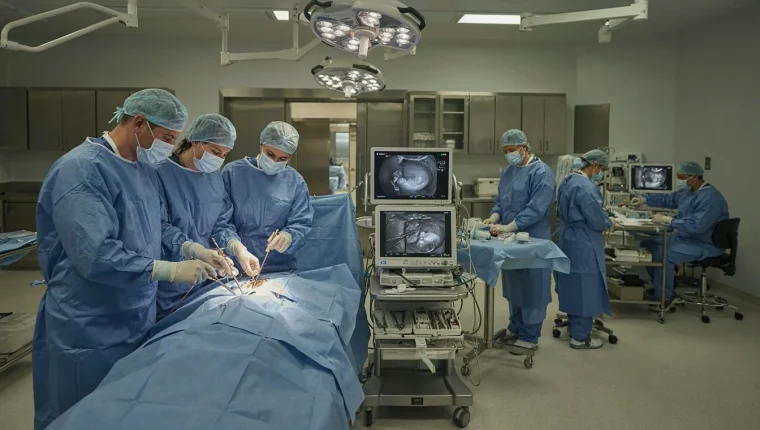
If you need a hernia repair and are considering or scheduled for gastric bypass surgery, you may wonder whether both can be done in one operation. The short answer is that in many cases, yes — surgeons frequently combine gastric bypass with hernia repair, especially when the hernia is discovered during pre-operative imaging or during the bypass itself. Doing both at once can mean one anesthesia session, one hospital stay, and one recovery period instead of two.
That said, it’s not automatic. The type and size of the hernia, your overall health, and your surgeon’s experience all play a role in whether a combined procedure is the safest choice for you. Understanding how these two surgeries work together — and what the evidence says about risks and outcomes — will help you have a more confident conversation with your surgical team.
Why Combine Gastric Bypass With Hernia Repair in One Surgery?
Patients who qualify for bariatric surgery and also live with a hernia often face a frustrating question: which problem should be fixed first? In many cases, the answer is neither — because both can be treated during a single operation. Modern laparoscopic surgery makes this combined approach possible, allowing the surgeon to repair the hernia and perform the gastric bypass through the same small incisions, without significantly extending operative time in suitable candidates.
The logic behind this is straightforward. Hernias and obesity are closely linked: excess abdominal weight raises pressure inside the abdomen, which both causes hernias to form and makes them grow worse over time. Leaving a hernia unrepaired during bypass surgery means it may enlarge afterward, especially as weight loss changes the abdominal wall.
There is also a practical safety angle. If a hernia is repaired first and the bypass is delayed, the hernia can recur while the patient is still carrying excess weight. If the bypass is done first, the hernia may become an emergency — such as a strangulated hernia — before the second operation ever happens.
Combining the two procedures addresses the underlying pressure problem and the hernia itself in one anesthetic, one hospital stay, and one recovery period.
Who Is a Suitable Candidate for Combined Bariatric and Hernia Surgery?
Not everyone who needs both operations is a good match for having them together. Surgeons look at several factors before approving a combined procedure, and understanding these can help you have a more productive conversation with your care team.
Generally, the strongest candidates are patients whose hernia is discovered during standard pre-bariatric screening, such as a CT scan or ultrasound done before weight-loss surgery. If a hiatal or ventral hernia is already confirmed, repairing it at the same time often makes clinical sense. Candidates should also have a body mass index that falls within the accepted range for bariatric surgery, typically around 35 or higher with related health conditions, or 40 and above on its own.
Health matters just as much. Ideal candidates are non-smokers, or willing to quit well before surgery, because smoking significantly impairs both tissue healing and hernia mesh integration. Well-controlled diabetes, stable heart and lung function, and a realistic commitment to post-operative lifestyle changes also strengthen a candidacy.
On the other hand, patients with active infections, poorly controlled chronic disease, or very large, complex hernias requiring specialized reconstruction may be advised to stage the operations separately. Your surgical team will weigh imaging results, your medical history, and the hernia’s size and location to recommend the safest path for you.
What Are the Benefits of Fixing Both Problems at Once?

When you undergo gastric bypass surgery and hernia repair in a single operation, the most significant advantage is that you avoid the drawbacks of a second surgery. This approach, often called a single-anesthetic procedure, means one hospital admission, one round of anesthesia, and one recovery period instead of two separate events spaced months apart.
For patients, this translates into practical benefits that go beyond simple convenience:
- Lower overall risk: Every surgery carries risks related to anesthesia and infection. Halving the number of operations reduces your total exposure to those risks.
- Reduced costs: One hospital stay, one surgical team, and one set of pre-operative tests typically cost less than two separate admissions.
- Less time away from work and daily life: Instead of two recoveries totaling several weeks, you heal once and return to your routine sooner.
- Better hernia outcomes: Significant weight loss after bypass reduces intra-abdominal pressure, which lowers the chance of the hernia recurring at the repaired site.
- No waiting period between surgeries: Many surgeons prefer not to repair a hernia until weight has stabilized. Combining the procedures eliminates that often frustrating delay.
There is also a psychological benefit worth mentioning. Patients who face two operations often experience anxiety about “getting through it all.” Completing both corrections at once provides a clear finish line, which can improve motivation during recovery and commitment to the lifestyle changes that bariatric surgery requires.
What Risks Should You Know About Before a Combined Procedure?

Honesty matters here: combining two operations raises the stakes slightly compared with doing either one alone. The most important factor in your safety is the surgeon’s experience with a combined procedure, since operating on both the stomach and the abdominal wall in the same session demands skills that not every surgical team has refined.
The general risks mirror those of the individual surgeries. These include bleeding, infection at the incision or mesh site, blood clots in the legs or lungs, and leaks at the newly created stomach connections. Anesthesia time is longer when both problems are addressed at once, which can matter if you have heart or lung conditions. Your surgical team will weigh this carefully during the pre-operative evaluation.
There are also hernia-specific considerations. If mesh is used to reinforce the repair, your surgeon must choose a placement technique that stays compatible with the significant weight loss that follows bariatric surgery. Rapid weight reduction changes the shape and tension of the abdominal wall, and a repair done with this in mind holds up far better over time.
Some patients may also face a slightly higher chance of wound complications, particularly if the hernia is large or has been repaired before. Smoking, uncontrolled diabetes, and a high BMI all add to this risk, which is why many programs ask you to optimize these factors beforehand. A detailed conversation with your surgeon about your personal risk profile is the best way to go in with realistic expectations and confidence.
What Does Recovery Look Like After Gastric Bypass and Hernia Surgery?
Recovery after a combined procedure follows two timelines that overlap: your stomach is healing from gastric bypass surgery while your abdominal wall recovers from hernia repair. Most patients who have laparoscopic surgery spend one to two nights in the hospital, walking with assistance within hours of waking up. Early movement isn’t optional — it’s one of the best protections against blood clots and helps the hernia mesh integrate properly.
The first two weeks are the strictest. You’ll follow a liquid then soft-food diet, avoid lifting anything heavier than a gallon of milk, and take short walks several times a day. Pain is usually managed well with oral medication, and many patients return to desk work within two to three weeks.
By weeks four through six, most restrictions ease. Light exercise resumes, and your surgical team clears you for lifting gradually — though many bariatric programs recommend waiting longer before heavy strength training, since strain on the healing abdominal wall is the most common cause of hernia recurrence.
Full recovery typically takes six to eight weeks, with follow-up appointments tracking both your weight-loss progress and the integrity of the hernia repair. Patients who stick to the walking routine and lifting limits consistently report smoother recoveries and fewer complications at their final check-up.
FAQs
Is it safe to have gastric bypass and hernia repair during the same surgery?
Yes, combining gastric bypass with hernia repair during the same operation is generally safe and is performed routinely by experienced bariatric surgeons. In fact, repairing a hernia at the same time can spare you a second surgery and separate anesthesia exposure. Your surgical team will evaluate the hernia's size and location along with your overall health to confirm that a combined procedure is the right approach for you.
Can a hiatal hernia be fixed at the same time as gastric bypass?
Yes, surgeons can repair a hiatal hernia during gastric bypass surgery in the same operation, and this is actually quite common. In fact, many bariatric surgeons routinely check for and fix hiatal hernias while performing gastric bypass, since the repair helps reduce acid reflux and supports better long-term outcomes. Combining the procedures means you avoid a separate surgery, an additional round of anesthesia, and extra recovery time. Your surgical team will typically identify the hernia during preoperative testing or repair it during the procedure if it is discovered.
Does combining surgeries increase the risk of complications?
When performed by an experienced bariatric team, combining gastric bypass with hernia repair is generally safe and does not significantly increase complications for most patients. Studies show acceptable outcomes with longer operative times being the main added consideration. Your surgeon will evaluate factors like hernia size, your overall health, and prior surgeries to confirm the combined approach is right for you. In select higher-risk cases, a staged approach may still be recommended.