Choosing weight loss surgery is one of the biggest health decisions you will ever make, and the Roux-en-Y gastric bypass is often at the top of the list. It has been performed for decades, has a strong long-term safety record, and typically helps patients lose 60–70% of their excess weight within the first year or two. For people with type 2 diabetes, it can also lead to significant improvement or even remission. But like any major operation, it comes with trade-offs—from lifelong vitamin supplementation to the risk of dumping syndrome. Before committing, understand the pros and cons of Roux-en-Y bypass and whether your body, lifestyle, and health profile make you a good candidate. Here is what you need to weigh up.
How the Roux-en-Y Procedure Works Step by Step
To understand why this surgery delivers such reliable results, it helps to see the procedure as two changes happening at once: a smaller stomach and a rerouted digestive tract. Surgeons begin by dividing the stomach to create a small pouch that can hold only a few ounces of food, which means meals become satisfying far sooner.
Next comes the part that defines the operation and gives it its name. The surgeon cuts the small intestine and reconnects it so that food bypasses the lower stomach and the upper portion of the small bowel entirely. This rearranged connection is called the Roux limb, and it is what allows food to travel a shortened path while digestive juices from the bypassed stomach meet it further down the line.
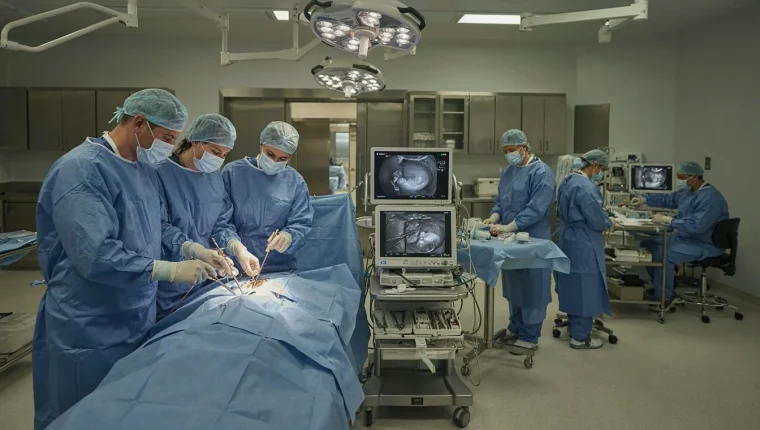
The entire procedure is almost always performed laparoscopically, through several small incisions rather than one large opening. A camera guides the surgeon, and the pouch and intestinal connections are created with stapling and suturing instruments. Because the operation is minimally invasive, most patients spend only one to two days in the hospital and can usually walk within hours of waking up.
Once the pouch and rerouting are complete, the surgery itself is finished, typically within two to three hours. The changes it creates, however, continue working long after you leave the operating room.
The Main Advantages of Gastric Bypass Surgery

One of the most compelling reasons patients and surgeons alike favor this operation is the strength of its results. For most people, the Roux-en-Y gastric bypass produces greater and more durable weight loss than purely restrictive procedures such as gastric banding, with typical excess weight loss ranging from 60 to 80 percent over the first 12 to 18 months.
Part of this success comes from a unique metabolic effect often called the hormonal advantage. Because food bypasses most of the stomach and the upper small intestine, the gut releases less ghrelin (the hunger hormone) and more GLP-1 and PYY, hormones that promote fullness. This means appetite genuinely quiets down, which is something restrictive surgery alone cannot always achieve.
The benefits extend well beyond the scale. Studies consistently show that gastric bypass leads to improvement or complete remission of type 2 diabetes in a large share of patients, often within days of surgery, before significant weight loss even begins. It is also associated with better control of high blood pressure, sleep apnea, and high cholesterol, and it generally produces more reliable long-term maintenance than less invasive options.
For patients whose primary struggle is hunger and portion size, this combination of restriction, malabsorption, and hormonal change makes the Roux-en-Y the most physiologically powerful of the commonly performed bariatric operations.
Potential Risks and Disadvantages to Consider Before Surgery
No surgery is risk-free, and an honest look at the downsides is what turns an enthusiastic patient into a well-prepared one. The Roux-en-Y carries a mortality risk of less than 0.5% in experienced centers, yet the more frequent challenges come in the weeks, months, and years after the operation rather than on the operating table itself. Knowing what can go wrong — and how often — helps you weigh the procedure against alternatives like sleeve gastrectomy with a clear head.
The most significant disadvantages include:
- Nutritional deficiencies: Because the surgery bypasses the duodenum, patients absorb less iron, calcium, vitamin B12, and vitamin D. Lifelong daily supplements and periodic blood tests become a permanent part of the routine.
- Dumping syndrome: When sugary or high-fat foods move too quickly into the small intestine, they can trigger nausea, cramping, diarrhea, sweating, and a racing heartbeat. Most patients learn to avoid trigger foods, but the condition can be unpleasant and socially awkward.
- Internal hernias and bowel obstruction: The rearranged anatomy creates small openings where the intestine can occasionally twist or herniate, sometimes requiring emergency surgery years later.
- Anastomotic leaks and ulcers: The connections between stomach and intestine can leak in the early recovery period or develop ulcers later, especially in patients who smoke or use NSAIDs.
- Excess skin and body-image issues: Rapid, significant weight loss often leaves loose skin that may need separate cosmetic procedures to address.
Alcohol deserves a special mention: after a bypass, alcohol is absorbed far faster than before, and studies show patients face an elevated risk of alcohol use disorder in the years following surgery. Gallstones are another common companion of rapid weight loss, which is why many surgeons remove the gallbladder during the operation or prescribe medication to prevent stone formation. None of these risks is a reason to walk away automatically — but each one is a reason to choose your surgical team carefully and commit to the follow-up schedule they set.
Who Is an Ideal Candidate for Roux-en-Y Bypass?

Not everyone qualifies for this surgery, and knowing whether you fit the profile matters as much as understanding the procedure itself. Generally, surgeons follow the NIH criteria: a body mass index (BMI) of 40 or higher, or a BMI of 35 with at least one obesity-related condition such as type 2 diabetes, hypertension, or sleep apnea.
But numbers alone don’t tell the whole story. The ideal candidate has tried and failed structured attempts at weight loss through diet and exercise, and is psychologically ready for the permanent changes the surgery demands. Because the procedure alters how your body absorbs nutrients for life, you must be willing to take vitamin and mineral supplements indefinitely and attend regular follow-up appointments.
Age and overall health also play a role. Most candidates fall between 18 and 65, though carefully selected older patients can qualify if they are fit enough for anesthesia and recovery. Certain factors can disqualify you, including active substance abuse, unmanaged severe mental health conditions, or medical issues that make surgery unreasonably dangerous.
Smokers deserve special mention: quitting well before surgery significantly reduces the risk of leaks, ulcers, and healing complications. If you have a hiatal hernia or severe reflux, your surgeon may actually favor this procedure over alternatives like a sleeve gastrectomy, since bypass tends to improve acid reflux rather than worsen it.
Life After Surgery: Recovery, Diet and Long-Term Results
The first few days after a Roux-en-Y bypass follow a carefully staged progression: clear liquids, then full liquids, pureed foods, soft foods, and finally solid meals over roughly eight to twelve weeks. Most patients go home within one to two days, and many return to work in two to four weeks. Walking begins almost immediately, but heavy lifting waits about six weeks.
Permanent dietary habits matter just as much as the surgery itself. Because the small stomach pouch holds only a few ounces, meals must be small, protein-first, and free of drinking with food. Lifelong vitamin and mineral supplementation — typically a multivitamin, calcium with vitamin D, iron, and B12 — is non-negotiable, since the bypassed intestine absorbs fewer nutrients.
The long-term picture is genuinely encouraging. Most patients lose 60 to 70 percent of their excess weight within 12 to 18 months and maintain the majority of that loss at ten years and beyond. Type 2 diabetes improves or resolves in the majority of patients, often within days of surgery thanks to hormonal changes, and blood pressure, sleep apnea, and joint pain frequently follow the same path.
Success ultimately depends on follow-up: regular check-ins with your surgical team, annual bloodwork, and a commitment to the new eating pattern. Patients who treat the operation as a tool — not a cure — consistently report the best, most durable results.
FAQs
How long does recovery take after a Roux-en-Y gastric bypass?
Most patients stay in the hospital for one to two days after a Roux-en-Y gastric bypass and can return to work and normal daily activities within two to four weeks. Full internal recovery, including healing of the stomach and intestinal incisions, typically takes six to eight weeks, though energy levels may continue improving for a few months. Following your surgeon's guidelines on diet progression and light movement will help you recover faster and more comfortably.
Can the Roux-en-Y bypass be reversed if complications arise?
Reversing a Roux-en-Y bypass is technically possible, but it is a complex and challenging procedure reserved for serious situations like severe malnutrition, chronic complications, or intolerable side effects. Because the surgery permanently reroutes the digestive tract, reversal carries higher risks than the original operation and requires an experienced bariatric surgeon. Most complications, thankfully, can be managed with less invasive treatments, so reversal remains a rare last resort.
What is dumping syndrome and how can you prevent it after this surgery?
Dumping syndrome happens when food, especially sugary items, moves too quickly from your small stomach pouch into the small intestine, causing symptoms like nausea, cramping, sweating, dizziness, and a rapid heartbeat. It is one of the possible downsides of the Roux-en-Y bypass, but many patients find it actually helps reinforce healthier eating habits. You can prevent it by avoiding sugary foods and drinks, eating small meals slowly, separating liquids from solid meals by about 30 minutes, and prioritizing protein and fiber-rich foods. Most patients find that symptoms ease over time as they fine-tune their eating patterns.