Every year, thousands of people travel to Turkey for gastric sleeve surgery, drawn by affordable prices and internationally accredited hospitals. Many clinics compete for your attention, so you need to distinguish excellent facilities from those better avoided. Choosing the right surgeon and hospital is the most important decision in your weight loss journey—more important than the price, the hotel, or the package deal.
This guide covers what to look for in the best gastric sleeve clinic Turkey has to offer: surgeon qualifications, hospital accreditations, patient reviews, aftercare support, and the red flags you should never ignore. By the end, you’ll know precisely which questions to ask before booking your flight.
Why Consider Turkey for Gastric Sleeve Surgery
Cost is often the first reason people look at Turkey, and the numbers speak for themselves: a sleeve gastrectomy there typically costs between $3,000 and $5,000, compared with $15,000 to $25,000 in the US or UK. But price alone doesn’t explain why the country has become one of the world’s busiest destinations for bariatric tourism.
Turkey’s private hospitals perform gastric sleeve surgery at remarkable volume, and that volume matters. Surgeons who operate on hundreds of patients a year develop a level of routine and refinement that’s hard to match elsewhere. Many of the country’s leading bariatric surgeons are internationally trained, board-certified, and members of organizations such as IFSO, while major clinics in Istanbul, Antalya, and Izmir hold JCI accreditation — the same standard applied to top hospitals in Western countries.
The logistics are also surprisingly painless. Most international patients are in and out within a week: arrival, pre-operative testing, surgery, and the first days of recovery all handled under one roof, often with a dedicated English-speaking coordinator. Direct flights from Europe and the Middle East make the journey short, and the all-inclusive package model means you know the total cost before you book. The real question isn’t whether Turkey can deliver — it’s how to tell the excellent clinics from the merely average ones.
What Credentials Should Your Surgeon and Clinic Have
Credentials are the single most reliable filter you can apply when comparing providers. A qualified bariatric surgeon should hold a recognized medical degree, be certified by a national board such as the Turkish Society of Bariatric and Metabolic Surgery, and carry a valid license to practice in Turkey. Don’t hesitate to ask how many sleeve gastrectomies the surgeon performs annually — experience above a few hundred procedures is consistently linked to fewer complications.
Clinic-level credentials matter just as much. Look for facilities accredited by the Joint Commission International (JCI) or certified by the Turkish Ministry of Health, which enforces standards for surgical units and post-operative care. An intensive care unit on-site is a key marker of a serious surgical center, since even routine bariatric cases occasionally need advanced monitoring in the first hours after surgery.
Beyond paperwork, check whether the clinic assigns a dedicated patient coordinator, uses modern equipment such as laparoscopic and stapling systems from established manufacturers, and provides a named anesthesiologist rather than rotating staff. Transparent hospitals will readily share surgeon CVs, before-and-after complication statistics, and hospital registration details. If a provider resists these requests or cannot verify its certifications, treat that as a clear warning sign and move on to the next option.
How to Evaluate the Best Gastric Sleeve Clinic Turkey Has to Offer
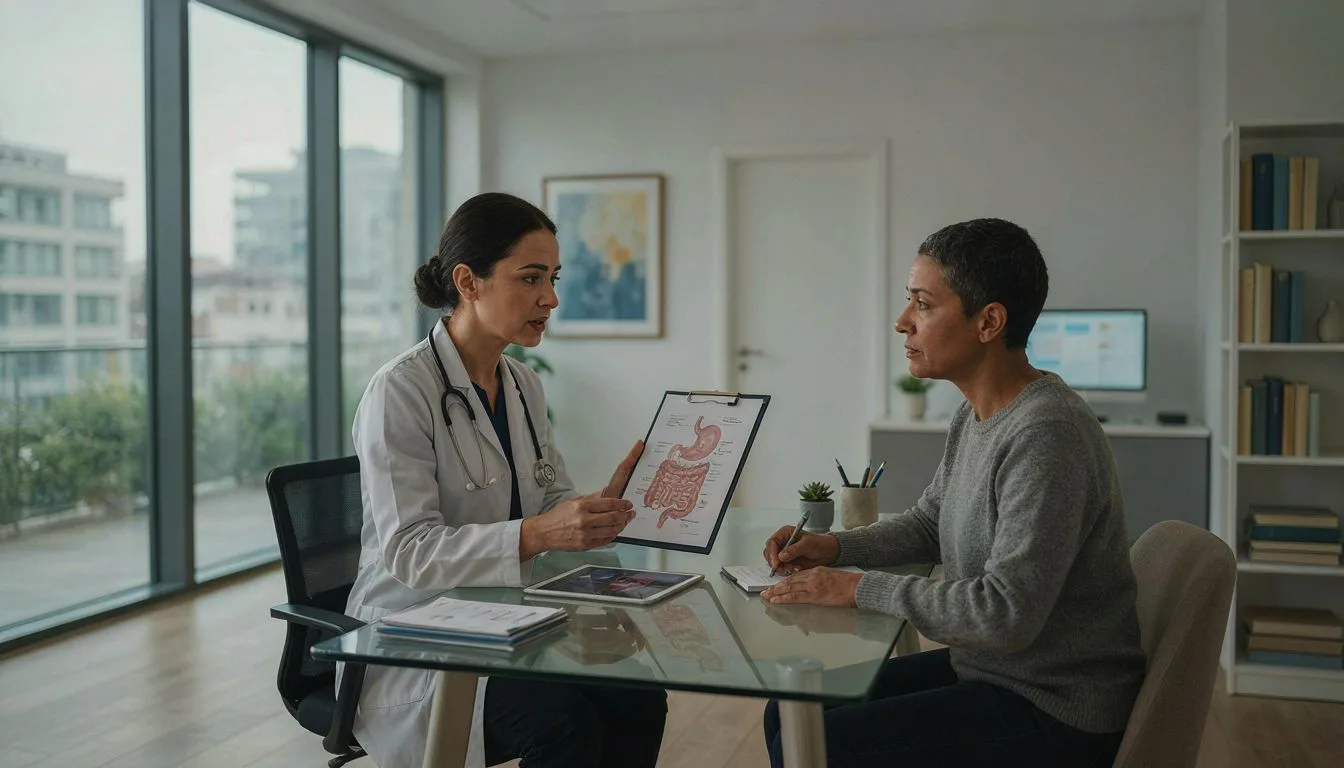
Beyond certificates on the wall, the real test of a clinic is how it behaves when you ask practical, slightly uncomfortable questions. A strong candidate will welcome scrutiny; a weak one will push you toward booking with urgency tactics or vague reassurances. One of the most revealing indicators is the clinic’s transparent case volume — a surgeon who performs gastric sleeve procedures regularly and can say how many, and with what outcomes, is telling you something no marketing video can.
As you compare options, dig into these areas:
- Before-and-after documentation — ask for genuine patient records, not stock photos, ideally including patients whose starting BMI resembles yours.
- Aftercare follow-up plan — find out exactly how dietitian check-ins, bloodwork monitoring, and vitamin protocols continue once you fly home.
- Revision policy — clarify in writing what happens and who pays if a complication requires additional surgery within the first year.
- Bilingual medical staff — confirm that the doctors and nurses caring for you in the hospital communicate with you directly, not only through a coordinator.
- Realistic consultation — a clinic that approves you without reviewing recent blood tests and medical history is screening for payment, not suitability.
Pay attention to how each clinic answers rather than only what it answers. Hesitation about concrete numbers, refusal to connect you with former patients, or an offer of “free extras” in place of safety details are all worth treating as signals. When you collect this information from several clinics side by side, genuine differences in quality become obvious quickly — and the decision largely makes itself.
What Is Included in an All-Inclusive Surgery Package
Most clinics in Turkey bundle everything into a single price, but the contents of an all-inclusive package can vary more than travelers expect. At a minimum, you should expect airport transfers, hotel accommodation for you and often a companion, pre-operative testing (blood work, ultrasound, ECG, and anesthesiology clearance), the surgery itself with a hospital stay of two to three nights, medications during admission, and your initial post-op check before flying home.
Where quality clinics distinguish themselves is in the details. Look for packages that include a leakage test such as an upper GI swallow study before discharge, compression stockings and abdominal binder, a written diet plan covering the first several weeks, prescribed medications to take home, and a dedicated patient coordinator who speaks your language. Some also offer a follow-up telehealth schedule for the first year, which matters enormously once you’re back abroad.
Be equally clear about what is *not* included. Flights, tourist excursions, extended hotel stays beyond the stated nights, and treatment of complications after you leave Turkey frequently sit outside the quoted price. Ask for the package list in writing and compare it line by line between clinics — a cheaper offer that skips the leakage test or aftercare is rarely the bargain it appears to be.
Which Questions Should You Ask Before Booking

A clinic’s answers to direct questions reveal more than any website or brochure. Before you commit to surgery, treat the consultation as an interview — you are evaluating them as much as they are evaluating you. A confident clinic will welcome this; hesitation or vague replies are a warning sign worth taking seriously.
Start with the essentials. Ask how many sleeve procedures the surgeon performs annually, who will physically carry out the operation, and whether an anesthesiologist specializing in bariatric patients will be present throughout. Anesthesia is the stage most patients forget to ask about, yet it matters enormously for safety.
Move on to logistics and accountability. Request details on the hospital’s intensive care arrangements, what happens if a complication arises after you fly home, and how the revision policy works if results fall short. Ask for the full name of your surgeon so you can independently verify their board certification — never accept a clinic name alone.
Finally, clarify communication. Will you have a single point of contact who speaks fluent English? Can you speak with the surgeon directly before payment, not just a sales coordinator? Ask to see unedited before-and-after photos of recent patients, including how long their follow-up lasted.
Keep written copies of every answer. Clinics that promise openly in writing tend to deliver exactly that — and if a clinic resists putting answers in writing, you have learned what you need to know before booking anything.
FAQs
How much does gastric sleeve surgery cost at the best gastric sleeve clinics in Turkey compared to the UK or US?
Gastric sleeve surgery in Turkey typically costs between $3,000 and $5,500, including hospital fees, surgeon fees, and often accommodation and transfers. In the UK, the same procedure usually costs £8,000 to £15,000, while in the US it ranges from $15,000 to $25,000 or more. This makes Turkey roughly 60–75% cheaper even at its top-rated clinics, which is why many international patients travel there. The lower prices reflect reduced operating costs rather than lower standards, as leading Turkish clinics hold international accreditations and perform high annual volumes of bariatric procedures.
What accreditations and surgeon credentials should I look for when choosing a clinic?
Look for clinics accredited by recognized bodies such as JCI (Joint Commission International) or national health authorities, as these certify that the facility meets strict safety and quality standards. Verify that your surgeon is board-certified in the relevant specialty—such as plastic surgery or ophthalmology—and is a member of reputable professional organizations like ISAPS or a national medical board. Also check the surgeon's specific experience with your procedure, including the number of operations performed and before-and-after results. Most accredited clinics display these credentials on their websites, but you can confirm them directly with the certifying organizations.
Is it safe to travel back home shortly after gastric sleeve surgery in Turkey?
Yes, most patients can safely fly home 5 to 7 days after gastric sleeve surgery, once their surgeon confirms they are recovering well and there are no complications such as bleeding or leakage. Clinics in Turkey typically schedule a final check-up and issue a fit-to-fly report before departure. Staying well hydrated, walking regularly during the flight, and wearing compression stockings help reduce the risk of blood clots on the journey home.