Turkey has become a popular destination for gastric sleeve surgery, with advertised prices often a fraction of what you’d pay in the US or UK. The advertised price is rarely the price you actually pay. From pre-operative tests and extended hospital stays to medications, compression garments, and follow-up care after you fly home, the real cost can climb quickly. This guide breaks down the hidden costs of gastric sleeve in Turkey, line by line, so you know what to ask before you book. Some of these extra charges are reasonable; others are red flags you should not ignore. Let’s make sure nothing catches you off guard.
Why Turkish Clinics Quote Lower Prices Upfront
Turkey’s medical tourism industry runs on a simple marketing promise: one number, one price, surgery included. Many clinics advertise gastric sleeve packages starting from £2,500–£3,500, a figure that seems impossible compared to Western quotes. The reason is structural. These clinics operate high-volume business models, often performing several surgeries a day in the same operating theatre, which genuinely reduces their per-patient overhead. Surgeons are paid per case, hospitals negotiate bulk rates, and the lower cost of living in Turkey keeps staffing and facility expenses down.
However, the price you see online is rarely the price you pay in full. Most advertised quotes are built around what clinics call a base package — the bare minimum needed to get you through surgery. This base typically covers the surgeon’s fee, a standard hospital stay of two to three nights, and the endoscopic sleeve procedure itself. Everything else — pre-operative tests, anesthesia, compression garments, medications, follow-up care — is frequently itemized separately or added later.
Understanding this pricing structure is the first step in protecting yourself. The low number isn’t necessarily a scam; it’s a starting point. The real question is what sits outside that starting point, and that’s exactly what the next section breaks down.
The Gastric Sleeve Turkey Hidden Costs Patients Discover After Surgery
The most frustrating surprises rarely appear on the invoice you expected. They show up weeks or months later, when the initial package price is already paid and you’re back home. Patients consistently report the same pattern: the quote covered the surgery, but not everything that surgery actually involved.
The most common post-operative complication costs top this list. Nutritional deficiencies are almost inevitable after a sleeve gastrectomy — lifelong vitamin B12, iron, and vitamin D supplements can run $30–60 per month, indefinitely. Blood tests to monitor these levels, often needed every few months in the first year, are rarely included once you leave Turkey.
Then come the cases that require real medical intervention. A small percentage of patients develop leaks, strictures, or gallstones requiring endoscopy or additional surgery. If this happens after you fly home, your local health system — or your own pocket — handles it, not the Turkish clinic. Some patients also discover their surgeon’s promised follow-up schedule quietly ends once they’re abroad.
Insurance gaps add another layer. Many policies won’t cover revision surgery or complications stemming from elective surgery performed overseas, meaning a $500 leak repair can become a five-figure hospital bill. These are the expenses nobody’s marketing brochure mentions, yet they’re the ones that can genuinely reshape your total budget.
Extra Fees for Anesthesia, Hospital Stay, and Aftercare

Beyond the surgeon’s fee and the base package, three line items quietly inflate your final bill, and they rarely show up in the advertised price. Anesthesia is the most common example: many Turkish clinics quote a surgery-only figure, then present the anesthesiologist fee as a separate charge of €300–€800 on admission day, when you are in no position to negotiate. Patients describe signing paperwork at the hospital entrance that adds these items before they even reach their room.
The extras typically surface in one of these forms:
- Anesthesia and operating theater charges: billed separately from the surgeon’s fee, sometimes calculated per hour of surgery rather than as a flat rate.
- Hospital stay limits: quotes often include only one or two nights. An extra night after a slow recovery can cost €150–€400, and it is your invoice, not the clinic’s.
- ICU monitoring: patients with sleep apnea or other risk factors may be moved to intensive care for one night, an upgrade that is medically sound but never mentioned in the quote.
- Aftercare exclusions: follow-up blood tests, ultrasound checks, and vitamin supplements are frequently sold as optional add-ons even within “all-inclusive” deals.
- Drain removal and wound care: minor post-surgical procedures may be billed by the hospital as separate interventions.
Ask specifically what happens if your surgery runs long, your discharge is delayed, or your bloodwork on day three shows a concern. A transparent clinic will put those answers in writing before you fly; a vague one will handle them through invoices you had not planned for.
Travel, Accommodation, and Revision Expenses to Budget For
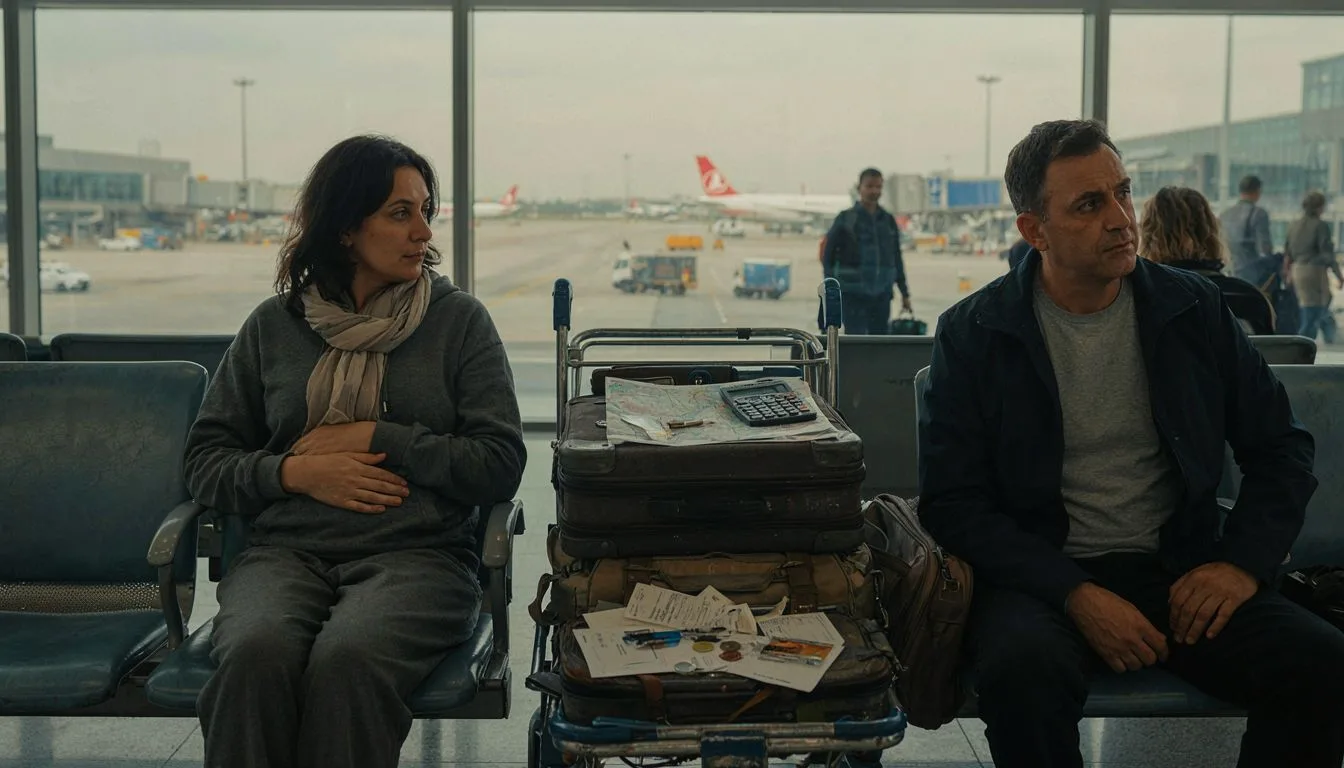
Even with an all-inclusive deal, the price of getting to and from Istanbul rarely appears in the quote. Flights for two people — many clinics require a companion for the first 48 hours — can add $800 to $2,000 depending on your origin and season. Add airport transfers, meals during your recovery week, and a hotel for any nights beyond the hospital stay included in your base package, and a “cheap” surgery quickly climbs.
Then there’s the expense nobody plans for: revision surgery. Weight regain, staple line leaks, or excessive sleeve dilation affect a small but real percentage of patients, and a corrective procedure in Turkey typically costs 30–50% of the original price — almost never covered by the clinic unless explicitly written into your contract. Patients who need revisions after returning home often face a second surgery, a second flight, and a second recovery week abroad.
Budgeting rule of thumb: set aside an extra 20–25% beyond your quoted package. That buffer covers travel surprises, extended hotel stays if your surgeon delays discharge, medication refills, and worst-case revision needs. Ask the clinic directly whether complications within the first 30 days are covered on-site, and get the answer in writing before you pay any deposit.
How to Spot All-Inclusive Packages That Aren't Truly All-Inclusive
Marketing language does a lot of heavy lifting in medical tourism, and “all-inclusive” is the phrase patients trust most and understand least. A genuinely comprehensive package names every included item in writing; a vague one hides behind adjectives. The single most useful habit is demanding an itemized quote before paying any deposit.
When you receive one, check it against the essentials: surgeon and anesthesiologist fees, operating theater charges, the exact number of hospital nights, ICU coverage if needed, pre-operative tests, medications during your stay, and at least the first few aftercare visits. If any line simply says “standard package” or “as per protocol,” ask what that means in concrete terms and get the answer in writing.
Also probe the boundaries of the offer. Ask how many nights the hospital stay covers, what happens if you need an extra day, whether endoscopy or ultrasound is included, and who pays for drain removal or wound care after discharge. A legitimate clinic answers these questions without hesitation; evasive replies are themselves a warning sign.
Finally, compare what’s written against what’s promised on the phone. Verbal reassurances carry no weight once you’re home, so only the signed, itemized document protects your budget from the very costs this article has described.
FAQs
Are consultation and pre-operative tests usually included in the quoted gastric sleeve price in Turkey?
In most cases, yes — Turkish clinics and hospitals typically bundle the initial consultation, surgeon evaluation, and standard pre-operative tests (such as blood work, ECG, chest X-ray, ultrasound, and endoscopy or gastroscopy) into the all-inclusive gastric sleeve package price. These packages are generally quoted as a single price covering surgery, hospital stay, anesthesia, medications, and post-operative follow-up. However, coverage can vary between providers, so patients should request an itemized list to confirm exactly which tests and services are included and whether anything extra, like additional endoscopies or extended stays, would incur separate charges.
Do hidden costs like anesthesia fees, medications, or compression garments appear after you arrive?
Reputable clinics provide an all-inclusive quote covering anesthesia, medications, and compression garments before you book, so these costs should not appear unexpectedly after arrival. Confirm in writing that your package includes the anesthesia fee, post-operative medications, and the compression garment or corset. If a clinic only offers a vague estimate or asks for extra payments on the day of surgery, treat that as a red flag and request a detailed itemized quote in advance.
How much extra should you budget if complications occur after returning home?
If complications occur after returning home, you should typically budget an extra 10–20% of your total procedure cost to cover follow-up care, medications, and possible revision treatments. However, serious complications requiring additional surgery or extended treatment can cost significantly more—sometimes doubling your original expense—especially if you need to travel back to the clinic. Many clinics offer revision policies or complication insurance, so review these terms beforehand. Travel and accommodation costs for return visits should also be factored into your contingency budget.