Dental implant surgery is usually less painful than many patients expect. During the procedure, your dentist uses local anesthesia to numb the area, so you should feel pressure and movement rather than sharp pain. Once numbness fades, mild to moderate soreness, swelling, or tenderness is common, especially in the first few days. Most people manage these symptoms with pain relief recommended by their dentist and return to normal routines quickly. The level of discomfort can vary depending on the number of implants, the condition of your jawbone, and whether procedures such as bone grafting are needed. Understanding what recovery feels like can make the decision easier and help you prepare for a smoother healing process.
What Causes Pain During Dental Implant Surgery?
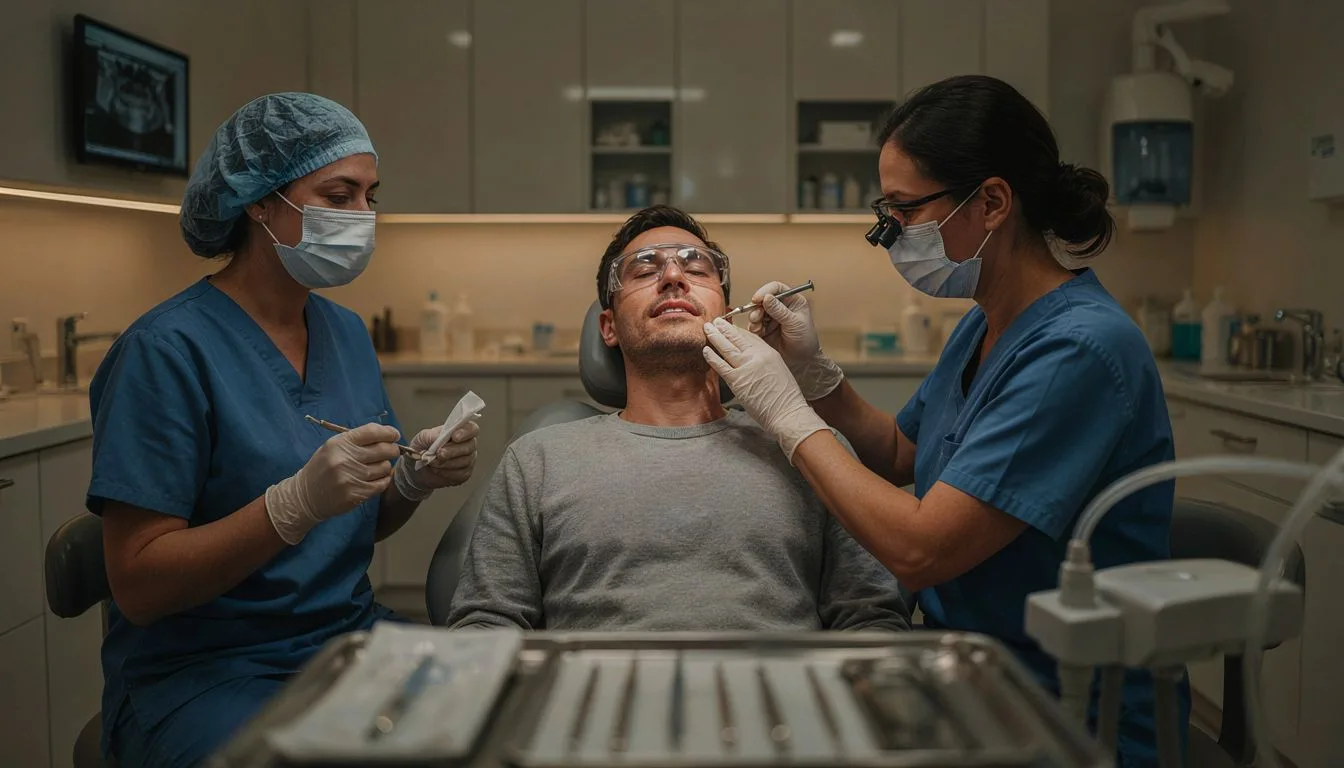
Pain during dental implant surgery usually comes from the pressure and vibration of the procedure rather than sharp sensations. The dentist first numbs the treatment area with local anesthesia, which blocks pain signals from the gums, jawbone, and surrounding tissues. You may still notice pushing, pulling, or the sound of instruments, but you should not feel cutting or drilling as pain.
The main source of discomfort is often the injection used to deliver the anesthetic. Once the area is numb, the dentist makes an opening in the gum and carefully prepares the jawbone to receive the implant. Because bone itself does not contain pain-sensing nerves in the same way as soft tissue, drilling generally creates pressure and vibration rather than intense pain. Anxiety, inflammation, or difficulty becoming fully numb can make the experience feel more uncomfortable.
Effective local anesthesia is the key factor that keeps the procedure comfortable. If you feel sharp pain at any point, tell the dental team immediately. They can pause, provide additional anesthetic, and check whether the medication has reached the entire treatment area. Sedation may also be discussed for patients with severe dental anxiety, although it does not replace local anesthesia.
After the implant is placed, soreness develops as the anesthetic wears off and the gum begins to heal. That later discomfort has different causes and is best assessed separately from sensations experienced during surgery.
How Much Pain Should You Expect After Implant Placement?
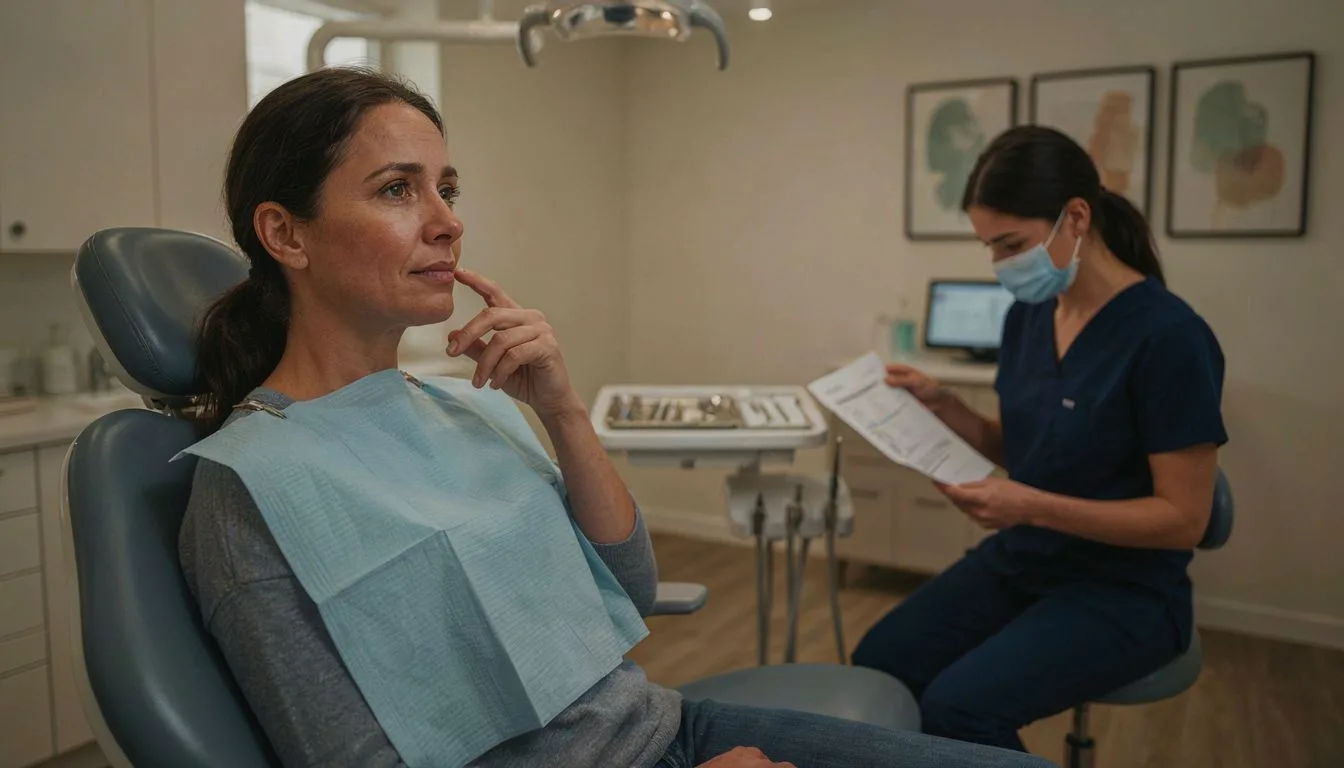
After the numbness fades, most patients notice soreness, pressure, or mild throbbing around the implant site rather than severe pain. Discomfort is often most noticeable during the first 24 to 48 hours, then gradually improves over the next several days. The surrounding gum may feel tender, and mild swelling or bruising can make the area seem more sensitive when eating or brushing.
Peak discomfort usually occurs within the first two days. Your dentist may recommend an appropriate over-the-counter pain reliever or prescribe medication when necessary. Taking medication as directed, ideally before the anesthetic completely wears off, can help keep discomfort under control. Do not exceed the recommended dose, and ask your dental professional which option is safe if you take blood thinners or have stomach, kidney, liver, or bleeding problems.
Some patients describe a tight or unusual sensation as the jaw adapts to the implant, especially when bone grafting or several implants were involved. This feeling should steadily lessen rather than intensify. Soft foods, careful oral hygiene, and avoiding pressure on the surgical site can make the early recovery more comfortable.
Contact your dentist if pain becomes severe, returns after improving, or is accompanied by increasing swelling, fever, pus, a persistent bad taste, numbness, or difficulty swallowing. These symptoms may require prompt evaluation rather than additional self-treatment.
Which Factors Affect Dental Implants Pain?
The amount of discomfort after implant treatment varies because every patient’s anatomy, procedure, and healing response are different. The most important influence is the complexity of the implant procedure. A straightforward implant placed in healthy bone usually causes less soreness than treatment involving bone grafting, sinus lifting, multiple implants, or a tooth extraction performed at the same appointment. Understanding the factors that affect dental implant pain can help patients know what to expect during recovery and discuss any concerns with their dental professional.
- Number of implants: Placing several implants can create more swelling and tenderness than inserting a single implant, although the difference is not always proportional to the number of fixtures.
- Bone quality and grafting: Thin or insufficient jawbone may require graft material, which can make recovery longer and increase pressure or soreness in the treated area.
- Location in the mouth: Implants in the back of the jaw may feel more uncomfortable because chewing forces are greater and access can be more difficult.
- Existing infection or inflammation: An infected tooth or irritated gum tissue can make the area more sensitive before treatment and may influence early healing.
- Individual pain sensitivity: People experience the same procedure differently. Stress, sleep quality, and previous dental experiences can also affect how strongly discomfort is perceived.
Smoking, uncontrolled diabetes, and poor oral hygiene can interfere with healing and may prolong tenderness. Following the surgeon’s instructions, protecting the surgical site, and attending follow-up appointments help distinguish normal recovery from discomfort that needs assessment. Although some soreness, swelling, and sensitivity are common after implant treatment, worsening pain or persistent discomfort should be evaluated by the dental professional who performed the procedure.
How Can You Manage Discomfort During Recovery?
Keeping the surgical area protected during the first few days can make recovery more comfortable. Use a cold pack against the cheek for short intervals during the first 24 hours to help limit swelling. Rest with your head slightly elevated, and avoid strenuous exercise, smoking, alcohol, and very hot foods or drinks, since these may increase bleeding or irritation.
Follow your dentist’s instructions for prescribed or over-the-counter pain relief. Taking medication as directed, particularly before the local anesthetic completely wears off, can help prevent discomfort from becoming difficult to control. Do not exceed the recommended dose, and check with your dentist or physician before using anti-inflammatory medication if you have a medical condition or take other medicines.
Choose soft, cool or lukewarm foods and chew away from the implant site. Gentle oral hygiene remains important, but avoid brushing directly over the surgical area until your dental team advises that it is safe. Depending on the procedure, they may recommend careful rinsing with salt water or a prescribed mouthwash.
Protecting the blood clot and healing tissues is especially important. Do not spit forcefully, use straws, or disturb the area with your tongue or fingers. Mild soreness and swelling should gradually improve; increasing pain, persistent bleeding, fever, or a bad taste should be reported to your dentist promptly.
When Is Implant Pain a Sign of Complications?
Some soreness is expected as the gum and surrounding tissues heal, but pain that changes pattern or steadily worsens deserves attention. Contact your implant dentist if discomfort becomes more intense after the first few days, especially when swelling also increases instead of settling. Persistent or throbbing pain may indicate infection, inflammation around the implant site, or irritation of nearby tissues.
Other warning signs include fever, chills, pus, a foul taste or odor, worsening redness, or bleeding that does not respond to gentle pressure. Difficulty opening the mouth, swallowing, or breathing requires urgent medical attention. Numbness or tingling that continues after the expected effect of local anesthesia has worn off should also be reported, as it may reflect nerve irritation.
An implant that feels loose is not a normal part of healing. Avoid chewing on it and arrange prompt dental evaluation, because movement can interfere with the bone’s ability to integrate with the implant. Do not remove sutures, probe the area, or increase medication doses without professional guidance. Your dentist may examine the site and use imaging to identify the cause, then recommend appropriate treatment.
Early assessment is especially important when pain is accompanied by swelling, fever, drainage, or implant mobility. These symptoms do not always mean treatment has failed, but delaying care can make a manageable problem more difficult to resolve.
FAQs
How painful are dental implants during and after surgery?
Dental implant surgery is usually performed under local anesthesia, so you should feel pressure or movement rather than sharp pain during the procedure. Mild to moderate soreness, swelling, or bruising is common for a few days afterward and can typically be managed with prescribed or over-the-counter pain medication. Pain that worsens, becomes severe, or persists beyond the expected recovery period should be assessed by your dentist.
How long does dental implant pain usually last?
Most dental implant pain improves within a few days, with soreness and swelling typically peaking during the first 48–72 hours. Mild tenderness may persist for up to a week, especially when chewing, but it should gradually improve. Contact your dentist if pain worsens after several days, lasts beyond a week, or occurs with fever, pus, or increasing swelling.
When should dental implant pain be considered abnormal?
Dental implant pain is abnormal when it worsens instead of improving after the first few days, becomes severe, or persists beyond the expected healing period. Contact your dentist promptly if pain occurs with increasing swelling, pus, fever, a bad taste, numbness, or a loose implant, as these may indicate infection or another complication.