Recovering from dental implant surgery is a staged process, not a single date when everything feels normal. The early period focuses on controlling swelling, protecting the surgical site, and returning comfortably to daily routines. The implant then needs time to bond with the jawbone before supporting the final restoration. Your recovery may depend on factors such as the number of implants placed, bone grafting, overall health, and how closely aftercare instructions are followed. Knowing typical first-day sensations and later healing milestones can help you plan realistically and recognize when professional advice is needed.
What Happens During Dental Implant Surgery?
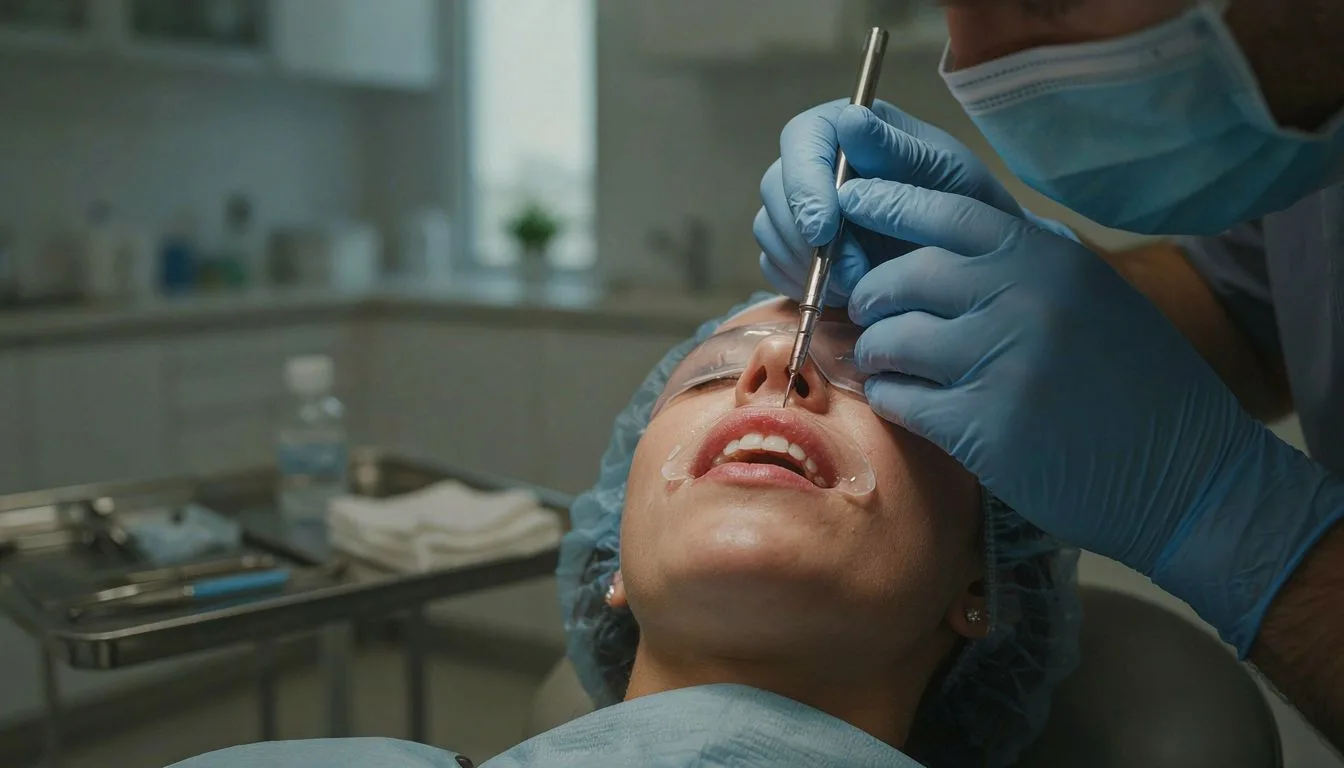
Dental implant surgery is usually a carefully planned, staged procedure rather than a single step. After numbing the area with local anesthesia, the dentist or oral surgeon makes a small opening in the gum and prepares the jawbone to receive the implant. The implant, a small titanium or biocompatible post, is then placed into the bone, and the gum may be closed with sutures. In some cases, a temporary covering or healing component is positioned at the same visit.
The exact process depends on the condition of the tooth and surrounding bone. If a damaged tooth must be removed, extraction may occur before or during implant placement. Patients with insufficient bone may need bone grafting, which can extend the healing period before the implant is placed or fully restored. Placing several implants can also make the appointment longer and may create more treated areas in the mouth.
Osseointegration is the biological process that follows placement, as the jawbone gradually bonds with the implant and provides stability. The implant itself is not the final visible tooth. Once healing and stability are adequate, the dentist attaches an abutment and later a custom crown, bridge, or denture. The surgical appointment begins the recovery timeline, but the final restoration is completed at a separate stage.
Dental Implants Recovery Timeline: The First 24 Hours

The first 24 hours set the tone for the early healing phase. As the local anesthetic wears off, numbness usually fades gradually over several hours, and the implant area may begin to feel tender, tight, or mildly throbbing. A small amount of blood-tinged saliva or light oozing can be normal during this period. Swelling may be minimal at first and become more noticeable later in the day or the following morning.
Your immediate priorities are to protect the surgical site and follow the instructions provided by your dental team. Avoid disturbing the area with your tongue or fingers, and take prescribed or recommended medication exactly as directed. Resting with your head slightly elevated may also make the first night more comfortable. The specific advice you receive should take precedence, particularly if bone grafting or multiple implants were involved.
Protecting the blood clot is essential because it supports early tissue repair. Avoid forceful rinsing, spitting, or creating suction during the first day unless your clinician specifically advises otherwise. Do not be alarmed by mild soreness or limited swelling, but monitor how you feel as the anesthetic fully disappears.
Contact the dental office promptly if bleeding remains heavy despite the instructions you were given, pain becomes severe or rapidly worsens, swelling develops suddenly, or you experience difficulty breathing or swallowing. Fever, a spreading rash, or another unexpected reaction also warrants urgent professional advice rather than waiting for the next appointment.
Managing Pain, Swelling, and Bleeding After Implant Placement
Some soreness, facial swelling, and minor oozing are common after implant placement. Discomfort often becomes more noticeable as the local anesthetic wears off, then gradually improves over the next few days. Take prescribed or recommended pain medication exactly as directed, and do not exceed the stated dose. If your dentist has advised an over-the-counter option, follow those instructions and mention any medical conditions or other medicines that could affect its safety.
Swelling may increase during the first 48 to 72 hours before it begins to settle. Applying a cold pack to the outside of the cheek in short intervals during the early postoperative period may help, provided your dental team has not given different instructions. Rest with your head slightly elevated if that feels comfortable. A small amount of blood-tinged saliva or gentle oozing can also occur; place clean gauze over the area and apply steady, gentle pressure as instructed.
Persistent or worsening symptoms require professional review. Contact your dental team if bleeding does not slow with firm pressure, pain becomes severe or starts increasing after initial improvement, or swelling continues to worsen beyond the expected early period. Call promptly for fever, pus, an unpleasant taste or odor, increasing redness, difficulty swallowing or breathing, or numbness that does not improve. These changes do not always indicate a serious complication, but they should be assessed rather than managed by changing medication on your own.
Diet, Oral Hygiene, and Activity During Healing
Food choices can make the healing period more comfortable and help protect the implant site. Start with soft, cool or lukewarm foods such as yogurt, eggs, smoothies eaten with a spoon, mashed vegetables, and tender pasta. As chewing becomes comfortable, gradually add firmer foods, but use the side away from the implant whenever possible. Avoid hard, sharp, sticky, or crumbly foods that could irritate the area or become trapped around it.
Keep the rest of your mouth clean, but treat the surgical site gently. Follow your clinician’s instructions about brushing, rinsing, and any prescribed antimicrobial rinse. Usually, brushing can continue around nearby teeth with a soft-bristled toothbrush, while direct pressure over the implant area should be avoided until healing allows it. Do not probe the site with a finger, toothpick, or water flosser unless your dental team specifically recommends this.
Physical activity may need to remain light at first. Strenuous exercise, heavy lifting, and activities that increase pressure or throbbing around the surgical area can be postponed according to your clinician’s guidance. Smoking and vaping can impair circulation and interfere with tissue and bone healing, so avoiding them is especially important. Alcohol may interact with prescribed medication and can irritate healing tissues; wait until your dental team confirms it is appropriate.
These habits support uneventful osseointegration while the implant remains protected beneath the healing tissues. If your surgeon gave instructions that differ from general guidance, follow those personalized directions.
When Can You Resume Normal Activities and Get Your Final Crown?
Returning to work and social activities often happens before the implant is ready for its permanent crown. Once discomfort and swelling have settled, many people can gradually resume routine activities, but physically demanding work or strenuous exercise may require more time based on the procedure and the surgeon’s advice.
Soft-tissue healing can make the gum look and feel improved within weeks, while the implant continues integrating with the surrounding bone. This deeper process, known as osseointegration, must provide adequate stability before the final restoration is attached.
Your dentist will assess healing, implant stability, imaging results, and the overall treatment plan before scheduling the crown. Timing may be extended if bone grafting was performed, healing is slower than expected, the implant shows insufficient stability, or infection or other complications develop. Attend the planned review even when the site feels comfortable; clinical examination and imaging, rather than symptoms alone, determine when the permanent crown can be placed safely.
FAQs
How long does the dental implants recovery timeline typically take?
Most people return to normal daily activities within a few days, but complete dental implant recovery typically takes three to six months. During this time, the implant fuses with the jawbone, after which the permanent crown or bridge can be placed. Recovery varies depending on the number of implants, bone grafting, and individual healing.
When can I eat normally after dental implant surgery?
Most people can gradually return to a normal diet within one to two weeks, depending on healing and the complexity of the procedure. Start with soft foods, avoid chewing directly on the implant site, and reintroduce firmer foods only when they feel comfortable. Follow your dentist’s specific instructions, especially if bone grafting or multiple implants were involved.
What symptoms during recovery require a call to the dentist?
Call your dentist if pain, swelling, bleeding, or fever worsens instead of improving, or if symptoms persist beyond the expected recovery period. Seek prompt advice for pus, a foul taste or odor, difficulty opening your mouth, swallowing, or breathing, or signs of an allergic reaction.