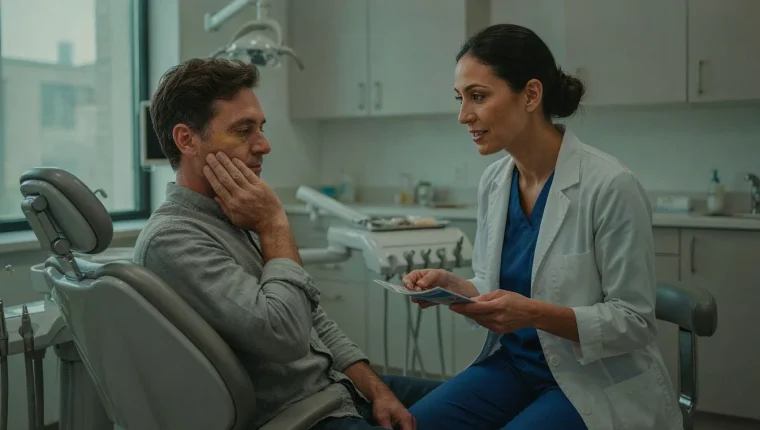
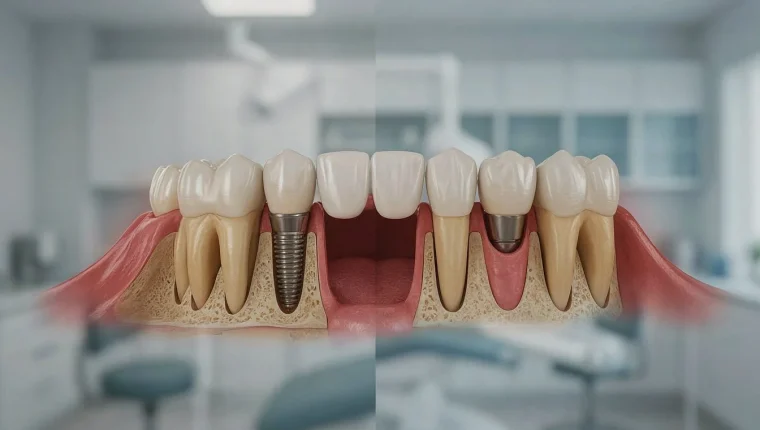
Some discomfort, swelling, or minor bleeding can be expected after dental implant treatment, but persistent or worsening symptoms may indicate a complication. Dental implant revision is considered when an implant, the surrounding bone and gum tissue, or the attached restoration is not functioning as intended. The need for further treatment depends on the underlying cause—not symptoms alone. An implant may be affected by infection, poor integration with the bone, excessive loading, looseness, bone loss, or a problem with the crown or connecting parts. In some cases, the implant can be treated and preserved; in others, removal and replacement may be safer. Prompt assessment helps distinguish normal healing from a problem that could compromise stability, comfort, appearance, or long-term oral health. A dentist evaluates the implant’s stability, surrounding tissues, bite, and restorative condition before recommending the appropriate next step.
What Is Dental Implant Revision and Why Is It Needed?
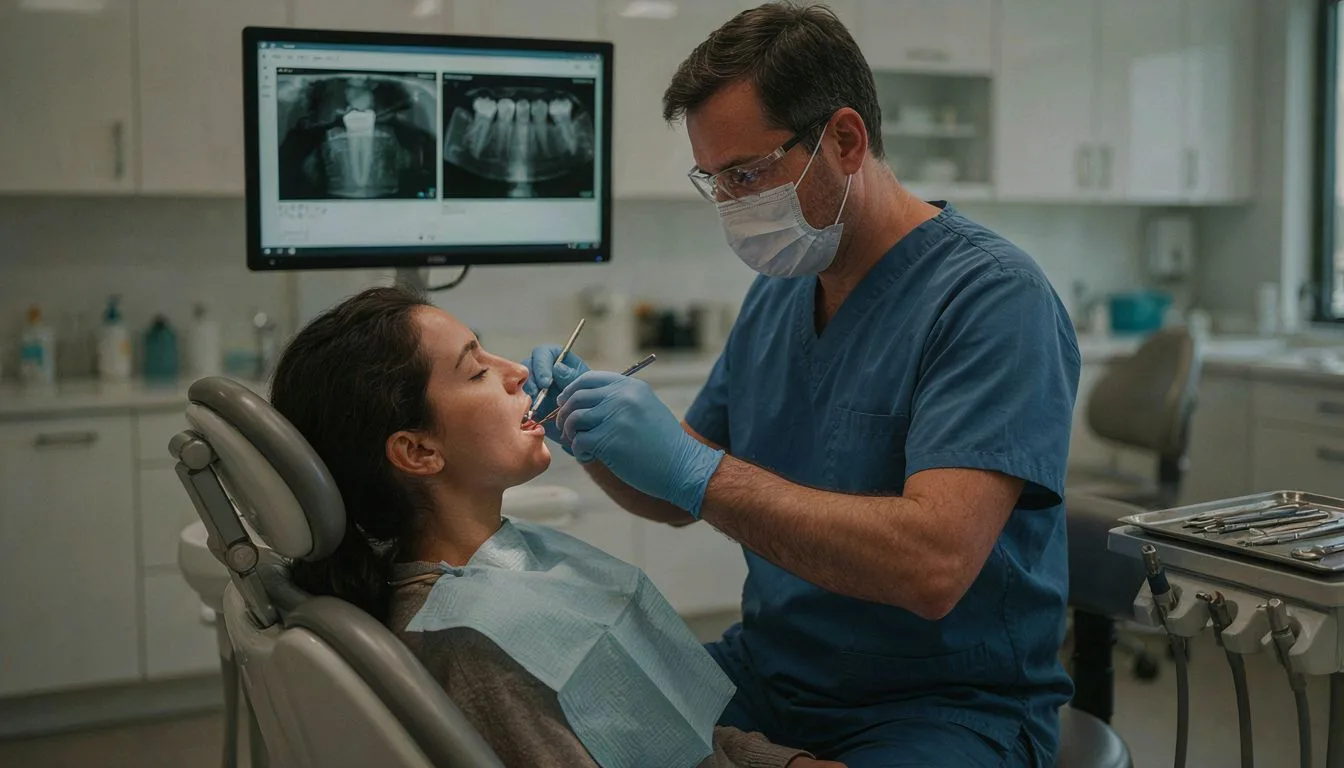
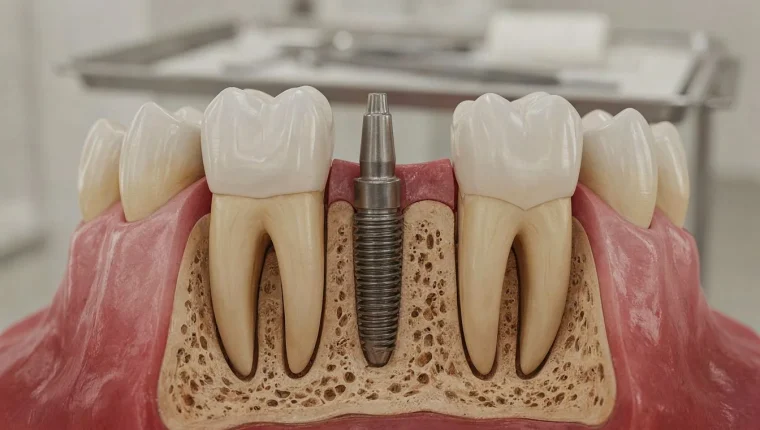
Dental implant revision is a planned evaluation and corrective process for an implant, abutment, or restoration that is not functioning as intended. It is different from routine follow-up, which checks healing and helps maintain a stable implant. Revision becomes relevant when a biological, mechanical, or restorative problem develops after placement and requires more than ordinary maintenance.
Implant failure is one possible reason for revision, but it is not the only one. Inflammation around the implant, inadequate bone support, loosening or fracture of a component, changes in the bite, or a poorly fitting crown may all require professional attention. Some problems can be managed while the implant remains in place; others may require removal and, after appropriate healing or additional preparation, replacement.
The purpose of revision is to identify the underlying cause and choose the least extensive effective solution. A dentist or implant specialist may focus on preserving healthy tissue, correcting the restoration, stabilizing the implant, or removing a compromised implant when it cannot be predictably maintained. The need for intervention cannot be determined from discomfort alone, so clinical examination and appropriate imaging are essential before deciding whether further treatment is necessary.
Common Signs of Dental Implant Failure
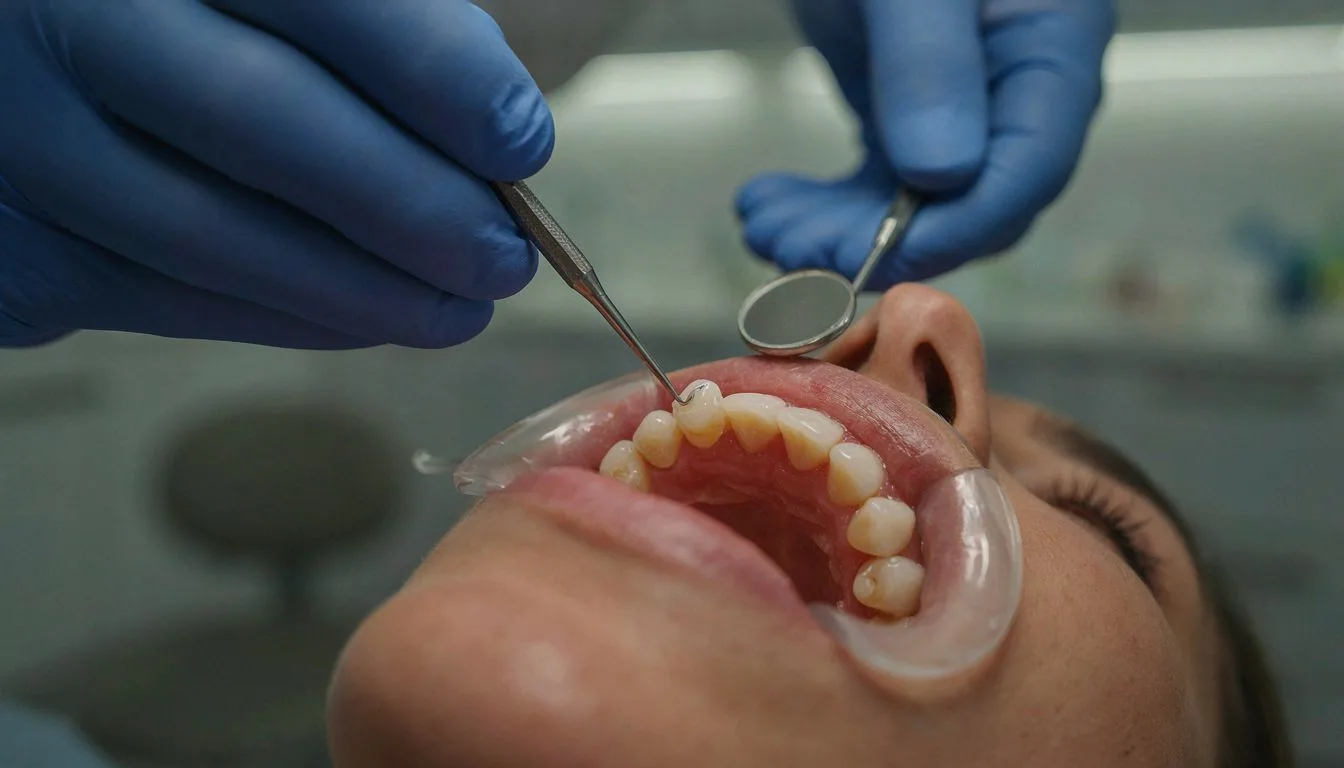
Changes around an implant can be easy to dismiss, especially when discomfort develops gradually. A symptom does not prove implant failure, but a persistent or worsening change deserves professional attention. The pattern and persistence of symptoms help determine whether the concern may involve the implant, surrounding tissues, or the attached restoration. Paying attention to these changes and arranging an evaluation can help identify complications before they become more difficult to treat.
- Ongoing pain or swelling: Pain, tenderness, redness, or swelling that continues beyond expected healing—or returns after a period of comfort—may signal inflammation or another complication.
- Bleeding or discharge: Repeated bleeding during brushing, pus, an unpleasant taste, or persistent bad breath can indicate problems affecting the gum tissues around the implant.
- Looseness or movement: An implant or restoration that feels unstable, shifts while chewing, or makes a clicking sensation should be assessed promptly rather than repeatedly tested at home.
- Changes in chewing: New difficulty biting, altered contact with neighboring teeth, or discomfort when eating may reflect a problem with the restoration or the support beneath it.
- Gum or appearance changes: Receding gums, exposed implant components, increasing gaps, or a visible change in the position of the crown can warrant examination.
These signs may occur individually or together, and their meaning can vary depending on the stage of healing, the condition of the gum and bone, and the type of restoration attached to the implant. Urgency depends on the severity, duration, and combination of symptoms. Sudden swelling, fever, severe pain, or difficulty swallowing requires prompt dental care. A dentist must examine the area to distinguish implant failure from treatable gum inflammation, a loose component, bite changes, or another dental condition.
How Dentists Diagnose Implant Complications
Diagnosis begins with a detailed review of what has changed since the implant was placed. The dentist may ask about pain, swelling, chewing difficulty, recent dental work, oral hygiene, smoking, and medical conditions that could affect healing. The timing and progression of symptoms help distinguish a temporary irritation from a problem that requires closer investigation.
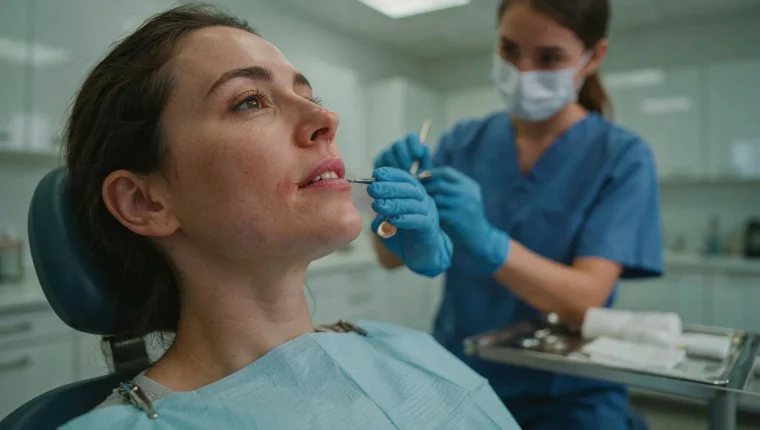
During the examination, the dentist checks the gums for redness, swelling, bleeding, drainage, and changes in tissue levels. They also assess the implant and surrounding teeth for tenderness, bite problems, and movement. A restoration that feels loose does not always mean the implant itself has failed; the crown, bridge, or connecting screw may be the source of the problem.
Implant stability is assessed carefully because true movement of the implant can indicate loss of supporting bone, while movement limited to the restoration may suggest a mechanical complication. Dentists may use gentle clinical tests and compare current findings with earlier records rather than relying on symptoms alone.
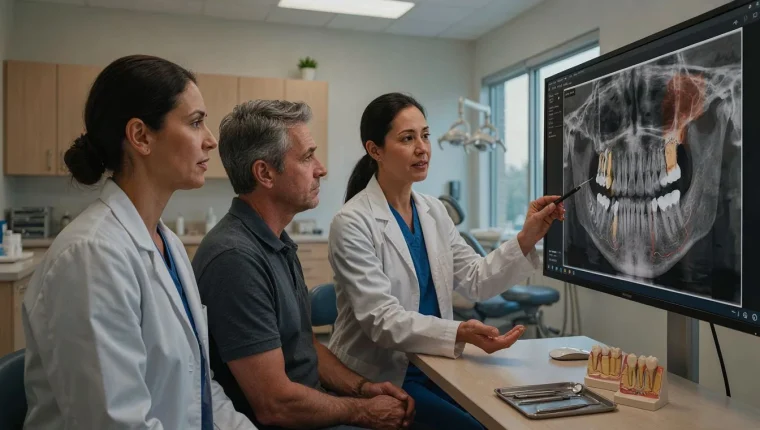
Dental X-rays, and sometimes three-dimensional imaging, help evaluate bone levels, the implant position, nearby structures, and possible infection or fracture. Comparing these images with previous scans can reveal whether bone loss is new or stable. The findings are considered together to determine whether the issue is biological, mechanical, or restorative, and whether the implant may be preserved or needs further intervention.
Treatment Options for Failed Dental Implants
Treatment is chosen according to why the implant is failing and whether the surrounding tissues can support it. A failed implant does not automatically require removal. After reviewing the clinical and imaging findings, the dentist may determine that the implant can be treated in place, needs a minor restorative correction, or should be removed before further reconstruction.
| Underlying complication | Possible treatment pathway | What influences the decision |
|---|---|---|
| Inflammation or infection around a stable implant | Professional cleaning, treatment of the surrounding tissues, and correction of factors that retain plaque | Extent of inflammation, bone support, implant access, and response to initial care |
| Loose or damaged restoration | Adjustment, repair, or replacement of the crown, bridge, screw, or other prosthetic component | Condition and fit of the restoration, bite forces, and stability of the implant itself |
| Loss of implant stability | Implant removal, followed by site evaluation and planning for future replacement | Mobility, infection, remaining bone, and whether the implant can safely remain in place |
| Insufficient bone or a compromised implant site | Removal or staged treatment with bone or soft-tissue reconstruction before considering another implant | Bone volume, tissue health, healing capacity, and the cause of the original failure |
| Position, design, or bite-related problem | Restorative modification, occlusal adjustment, or removal and replacement when correction is not practical | Severity of the problem, functional demands, aesthetics, and long-term prognosis |
In some cases, the implant can be removed and replaced during the same procedure; in others, the area needs time to heal before reconstruction. The dentist may also address gum disease, bite pressure, smoking, or poorly fitting restorations to reduce the risk of another complication. The final plan therefore depends on stability, infection control, bone support, and the condition of the restoration—not on symptoms alone.
Recovery and Prevention After Implant Revision
Recovery after implant revision depends on what was treated and how extensive the procedure was. Soft-tissue procedures may settle relatively quickly, while bone grafting or replacement of an implant can require a longer healing period before the area is ready for further restorative work. Your dentist will provide instructions about eating, cleaning, medication, and activity, and scheduled reviews help confirm that healing is progressing as expected.
Follow-up appointments may include examination of the gums, imaging, assessment of implant stability, and checks of the final restoration once it is placed. Long-term prevention relies on thorough daily brushing and interdental cleaning, professional maintenance visits, and managing factors such as smoking or poorly controlled medical conditions. Contact your dental team promptly if new pain, swelling, bleeding, discharge, looseness, or changes in chewing develop, because early assessment can help prevent a smaller concern from becoming a larger complication.
FAQs
When is dental implant revision needed after dental implants?
Dental implant revision may be needed when an implant fails to integrate with the jawbone, becomes loose, causes persistent pain or infection, or does not function or look as intended. It may also be necessary if bone loss, peri-implantitis, or damage to the implant or restoration develops. A dentist or oral surgeon can determine the cause and whether treatment involves cleaning, replacing the restoration, bone grafting, or removing and replacing the implant.
What symptoms may indicate that an implant requires revision?
Persistent pain, swelling, bleeding, pus, or a bad taste around the implant may indicate infection or treatment failure. Looseness, difficulty chewing, gum recession, or visible changes in the implant’s position can also signal bone loss or mechanical problems requiring revision. Consult your dentist promptly for an examination and imaging.
Can a failed dental implant be replaced successfully?
Yes, a failed dental implant can often be replaced successfully after the underlying cause has been treated. Your dentist may need to remove infected tissue, allow the bone and gums to heal, and assess whether bone grafting or other preparatory treatment is necessary before placing a new implant.