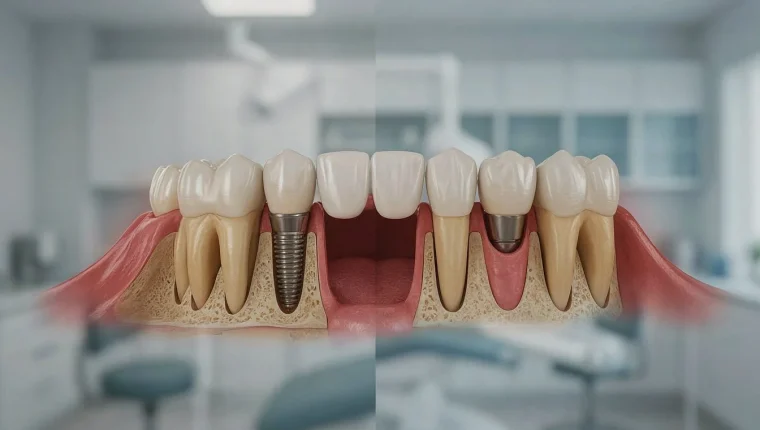
Missing teeth can affect more than your smile: the jawbone that supported them can gradually lose volume, which may affect whether an implant can be placed securely. Bone density and dental implants are closely connected because an implant needs stable surrounding bone to heal properly and remain functional. However, density is only one part of the decision. Dentists also assess the available bone’s height, width, shape, and overall health, along with factors such as healing capacity and oral hygiene. A lower bone measurement does not automatically rule out treatment, but it may affect the timing, implant position, or need for additional support. A detailed clinical examination and appropriate imaging help determine whether the jaw can support an implant and which treatment approach is most predictable.
How Bone Density Affects Dental Implant Success

A dental implant relies on the surrounding jawbone for both immediate support and long-term function. After placement, bone must grow closely against the implant surface in a process called osseointegration. When the bone is dense and healthy, it can provide stronger initial stability and a more reliable foundation for this biological attachment.
Low bone density does not automatically rule out dental implant treatment, but it can make the implant less stable during the early healing period. Softer bone may offer weaker mechanical support, and the implant may require more time to integrate before it can safely handle normal biting forces. Excessive movement during this stage can interfere with healing and increase the risk of failure.
Bone condition is only one part of the outcome. The implant’s position, the amount of available bone, gum health, oral hygiene, smoking, overall health, and the forces created by biting or grinding can also affect success. Bone density may differ between areas of the upper and lower jaw, so the same patient can have different conditions at different implant sites.
For this reason, dentists consider bone quality alongside the implant’s design, placement plan, and biological healing environment. Understanding this relationship helps explain why some cases can proceed directly to implant placement while others require a carefully staged approach.
What Bone Quality Is Needed for Dental Implants?
There is no single bone-density number that guarantees an implant will work. Clinicians look for bone that can provide reliable mechanical support while healing around the implant. This means considering both the bone’s internal structure and its overall volume, rather than treating density as an isolated measurement.
Adequate bone volume generally includes enough width and height to surround the implant securely and maintain a safe distance from nearby structures. The ideal amount varies according to the implant’s size, the location of the missing tooth, and the restoration planned above it. Bone in the front of the jaw may have different demands from bone in the back, where chewing forces are often greater.
Bone quality also includes how healthy and stable the surrounding tissue is. Previous infection, trauma, tooth loss, or ongoing gum disease can affect the available support even when the jaw appears substantial. For this reason, a suitable implant site is defined by the combination of density, dimensions, anatomy, and oral health—not by one label such as “hard” or “soft” bone.
When the available support does not meet these needs, implant placement may require a modified plan or additional treatment. The next step is a detailed clinical and three-dimensional evaluation to determine whether the existing bone is sufficient for safe positioning.
How Dentists Assess Jawbone Density
Assessment begins with a clinical examination of the mouth and jaw. The dentist checks the width and shape of the proposed implant site, the condition of the gums, and the space available for the replacement tooth. They also consider changes caused by tooth loss, such as ridge shrinkage, and review medical or dental factors that could influence healing.
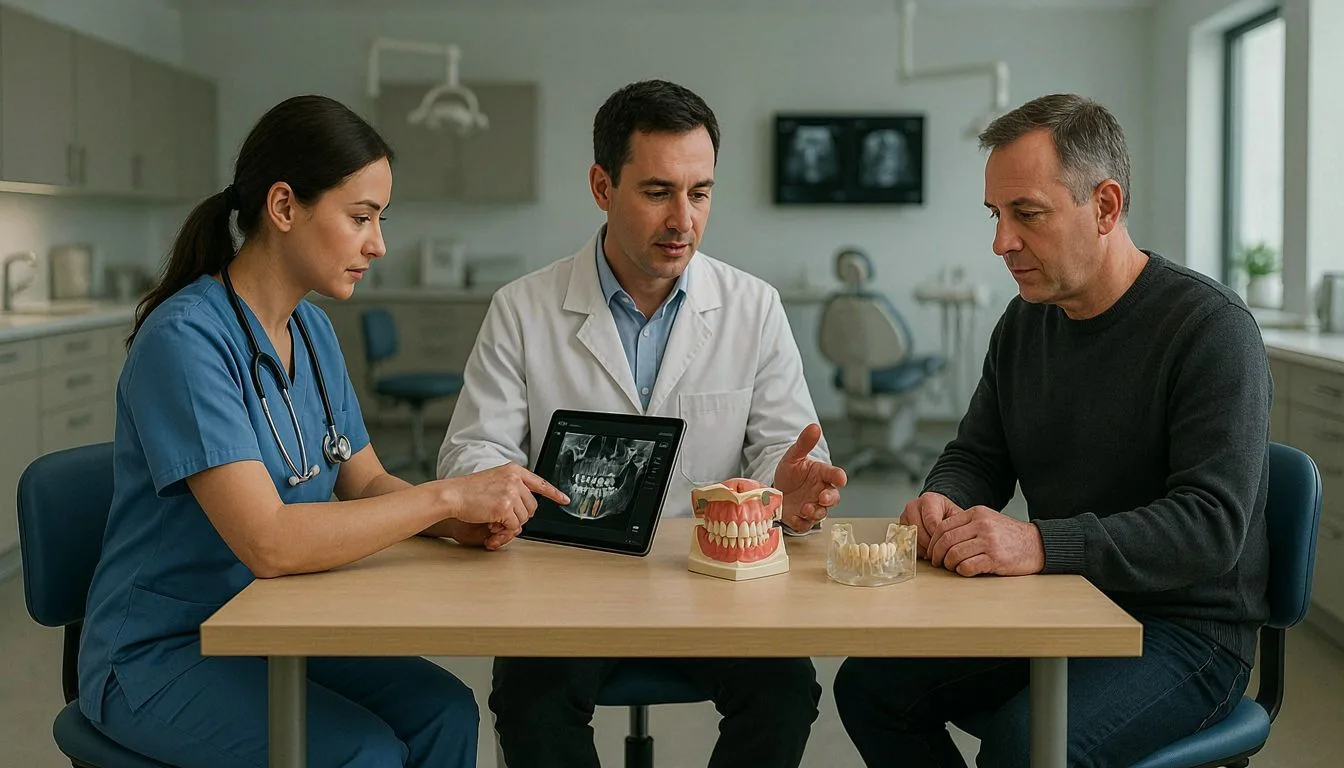
Dental imaging provides a more detailed view beneath the gum. Standard X-rays can show general bone height and nearby teeth, while three-dimensional cone beam computed tomography (CBCT) may reveal the ridge’s width, shape, and internal anatomy. This scan can also help identify the position of the inferior alveolar nerve, sinus cavities, and other structures that must be protected during planning.
Rather than relying on a single density reading, dentists interpret the images together with the available bone volume and the planned implant’s size and position. The key planning tool is CBCT imaging, which helps the clinician determine whether the site appears suitable for straightforward placement, needs further preparation, or presents anatomical limitations. These findings guide the treatment sequence and help reduce avoidable surgical risks.
In some cases, the surgeon may assess the bone’s firmness during implant placement, but that information is obtained during treatment rather than from the initial examination alone. A complete evaluation therefore combines examination, imaging, and individualized planning instead of using bone density as an isolated measurement.
Treatment Options for Insufficient Bone Volume
When the jaw cannot provide enough support for an implant, the treatment plan depends on the location, extent, and pattern of the missing bone. A limited defect may require a relatively focused procedure, while more extensive loss can call for staged treatment before implant placement. The goal is to create a stable foundation without compromising nearby teeth, nerves, or sinus structures.
Bone augmentation is the main approach for rebuilding deficient support. Depending on the defect, a dentist or oral surgeon may recommend bone grafting, ridge augmentation, or a sinus lift in the upper back jaw. Graft material may come from the patient, a tissue bank, or a synthetic source. After healing, the regenerated area can sometimes provide sufficient width or height for an implant.
In selected cases, an implant may be placed using an alternative position or design that makes better use of the bone already present. This can include shorter implants, angled placement, or other specialized techniques. These options are not suitable for every patient and must be matched to the available anatomy, the planned restoration, and the forces it will experience.
Some patients may need treatment in stages, with healing time between augmentation and implant placement. Others may be candidates for implant placement at the same appointment as a minor graft. The appropriate pathway is determined by the clinical examination and three-dimensional imaging, along with general health, oral hygiene, and the condition of the proposed implant site.
Implant Recovery and Long-Term Stability
Recovery begins with protecting the implant while the surrounding bone heals and forms a stable connection with its surface. During this integration period, following the dentist’s instructions about oral hygiene, diet, and activity can help limit irritation and protect the surgical site. Healing time varies according to the treatment performed, the implant’s location, and the patient’s overall health.
Once integration is complete, the final restoration distributes chewing forces through the implant and supporting bone. Long-term stability depends on keeping that relationship healthy. Daily brushing, cleaning between teeth, and routine professional care help control plaque around the implant and reduce the risk of inflammation that can lead to bone loss.
Peri-implant health is especially important for preserving support over time. Smoking, uncontrolled diabetes, poor hygiene, and a history of gum disease may increase complications, so addressing these risks and attending recommended reviews allows problems to be identified early. Regular examinations also give the dental team an opportunity to monitor the restoration, surrounding tissues, and bone response, helping maintain comfortable function for many years.
FAQs
How does bone density affect eligibility for dental implants?
Adequate bone density provides the stable foundation needed for dental implants to bond securely with the jaw. Low density does not automatically rule out treatment, but it may require bone grafting, sinus lifting, or other procedures before implant placement. Your dentist can assess bone volume and quality with imaging and recommend the safest approach.
Can low bone density be improved before implant placement?
Yes. Your dentist may recommend improving bone density through treatment of underlying conditions, adequate calcium and vitamin D, smoking cessation, and other health measures, although these steps may not fully rebuild bone at the implant site. If the jawbone remains insufficient, bone grafting or alternative implant solutions may be needed before placement.
What are the treatment options if there is insufficient bone for dental implants?
If bone density or volume is insufficient, a dentist may recommend bone grafting, sinus lifting, or guided bone regeneration before placing implants. In selected cases, shorter or specially designed implants may be suitable, depending on the available bone and the patient’s oral health. A 3D scan helps determine the safest and most predictable treatment plan.