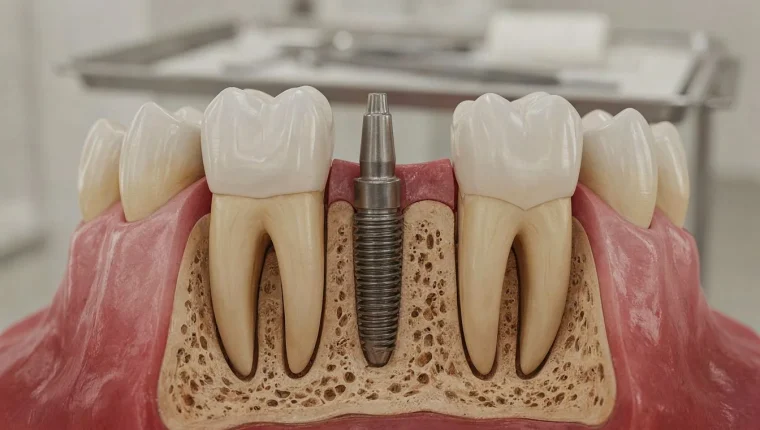
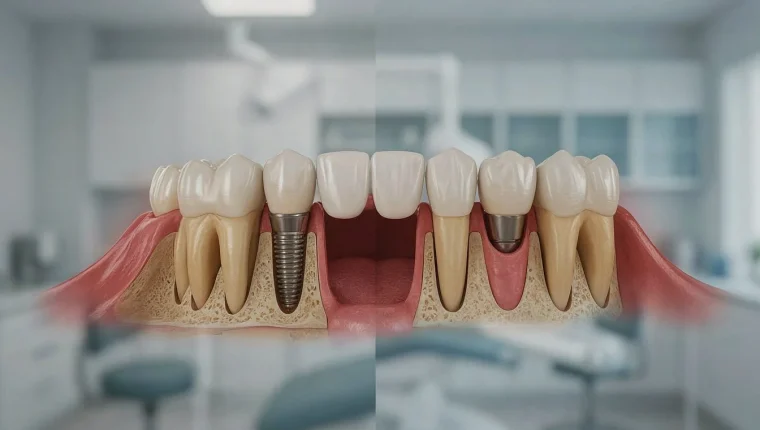
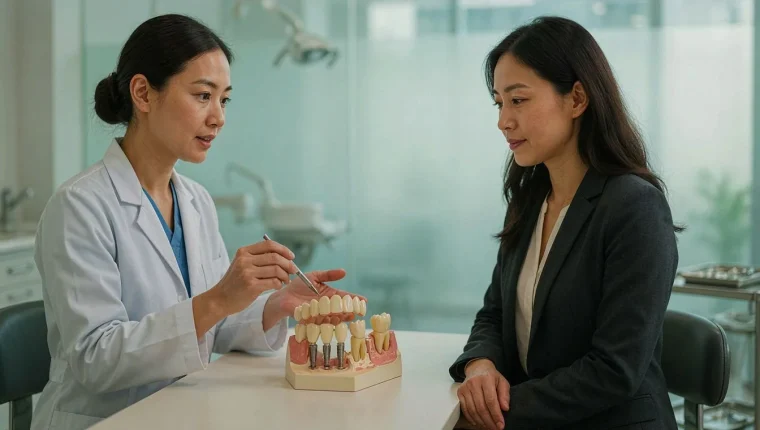
Swollen gums after implant surgery are often a normal response to tissue injury, but severity, timing, and accompanying symptoms determine whether recovery is progressing as expected. Mild tenderness and fullness can make eating, brushing, or speaking uncomfortable during the early healing period. Monitor how the swelling changes instead of judging it by appearance alone. Swelling that gradually settles is generally less concerning than swelling that keeps increasing, returns after improving, or develops with worsening pain, fever, pus, or a bad taste. Your dentist’s instructions, the complexity of the procedure, and your general health also affect healing. Gentle care can reduce irritation, but seek professional advice promptly if symptoms seem unusual or do not improve. Understanding these patterns helps you protect the surgical area and make a safe decision about follow-up.
When Gum Swelling After Dental Implants Is Normal
Swelling is a natural response to the small surgical injury created when an implant is placed. The surrounding gum and connective tissues receive increased blood flow and immune activity, which can make the area look fuller, feel tight, or seem slightly raised around the implant site. This does not automatically indicate that the implant is failing.
In uncomplicated healing, the swelling is usually localized to the treated area rather than spreading widely through the mouth. Mild tenderness, sensitivity when chewing, and a feeling of pressure can occur alongside it, especially near the incision or any area where stitches were placed. The gum may also appear redder than usual at the surgical margins. These changes are generally more reassuring when discomfort remains manageable and the overall pattern is stable or gradually improving.
Localized, mild inflammation is the key feature of routine postoperative swelling. A patient may notice that the tissue looks more prominent on one side or feels firmer to the touch than nearby gum. Appearance alone is not enough to judge healing, so compare the area with its earlier condition and consider how severity, timing, and accompanying symptoms are changing. Follow the specific aftercare instructions provided by the implant dentist, since the procedure and the condition of the surrounding bone and gum can affect what is expected.
How Long Implant-Related Swelling Usually Lasts
Swelling after implant placement often follows a predictable pattern rather than disappearing immediately. It may become more noticeable during the first two to three days, when the body’s inflammatory response is strongest. Mild tenderness, tightness, or puffiness can occur during this early phase, particularly around the surgical site.
After this initial peak, the swelling should generally begin to settle gradually. Many people notice clear improvement within several days, although some residual fullness or sensitivity may remain for about a week. The exact pace depends on factors such as the extent of surgery, whether bone grafting was performed, the number of implants placed, and individual healing characteristics.
The most useful measure is the direction of change. Progressive improvement is usually reassuring, even when the area has not returned completely to normal. Swelling that stays unchanged for too long, starts increasing after it had begun to improve, or continues with increasingly severe pain should not be interpreted as routine healing. In those situations, the overall symptom pattern matters more than a fixed number of days, and the implant dentist may need to assess the site.
Warning Signs of Infection or Implant Complications
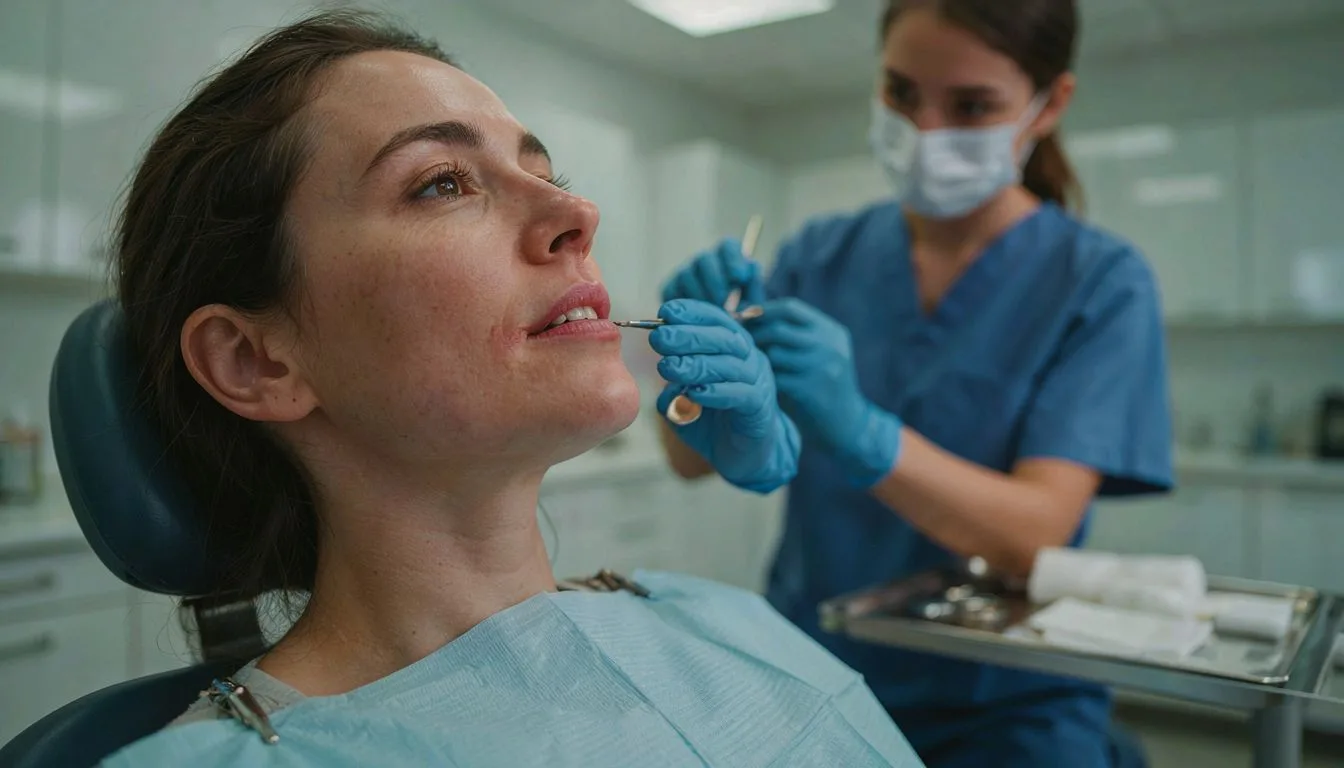
A change in the recovery pattern is more concerning than swelling alone. Expected postoperative inflammation should gradually settle; swelling that begins to worsen after initial improvement, spreads beyond the implant area, or develops alongside new symptoms deserves professional assessment. These changes do not confirm a complication, but they should not be dismissed as routine healing. Paying attention to how symptoms develop over time can help distinguish normal recovery from a problem that requires prompt evaluation.
- Increasing pain or swelling: Pain that becomes stronger rather than easing, particularly with throbbing discomfort or expanding facial swelling, may indicate a problem requiring examination.
- Pus, persistent bleeding, or foul taste: Drainage around the implant, a bad taste, or an unpleasant odor can signal infection, especially when combined with tenderness or redness.
- Fever or feeling unwell: Fever, chills, unusual fatigue, or swollen lymph nodes suggest that the inflammation may be affecting more than the immediate surgical site.
- Difficulty opening the mouth, swallowing, or breathing: These symptoms require urgent medical attention because swelling may be extending into nearby tissues.
- New movement or altered bite: An implant, temporary restoration, or surrounding tooth that feels loose or suddenly changes the way the teeth meet should be evaluated promptly.
Implant mobility is not considered a normal part of healing. Avoid pressing, twisting, or repeatedly checking the area, since manipulation can further irritate the tissues. Contact the implant dentist if symptoms intensify, fail to follow the expected improvement pattern, or appear together rather than waiting for them to resolve on their own. Prompt professional assessment can help identify infection or implant-related complications early and determine whether treatment is needed.
Safe Ways to Reduce Swelling and Discomfort
Comfort measures should protect the healing tissues rather than place pressure on them. The safest approach is to follow the implant dentist’s postoperative instructions closely, since the procedure, grafting needs, and prescribed medicines can differ between patients. Gentle care is usually more helpful than trying to remove swelling quickly. During recovery, focus on reducing irritation, supporting normal healing, and avoiding actions that could place unnecessary pressure on the implant site or surrounding gums.
- Use cold therapy: Apply a covered cold pack to the outside of the cheek for short intervals during the early recovery period. Do not place ice directly on the skin or surgical area.
- Choose soft, cool foods: Select foods that require little chewing and keep them away from the implant site when possible. Avoid very hot, hard, sticky, spicy, or sharp foods that may irritate the gums.
- Keep the mouth clean as directed: Follow the dentist’s instructions about brushing, rinsing, and protecting the surgical site. Do not scrub the incision or disturb any dressing, sutures, or healing material.
- Limit strenuous activity: Rest and avoid heavy exercise, bending, smoking, and alcohol if advised, because these may increase irritation or interfere with healing.
- Take medication carefully: Use prescribed or recommended pain relief exactly as directed. Confirm with the implant dentist before taking any medicine that could conflict with your health conditions or other treatments.
Sleep with your head slightly elevated if that feels comfortable, and avoid repeatedly touching or checking the area with your tongue or fingers. If a measure increases bleeding, pressure, or pain, stop it and contact the implant dentist for individualized guidance. Swelling and discomfort can vary according to the procedure and each patient’s healing response, so continued communication with the dental team is important when symptoms seem unusual, worsen, or do not begin to improve as expected.
When to Contact Your Implant Dentist
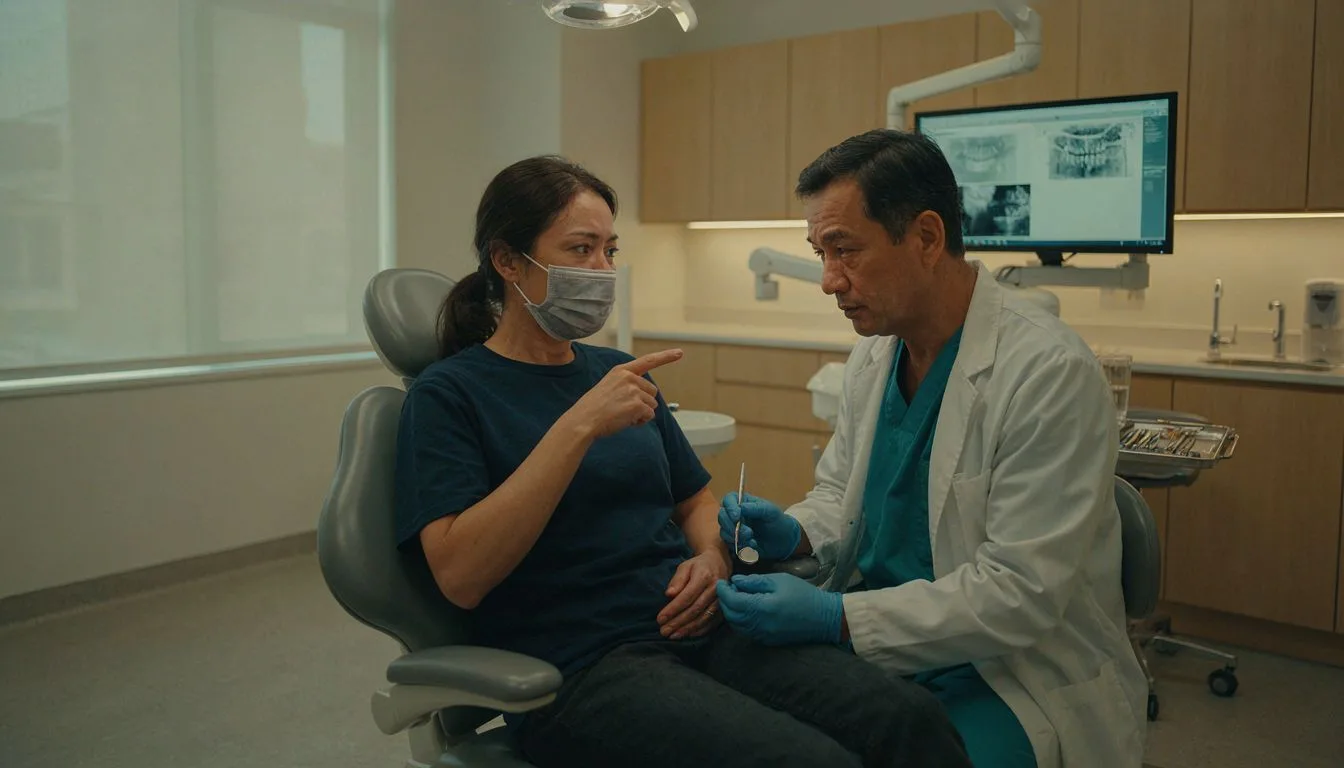
Contact your implant dentist if swelling is not gradually improving, returns after settling, or becomes noticeably worse. A prompt review is also appropriate if pain increases, the area develops drainage or a persistent unpleasant taste, or you feel feverish or generally unwell.
Do not wait for a routine appointment if swelling makes it difficult to open your mouth, swallow, or breathe. New movement around the implant or a sudden change in how your teeth fit together also deserves prompt assessment, because these changes are not typical of uncomplicated healing.
When contacting the dental team, report when the swelling began, whether it is changing, the location, pain level, temperature, drainage, bleeding, medication use, and any change in your bite or implant stability. This information helps determine how quickly you should be examined.
FAQs
How long does gum swelling after dental implants usually last?
Gum swelling usually peaks within the first 48–72 hours after implant surgery and gradually improves over the following week. Mild tenderness or residual swelling may last up to two weeks, especially after more extensive procedures such as bone grafting. Contact your dentist if swelling worsens after several days or occurs with severe pain, fever, pus, or difficulty swallowing.
What can I do to reduce swelling after implant surgery?
Apply a cold pack to the outside of your cheek for short intervals during the first 24–48 hours, keep your head elevated, and follow your dentist’s instructions for prescribed medication and oral hygiene. Avoid smoking, alcohol, strenuous activity, and very hot foods or drinks while the swelling settles. Contact your dentist if swelling worsens after a few days or occurs with severe pain, fever, or difficulty swallowing or breathing.
When does swelling around a dental implant require professional attention?
Swelling that worsens after the first few days, persists beyond one week, or occurs with severe pain, pus, fever, bad taste, or a loose implant requires prompt professional attention. Contact your dentist or oral surgeon immediately if swelling affects breathing or swallowing, as this may indicate a serious infection.