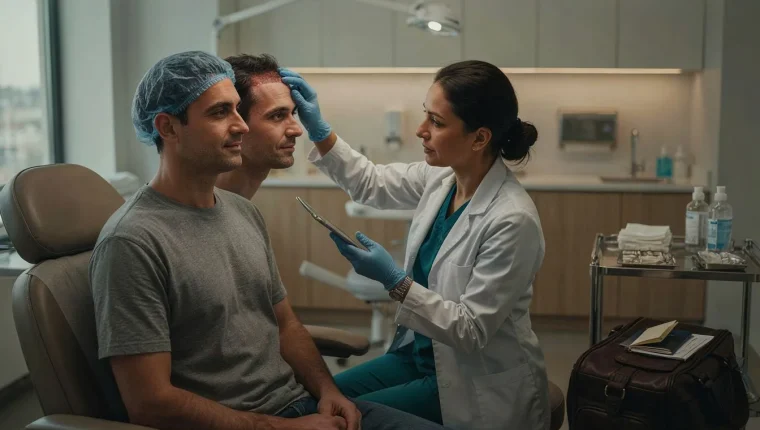
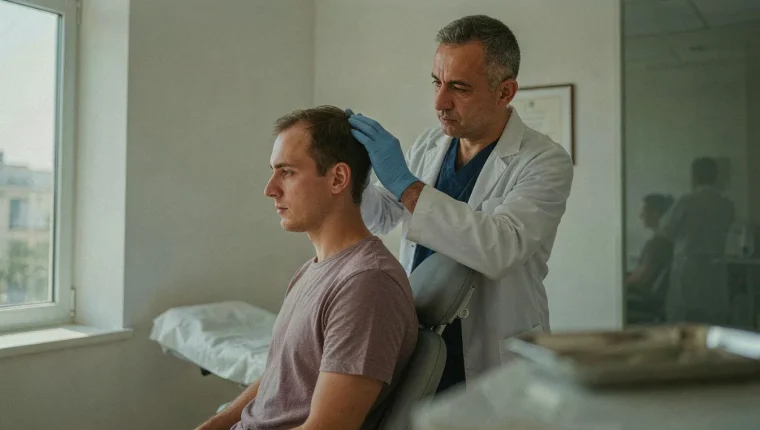
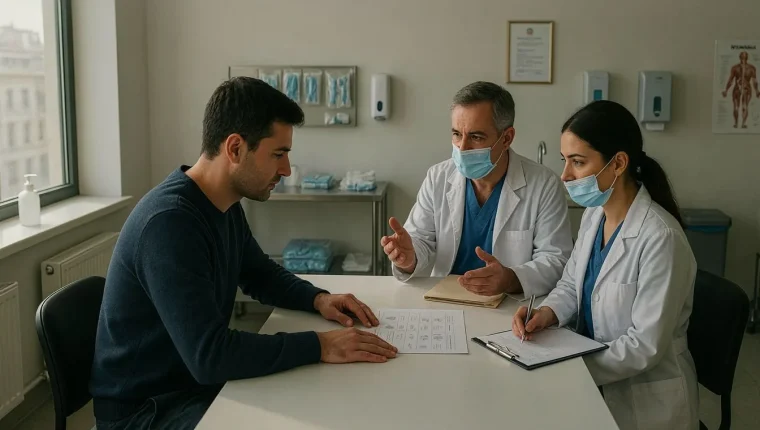
Deciding when to leave Turkey after a hair transplant is part of the recovery plan, not just a travel choice. You need enough time for the initial healing phase, the clinic’s post-operative assessment, and any early care that may be easier to complete under professional supervision. Leaving too soon can make managing swelling, scalp sensitivity, or questions about graft care harder while you travel.
The right length of stay depends on several practical factors, including the procedure performed, your individual healing response, the clinic’s follow-up schedule, and the conditions of your journey home. Most patients should plan their departure around medical clearance rather than a fixed holiday itinerary. Travel arrangements also matter: a long flight, airport transfers, and limited access to your clinic can make the first days after surgery more demanding.
Before booking your return flight, confirm when the clinic expects to review you, what signs indicate that travel is appropriate, and how your aftercare will continue once you leave Turkey. A clear plan for washing, medication, sleeping position, and remote communication with the medical team helps protect the grafts during the transition home.
Why the Length of Stay Matters After a Hair Transplant
The length of your stay after a hair transplant is part of the treatment plan, not simply a holiday or flight-booking decision. Remaining near the clinic gives the medical team access to you while the grafts are most vulnerable and allows any early concerns to be assessed without the complications of international travel.
Local access is particularly valuable if you need help with washing, dressing, medication instructions, or managing swelling. Your surgeon can also examine the recipient and donor areas before you leave and confirm that your recovery is progressing as expected. This does not eliminate every risk, but it means questions can be addressed promptly rather than handled remotely from another country.
Your ideal departure date therefore depends on more than the procedure itself. It should reflect your healing progress, the clinic’s planned review, your ability to follow aftercare instructions independently, and the practical demands of your journey home. A short stay may be reasonable for some patients, while others may benefit from additional time in Turkey because of their procedure, medical history, or travel arrangements.
Clinic access during early recovery is especially important when flights, long transfers, or limited support at home could make aftercare difficult. Before booking a fixed return date, discuss the expected follow-up schedule and travel criteria with your surgeon so your itinerary allows room for safe clinical decisions.
How Many Days Should You Stay in Turkey After Surgery?
For most patients, planning to remain in Turkey for around 7 to 10 days after a hair transplant provides a practical recovery window. The procedure day itself should not be counted as a full day of recovery, particularly if the surgery is lengthy or you feel tired afterward. Your clinic may arrange an initial washing session, dressing review, or other early aftercare before you leave, so your accommodation and return ticket should allow enough flexibility for these appointments.
The exact duration depends on the clinic’s protocol and the type of procedure performed. A straightforward transplant with an uncomplicated recovery may require less time, while a larger session, combined techniques, or additional treatment can make a longer stay more sensible. Your surgeon should give you a proposed schedule before treatment, including when you are expected to return for assessment and when routine aftercare can be managed independently.
Your personal recovery also matters. Swelling, tenderness, fatigue, or difficulty sleeping may make an immediate return home uncomfortable even when no complication is present. Patients travelling long distances, arranging connecting flights, or planning to resume physically demanding work should consider adding extra time rather than organising the tightest possible itinerary. It is also wise to leave room for a change in plans if the clinic wants to review you again before departure.
Accommodation should be close enough to the clinic for convenient access during the first days, with a calm environment and suitable transport. Avoid treating the shortest advertised package as a universal medical timetable. The safest estimate is the one based on your surgeon’s aftercare plan, your expected review schedule, and how easily you can obtain help if recovery does not progress as expected.
What Happens During the Early Recovery Period?
The first hours after a hair transplant are usually focused on protecting the newly implanted grafts and monitoring how your scalp responds to the procedure. You may have a dressing or light covering, and the clinic may give specific instructions about sleeping with your head elevated, avoiding pressure on the recipient area, and taking prescribed medication. Mild tightness, tenderness, redness, and small amounts of swelling can occur during this stage.
During the next few days, swelling may become more noticeable before it gradually settles. It can sometimes extend toward the forehead or around the eyes, while the scalp may feel numb, sensitive, or itchy. Small crusts can also form around the grafts. These changes are commonly part of early healing, but they still require careful handling. Washing, spraying, or touching the scalp should follow the clinic’s exact instructions rather than a general routine.
This is where graft protection is especially important. You may need to avoid scratching, rubbing, tight headwear, strenuous exercise, heavy lifting, swimming, and direct sun exposure. The clinic may also arrange an early review, provide a gentle washing demonstration, or adjust instructions according to the appearance of your scalp. Staying nearby makes these practical steps easier and allows problems to be assessed without the added complication of international travel.
Normal recovery should not be confused with symptoms that need prompt clinical contact. Increasing pain, spreading redness, significant bleeding, pus-like drainage, fever, or rapidly worsening swelling should be reported to the treating clinic. Even when recovery appears uncomplicated, keep communication open and follow the team’s instructions closely. Your local stay should give the clinic enough opportunity to guide early scalp care and respond if your symptoms change.
When Should You Attend Your Post-Operative Checkup?
The post-operative checkup is an important clinical milestone because it allows the team to assess how the transplant is progressing before you leave Turkey. Clinics commonly arrange this review within the first few days after surgery, although the exact timing depends on the technique used, the number of grafts placed, and your individual recovery.
During the appointment, the clinician examines the recipient area to check graft placement, early swelling, redness, crusting, and any signs that require additional care. The donor area is also reviewed for its healing pattern and for irritation caused by dressings, washing, or normal contact. This examination gives the clinic an opportunity to confirm that the early recovery is developing as expected rather than relying only on how the scalp feels.
The review also provides a chance to refine your aftercare instructions. The team may demonstrate how to wash the scalp, explain how to protect the grafts, and clarify which activities or products should still be avoided. If healing is slower than expected or a concern is identified, the clinic may recommend remaining nearby for further observation or arranging another in-person assessment before departure.
For that reason, schedule the checkup before making fixed travel arrangements. Its findings can help the clinic decide whether your recovery is suitable for the next stage of care and whether you need any additional local support. Your surgeon’s assessment should take priority over a standard timetable, especially if you develop increasing pain, spreading redness, unusual drainage, or other symptoms that were not part of your expected recovery.
Can You Fly Home Safely After a Hair Transplant?

Flying home after a hair transplant is often possible, but the safest timing depends on whether the early healing process is stable enough for travel. A flight should not be treated as an automatic next-day activity. Before departure, the scalp needs to be protected, and you should be able to manage basic travel demands without putting unnecessary pressure on the treated area.
Airport travel can involve walking, security checks, waiting in crowded areas, carrying luggage, and sitting for several hours. These conditions may cause discomfort, particularly if the scalp is still sensitive or swollen. Keep your journey as uncomplicated as possible, avoid lifting heavy bags, and follow the clinic’s instructions about headwear, washing, and positioning during the flight. A loose, approved covering may be suitable for some patients, but you should not place anything on the grafts unless the clinic has confirmed that it is safe.
The main consideration is travel readiness, not simply the number of hours since surgery. If you have increasing pain, significant bleeding, worsening swelling, fever, or fluid discharge, contact the treating clinic before going to the airport. These symptoms may require assessment and should not be dismissed as normal travel discomfort.
Even when flying is medically acceptable, arranging assistance at the airport and a comfortable transfer on arrival can make the journey safer and less stressful. If your surgeon has given you an individualized restriction or has not cleared you to travel, follow that advice rather than relying on a general timetable.
What Follow-Up Care Is Needed After Leaving Turkey?

Once you return home, recovery should continue according to the clinic’s written aftercare plan. This may include instructions for washing the scalp, using prescribed products or medication, protecting the grafts, and gradually returning to normal activities. Follow these directions carefully rather than changing the routine based on advice from friends or online sources.
Your daily responsibilities are equally important. Avoid unnecessary rubbing, pressure, scratching, or activities that could interfere with healing, and contact the clinic if you are unsure whether a particular activity is appropriate. Keeping photographs and a brief record of symptoms can also help the medical team assess your progress during remote follow-up.
Before leaving Turkey, confirm how the clinic will communicate with you after departure. A reliable contact method, clear instructions about scheduled reviews, and information about who to reach outside office hours can make follow-up more practical. Remote communication cannot replace an examination in every situation, but it can help the clinic identify whether a concern appears routine or needs further assessment.
If symptoms worsen or something feels unexpected, seek local medical assessment rather than relying only on messages or photographs. A doctor near your home can examine you directly, while the transplant clinic can remain involved by reviewing the findings and advising on next steps. This combination is particularly useful when returning to Turkey is difficult or unnecessary.
FAQs
How long should I stay in Turkey after a hair transplant?
Most patients should plan to stay in Turkey for around 5–7 days after a hair transplant. This usually allows time for the procedure, an initial wash, follow-up checks, and guidance on caring for the transplanted area before flying home. Your clinic may recommend a longer stay if you have extensive treatment or need additional medical reviews.
Can I fly home immediately after my hair transplant in Turkey?
Most patients should wait at least 24–48 hours before flying home after a hair transplant in Turkey, allowing time for the clinic to check the grafts and provide aftercare instructions. Your surgeon may recommend staying longer if you have significant swelling, bleeding, or other concerns. Avoid strenuous activity, follow the clinic’s travel instructions, and protect the newly implanted grafts during the journey.
What factors affect how long to stay in Turkey for a hair transplant?
Your stay depends on the procedure type, the clinic’s follow-up schedule, and how quickly your scalp heals. Most patients remain in Turkey for around 3–5 days, allowing time for the transplant, the first wash, and a medical check before flying home. Larger procedures, additional treatments, or concerns about healing may require a longer stay.