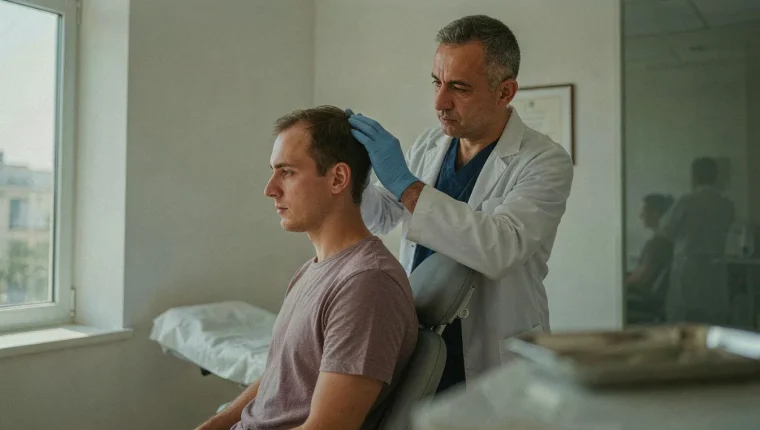
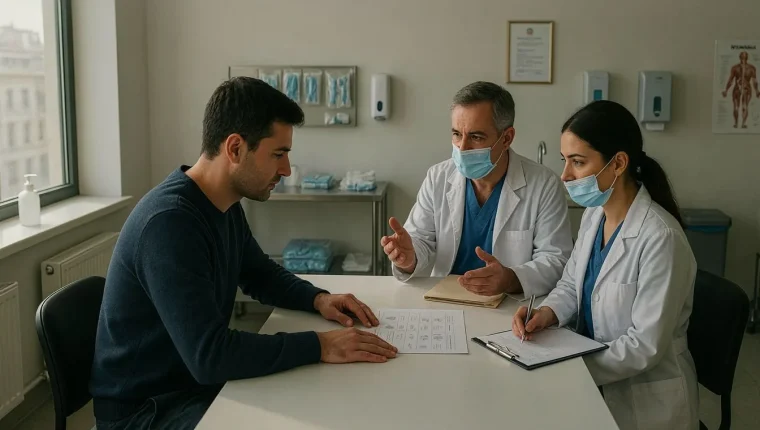
Flying from Turkey to the USA after a hair transplant requires planning. The flight’s timing, scalp condition, and clinic instructions affect your comfort and safety during the journey. Early recovery involves newly implanted grafts that need protection from pressure, friction, accidental contact, and poor handling. A long-haul trip also requires planning for airport movement, medication access, hydration, and what to do if swelling or discomfort develops during travel. Before leaving Turkey, you should have clear aftercare instructions, the necessary documents, and a realistic plan for follow-up once you arrive in the USA. No single schedule suits every patient because the procedure, healing response, and clinic protocol can differ. Careful preparation helps reduce avoidable problems and makes flying after a hair transplant from Turkey to the USA more manageable while your scalp continues to heal.
When Is It Safe to Fly After a Hair Transplant in Turkey?
There is no single universal day when flying becomes safe after a hair transplant in Turkey. Readiness depends on whether the newly placed grafts are secure, how the scalp is healing, and whether you have received clearance from your surgeon. Many patients can travel relatively soon after an uncomplicated procedure, but the earliest reasonable departure should be based on clinical recovery rather than a fixed travel schedule.
The procedure itself can affect this decision. Follicular unit extraction (FUE) usually involves many small recipient and donor-site wounds, while other techniques may create a larger healing area. Before departure, your surgeon should assess whether bleeding has stopped, swelling is controlled, and the scalp shows no signs of infection or unusual inflammation. A clinic review is particularly valuable if your flight is long or you will be travelling without immediate access to the treating team.
Mild tightness, tenderness, redness, and small scabs can be part of normal early healing. However, persistent bleeding, worsening pain, rapidly increasing swelling, pus-like drainage, fever, or significant redness should not be treated as routine travel discomfort. These findings require prompt medical advice and may mean that flying should be postponed until your surgeon confirms that it is appropriate.
Graft stability is the key practical consideration. Avoid touching, rubbing, or placing pressure on the transplanted area, and follow the clinic’s washing, medication, and sleeping instructions exactly. If your surgeon gives a different timeline based on your examination, that personalised guidance should take priority over general travel advice.
How Long Should You Stay in Turkey Before Flying to the USA?
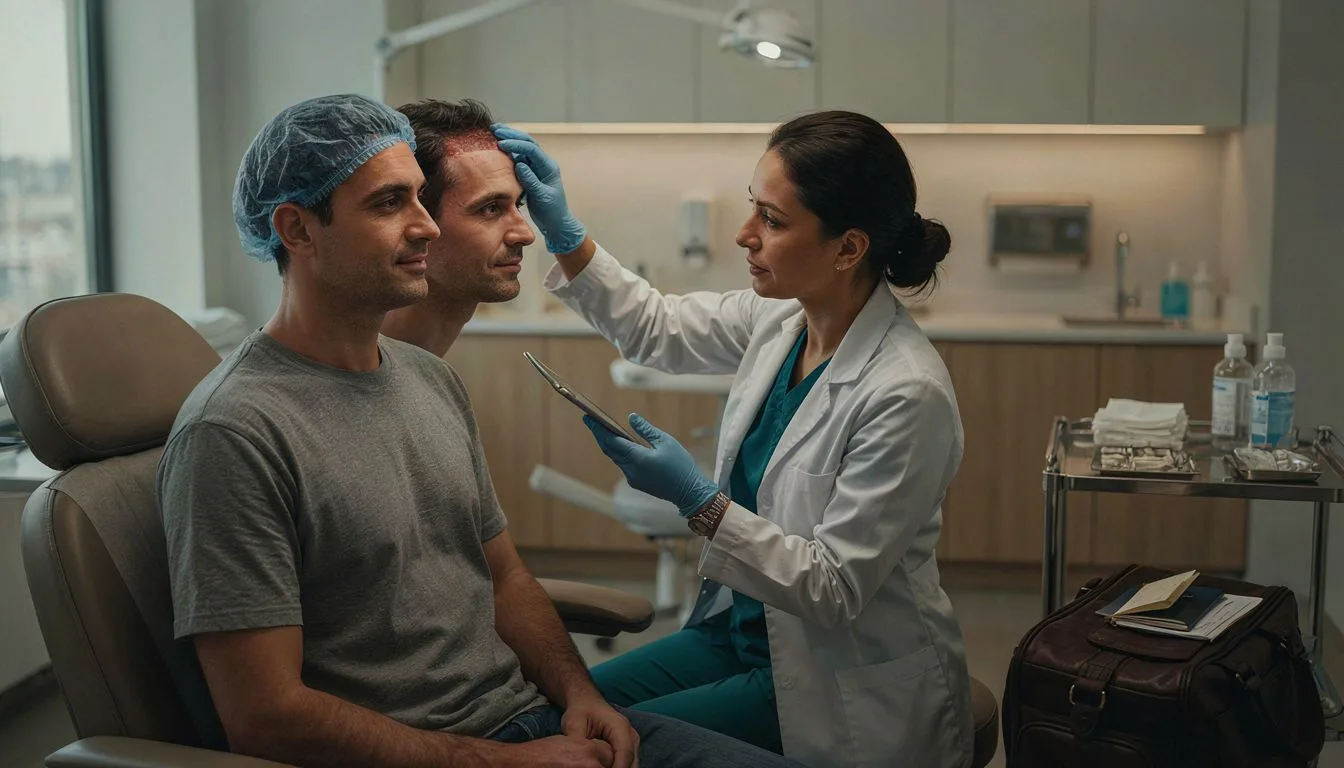
Planning your return flight should begin with the clinic’s follow-up schedule rather than with a fixed number of days. Many clinics arrange an early review after the procedure to check the scalp, confirm that the grafts are progressing as expected, and provide washing or aftercare instructions. Booking your departure after this appointment gives you an opportunity to address practical concerns before a long journey.
A short stay in Turkey can work when recovery is uncomplicated and the clinic can review you before departure. However, it leaves less flexibility if swelling, irritation, or slower healing changes your plans. A longer stay creates more room for observation and allows you to return to the clinic if you need clarification or an adjustment to your care routine. This does not mean that everyone needs an extended stay; the appropriate interval depends on the procedure, your recovery, and the surgeon’s recommendations.
When choosing a flight date, consider your visible recovery as well as the planned review. You should be able to follow the clinic’s instructions confidently, manage basic travel without unnecessary scalp contact, and know whom to contact if a concern develops after leaving Turkey. Avoid arranging a non-refundable flight immediately after treatment when possible, and check whether your booking can be changed if the clinic advises additional observation.
The safest travel window is therefore a coordinated decision between your surgeon’s review, your recovery progress, and your travel flexibility. Keep the clinic’s written guidance and contact details accessible, and ask directly whether your planned departure date remains suitable after the follow-up examination.
Preparing for Airport Travel After Hair Restoration
Airport preparation begins as soon as the clinic discharges you. The aim is to keep the newly treated scalp clean, protected, and free from unnecessary contact while you move through check-in, security, and crowded terminals. Follow the clinic’s written aftercare plan as the primary reference, because washing, covering, and handling instructions can vary according to the technique used and your individual recovery.
- Request clear discharge guidance: Ask the clinic to confirm how to care for the recipient area before leaving, including when the first wash is permitted and which actions should be avoided.
- Keep essential supplies accessible: Place approved aftercare items, tissues, water, and your clinic’s contact details in your hand luggage rather than checked baggage, so they remain available during airport delays.
- Choose low-contact clothing: Wear a loose, comfortable top that does not need to be pulled tightly over the head. Avoid hats or coverings unless the medical team has specifically approved them.
- Arrange comfortable airport movement: Allow extra time, use assistance with heavy luggage, and avoid carrying bags in a way that could strike or rub the scalp.
- Reduce unnecessary handling: Do not touch, scratch, or adjust the treated area repeatedly while waiting in queues. Keep personal items organized so you are not searching through crowded bags.
Security screening can be managed more easily when your documents and clinic instructions are immediately available. If an officer asks about visible redness, dressings, or post-procedure care, explain briefly that you have recently undergone a medical procedure and follow the clinic’s directions rather than improvising.
Before leaving for the airport, check that you feel well enough for the journey and contact the clinic if a new concern makes travel uncertain. A calm, low-contact routine from discharge to boarding helps prevent avoidable irritation before the longer flight begins.
Managing Swelling, Scabs, and Graft Protection During the Flight
During a long flight, the main priority is to keep the newly implanted area free from pressure, rubbing, and unnecessary contact. Sit with your head in a neutral, comfortable position rather than leaning the recipient area against the headrest. A travel pillow may help support the neck, but it should not press on the grafts or rub across the treated scalp. Keep hoods, hats, and loose clothing away from the implantation zone unless your clinic has specifically approved them.
Mild forehead or facial swelling can appear during the first days after surgery and may become more noticeable while travelling. Keep your head elevated as much as the seat allows, avoid bending forward for extended periods, and follow the clinic’s instructions for sleeping and positioning. Do not place ice directly on the grafts. If cooling is recommended, use only the method and areas approved by your surgical team, since pressure or moisture on the recipient site can interfere with early healing.
Scabs should be left undisturbed. Do not scratch, pick, brush, or attempt to wash them away in the aircraft bathroom. The grafts may look dry or crusted during this stage, but manipulating them can cause irritation and, particularly early in recovery, may threaten their attachment. Keep any approved saline or aftercare supplies accessible, while avoiding repeated spraying or touching unless those actions are part of your clinic’s written instructions.
Graft protection also depends on limiting accidental contact. Be careful when adjusting a seatbelt, retrieving luggage, or standing in a crowded aisle, and ask for help rather than reaching over the scalp or lifting heavy bags. Drink water regularly, limit alcohol if advised by your clinic, and move your legs periodically during the flight to reduce the effects of prolonged sitting. These measures support general comfort without replacing the surgeon’s specific aftercare plan.
If swelling, tenderness, bleeding, or discharge changes during the journey, avoid self-treating or altering the care routine based on guesswork. Check the instructions provided by your clinic and contact its designated medical support channel when guidance is needed. The safest in-flight decisions are those that preserve the grafts and remain consistent with the aftercare plan given for your procedure.
Airline, Medication, and Entry Requirements for Your Journey

Travel rules after a hair transplant are not determined by the clinic alone. Your airline, prescription requirements, and U.S. entry procedures may each impose separate conditions, so verify them before leaving Turkey rather than relying on general advice. The most important principle is to keep your treatment information available while confirming current requirements with the relevant authority. Planning these details in advance can make the journey more predictable and help you respond appropriately if airline staff, border officials, or healthcare professionals ask about your treatment, medication, or travel documents.
- Airline policies: Check the carrier’s rules for baggage, medical items, liquids, and any assistance you may need at the airport. Policies can differ between airlines and connecting airports.
- Prescription medication: Carry medicines in their original, clearly labeled packaging and keep them in your hand luggage when permitted. Bring only the amount appropriate for the journey unless your prescribing clinician advises otherwise.
- Treatment records: Ask the clinic for a concise discharge note listing the procedure, prescribed medicines, and relevant instructions. This can help if airport personnel or a healthcare professional asks about your treatment.
- U.S. entry requirements: Confirm your visa or travel authorization, passport validity, customs rules, and any declaration requirements through official U.S. government sources before departure.
These checks should be completed before departure because requirements may vary according to the airline, route, connecting airports, medication, and current U.S. entry procedures. Do not assume that a prescription issued in Turkey can automatically be replaced in the USA. If medication is lost, delayed, or questioned, contact the clinic and a licensed healthcare professional rather than changing the dose yourself. Keeping digital copies of your documents may also help, but carry the original paperwork when available. By keeping your treatment information, prescription details, and travel documents accessible, you can support safer communication throughout the journey and follow the relevant instructions more confidently.
When to Contact Your Surgeon After Arriving in the USA
Before leaving Turkey, arrange a follow-up method with your operating clinic, such as a scheduled video review or a clear way to send photographs. This gives the surgeon an opportunity to assess your progress after you return to the USA and helps you avoid guessing about changes in the transplanted area. If possible, also identify a local physician who can evaluate you if access to the Turkish clinic becomes difficult.
Some redness, mild swelling, tightness, sensitivity, and scabbing can be part of early healing. These symptoms should gradually improve rather than become increasingly severe. Contact your clinic promptly if redness spreads, pain intensifies, swelling continues to worsen, the area feels unusually hot, or you notice pus, a fever, significant bleeding, or sudden deterioration in your condition. These signs may require an in-person assessment rather than remote reassurance.
Prompt medical assessment is especially important when symptoms are rapidly progressing or accompanied by breathing difficulty, facial swelling, fainting, or severe allergic symptoms. In that situation, use emergency services in the USA instead of waiting for a reply from your surgeon. For less urgent concerns, contact the operating clinic first and follow its instructions about local care, medication, and further review.
FAQs
How soon can I fly from Turkey to the USA after a hair transplant?
Most patients can fly from Turkey to the USA 2–3 days after a hair transplant, once their surgeon confirms that travel is safe. Waiting about a week may be more comfortable, especially after extensive procedures, as swelling and scalp sensitivity can peak during the first few days. Follow your clinic’s aftercare instructions and take precautions during the long flight, such as staying hydrated and avoiding pressure or rubbing on the treated area.
Are airport security checks and cabin pressure safe after a hair transplant?
Yes, airport security checks and normal cabin pressure are generally safe after a hair transplant. Security scanners do not damage newly implanted grafts, but avoid touching or rubbing the recipient area during screening. Follow your clinic’s recommended waiting period before flying, especially after extensive surgery, and keep the scalp protected from pressure and friction during the journey.
What should I pack and do during a long flight after a hair transplant in Turkey?
Pack prescribed medications, a loose hat, saline spray if approved by your clinic, water, and easy-to-eat snacks. During the flight from Turkey to the USA, keep your head elevated, avoid touching or rubbing the grafts, stay hydrated, and walk periodically to support circulation. Follow your clinic’s specific instructions, especially regarding washing, medication timing, and headwear.