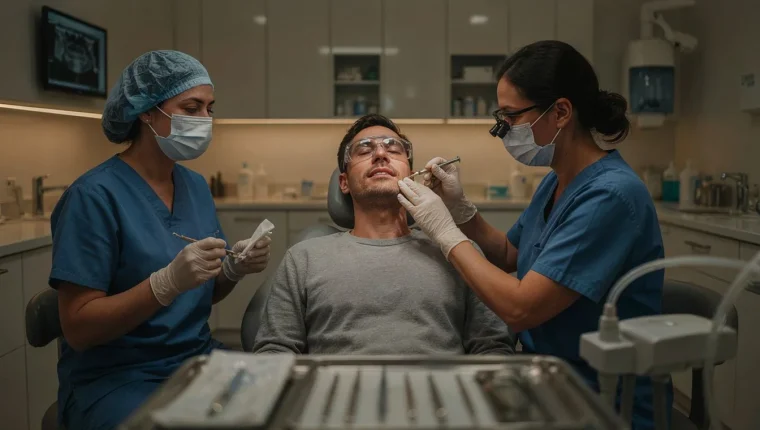
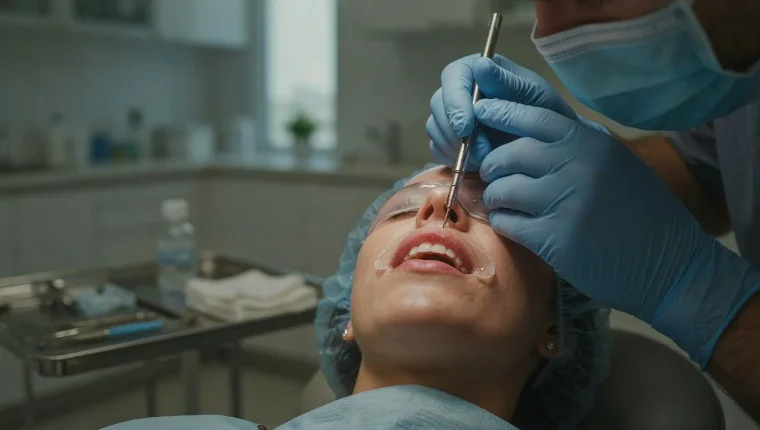
After dental implant placement, some discomfort is expected, but not every symptom should be ignored. Mild pain, swelling, bruising, tenderness, and minor bleeding are common as the gums and surrounding tissues begin to heal. These reactions usually follow a predictable pattern and gradually improve with appropriate aftercare. Understanding what is typical can make recovery less stressful and help you notice changes that need prompt attention. Dental implants side effects may vary depending on the number of implants, the surgical technique, and your overall health. Symptoms that worsen, continue beyond the expected recovery period, or occur with fever, pus, worsening swelling, or implant movement should be assessed by your dentist. Monitoring, following your provider’s instructions, and seeking advice when something feels unusual support safer healing and protect the long-term result.
What Dental Implant Side Effects Are Normal After Surgery?
In the first hours after implant surgery, mild soreness and tenderness around the surgical site are common. The gum may feel sensitive when touched, while nearby teeth or the jaw can feel mildly achy. These reactions are especially understandable when the procedure involved bone grafting, multiple implants, or a longer appointment, although each person’s experience is different.
A small amount of oozing or blood-tinged saliva can also occur soon after surgery. Gentle pressure with gauze, as directed by your dental team, usually helps control it. Swelling around the cheek or gum and light bruising may develop as the tissues respond to treatment. The amount of swelling or discoloration can vary according to the extent of surgery, the implant location, and individual healing.
What matters most is the overall pattern. Mild, manageable discomfort that remains stable or gradually improves generally fits routine early healing. Severe pain, bleeding that does not settle with pressure, rapidly increasing swelling, or symptoms that become noticeably worse should not be assumed to be normal. Contact your dentist promptly if these changes occur, rather than waiting for the next scheduled appointment.
How Long Should Pain, Swelling, and Bruising Last?
Pain and swelling usually follow a predictable pattern after dental implant surgery. Discomfort is often most noticeable once the local anesthetic wears off, while swelling commonly reaches its highest point during the first 48 to 72 hours. Both should then gradually ease as the tissues recover. Mild tenderness may remain for several days, particularly when chewing or brushing near the surgical site.
Bruising is also possible, especially when several implants were placed or the procedure involved more extensive gum or bone work. It may appear a day or two after surgery, change color as it heals, and take up to one or two weeks to fade. Some patients develop little or no visible bruising, so its presence or absence does not by itself indicate how well healing is progressing.
The most useful guide is the symptom trend: expected discomfort should slowly improve rather than intensify after the early peak. Recovery can vary according to the number and location of implants, bone grafting, individual healing, and your dentist’s surgical instructions. Follow the timeline provided for your specific procedure, since it may differ from general recovery estimates.
Which Symptoms May Indicate an Infection or Complication?
After the initial recovery period, symptoms that become more intense instead of gradually settling deserve attention. Worsening pain, increasing swelling, or redness that spreads beyond the surgical area may signal inflammation, infection, or another healing problem. These changes are especially concerning when they appear after symptoms had started to improve.
Other warning signs include pus or drainage around the implant, a persistent foul taste or odor, and fever. The implant area may also feel increasingly tender, or the gum may become unusually swollen and hot. These symptoms cannot confirm an infection by themselves, because healing varies and other issues can cause similar sensations, but they should be assessed by the treating dental professional.
Persistent numbness requires prompt advice, particularly if it affects the lip, tongue, chin, or surrounding tissues longer than expected. Uncontrolled bleeding is also not a routine recovery symptom, especially when firm pressure does not slow it. Contact the dental office for procedure-specific instructions rather than repeatedly disturbing the clot or surgical site.
Breathing or swallowing difficulty is an emergency, particularly if swelling is rapidly increasing or extending toward the face and neck. Seek urgent medical care immediately in that situation. Even without these severe symptoms, a loose-feeling implant, a sudden change in the bite, or pain that cannot be managed with the prescribed plan warrants professional examination rather than continued self-monitoring.
What Can Help Relieve Discomfort During Recovery?

Comfort is often easier to manage when you protect the surgical area and follow the aftercare instructions provided by your dental team. Rest during the first day, avoid strenuous activity, and keep your head slightly elevated when lying down. A cold pack applied to the outside of the cheek for short intervals may help limit discomfort and swelling; place a cloth between the pack and your skin.
Take prescribed medication exactly as directed, or use an over-the-counter pain reliever only if your dentist or physician has confirmed that it is appropriate for you. Do not exceed the recommended amount or combine products containing the same ingredient. Choose soft, cool or lukewarm foods, chew away from the implant site, and drink enough fluids. Avoid very hot, hard, spicy, or sticky foods while the area is tender.
Continue gentle oral hygiene, cleaning the other teeth normally and following your clinician’s instructions around the implant. Do not brush directly over a healing site unless advised. Protecting the blood clot and surgical tissue is essential, so avoid smoking, alcohol, straws, vigorous rinsing, and touching the area with your fingers or tongue. Use only rinses recommended by your dental team.
When Should You Contact Your Dentist?
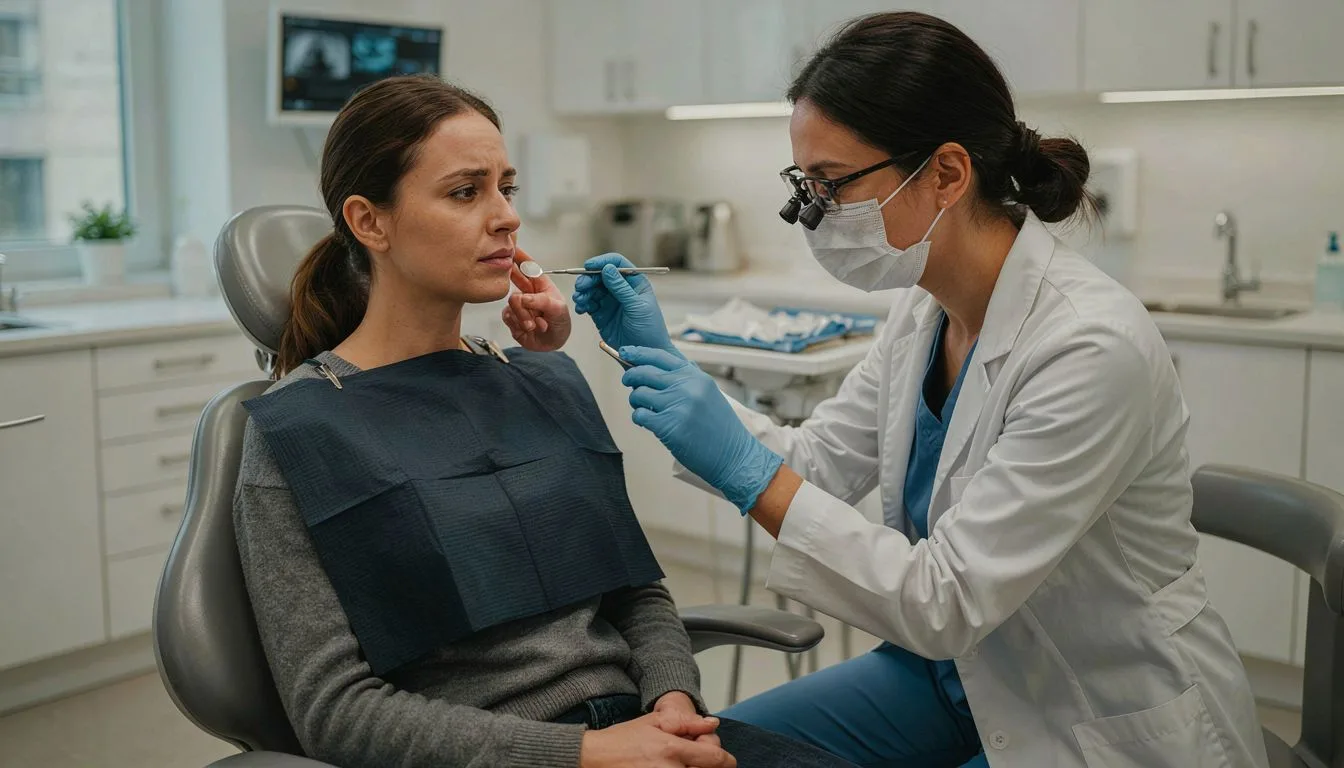
Contact your dentist if recovery stops following the expected pattern or if a symptom is becoming more intense instead of gradually improving. Worsening pain, increasing swelling, a fever, foul-tasting drainage, or redness spreading around the implant site may require same-day assessment. These changes can indicate infection or another complication that is easier to manage when treated promptly.
Call the dental office if bleeding remains difficult to control despite following the pressure instructions, or if swelling makes it hard to swallow, breathe, or open your mouth normally. Persistent numbness, a loose-feeling implant, or difficulty biting should also be reported rather than monitored without guidance. Same-day dental assessment is appropriate for these warning signs; seek emergency care for trouble breathing, severe facial swelling, or uncontrolled bleeding.
If your surgeon gave instructions that differ from general recovery advice, follow those instructions and ask the office when uncertain. A routine call is also worthwhile if pain medicine is not providing enough relief or you are unsure whether a change is normal.
FAQs
What dental implants side effects are normal during the first few days?
Mild pain, swelling, bruising, gum tenderness, and slight bleeding are common during the first few days after dental implant surgery. These effects usually improve gradually with prescribed or recommended pain relief, cold compresses, and careful oral hygiene. Contact your dentist if bleeding persists, swelling worsens after several days, pain becomes severe, or you develop fever or pus.
How can I tell if swelling or pain after implant surgery is a sign of infection?
Mild swelling and pain are common for the first few days after implant surgery and should gradually improve. Infection may be indicated by worsening or persistent pain, increasing swelling, redness, warmth, pus or foul-tasting drainage, fever, or feeling unwell. Contact your implant dentist promptly if these symptoms occur, especially if swelling affects swallowing or breathing, which requires urgent care.
When should I contact my dentist about persistent dental implant side effects?
Contact your dentist if pain, swelling, bleeding, numbness, or difficulty chewing persists beyond the expected healing period or worsens instead of improving. Seek prompt care for fever, pus, a loose implant, severe pain, or swelling that affects swallowing or breathing, as these may indicate infection or another complication.