Dental crowns in Turkey can cost 50–70% less than in the UK, US, or Western Europe, and many clinics deliver genuinely good work. That combination of savings and speed is why the market has grown so fast. It is also why so many patients end up paying for re-treatment at home within a year or two.
The warning signs almost never appear after treatment. They show up before you pay a deposit: a quote that is too low to cover decent materials, before-and-after photos that look borrowed or edited, a coordinator who pushes you to book flights before anyone has examined your teeth, vague answers about which lab makes the crown, no clear sterilization protocol, a schedule that promises eight crowns in three days, and warranty terms that evaporate once you fly home. Each one is easy to miss when you are comparing prices on your phone.
Knowing how to read these signals is the difference between a good outcome and an expensive repair. Dental crowns in Turkey are not inherently risky — unvetted providers are. The points below cover pricing, evidence, communication, materials, hygiene, timelines, and aftercare, so you can judge a clinic on facts rather than on a polished website.
Unusually Low Prices That Signal Compromised Materials
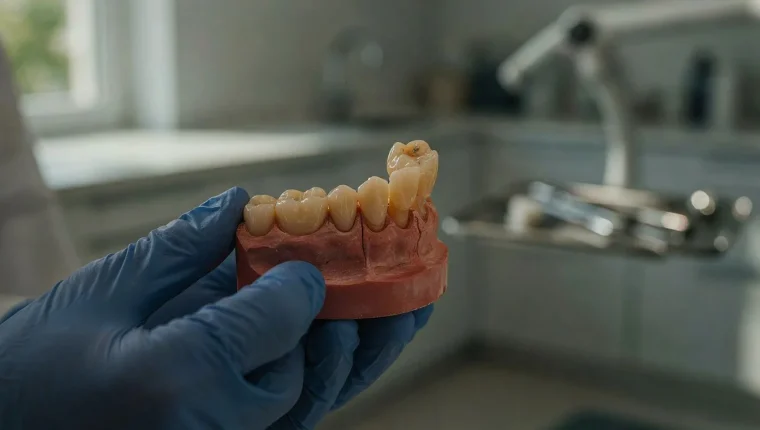
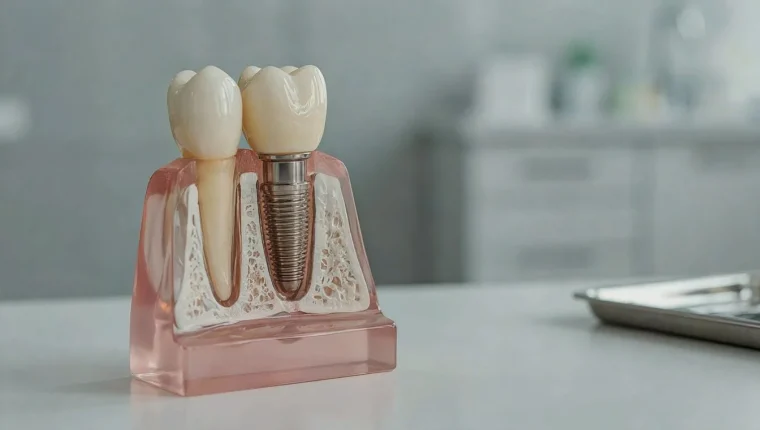
A crown’s price is built from three main cost drivers: the material grade, the quality of the dental lab doing the fabrication, and the dentist’s clinical time. When a quote drops far below the going market rate, something in that chain has almost certainly been cut. The material may be a lower-grade ceramic or a base-metal alloy rather than the zirconia or lithium disilicate you were shown. The lab may be an unregulated workshop using outdated equipment or unverified materials. Or the dentist may be rushing the prep and fitting stages to move more patients through the chair.
This is where a cheap quote stops being a bargain and becomes a compromised material risk. A crown that looks fine on the day can fail within months through chipping, poor marginal fit, or allergic reactions to unknown alloys — and revision work abroad is rarely free.
Rather than comparing headline prices, ask each clinic for an itemized quote. You want to see the crown material named, the lab identified, and the number of appointments specified. If a provider resists breaking down these details, treat the low number as a warning sign, not a deal.
Clinics That Avoid Showing Real Before-and-After Cases
A convincing gallery starts with recognizable clinical work. If the same set of polished smiles appears across multiple clinic websites, or if the images look like purchased stock photography, you are not looking at documented patient cases. Ask whether the clinic can show crown-specific case documentation — close-up intraoral photos of the prepared tooth, the seated crown, and the final bite. General smile makeovers, veneers, or whitening results do not prove competence with crowns.
Consistency matters as much as image quality. Legitimate case sets usually include treatment dates, the crown material used, and a short note on the patient’s situation. When photos have no dates, no context, and no link to the material described in the quote, the evidence is decorative rather than diagnostic. You can also check whether the lighting, angle, and gum condition stay consistent across images; mismatched quality often means images were collected from different sources.
A clinic that refuses to share any cases at all is sending its own message. Even anonymized photos, with the patient’s consent, are standard practice in reputable dentistry. If the response is vague — “we don’t have permission” or “results vary” — treat the absence as information, not as a neutral gap. Before you commit, request two or three crown cases with dates and ask what material was used in each.
Pressure to Decide Before You've Spoken to a Dentist

Urgency is a sales tool, not a clinical one. When a clinic pushes you to pay a deposit, lock in a “today-only” price, or confirm treatment within a countdown window, the goal is to prevent you from asking questions that a dentist would normally answer first. A legitimate provider can hold a quoted price while you take time to review it; a pressure-driven operation cannot, because the offer depends on your not comparing it.
Watch for specific closing tactics: a deposit requested before any examination, a discount that expires in hours, messages that imply limited slots, or claims that your case is “simple” without imaging or a chart review. These are designed to convert you into a patient before a clinician has assessed your teeth, gums, or bite.
There is a clear difference between responsive communication and aggressive closing. A coordinator who answers scheduling and pricing questions promptly is helpful. A coordinator who will not let you speak to a dentist until you commit is not. Before any payment, ask for a consultation with the treating dentist and request written confirmation of the diagnosis, planned materials, and total cost. If the clinic resists either request, treat that resistance as your answer.
Missing or Vague Details About Crown Materials and Labs
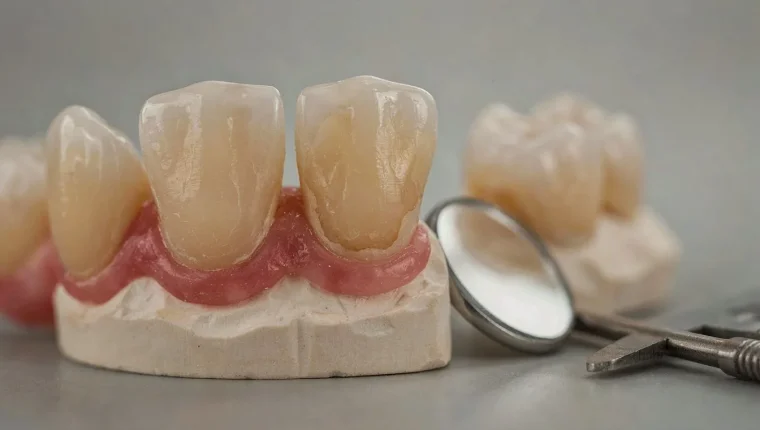
When a clinic can name the material but not the lab behind it, that gap usually means the crown is being sourced from whoever offers the lowest batch price that month. A crown is a two-part product: the material and the technician who shapes it. Ask specifically for the material type (zirconia, lithium disilicate, or metal-ceramic), the brand and origin, and whether the material carries a certification or traceable lot number. Then ask who fabricates it — an in-house lab, a named partner lab, or an unnamed third party.
The distinction matters because lab traceability links every crown to a specific technician, milling machine, and quality check. A clinic that can tell you the lab’s name, location, and whether it holds any certification is demonstrating accountability. A clinic that answers “we use the best materials” or “our lab is very good” without specifics is avoiding the question.
Vague answers are warning signs for three reasons. First, you cannot verify the material’s origin or grade, which affects both durability and biocompatibility. Second, without knowing the lab, you cannot assess whether the crown was milled to your specific impression or pulled from a pre-fabricated stock. Third, if something goes wrong later, a warranty is meaningless if no one can identify who made the restoration.
Material choice directly shapes longevity and fit. A well-fitted zirconia crown from a traceable lab can last 10–15 years, while a poorly characterized material from an unknown source may fail within two. Before agreeing to treatment, ask for the material name, brand, certification, and lab identity in writing. If the clinic refuses to specify, treat that refusal as your answer.
No Clear Sterilization or Infection-Control Protocol
Sterilization is one of those things you cannot verify by looking at a polished waiting room. A clinic can have marble floors and still reuse burs, handpieces, or impression trays without proper reprocessing between patients. The question to ask is not whether they sterilize, but how — and how they document it.
Ask directly: how are instruments sterilized, and how often? A credible answer names the method, typically autoclaving (steam under pressure), and confirms that handpieces and reusable instruments are sterilized between every patient, not just at the end of the day. You should also be able to see the equipment — a visible autoclave, sealed sterilization pouches with color-change indicators, and single-use items opened in front of you. Gloves, needles, suction tips, and bibs should come from fresh packaging at the start of your appointment.
Evasive or dismissive answers are a warning sign. If staff wave off the question, say “don’t worry,” or cannot explain their process in plain terms, treat that as meaningful. Accreditation or inspection records — from a national health authority, an international quality body, or a recognized dental association — can support a clinic’s claims, so it is reasonable to ask whether they hold any and to see them.
Infection control is not a detail you negotiate on price. If the protocol is unclear before treatment begins, that uncertainty will not resolve once you are in the chair.
Unrealistic Timelines That Skip Proper Fitting Stages
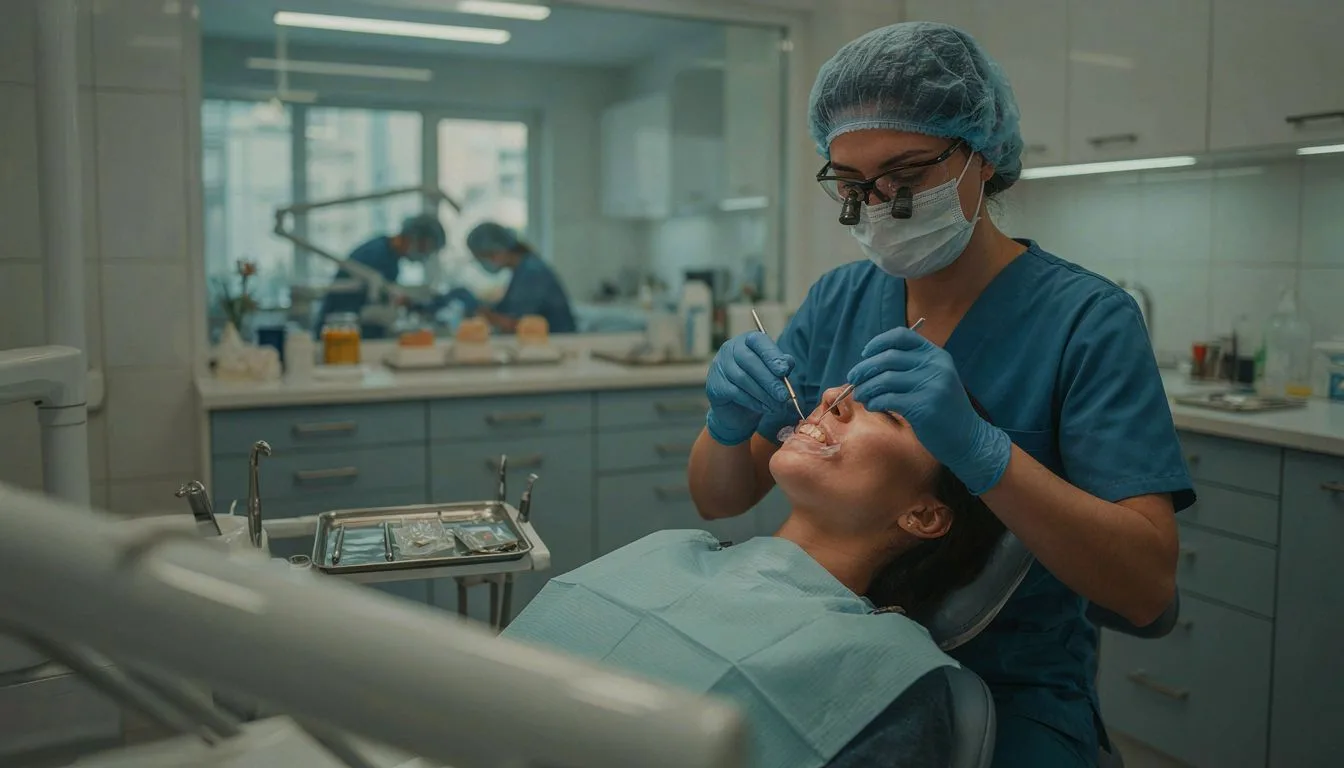
A crown that is made and seated in a single day sounds efficient, but the biology of a tooth does not work on that schedule. Standard crown treatment moves through distinct stages: clinical assessment, tooth preparation, impressions or digital scans, a temporary crown, fabrication in the lab, then fitting and bite adjustment. Each stage exists for a reason, and the fitting phase is where most of the long-term quality is decided.
When a clinic promises same-day or next-day delivery, ask which stages are being compressed. Impressions need to capture the margin precisely; the lab needs time to build the crown to that margin. If the crown is delivered before the gum tissue has settled after preparation, the fit will be measured against a moving target. The result is often a crown that sits slightly high, leaves an open margin, or interferes with the opposing bite.
A rushed timeline frequently skips the bite adjustment step entirely, or reduces it to a quick check that misses contact points on the opposite arch. Patients then notice sensitivity, uneven chewing, or a crown that feels “off” weeks later. Correcting that usually means removing the crown, re-impressing, and starting the fabrication cycle again.
Before you book, ask the clinic a direct question: what happens if the crown does not fit correctly on the day of seating? A clinic that builds in time for adjustment will have a clear answer. One that promises everything in 48 hours may not have planned for that possibility at all.
Red Flags in Aftercare, Warranty, and Revision Policies
A warranty that exists only in a brochure or a WhatsApp message is not a warranty. Before you commit, ask exactly what is covered, for how long, and under what conditions. Does it protect against a crown that fractures, loosens, or causes persistent bite problems, or does it quietly exclude everything except a manufacturing defect nobody can prove? A written warranty with named exclusions tells you more about a clinic than any verbal reassurance ever will.
Then ask who handles revisions once you are back home. If a crown needs adjusting or replacing, will the clinic cover the work, and does that include your travel costs? Many patients discover too late that a “free revision” still means paying for flights, accommodation, and time off work. Get the answer in writing before treatment, not after something goes wrong.
Aftercare instructions and a direct contact channel should also be documented, not improvised at the end of your visit. You need a named person or department you can reach, and clear guidance on what to do if a crown feels wrong weeks later. Vague promises, verbal-only terms, or a clinic that goes quiet once you have paid are warning signs worth taking seriously. Ask for the paperwork first, and treat hesitation as your answer.
FAQs
How can I verify a clinics credentials before booking dental crowns in Turkey?
Check whether the clinic and its dentists are registered with the Turkish Ministry of Health and, for international patients, hold a valid Health Tourism Authorization Certificate, which you can confirm through the ministry's official system. Verify each dentist's diploma and specialty on the Ministry of Health or Turkish Dental Association registry, and look for active membership in recognized bodies such as the Turkish Dental Association. Cross-reference the clinic across Google reviews, Trustpilot, and independent dental tourism forums, and request before-and-after photos, treatment guarantees, and a written quote that specifies crown materials and laboratory details.
What warning signs in a quote for dental crowns in Turkey suggest hidden costs or low-quality materials?
A quote that lists only a single lump-sum price without breaking down the crown material, brand, lab fees, or the dentist's qualifications is a major red flag for hidden costs. Be wary if the provider refuses to name the specific material (such as zirconia, e.max, or porcelain-fused-to-metal) or avoids stating the manufacturer, since vague terms like "high-quality ceramic" often mask cheap, non-certified alternatives. Quotes that exclude essential items such as X-rays, temporary crowns, impressions, or follow-up visits, or that pressure you with unusually short validity periods, typically lead to extra charges later. Finally, an implausibly low price compared to reputable Turkish clinics usually signals cut-rate materials, unlicensed labs, or a dentist who is not a licensed prosthodontist.
Why do some patients report complications after choosing cheap dental crowns in Turkey, and which red flags predict them?
Cheap dental crowns in Turkey often fail because clinics cut costs on materials, lab quality, and chair time, using non-precious base-metal alloys or low-grade zirconia that fracture, wear opposing teeth, or cause allergic reactions, while rushed impressions and poor margins lead to recurrent decay, pulpitis, and crown loss. Red flags that predict these complications include prices far below the local average, no named dentist or prosthodontist, pressure to decide during a single short visit, no CBCT or proper radiographs, unclear lab or material certificates, and requests for full payment upfront with no written warranty or revision policy. A clinic that cannot show you the treating clinician's credentials, the crown's material composition, and a clear aftercare and remake guarantee is the strongest single warning sign.