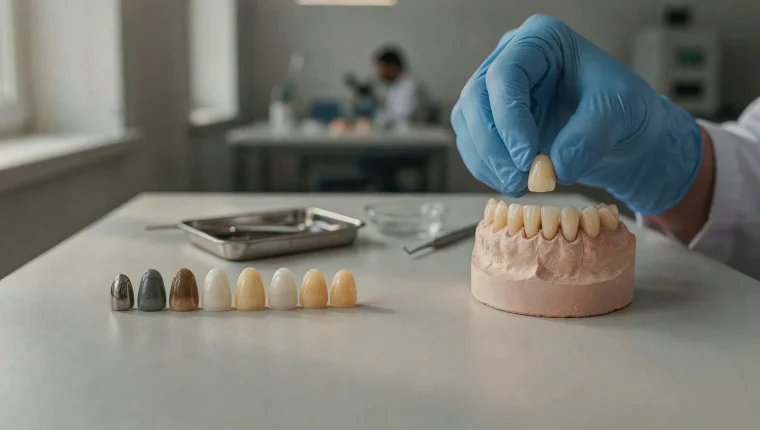
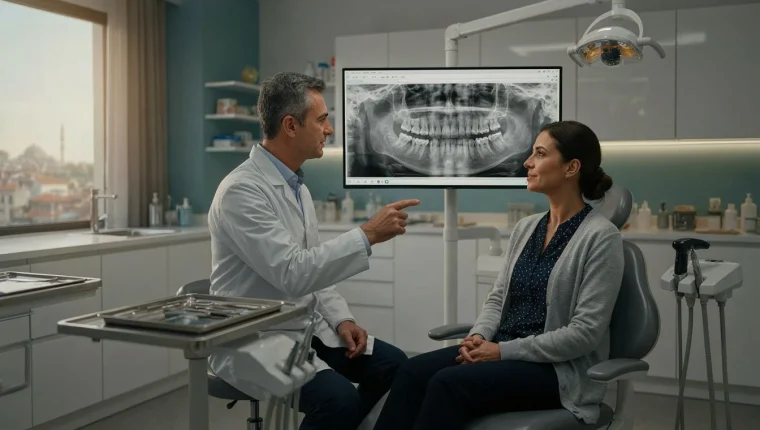
Turkey is among the most searched destinations for dental work, and cheap dental crowns in Turkey are a major part of that demand. A crown that costs $1,200 in the UK or US is often quoted at $150 to $300 in Istanbul or Antalya, flights and hotel included. That gap is why thousands of patients book treatment abroad each year.
But price and clinical quality are two separate questions. A low quote tells you what a clinic charges, not what material sits under the porcelain, who prepared the tooth, or what happens if the crown fails after you fly home.
Understanding the Allure of Low-Cost Dental Crowns in Turkey
Walk through any dental tourism forum and you will notice the same emotional arc repeating itself. A patient in the UK or US receives a quote for a single crown that rivals a month’s rent, then discovers a Turkish clinic advertising the same treatment for a fraction of that figure, hotel and airport transfer included. The gap is not imaginary. Private fees in Western markets carry high overheads: practice rents, regulatory compliance, laboratory markups, and insurance administration. Turkish clinics operate inside a different cost structure, and that structural difference is what makes the price tag feel almost too good to pass up.
Packaging amplifies the pull. When a clinic bundles treatment with accommodation and transfers, the patient stops comparing crown against crown and starts comparing an entire trip against a local invoice. That shift in framing is powerful, and marketing language deliberately blurs the line between affordable and simply cheap. Urgency compounds it. Dental anxiety makes people want the decision finished, and a low price removes the last obstacle to booking. Understanding this psychology matters, because the forces that make Turkey attractive are the same forces that can quiet a patient’s more skeptical instincts.
What Determines the Price of Dental Crowns Abroad

A crown’s price tag is really the sum of several moving parts, and once you can see them, a quote stops looking like a single mysterious number. The biggest variable is material. A full-cast metal crown costs a lab very little, while a layered zirconia or lithium disilicate restoration demands expensive blanks, precise milling, and a skilled technician. That gap alone can explain a large share of the difference between two quotes.
Then comes the human and operational side. Clinician time, chair time, the number of visits, and the overheads of running a clinic in a given city all feed into the fee. A practice in a low-cost region with lower rents, wages, and equipment financing can charge less without cutting anything clinical. Currency exchange rates and package pricing add another layer: bundling several crowns, or combining treatment with a hotel stay, spreads fixed costs and lets a clinic advertise a lower per-unit figure.
The tricky part is separating neutral savings from compromise. Cheaper local overheads, bulk lab contracts, or a favorable exchange rate are legitimate cost drivers that don’t touch the crown itself. But when a price sits far below the regional average, something has to give — often the material grade, the lab’s turnaround, or the clinician’s time per tooth. That distinction is worth holding onto as you read any offer.
Material Quality and Longevity Concerns Behind Cheap Dental Crowns Turkey
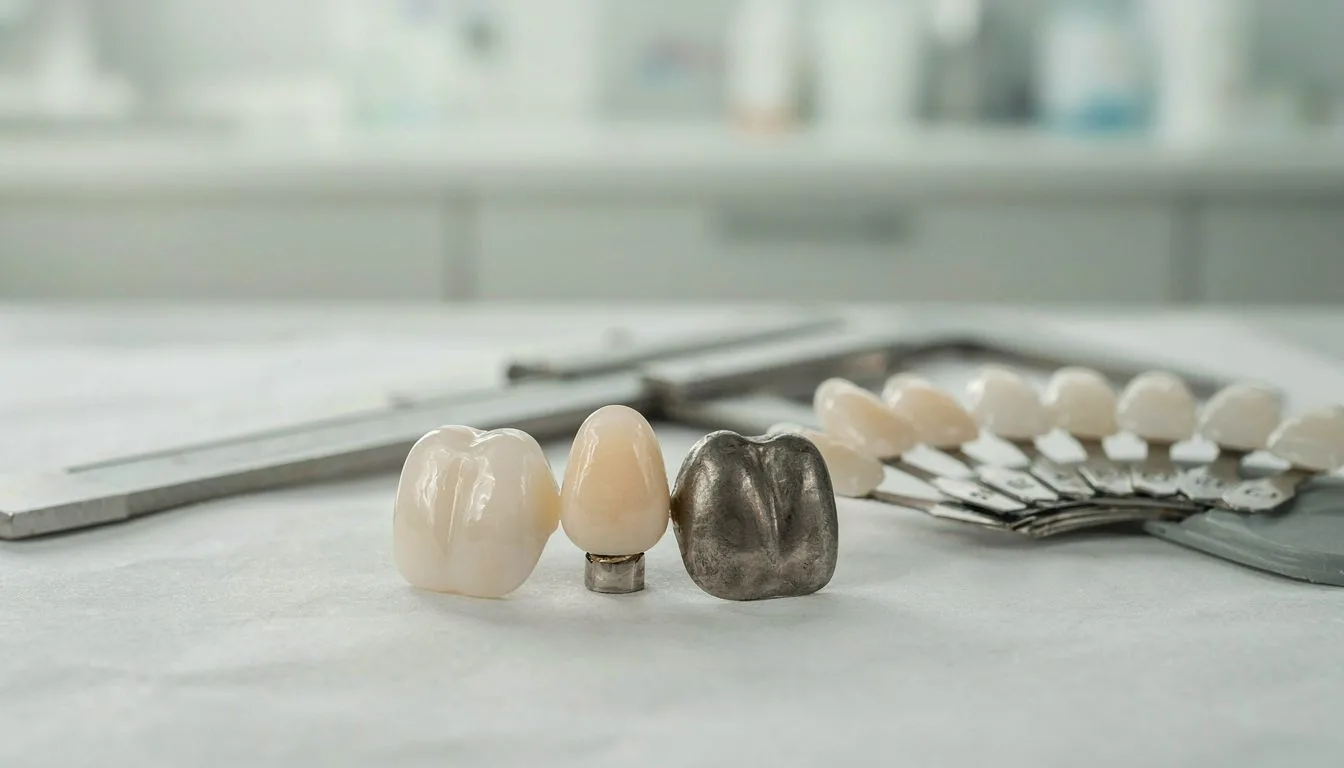
When a crown costs a fraction of what you’d pay at home, the savings usually come from somewhere — and more often than not, that somewhere is the material itself. The three most common options you’ll encounter in budget clinics are zirconia, porcelain-fused-to-metal (PFM), and base-metal alloys. Full zirconia offers the best strength and aesthetics, but cheap offers often use lower-grade blocks, thinner layers, or older milling equipment that produces a coarser fit. PFM crowns are cheaper to produce, yet the metal core can show as a dark line at the gum if the porcelain is thin, and base-metal options are the cheapest of all — prone to corrosion, allergic reactions in some patients, and a greyish tint that no amount of polishing hides.
Material is only half the story. A crown’s lifespan depends heavily on how precisely it seats on the prepared tooth. When labs cut corners — rushing impressions, skipping digital scans, or using worn milling burs — the margin between crown and tooth widens. That gap lets bacteria seep underneath, and it also weakens the cement bond. A poorly cemented crown can loosen within a year or two, even if the ceramic itself looks fine on the surface.
Lab provenance matters too. Some budget clinics outsource to unregulated workshops where technicians work without proper training or quality checks. The result is a crown that may fit acceptably on day one but wears unevenly against opposing teeth, gradually altering your bite and causing jaw discomfort over time. These are not instant failures; they’re slow problems that surface months after you’ve flown home.
Infection Control and Clinical Standards in Budget Clinics
Sterilization is where the gap between a budget clinic and a standard one becomes measurable. Look for autoclave logs, sealed and dated instrument pouches, and single-use items opened in front of you. Traceability matters too: a clinic that cannot say when a handpiece was last sterilized is not tracking anything. If you see reusable burs, impression trays, or suction tips that look worn and unpackaged, that is your answer before treatment even begins.
Who actually treats you is the next question. In Turkey, dentists must be registered with the Ministry of Health, and treatment should be delivered or directly supervised by a licensed clinician. Ask for the dentist’s registration details and whether a specialist or an assistant performs the crown preparation. Informed consent is a useful test here: a clinic that documents your diagnosis, treatment options, and risks in writing is following clinical protocol, not just selling a package.
Standards also show up before the drill touches your tooth. Adequate radiographs, a written treatment plan, and records you can take home are baseline expectations. Watch for pressure to skip X-rays or commit to treatment the same day, and treat vague answers about who owns your file as a sign the clinic is optimizing for volume rather than care.
Potential Complications and Failure Rates of Inexpensive Crowns
Even well-made crowns sometimes fail; the question is whether budget work fails more often, and how. The most common problem with an inexpensive crown is not a dramatic break but a slow, quiet mismatch. A crown that sits slightly high or seals imperfectly can trap bacteria at the margin, leading to debonding — the crown loosening from the tooth. Patients often describe this as a “pop” while eating, followed by a crown that shifts or falls out. Fracture is the second frequent complaint, especially with thinner or lower-grade ceramic, and it tends to appear under normal chewing loads rather than accidents.
Poor fit produces its own cluster of symptoms: persistent sensitivity to cold, a dull ache when biting, and visible gaps where food collects. These signs matter because they rarely resolve on their own. Left alone, marginal leakage can progress to decay beneath the crown, and what began as a cosmetic fix can escalate into root canal treatment or extraction. Re-treatment usually costs more than the original crown, and it often requires a specialist the budget clinic may not have on site.
Timelines vary. Some failures show up within months — debonding or a crown that never felt right. Others take two to five years, as cement washes out or cracks spread. Aftercare access shapes the outcome: a patient who can return to the clinic for a quick re-cement has a very different trajectory from one who must find local care abroad. Reported failure rates for crowns vary widely because studies define failure differently — replacement, re-cementation, or any intervention — and because patient habits, bite forces, and follow-up periods differ. A quoted percentage is only meaningful when you know what it counts.
Hidden Costs Beyond the Initial Quote
The quote you receive from a clinic rarely reflects what you will actually spend. Flights, accommodation, meals, and time off work all sit outside the treatment fee, and a companion travelling with you doubles many of those numbers. More importantly, a crown that needs adjustment or replacement may force a second trip entirely, turning a single procedure into two rounds of travel, lost wages, and scheduling stress.
Once you are home, the financial exposure often grows. A crown that comes loose, fractures, or irritates the surrounding gum typically requires a local dentist who has no relationship with the original clinic. Repair, root canal therapy, or full replacement is billed at domestic rates, and the original provider may be unreachable or unwilling to cover the work. This gap between the advertised price and the total cost of ownership is where budget dentistry quietly becomes expensive.
Warranties are another soft spot. Many low-cost packages exclude laboratory fees, remakes, and travel-related losses, and dental insurance rarely follows you across borders. If a problem emerges abroad, emergency care, translation, and coordination fees land on you as well. Before committing, ask what happens six months later, who pays for a remake, and whether any written guarantee survives the trip home.
How to Evaluate Whether a Low-Cost Crown Is Worth the Risk
Evaluating a low-cost crown offer is less about the price itself and more about how much of the treatment you can verify before you commit. Start with the questions that a confident clinic will answer without hesitation: which material grade is being used, which dental lab fabricates the crown, and who will actually prepare your tooth and cement the restoration. Ask whether the clinician is licensed and whether the lab works to recognized certification standards. Vague answers here are a warning sign, not a negotiating position.
Next, compare the total cost of ownership rather than the headline figure. A cheap crown that needs replacing within a few years often costs more than a mid-priced one that lasts. Build a realistic estimate: the initial quote, potential travel for a remake, and the price of a local repair if something fails after you return home.
A low price is reasonable when it reflects genuine savings — lower local labor costs, a transparent lab, and a clear written treatment plan. Walk away when the quote hides the material brand, discourages a second opinion, or pressures you to decide on the day. Request the plan in writing and confirm the revision policy before any drilling begins.
FAQs
How much can you really save on cheap dental crowns Turkey compared to private clinics in the UK or US?
Cheap dental crowns in Turkey typically cost between $150 and $400 per tooth, compared with $1,000 to $2,500 at private clinics in the UK and $1,000 to $3,000 in the US, so savings often reach 60 to 80 percent. Even after adding flights and accommodation, many patients still pay less than the price of a single crown at home. The final amount depends on the crown material, the clinic's reputation, and whether you need additional treatments such as root canals or implants.
What quality differences should you expect between budget crowns abroad and standard crowns at home?
Budget crowns abroad often use cheaper materials such as base-metal alloys or lower-grade ceramics, while standard crowns at home typically rely on higher-quality porcelain, zirconia, or noble-metal alloys with better fit and longevity. The main differences you should expect are in marginal fit, occlusion accuracy, and surface finish, since overseas labs may work faster with less individual customization. You may also see shorter expected lifespan and higher risk of chipping, discoloration, or needing replacement sooner.
Which hidden costs and follow-up problems most often catch patients out after getting dental crowns in Turkey?
Patients most often underestimate the cost of follow-up care once they return home, including recementation, bite adjustments, or full replacement of a failed crown, which many UK or EU dentists charge privately and may refuse to touch work done abroad. Revision treatment for ill-fitting margins, poor occlusion, or root canal problems under a crown can cost several hundred to over a thousand pounds per tooth, and some insurers exclude complications linked to overseas treatment. Travel, time off work, and repeat flights for remedial appointments add further hidden expense, while gaps in documentation or warranty terms often leave patients with little practical recourse against the original clinic.