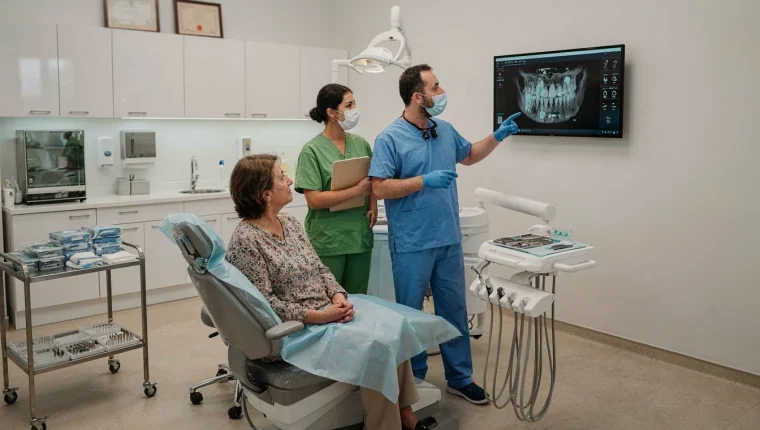
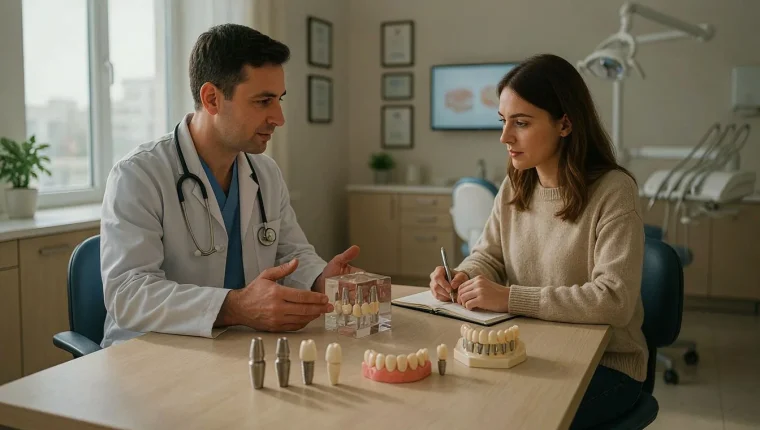
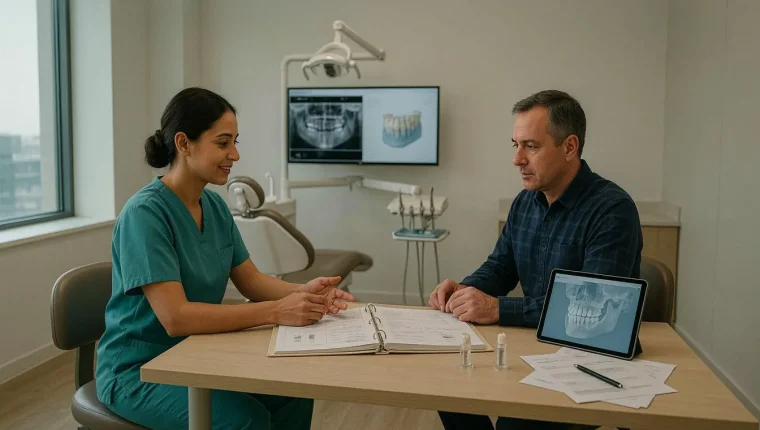
Choosing dental implants abroad can offer good value, but a low price or polished website does not prove that a clinic is safe or suitable. Red flags when booking dental implants in Turkey include unclear dentist credentials, pressure to pay before a proper examination, package prices that hide essential costs, and treatment plans based on photographs alone. Patients should also check diagnostic imaging, infection-control standards, implant and crown materials, and support available after returning home. These warning signs are not automatic proof of poor care, but they deserve clear answers and independent verification before you commit to treatment.
Unclear Clinic Credentials and Dentist Qualifications
A trustworthy provider should make it easy to identify who will examine you, place the implants, and oversee your treatment. A polished website or high review count cannot replace independently verifiable professional information. Before paying a deposit, ask for the clinic’s legal name, physical address, the treating dentist’s full name, and clear evidence of their authority to practise. These details help you assess whether the provider is accountable and whether the person offering treatment has the appropriate professional background.
- Responsible dentist: The clinic should name the dentist responsible for your care rather than presenting treatment as the work of an anonymous medical team.
- Relevant qualifications: Check training in implant dentistry, oral surgery, or prosthodontics, along with the length and nature of the dentist’s implant experience.
- Professional registration: Verify the dentist’s registration and licence through the appropriate Turkish professional or regulatory body, using official sources rather than screenshots supplied by the clinic.
- Facility legitimacy: Confirm that the stated clinic address, operating status, and healthcare authorisation correspond with the facility where treatment will take place.
- Transparent responsibility: Be cautious if staff avoid explaining who makes clinical decisions or pressure you to book before answering reasonable credential questions.
Marketing claims such as “internationally trained” or “implant specialist” require clarification: ask where the qualification was awarded, whether it is formally recognised, and how often the dentist performs comparable cases. Missing names, vague biographies, or reluctance to provide registration details are meaningful dental implants Turkey red flags. Independent confirmation should come before accepting a treatment proposal or transferring money. Taking time to verify these points can help you distinguish genuine professional credentials from general promotional language and make a more informed decision about your care.
Misleading Implant Packages and Hidden Costs
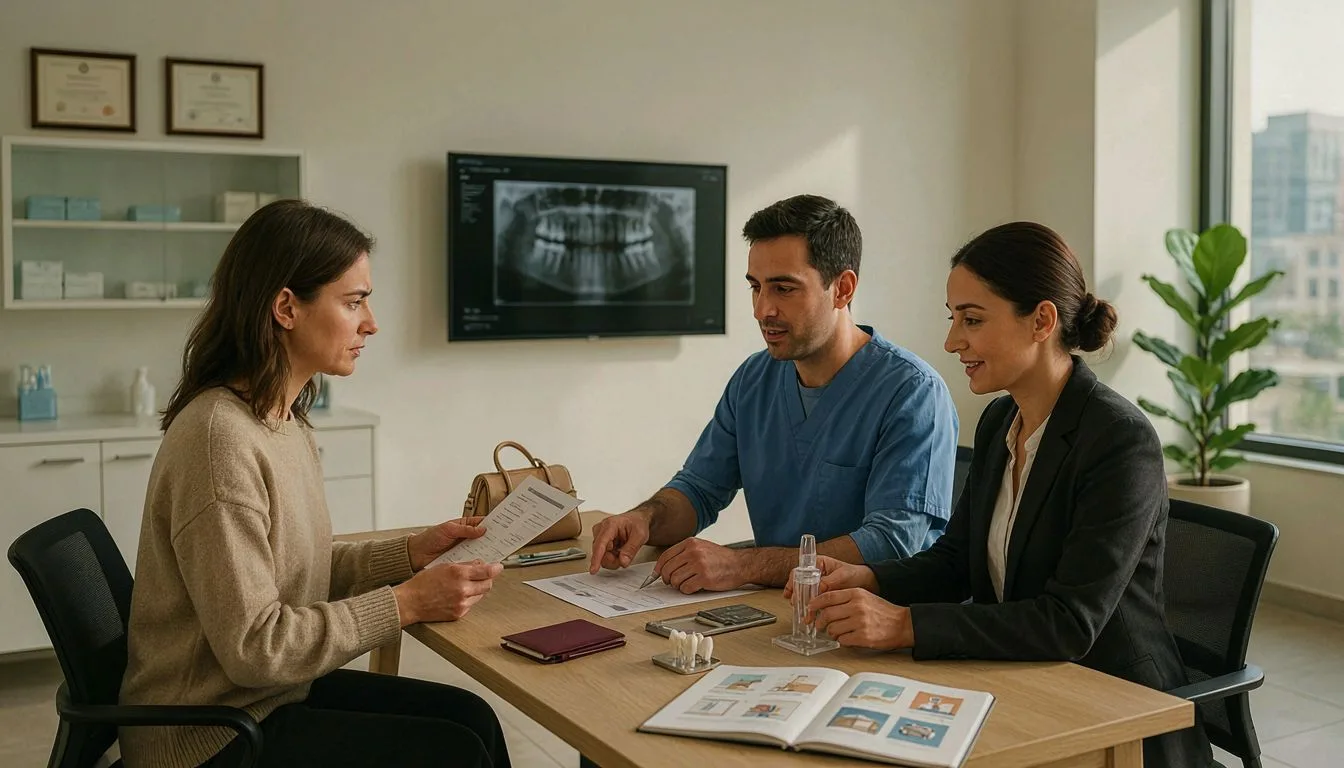
Attractive implant packages can make a quote seem straightforward while leaving important cost differences hidden. A low headline price may cover only the implant placement, whereas the abutment, crown, diagnostic imaging, medication, or follow-up appointments are charged separately. Accommodation and airport transfers may also be included, but these extras should not distract from the actual dental treatment being offered.
Ask for an itemised written quotation that separates the implant, abutment, crown, surgery, imaging, medicines, accommodation, and transfers. Check whether the crown is temporary or permanent, how many visits are included, and whether laboratory fees or adjustments are excluded. The quote should also explain what happens financially if bone grafting, extractions, sinus lifting, or another unplanned procedure becomes necessary.
Be cautious when a clinic gives a firm price before reviewing your dental history, current scans, and treatment needs. A package that does not identify the implant brand, prosthetic materials, treatment scope, or responsible provider cannot be compared reliably. These omissions make the apparent saving difficult to evaluate and may lead to unexpected charges after arrival.
The most useful comparison is like-for-like pricing: match the same number of implants, components, procedures, appointments, and aftercare provisions across providers. The lowest advertised figure is not necessarily the best value if essential stages have been removed from the package or added only once treatment has begun.
Poor Diagnostic Planning and Unsuitable Treatment Plans
A credible implant plan starts with a proper clinical assessment, not a quick message exchange or a standard package recommendation. The dentist should evaluate bone volume and quality, gum health, remaining teeth, bite function, medical history, and your goals for appearance and chewing. This information determines whether implants are suitable and whether additional treatment is needed before placement.
Be cautious when a clinic proposes an exact implant count, fixed treatment timeline, or guaranteed result before reviewing appropriate diagnostic records. A remote photograph or short video consultation may be useful as an introduction, but it cannot replace an examination and suitable imaging. A reliable provider should explain how the findings support the proposed treatment and identify any factors that could change the plan.
Preparatory procedures, such as treating gum disease, removing damaged teeth, rebuilding deficient bone, or allowing tissues to heal, may be clinically necessary. They should not be presented as unexplained add-ons. Ask what each procedure is intended to achieve, what could happen if it is omitted, and whether reasonable alternatives exist. Individualized treatment planning is essential because implant number, position, timing, and restoration design depend on the patient’s anatomy and functional needs.
You should also know who will discuss the diagnosis, alternatives, risks, expected stages, and likely recovery with you. Vague answers, pressure to approve treatment immediately, or a plan that changes without a clear clinical explanation are important warning signs. Request copies of your examination findings and imaging so you can understand the recommendation and seek an independent opinion when necessary.
Unsafe Hygiene Standards and Questionable Materials
Safety should be assessed in the treatment room, not inferred from polished marketing. Before surgery, ask how the clinic controls contamination and whether staff can explain the process clearly. Vague reassurance, visibly rushed preparation, or instruments handled without an obvious sterile workflow should be treated as serious warning signs. Hygiene standards and material transparency are equally important, because safe treatment depends not only on a clean clinical environment but also on knowing exactly which products and components will be placed in your mouth.
- Sterilization procedures: The provider should explain how reusable instruments are cleaned, sterilized, packaged, and opened for each patient. Appropriate autoclave use and monitoring records should be available when requested.
- Clinical cleanliness: Treatment areas should appear orderly, with suitable protective equipment, surface disinfection, and proper separation between clean and used materials.
- Implant manufacturer: Ask for the exact manufacturer and implant system before agreeing to treatment, rather than accepting a generic description such as “premium implants.”
- Product documentation: Request implant labels, batch details, conformity documents, and records that allow the components placed in your mouth to be identified later.
- Component compatibility: The clinic should explain which abutments, screws, and prosthetic parts will be used. Unclear answers about substitutions or unavailable components can create problems for future maintenance.
Traceability matters because it links your treatment to identifiable products and supports informed follow-up if a component needs repair or replacement. Be cautious if staff refuse to provide documentation, change the proposed system without explanation, or cannot confirm that the implant and restoration components are compatible. Ask for copies of relevant records before treatment begins.
These questions are not excessive demands; they are practical safeguards that help you evaluate whether the clinic follows a consistent hygiene protocol and uses materials that can be verified after treatment. A provider willing to explain the workflow, identify the implant system, and supply supporting records demonstrates accountability. If the answers remain vague or documentation is unavailable, consider postponing treatment until the concerns are resolved or seeking a second opinion.
Weak Aftercare and Limited Support After Treatment

Aftercare should be arranged before you travel, because implant treatment does not end when you leave the clinic. Ask who will conduct scheduled reviews, how healing will be monitored, and which clinician is responsible if symptoms develop after you return home. A provider that offers no clear emergency contact route or relies solely on informal messaging may be difficult to reach when prompt guidance is needed.
Find out how complications, adjustments, repairs, or delayed healing are assessed remotely. Request complete clinical records, including implant details, treatment notes, imaging, and post-operative instructions, so a local dentist can continue your care if necessary. This information is especially important if components need identifying or an in-person examination becomes urgent.
Be cautious of vague guarantees that promise an uncomplicated result without explaining the practical process for managing problems. Reliable support includes defined communication channels, realistic review arrangements, and a documented handover plan. If these details are unclear before treatment, continuity of care may be equally uncertain afterward.
FAQs
What are the biggest dental implants Turkey red flags to watch for when choosing a clinic?
Major red flags include unusually low prices, pressure to pay a large deposit quickly, unclear treatment plans, and clinics that do not identify the dentist performing the procedure. Avoid providers that lack verifiable qualifications, independent reviews, transparent implant-brand information, or clear details about complications, aftercare, and follow-up once you return home.
Is an unusually low dental implant price in Turkey a warning sign?
An unusually low dental implant price in Turkey can be a warning sign if it reflects inadequate materials, inexperienced clinicians, poor sterilization, or limited aftercare. Compare what the package includes, verify the dentist’s qualifications and clinic accreditation, and request a detailed treatment plan and written cost breakdown before deciding.
How can I verify a Turkish dentist’s qualifications and the quality of the implant materials?
Verify the dentist’s license through Turkey’s Ministry of Health or the relevant professional dental chamber, and check their education, implant training, clinical experience, and malpractice history. Ask for the implant manufacturer, model, materials, certifications, and traceability documents, then confirm them through the manufacturer’s official database or website. Request a written treatment plan, itemized costs, and the implant system’s warranty and long-term support details.