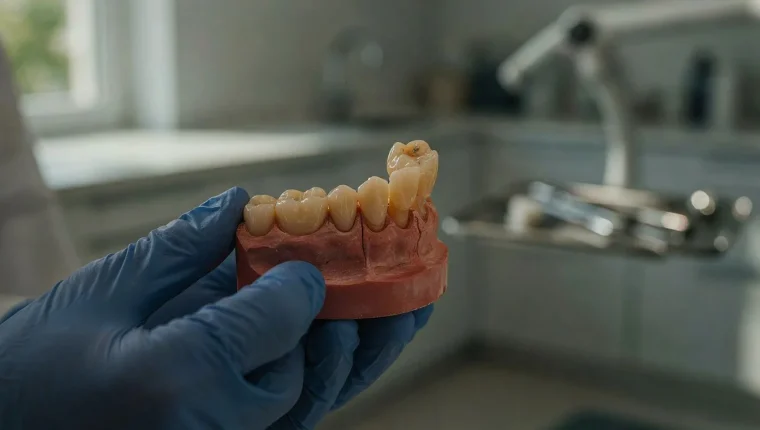
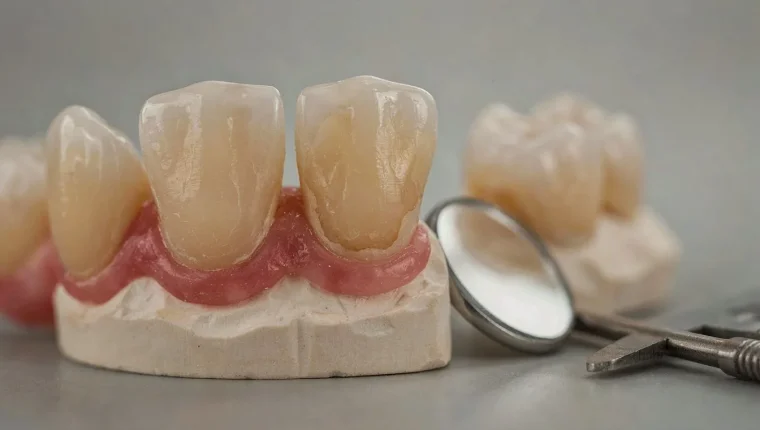
A dental crown in Turkey often starts with a headline price that looks hard to beat. But that number is a starting point, not your final bill. The real question is what sits between the quote you see online and the amount you actually pay. This article explains the hidden costs of dental crowns in Turkey so you can assess any offer.
We are not ranking clinics or giving medical advice. Our scope is narrower and more practical: the categories of extra cost that can appear around treatment abroad. Some are clinical, tied to how your case unfolds. Others are logistical, tied to travel, time, and follow-up. Both matter when you compare quotes.
By the end, you will know which questions to ask before you commit, and which expenses a low headline price tends to leave out.
Why the Advertised Price Rarely Tells the Full Story

A dental crown quote in Turkey is usually built around a single attractive number, and that number is rarely wrong — it is simply incomplete. Most advertised prices describe a defined scope: a set number of units, a specific crown material, treatment at one clinic, and a standard timeline. What they do not describe is everything that sits outside that scope, and that gap is where expectations and final invoices start to separate.
The framing matters as much as the figure. A per-unit price and a package price look comparable on a screen but behave differently in practice. Per-unit pricing scales with every additional tooth, while packages often bundle a fixed quantity and treat anything beyond it as an extra. Neither approach is dishonest, but they create different assumptions about what is covered. Reading the scope, not just the total, is what makes two quotes genuinely comparable.
Currency adds another layer. When a clinic quotes in a foreign currency, the amount you actually pay depends on the exchange rate at the moment of transfer, not the rate on the day you first saw the price. Payment method matters too: bank transfers, card payments, and cash can each carry different fees or conversion spreads.
Practice varies considerably between clinics, so the only reliable approach is to verify in writing what a headline price includes before treating it as a final cost.
Which Costs Appear Only After the Initial Quote

Once a headline figure is on the table, the real work begins: finding out what that number actually covers. A crown quote in Turkey may look complete while leaving several standard items to be billed separately. The most common gaps tend to fall into a few predictable groups.
Imaging is a frequent add-on. X-rays, CBCT scans, or diagnostic models are sometimes excluded because not every patient needs them. Lab-related charges can also sit outside the quoted price, particularly for premium ceramic or zirconia materials, shade matching, or a custom shade that requires extra technician time. If sedation or general anaesthesia is offered, expect it to appear as its own line. Temporary crowns, which protect the prepared tooth between appointments, are another item that is occasionally bundled and occasionally not.
Then come the service questions. Is the initial consultation included? Are post-insertion adjustments free, or charged per visit? What happens if you need an urgent appointment before you fly home? These are not complications in the clinical sense; they are routine parts of treatment that may simply fall outside the quote’s boundaries.
The practical defence is an itemized written quote. A breakdown that names each procedure, material, and included visit removes the guesswork. Ask for it before you commit, and read it as a scope document rather than a price tag. When you compare clinics, compare them on identical scope, not on the bottom-line total alone. Two quotes of the same size can cover very different ground. Costs triggered by complications are a separate matter, and they follow their own logic.
How Complication Risks Translate Into Additional Expenses
Even a well-planned crown can run into trouble once treatment begins. A tooth that looked straightforward on an X-ray may turn out to need a root canal before the crown can sit properly, and that extra procedure carries its own fee. Gum inflammation, a bite that needs adjusting, or a temporary crown that comes loose can each mean another appointment — and another charge that was never in the original figure.
Your own starting point matters here too. Pre-existing conditions such as gum disease, grinding, or a weakened root can raise the chance that the plan changes mid-treatment. So can everyday habits: skipping follow-up cleanings, ignoring early discomfort, or returning home before the crown has fully settled. None of this is a reason to expect the worst, but it is a reason to treat the quoted price as a starting point rather than a ceiling.
This is why setting aside a contingency amount makes sense. It is not pessimism — it is simply acknowledging that biology does not always follow a brochure. A modest buffer, kept separate from your treatment budget, means an unexpected visit or adjustment does not force you into a rushed decision about how to pay for it.
The Price of Revision Work and Remakes
Not every imperfect crown requires a full remake. A minor high spot, a shade that reads slightly off under daylight, or a margin that needs refining can often be adjusted or polished during the same trip at little or no charge. A full remake is a different matter: the crown is removed, a new impression is taken, and a new unit is fabricated. That process carries a real lab fee and another appointment, and it is exactly here that the question of who pays becomes uncomfortable.
Most clinics advertise a warranty, but the terms vary enormously. Some cover the crown itself but not the removal, the temporary, or the new appointment. Others require you to return to the clinic in person, which turns a covered remake into an uncovered flight. The practical difficulty of claiming rework after you have gone home is the part patients underestimate most: a revision policy is only as useful as your ability to use it from another country.
Before treatment, ask directly how long the guarantee runs, what it covers in writing, whether a local dentist can carry out the work and be reimbursed, and who decides that a remake is clinically necessary. Get the answers in your itemized quote rather than in conversation.
Travel, Accommodation, and Time Off You Didn't Budget For
Fixing a crown abroad usually means booking a trip, not just an appointment. That is where a second layer of spending appears, one that rarely shows up in a clinic’s price list because it has nothing to do with the dental work itself. Flights are the obvious starting point, but they are far from the whole picture. Airport transfers, hotel nights, meals, and local transport all accumulate across the length of your stay, and the longer the treatment window, the more these everyday costs add up.
Timing is the part most people underestimate. Crown work often needs more than one visit, and healing between appointments does not always follow the schedule you planned around. A fitting that needs adjustment, swelling that settles slowly, or a lab delay can each push your return flight back by days. Those extra nights come with extra hotel bills, extra meals, and sometimes a rebooked ticket at a higher fare.
Then there is the cost that never appears on any invoice: lost income. Every additional day away from work is a day you are not earning, and if a companion travels with you, their time off and their share of the expenses count too. When treatment stretches across several trips rather than one, the travel budget effectively multiplies. Budgeting for the procedure alone leaves this entire category invisible until the receipts start piling up.
Hidden Costs of Dental Crowns in Turkey: Aftercare and Follow-Up Gaps
Once the crown is fitted and you fly home, the relationship with the treating clinic changes. What felt like constant contact during your trip becomes a long-distance arrangement, and that distance has a price. Routine checks, bite adjustments, and polishing that a local dentist would handle in a single short visit now require either a return journey or a willing clinician at home who did not place the work.
Many dentists are cautious about adjusting or repairing crowns they did not fit, and some charge a higher fee for taking on another clinic’s case. Even straightforward monitoring, a professional clean around the margins, or a small repair adds up over the first year. This is where the aftercare gap becomes a financial issue rather than a minor inconvenience.
The quality of what you carry home matters more than most patients expect. Clear records, recent x-rays, the crown material and shade details, and written aftercare instructions give a local dentist something to work from. Without them, your new clinician may need fresh imaging and a longer assessment before touching anything.
Communication channels also shape the experience. A clinic that answers questions by email within a day or two, and offers a video review when something feels off, can resolve small problems before they need chair time. A clinic that goes quiet after payment leaves you paying locally for problems that were never really yours to solve. If follow-up reveals that a crown needs rework, the financial consequences are covered separately, but the pattern is the same: distance turns small issues into paid ones.
Long-Term Value Versus Short-Term Savings
The categories covered so far only matter if you translate them into a way of comparing options. A lower upfront figure and a higher one are not really competing prices unless you compare them over the same lifespan. A crown that lasts fifteen years with routine maintenance is not the same purchase as one that needs replacement in five, even if the second cost half as much on day one. The useful comparison is total cost of ownership: the initial fee, plus expected maintenance, plus the probability and cost of rework, plus travel and time off, divided across the years you realistically expect the restoration to serve you.
This is where short-term savings can quietly reverse. If a cheap quote carries a higher revision risk, and a revision means a second trip, more unpaid leave, and another treatment fee, the savings may be spent before the crown has done half its job. Add the aftercare effort you will carry yourself and the gap narrows further.
A practical framework: list your real priorities — budget ceiling, how many trips you can take, how quickly you need treatment, and how much follow-up you can arrange locally. Then judge each option against those, not against the lowest number on a page. You do not need a single right answer here; you need one you can defend to yourself.
FAQs
What extra fees should I expect beyond the advertised price for dental crowns Turkey hidden costs?
Beyond the advertised price, you may pay separately for the initial consultation, X-rays or CT scans, and temporary crowns, which some clinics quote as extras. More significant hidden costs often include root canal treatment if a tooth is infected, bone grafting or sinus lifts for implant-supported crowns, and revision work if a crown fails. You should also factor in airport transfers, hotel stays, and follow-up visits, plus potential treatment for complications once you return home. Always request a written, itemized quote that states exactly what is included and what triggers additional charges.
Could follow-up visits or crown repairs add unexpected expenses after I return home?
Yes, follow-up visits and crown repairs can add unexpected expenses after you return home, especially if the dental work was done abroad and your local dentist is unfamiliar with it. Many clinics bundle a short warranty, but it often covers only the crown itself and not the exam, X-rays, or chair time needed to fix a bite or re-cement a loose restoration. Travel insurance and dental plans rarely pay for complications from elective treatment abroad, so you should budget for at least one local check-up and possible repair.
How can I verify whether a clinics quote includes lab fees, X-rays, and sedation before I commit?
Ask the clinic for a written, itemized treatment plan that lists every component separately, including lab work, X-rays or other imaging, sedation or anesthesia, medications, and follow-up visits. Request that the quote state explicitly whether each item is included or billed separately, and whether the listed price is a fixed total or an estimate that can change. Before committing, confirm in writing who provides the sedation, what type it is, and whether facility or surgeon fees are additional.