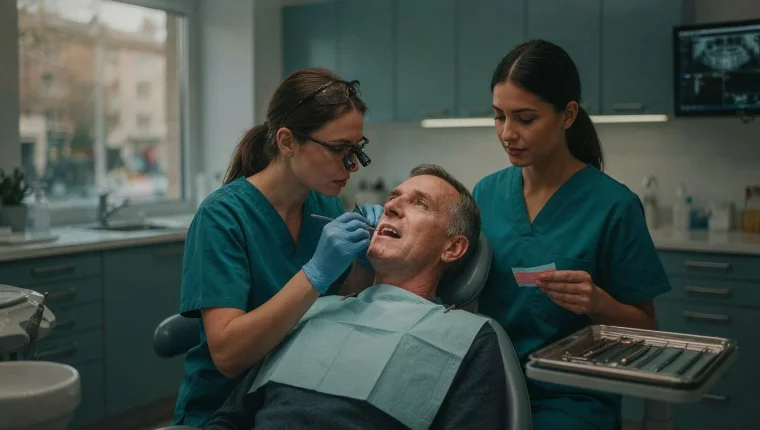
Dental crowns are among the most common restorative treatments in modern dentistry, and most people tolerate them well. The question is not whether crowns are generally safe but whether a crown is safe for your specific tooth, health history, and daily habits. Safety here is not a fixed label. It depends on the material chosen, the condition of the underlying tooth, the crown’s fit, and how well you care for it afterward. Many effects people worry about, like mild sensitivity or a slightly strange bite, are routine and settle within days to a few weeks. Others, such as persistent pain, gum inflammation, or an allergic reaction to certain metals, point to something that needs attention. Understanding dental crowns safety risks means separating normal adjustment from genuine warning signs, so you can move forward with clear expectations instead of vague worry.
How Dental Crowns Work and Why They Are Recommended
A dental crown is a custom-made cap that fits over the entire visible portion of a tooth, above the gum line. It replaces the tooth’s outer shell and takes over its job: biting, chewing, and protecting whatever remains underneath. When a tooth has lost too much structure to hold a filling, the crown becomes the new surface that absorbs force and keeps the tooth intact.
Dentists recommend crowns for a handful of well-established reasons. A tooth with extensive decay may have so little healthy enamel left that a filling would simply fracture or fall out. A cracked or fractured tooth needs to be held together before the break spreads into the root. After root canal treatment, the tooth becomes brittle and hollowed out, so a crown shields it from chewing forces that could split it. Heavily worn teeth from grinding or acid erosion also qualify, since the crown restores height and function.
The alternative matters here. Without a crown, these teeth often continue to break down, and the realistic end point is extraction and replacement with an implant or bridge. That is a longer, more invasive, and more expensive path. A well-made crown with a proper fit and seal protects the underlying tooth and the gum margin, which is where most long-term problems begin. Fit is not cosmetic detail; it is the foundation of safety.
Materials Used in Dental Crowns and Their Biocompatibility
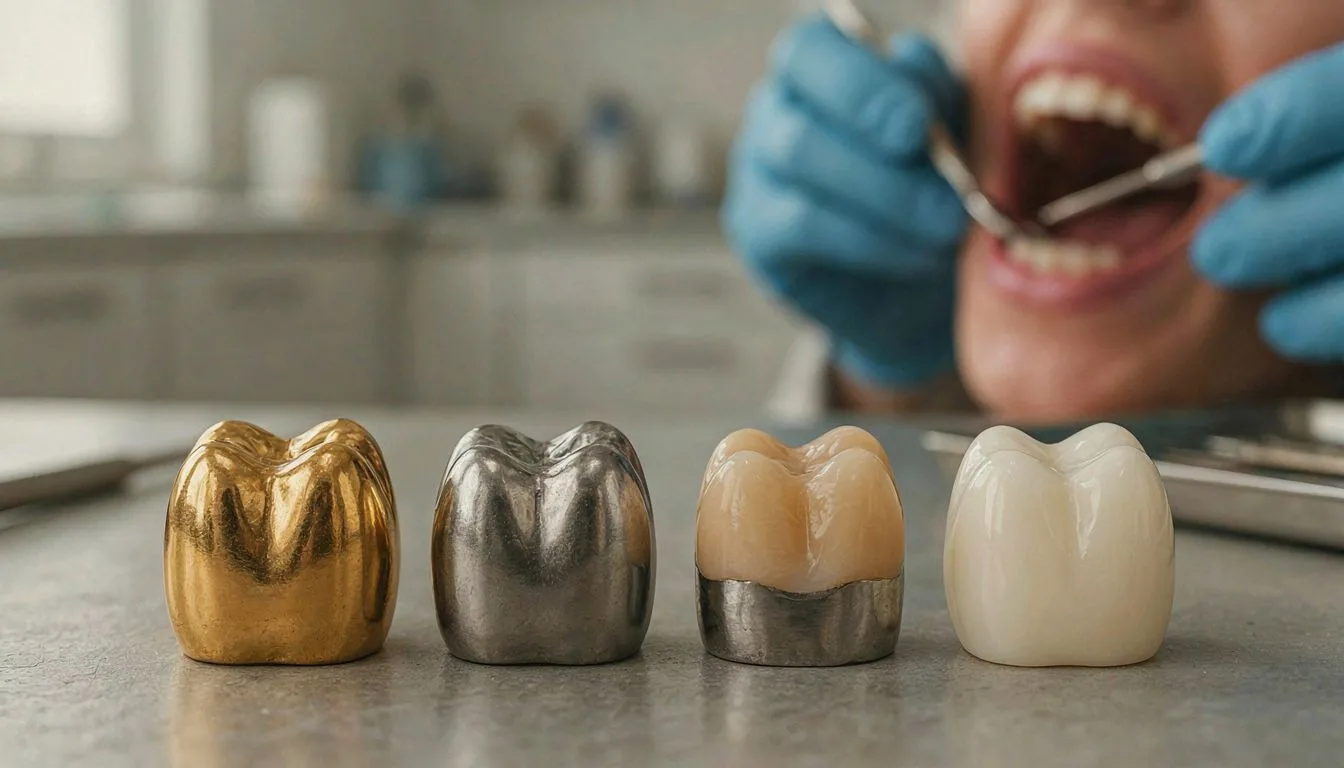
The material a crown is made from shapes how your body tolerates it, how it wears against the opposing tooth, and how your gums respond over time. No single material wins on every count, which is why dentists match the choice to the tooth’s location, your bite forces, and any known sensitivities.
The clearest safety question involves base-metal alloys, which contain nickel or beryllium. These can trigger allergic contact reactions in sensitized people, and the evidence for this is well established. Noble alloys, by contrast, rarely cause reactions. Ceramic and zirconia crowns are generally considered the most inert options, and documented allergy to them is uncommon.
Wear is a separate concern. Porcelain can abrade opposing natural teeth more than metal or zirconia, while zirconia tends to be kinder to the enamel it contacts. Gum response often tracks the fit of the crown margin more than the material itself, though some patients report sensitivity to specific metals. Individual variation is real, but it should not be confused with a general safety problem.
| Material | Typical Use | Biocompatibility | Known Sensitivity Concerns |
|---|---|---|---|
| Porcelain-fused-to-metal | Back teeth, high bite force | Good; metal core hidden | Metal allergy if base-metal alloy used |
| Full ceramic / zirconia | Front teeth, esthetic zones | Excellent, highly inert | Rare; occasional gum irritation |
| Base-metal alloy | Budget posterior crowns | Acceptable for most patients | Nickel or beryllium allergy |
| Noble alloy | Durable, low-reaction option | Very good | Uncommon |
Common Side Effects After Getting a Dental Crown
Even a crown that fits beautifully on the model can feel foreign for the first few days. The tooth and the tissue around it have just been prepared, shaped, and covered, so some reaction is expected. What matters is recognizing which sensations belong to normal settling and which ones signal that something needs a second look.
Most early complaints fall into a predictable pattern, and the key word here is temporary. These effects typically ease as the tooth adapts and the bite is refined.
- Temperature sensitivity: Cold drinks or air may sting for one to two weeks, especially if the crown sits close to the gum line.
- Biting pressure discomfort: A dull ache when chewing is common while the ligament around the tooth adjusts to the new surface.
- Gum tenderness: Mild soreness or slight swelling near the margin usually fades within several days.
- Bite feeling “off”: The crown may sit slightly high, making the tooth meet its neighbor sooner than expected.
Simple measures help during this window: avoid very hot or cold foods, chew on the opposite side, and use a soft brush around the margin. If the bite still feels uneven after a few days, a short adjustment visit is often all that is needed. Sensitivity that lingers beyond two to three weeks, or pain that sharpens instead of fading, is no longer routine and deserves a professional assessment.
When Dental Crowns Safety Risks Become a Real Concern
Crowns become a genuine safety concern when the foundation supporting them is no longer sound. If too little healthy tooth structure remains, or the root beneath has cracked or suffered repeated endodontic failure, the crown can look intact while the tooth underneath continues to deteriorate. In these cases the crown does not solve the problem — it conceals it.
Fit is the second pressure point. A crown with open margins or a cement seal that breaks down allows saliva, bacteria, and debris to seep between the restoration and the tooth. That leakage drives recurrent decay and can reach the pulp before any visible sign appears. Poor fit also concentrates force unevenly, which is where mechanical problems begin.
Bite-related overload is another real risk. When a crown sits too high or the patient clenches and grinds, the restored tooth absorbs forces it was never designed to carry. This can lead to fracture of the crown, the underlying tooth, or the root itself — sometimes years after placement.
Finally, consider the crown that masks ongoing disease rather than resolving it. If active decay, infection, or gum inflammation was present before placement and not fully treated, the crown simply seals the problem in place. These are the situations where safety stops being routine and becomes a clinical decision that needs honest reassessment.
Signs of Infection or Nerve Damage to Watch For
Most post-crown discomfort fades within days, but certain symptoms move in the opposite direction—they build, spread, or appear weeks later. That pattern matters because it separates ordinary healing from a process that needs clinical attention. The distinction usually comes down to timing and character: soreness that eases with time is expected, while pain that arrives on its own, wakes you at night, or intensifies despite rest suggests something deeper is happening beneath the crown. When that occurs, the question shifts from “is this normal?” to “how fast can I be seen?”
Watch for these specific signals, which point toward infection or nerve involvement rather than routine recovery:
- Persistent or worsening pain — especially throbbing pain that starts without a trigger or wakes you during the night, since this often reflects pulpal or periapical inflammation rather than surface irritation.
- Swelling, pus, bad taste, or fever — any of these indicates an active infection that will not resolve on its own and typically requires drainage or antibiotics.
- A crown that loosens, shifts, or changes your bite — movement or a new sense of “high” contact can expose the margin and allow bacteria to reach the tooth underneath.
- Numbness or lingering nerve-type symptoms — tingling, altered sensation, or numbness that persists well beyond the appointment may signal nerve irritation or damage.
Timing helps you judge urgency. Swelling that grows over hours, a fever above 100.4°F, or pain that no longer responds to over-the-counter relief are reasons to call your dentist the same day rather than wait for a scheduled visit. Numbness lasting more than a few days after anesthesia has worn off deserves the same attention, because nerve symptoms rarely improve when ignored and are easier to manage when addressed early.
How Pre-Existing Conditions Affect Crown Safety
Your medical background shapes how a crown is planned, placed, and monitored. Gum disease and bone loss are among the most consequential factors: a crown sits on a tooth, but it is supported by the bone and soft tissue around it. When periodontitis has already reduced bone height or left inflamed gum pockets, the foundation under the crown is compromised, and the restoration can loosen, shift, or fail even if the crown itself is well made. This is why periodontal status is often assessed before crown work begins.
Conditions that affect healing and immune response also change the risk picture. Uncontrolled diabetes is a well-documented example: elevated blood sugar impairs tissue repair, increases susceptibility to infection, and can slow recovery after preparation and placement. Other immune-related conditions can similarly reduce the body’s ability to tolerate the procedure and heal predictably. In these cases, coordination with your physician and tighter glucose or disease control before treatment often matters as much as the crown design itself.
Medications and bleeding or bone-related conditions add another layer. Blood thinners and some anticoagulants can increase bleeding during preparation or gum contouring. Certain drugs, including long-term corticosteroids and some cancer therapies, affect bone metabolism and can weaken the jawbone that anchors the tooth. Bisphosphonates and similar agents are particularly relevant because they influence bone turnover and healing capacity.
This is why a complete medical history should be shared before crown work. Your dentist can then adjust timing, technique, or material choice, and in some cases refer you for medical clearance first.
Steps to Reduce Risks and Ensure Long-Term Crown Success
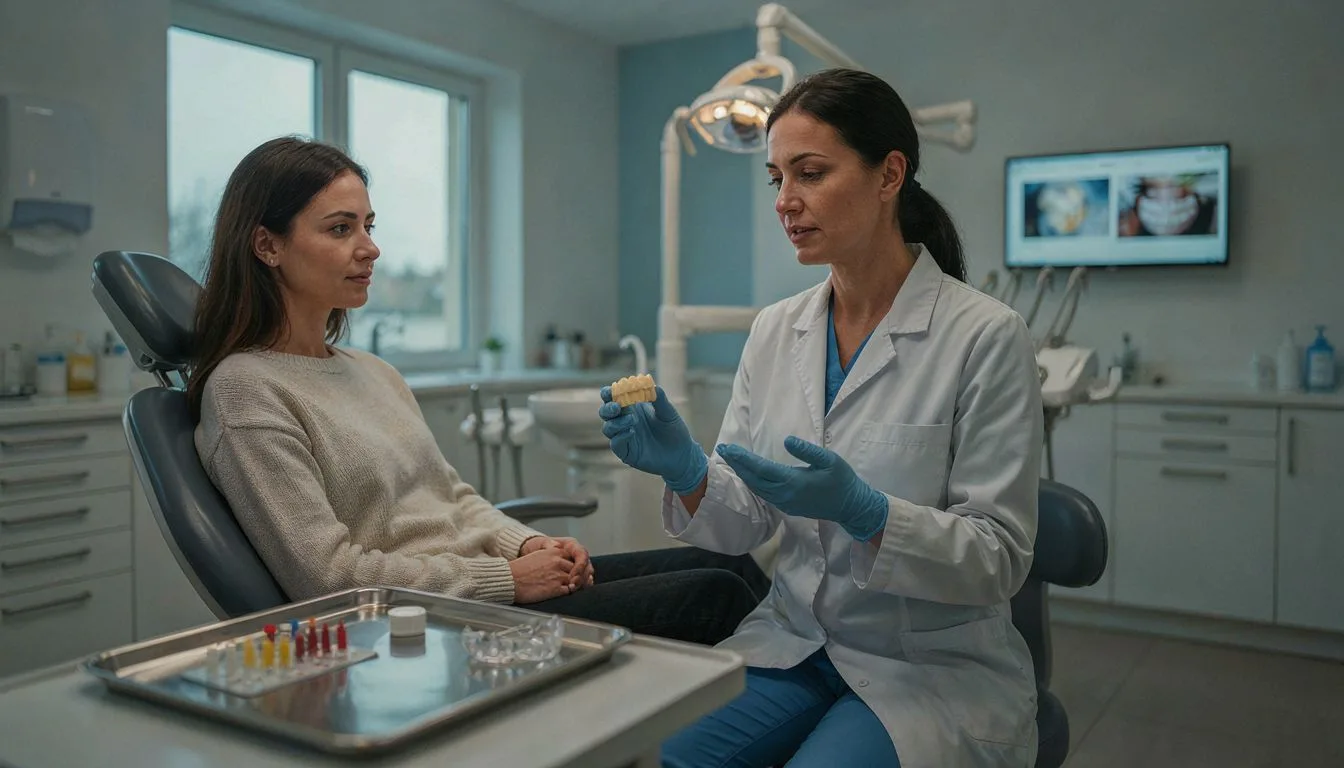
Long-term crown success rarely depends on the crown alone. It depends on the decisions made before placement and the habits maintained afterward. Start by choosing a clinician who takes the time to explain margin fit and material options rather than rushing to cement something in place. An experienced dentist will assess your bite, check the health of the underlying tooth, and match the crown material to your grinding habits and gum condition. Ask directly about the material being recommended and why it suits your case.
Daily care around the crown edge matters more than most patients expect. Brush along the gum line where the crown meets natural tooth structure, and floss or use interdental brushes to clear plaque from that junction. Crown margins are where bacteria collect and where recurrent decay most often begins.
If you clench or grind, a night guard protects both the crown and the opposing teeth from repeated force. Your dentist can confirm whether this applies to you.
Finally, keep regular checkups and act on changes early. A crown that feels loose, shifts, or alters your bite deserves prompt attention rather than a wait-and-see approach. Small adjustments made quickly prevent bigger problems later.
FAQs
Are dental crowns safe for most people, and what does current evidence say about common dental crowns safety risks?
Dental crowns are generally safe for most people, and current evidence shows that serious complications are uncommon when crowns are properly placed and maintained. The most frequently reported risks are biologic rather than toxic, including secondary caries, pulp inflammation, gingival irritation, and occasional crown fracture or debonding. Metal-containing crowns can release trace amounts of nickel, chromium, or other ions, but studies have not established a clear link to systemic harm in the general population, though allergic contact sensitivity remains a known concern for some patients. Long-term safety depends heavily on crown fit, material choice, oral hygiene, and regular dental review.
Which side effects after getting a crown are normal versus signs of a serious complication?
Mild sensitivity to hot or cold, tenderness around the gum line, and a slight ache when biting down are common for a few days after a crown and usually fade as the tooth and tissue adjust. Persistent or worsening pain, pain when you bite that feels like the tooth is "high," swelling, a foul taste, fever, or a loose crown are not normal and point to problems such as an ill-fitting crown, pulp inflammation, or infection that need prompt dental evaluation.
Can underlying tooth damage or gum disease make crown treatment riskier in the long term?
Yes, untreated tooth decay or active gum disease can compromise a crown's long-term success. If decay remains beneath or around the crown margin, it can progress and undermine the tooth structure supporting the crown, while gum disease weakens the periodontal tissues that anchor the tooth. Both conditions increase the risk of crown failure, recurrent infection, and eventual tooth loss, so any underlying disease should be treated and controlled before and after crown placement.