Cheap dental veneers in Turkey can make cosmetic treatment appear far more affordable, but the quoted price is only one part of the decision. “Cheap” is a price claim, not proof that care is unsafe or that treatment offers good value. A reliable comparison should cover the veneer material, diagnostic tests, tooth preparation, laboratory work, temporary restorations, and any related procedures included in the package. It should also consider the clinic’s standards, the dentist’s experience, and whether the proposed treatment is clinically suitable for your teeth and bite. Initial savings may be less valuable if you need repairs, replacement work, extra travel, or follow-up care elsewhere. Before choosing an offer, assess the complete treatment pathway and the practical support available after you return home, not just the headline price.
Why Are Cheap Dental Veneers in Turkey So Affordable?

Lower prices for dental veneers in Turkey are largely shaped by the country’s operating environment rather than by one single shortcut. Clinic rents, wages, laboratory fees, and other business costs may be lower than in the United Kingdom, the United States, or parts of Western Europe. High patient volume can also allow established clinics to spread fixed costs across more treatments.
Clinic structure matters as well. Some providers operate large, streamlined practices with in-house laboratories or preferred technicians, while others advertise treatment through agencies that bundle appointments, transfers, and accommodation. These package models can reduce administrative costs, but they may also make it harder to see what you are actually paying for.
A prominent online price is not always the final price. The quote may cover only the veneers themselves, while consultation, imaging, temporary restorations, tooth preparation, anaesthesia, medication, or additional appointments are charged separately. Price transparency is therefore essential: ask for a written breakdown that identifies every included and excluded service before booking travel or paying a deposit.
Affordability should be treated as a starting point for investigation, not proof that a clinic is either excellent or unsafe. The real value of an offer depends on what the quoted fee covers, how clearly the treatment is planned, and whether the provider can explain the costs without pressure or vague package language.
What Materials and Treatments Are Included in the Price?
A low quotation becomes meaningful only when you know exactly what clinical and laboratory work it covers. Two clinics may advertise a similar price while offering very different restorations, preparation methods, diagnostic checks, and follow-up arrangements. Before comparing packages, ask for a written treatment plan that identifies the proposed material and every included stage. The total value also depends on whether essential preparation, temporary solutions, laboratory services, and adjustments are already included or charged separately. Reviewing these details in advance can help you compare treatment plans more accurately and avoid unexpected costs.
- Material specification: Confirm whether the restoration is porcelain, another ceramic system, or composite resin. These options differ in appearance, durability, manufacturing process, and typical maintenance needs.
- Diagnostics: Check whether the examination, photographs, X-rays or other imaging, shade planning, and bite assessment are included. These steps help determine whether veneers are suitable and how they should be designed.
- Tooth preparation: Ask whether the quoted fee includes enamel reshaping, local anaesthetic, and any necessary gum preparation. The planned amount of reduction should be explained before treatment begins.
- Temporary restorations: Find out whether temporary veneers are provided when laboratory restorations require multiple visits, and whether their fitting and later removal are included.
- Laboratory and adjustments: Ask who designs and fabricates the veneers, how many fitting appointments are allowed, and what happens if a restoration needs adjustment or remaking.
Related treatment can change the final cost substantially. Gum therapy, replacement of unsuitable fillings, whitening before shade selection, or bite-related treatment may sit outside the advertised package. Request separate prices for excluded procedures rather than assuming they will be added at no charge. It is also useful to confirm whether consultations, follow-up visits, and communication with the laboratory are covered, particularly when treatment requires several appointments or changes after the initial fitting.
A package should not be treated as comparable until its treatment scope, material specifications, laboratory work, and adjustment policy are confirmed in writing. This makes a low offer easier to evaluate on clinical content rather than headline price alone. A clear written quotation can also show which services are included, which may incur additional fees, and what support is available if the final restoration requires further adjustment.
How Can You Assess Clinic Quality and Dentist Expertise?
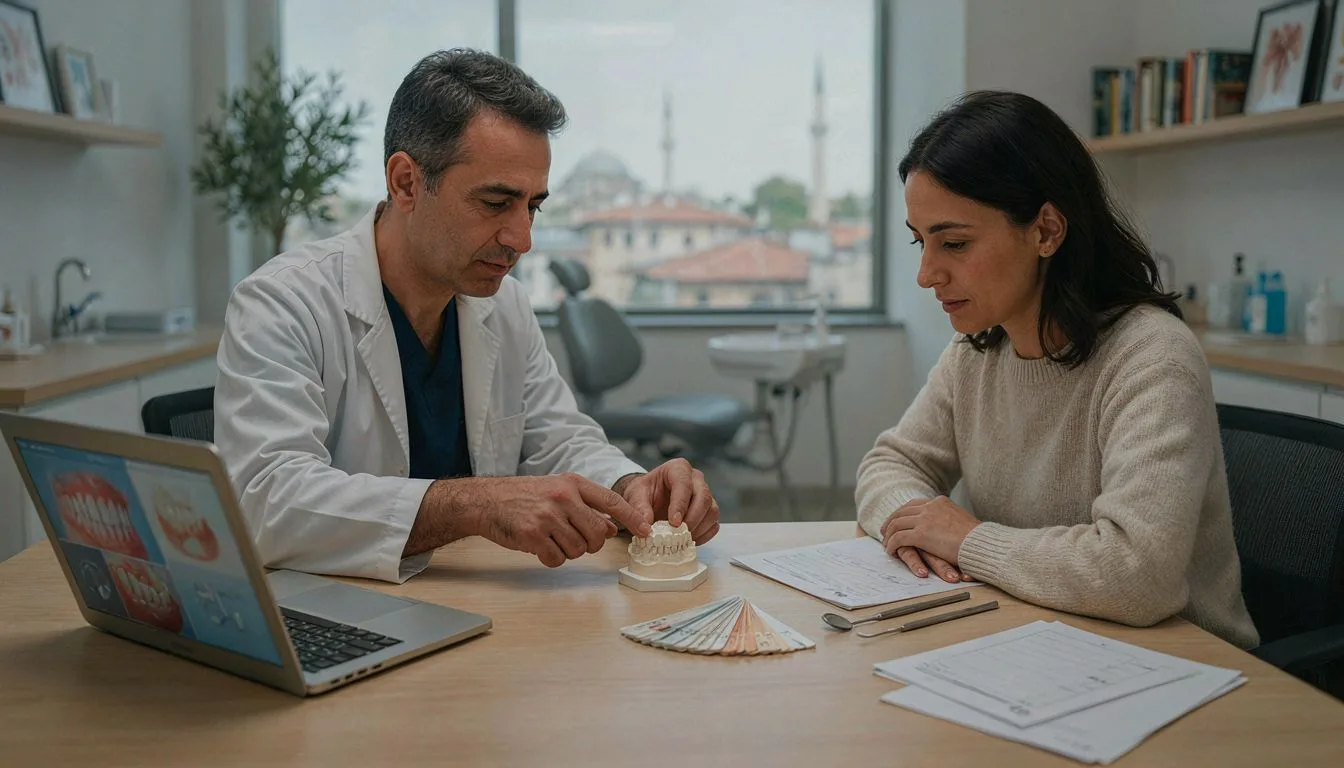
Assessing a clinic starts with identifying who will actually plan and perform your treatment. Check the dentist’s professional registration, qualifications, specific experience with veneers, and responsibility for the entire case. A clinic should be willing to provide the practitioner’s full name and explain which clinician handles examinations, preparation, laboratory communication, and fitting.
Pay close attention to the treatment-planning process. Before accepting a quotation, ask whether the clinic will document your teeth, gums, bite, and existing restorations, and whether it will discuss alternatives to veneers. You should receive understandable information about the proposed design, the amount of tooth preparation, expected limitations, and the possibility of changing the plan if untreated decay, gum disease, or bite problems are found.
A reliable provider should also explain the smile-design process rather than presenting a fixed result as guaranteed. Request copies of relevant photographs, scans, X-rays, and the written treatment plan. These records help you compare clinics and confirm that decisions are based on your oral health, not only on cosmetic preferences.
Independent evidence can provide useful context, but testimonials and polished before-and-after images require caution. Look for consistent examples, verifiable patient experiences, and reviews that discuss communication and planning as well as appearance. Be wary of pressure to book quickly, unusually guaranteed results, or reluctance to answer technical questions. Clear informed consent should explain the benefits, limitations, alternatives, and material risks before any irreversible preparation begins.
What Risks Can Arise During and After Treatment?
Veneer treatment can create lasting problems when healthy tooth structure is removed unnecessarily or the design does not match the patient’s bite and gum health. Irreversible enamel removal may increase sensitivity and, if preparation is excessive, can bring the pulp closer to irritation or infection. Some teeth may later require more complex treatment, particularly when decay, cracks, or pre-existing inflammation were not identified before preparation.
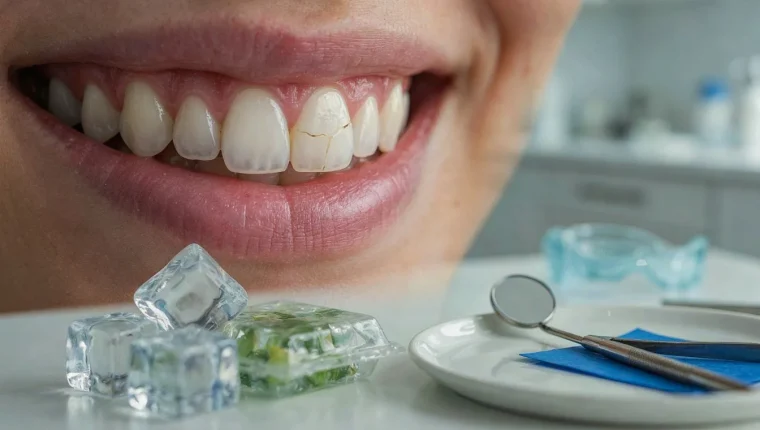
Gum irritation is another possible complication. Veneers with poor margins or excess contour can trap plaque, causing bleeding, swelling, recession, or persistent discomfort. An inaccurate bite may lead to jaw fatigue, tooth tenderness, headaches, or repeated chipping. Poor fit can also leave open edges where bacteria and food accumulate.
Aesthetic problems are possible as well. The final shade may differ from expectations, while asymmetry, bulky contours, visible margins, fractures, or debonding can make the result difficult to accept. Rushed work may be challenging to correct because additional adjustment can remove more tooth structure or require replacement.
These risks become more likely when assessment is incomplete or design goals are unrealistic, such as requesting very bright veneers without considering facial proportions or natural tooth position. General information cannot determine whether veneers are suitable for a particular person; a qualified dentist must examine the teeth, gums, bite, and radiographs before treatment.
What Long-Term Costs and Aftercare Should You Expect?
The initial quotation is only part of the financial commitment. Plan for professional cleanings, careful daily hygiene, and a night guard if you grind your teeth. Veneers may eventually need repair or replacement, so ask how long the clinic expects them to last under normal use and what future work may cost.
After returning home, complications or adjustments can add local consultation fees, emergency dental care, travel changes, and accommodation expenses. A written aftercare and warranty policy should state what is covered, which exclusions apply, how quickly the clinic responds, and who pays for transportation or laboratory charges if a remake is required.
Compare this realistic total with a suitable local option, including the value of accessible follow-up care. A slightly higher starting price may be more economical if it provides reliable review appointments, easier communication, and faster access to qualified treatment when maintenance is needed.
FAQs
What risks should you consider before choosing cheap dental veneers in Turkey?
Cheap dental veneers in Turkey may involve lower-quality materials, inadequate fitting, limited aftercare, or treatment from providers with insufficient qualifications, increasing the risk of pain, sensitivity, gum problems, damage to natural teeth, and an unnatural appearance. Correcting poorly placed veneers can require costly follow-up treatment or replacement, especially after returning home. Verify the dentist’s credentials, treatment plan, materials, clinic standards, and arrangements for complications before deciding.
How can you check whether a Turkish dental clinic offers safe, high-quality veneers?
Check the clinic’s dentist credentials, professional registration, verified patient reviews, and before-and-after cases. Confirm that it uses certified veneer materials, follows recognized sterilization and infection-control standards, and provides a detailed treatment plan, including suitability assessment, costs, aftercare, and information about risks. A reputable clinic should answer questions transparently and never pressure you to proceed.
What additional costs can arise after getting low-cost veneers abroad?
Additional costs may include flights, accommodation, local transport, consultation fees, X-rays, temporary veneers, follow-up visits, and treatment for complications. If the veneers fail or require adjustment after you return home, you may also pay a local dentist for repairs, replacement, or corrective treatment. Make sure the quoted price clearly states what is included before you commit.