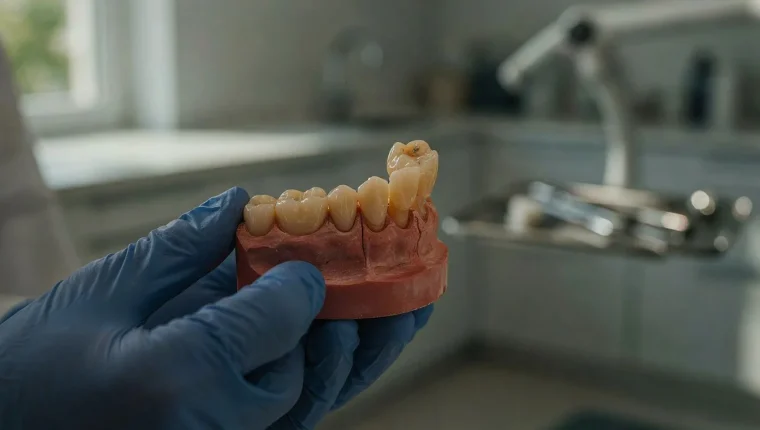
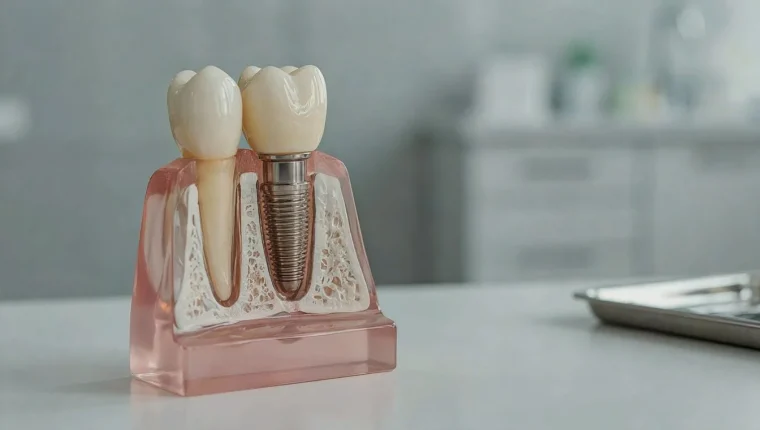
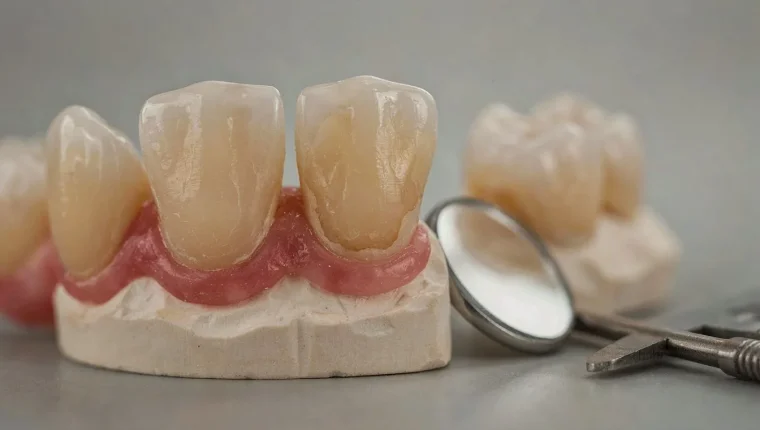
If you’re a Canadian comparing crown prices at home, you’ve probably noticed how often dental crowns Turkey package Canadians options come up in searches, forums, and word-of-mouth. The real question isn’t whether Turkey is cheaper — it usually is — but whether the whole trip, the timeline, and the follow-up make sense for your situation.
This guide walks through how these packages actually work: what’s typically included, how treatment unfolds over a short visit, how to plan your travel calendar, and how to compare a Turkish quote against a Canadian one without missing hidden costs. We’ll also cover how to judge clinics and what happens once you’re back home.
Every case differs, so treat this as a framework for asking the right questions rather than a promise of specific outcomes.
Why Canadians Choose Turkey for Dental Crowns
For many Canadians, the decision to travel for dental work is less about a single number and more about how the whole experience fits into their lives. One of the most practical pull factors is access and scheduling. In many parts of Canada, non-emergency dental appointments can involve waiting weeks or even months, and specialist referrals add another layer of delay. Turkish clinics that cater to international patients typically operate on a much faster rhythm, often confirming consultation and treatment dates within days rather than seasons.
That speed is supported by an established medical tourism infrastructure. From airport transfers and multilingual coordinators to clinics accustomed to treating foreign patients, the logistics have been refined over years of serving visitors from Europe, the Middle East, and North America. For Canadians, this means less guesswork about how to navigate an unfamiliar health system.
There is also the appeal of combining treatment with travel. Some patients appreciate the chance to recover in a different setting, or to bring a partner who can enjoy the trip while appointments take place. It turns a purely clinical errand into something closer to a planned break.
Honest caveats matter here. Travel fatigue is real, especially on the return leg, and a crown procedure still requires time off work and recovery. Being far from your usual support network can feel isolating if something needs attention. These are not reasons to avoid Turkey, but they are reasons to plan carefully rather than treat the trip as a simple transaction.
How Dental Crown Treatment Works During a Turkey Visit
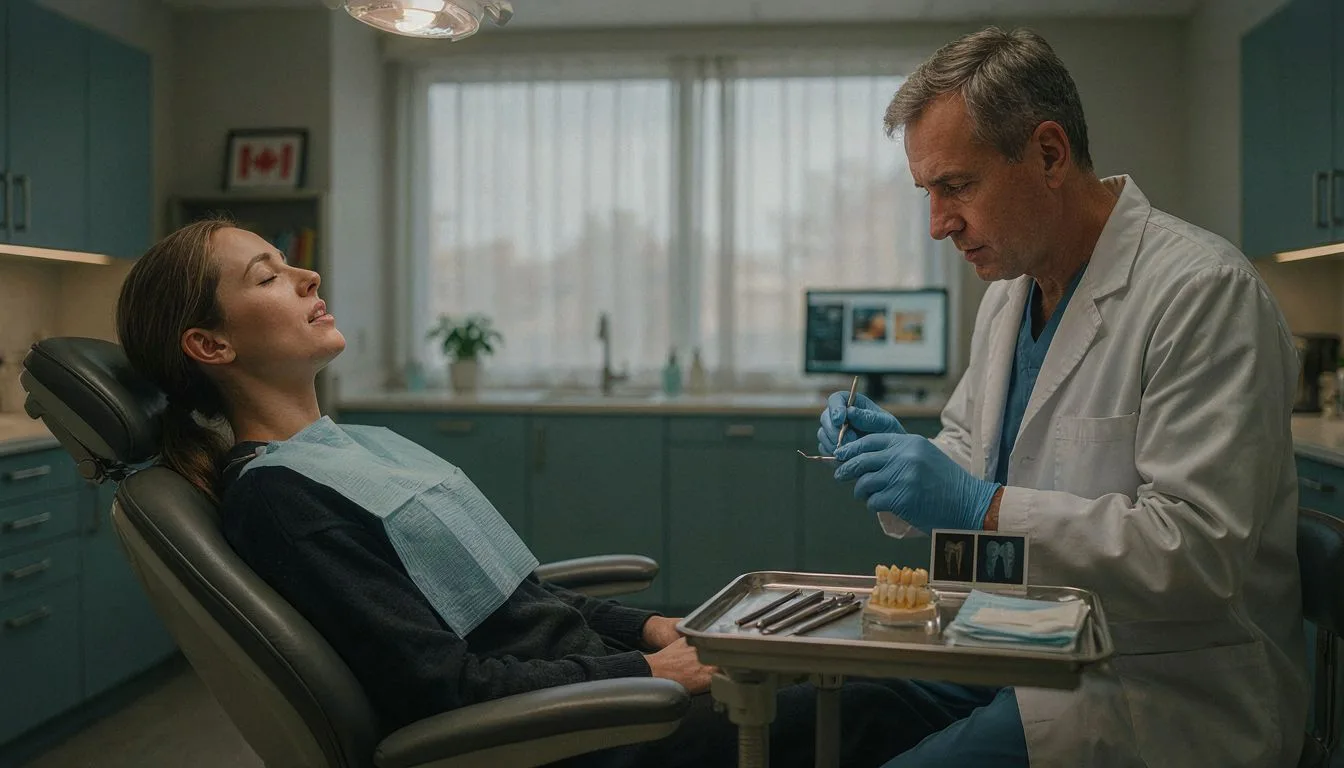
A crown visit begins with a consultation and diagnostic imaging. The dentist examines the tooth, takes X-rays or a panoramic scan, and confirms whether a crown is the right solution. You also agree on the material—zirconia, porcelain-fused-to-metal, or full ceramic—because it affects both appearance and strength.
Next comes tooth preparation. The dentist reshapes the tooth so the crown fits over it without feeling bulky. If little natural structure remains, a core build-up may be added first. Then the clinic captures the shape of your prepared tooth, either with traditional impression trays or a digital intraoral scanner. A temporary crown is placed to protect the tooth between appointments.
The final stage is fitting and cementing the permanent crown. The dentist checks the fit, adjusts the contact points, and confirms your bite alignment before bonding it in place. A high spot left uncorrected can cause soreness or jaw discomfort, so this step deserves your full attention — speak up if anything feels uneven.
Most single-crown cases involve two to three appointments spread across several days, which fits comfortably into a short trip. Multi-crown or full-mouth work adds preparation and fitting sessions, so the appointment count grows with the number of teeth treated. Your clinic should confirm the exact number before you book flights, since that figure shapes how long you need to stay.
What a Typical Dental Crowns Turkey Package for Canadians Includes
A quote only becomes useful once you can see what sits inside it. Most clinics in Turkey build their crown offers around a similar core, but the wording shifts from one provider to the next, and those small differences decide how much you actually pay once you land. Reading a package line by line is the only reliable way to tell a genuinely complete offer from a trimmed one.
Packages generally fall into three layers: the clinical work, the travel logistics, and everything left outside the bundle. The clinical layer is where the crown material and unit count matter most, since a zirconia crown and a metal-ceramic one carry different lab costs and different lifespans.
- Clinical items: the crown type, the number of units, laboratory fabrication, and the x-rays or scans taken before treatment.
- Logistics items: airport transfers, a set number of hotel nights, and interpreter or coordinator support during appointments.
- Frequently excluded costs: flights, meals, additional treatments discovered during examination, and any complication care.
- Wording that changes value: phrases like “up to” or “per unit” can quietly move the final figure well above the headline price.
A package that names its inclusions precisely, unit by unit and night by night, gives you something you can compare against another quote. One that lists only a starting price leaves the rest of your budget exposed.
Treatment Timeline and Trip Planning for Canadian Patients
Once you know what a crown visit involves, the practical question becomes: how many days off work should you actually book? For a single crown, most clinics ask you to plan around five to seven days in Turkey, though the treatment itself rarely fills that time. The first appointment typically covers preparation and impressions, and the final fitting happens a few days later once the restoration has been produced. Multiple crowns or a full smile makeover can stretch this to ten days or more, since more chair time and lab work are involved.
Build in a buffer day before your flight home. Crown fittings occasionally need minor adjustments, and a last-minute cementation or bite correction is far easier to handle when you still have a day in hand rather than racing to the airport. Arrival day should stay light too — many patients land, rest, and start treatment the next morning.
Several things can shift the schedule. Lab turnaround varies by clinic and crown material, healing after any extractions or gum work may need extra time, and revisions to fit or shade can add an appointment. Ask your clinic for a written day-by-day plan before you book flights, and keep your return date flexible if you can.
Cost Comparison Between Canadian Clinics and Turkish Packages
Comparing a Canadian quote with a Turkish package only works when you line up the same treatment on both sides. A single crown in Canada might be priced per unit, while a package often bundles multiple units, so cost-per-crown is the number that actually tells you something. If you’re replacing four crowns, a package covering all four is not comparable to a Canadian quote for one.
Material matters too. A base metal crown and a zirconia crown are not the same product, and a Turkish package that includes premium material may still undercut a Canadian quote for a mid-range option. Lab quality and turnaround time also shift the price on both sides.
Then add the costs that never appear on a dental invoice:
- Round-trip flights for one or two travellers
- Hotel nights before, during, and after treatment
- Airport and clinic transfers
- Unpaid leave from work
- Currency conversion and card fees
- Follow-up visits once you’re back in Canada
Savings tend to hold when you need several crowns and can combine treatment into one trip. They narrow when you need only one crown, travel with a companion, or require multiple visits that stretch across two trips.
| Cost Category | Canadian Clinic | Turkish Package |
|---|---|---|
| Crown work (per unit) | Higher, billed per crown | Lower, often bundled |
| Travel (flights) | Not applicable | Round-trip airfare for one or two |
| Accommodation | Not applicable | Hotel nights during stay |
| Transfers | Local transport only | Airport and clinic transfers |
| Follow-up | Included in local visits | May require return trip or local dentist |
Run the full total before deciding. A package that looks cheaper on the crown line can shrink once flights, hotel, and time off are added — and a Canadian quote that seems high may include follow-up you’d otherwise pay for separately.
Choosing a Qualified Clinic and Dentist in Turkey
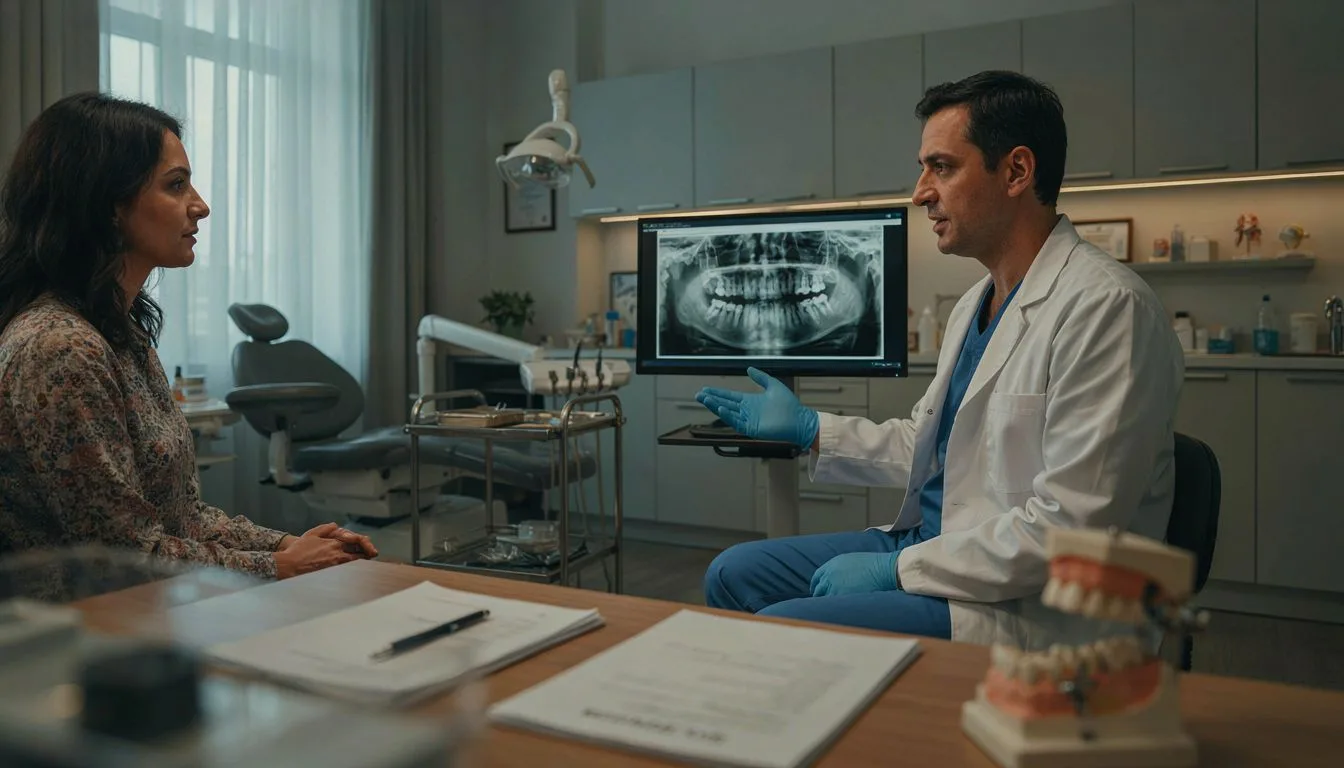
Before you send a deposit, the single most useful habit is to verify the provider rather than the promise. Turkish dental tourism is regulated, and legitimate clinics operate under the Ministry of Health with dentists registered through the Turkish Dental Association. Ask for the dentist’s full name, diploma number, and specialty certificate, then check whether that name appears on the clinic’s official registration documents — not just on a landing page. A dentist who performs crowns daily and can show continuing education in prosthodontics or restorative dentistry is a different proposition from a general practitioner filling gaps in a busy schedule.
Once credentials check out, shift your attention to how the clinic communicates. The strongest signal is a written treatment plan that names the tooth or teeth, the crown material, the number of visits, and the warranty period in specific terms.
- Reviews in patterns, not snapshots: Read twenty or thirty reviews across several platforms and look for repeated themes — consistent communication, on-time appointments, honest handling of complications. A single glowing testimonial tells you nothing; a recurring complaint about rushed fittings tells you a lot.
- Lab partners and materials: Ask which dental laboratory produces the crowns and whether the material is sourced from a named manufacturer. Reputable clinics answer this without hesitation and can provide material certificates.
- Warranty terms in writing: Confirm what the warranty covers, how long it lasts, and what happens if a crown fails after you return to Canada. Get this in the quote, not in a verbal aside.
- Pressure and vagueness as red flags: Limited-time discounts, requests for full payment before a consultation, quotes that never specify materials, and refusal to provide a written plan are all reasons to walk away.
A clinic that welcomes questions about its lab, its warranty, and its dentist’s registration is usually a clinic confident in its work. One that deflects those questions toward price is telling you something too.
Aftercare, Follow-Up, and Long-Term Crown Maintenance
Back in Canada, your crown still needs a local pair of eyes. Book a checkup with your home dentist within a few months of returning, and bring the Turkish clinic’s written treatment plan, material details, and any X-rays or photos they provided. A dentist who understands what was placed can monitor the margin, bite, and surrounding gum tissue properly rather than guessing.
Daily care is mostly familiar: brush gently around the crown, floss or use interdental brushes at the edges, and avoid chewing ice, hard candy, or opening packaging with your teeth. Grinding is the quiet enemy of any crown, so if you clench at night, a protective night guard is worth discussing.
Understand your warranty terms before you fly home. Most reputable clinics cover the crown itself for a set period, but the fine print matters — what counts as a defect versus normal wear, and whether a local dentist’s repair voids the agreement. Keep the warranty document with your travel records.
If something feels off — a sharp edge, a loose crown, or persistent sensitivity — contact the Turkish clinic first for guidance, but see a local dentist immediately if there is pain, swelling, or a fractured crown. Remote advice is useful; urgent in-person care is not something to delay.
FAQs
How much can a dental crowns Turkey package for Canadians typically save compared to treatment at home?
Canadians typically save between 50 and 70 percent on dental crown packages in Turkey compared to prices at home, where a single crown often costs CAD 1,000 to 2,000 while Turkish clinics commonly charge CAD 150 to 400 per crown. Because most packages bundle crowns with hotel stays and airport transfers, total savings on multi-crown treatments can reach several thousand dollars. Exact figures vary with the number of crowns, materials chosen, and the specific clinic, so patients should confirm a written quote before committing.
What is usually included in a dental crowns Turkey package for Canadians, such as hotel stays, transfers, or follow-up visits?
Most dental crown packages for Canadians in Turkey typically include the crown itself, airport transfers, and hotel accommodation for the duration of the trip, often bundled with clinic transportation. Many providers also add follow-up visits or a warranty period after you return home, though the exact inclusions vary by clinic.
How many days should Canadians plan to stay in Turkey for dental crown treatment and a safe return home?
Most Canadians should plan to stay in Turkey for about 7 to 10 days to complete dental crown treatment and return home safely. This timeframe typically allows for an initial consultation, tooth preparation, impressions, and fitting of the permanent crown, with a few buffer days in case of adjustments or minor complications. Because dental work can involve temporary crowns or multiple visits, a 7- to 10-day stay reduces the risk of needing a rushed return or follow-up care abroad.