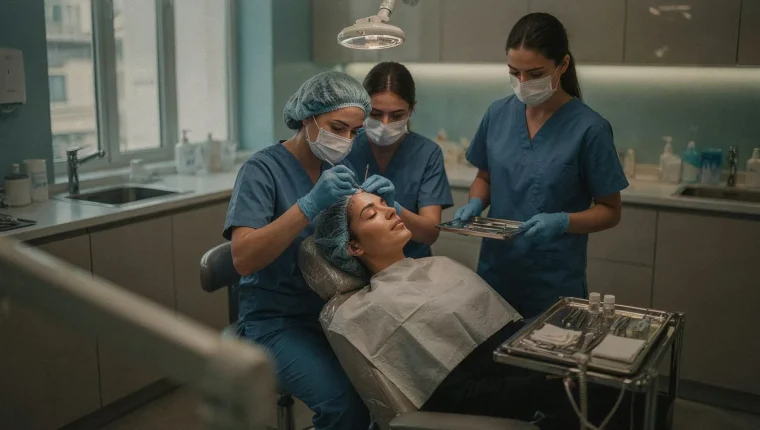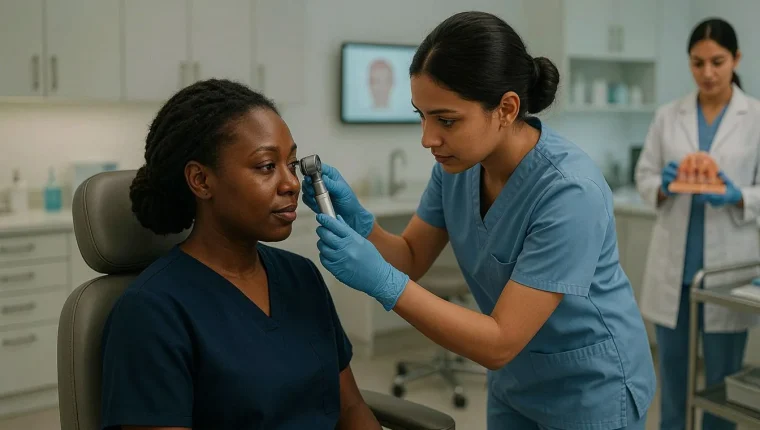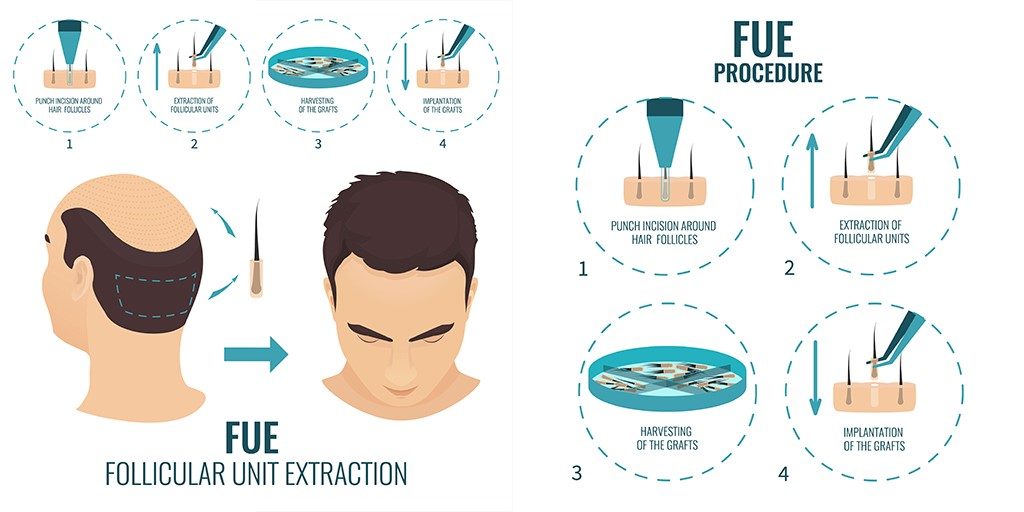
BIO FUE hair transplant is a modern hair restoration technique that moves healthy hair follicles from the donor area to areas affected by thinning or hair loss. It follows the basic principles of Follicular Unit Extraction (FUE), in which individual grafts are removed and implanted without creating a traditional linear scar. The term “BIO” may refer to the use of supportive solutions or biological approaches intended to help protect grafts during the procedure and support recovery. However, techniques and terminology can vary between clinics, so patients should ask exactly what the treatment includes. How does the process work, who may be a suitable candidate, and what should you expect during recovery? Understanding these points can help you compare BIO FUE with standard FUE and DHI before making a safe, informed decision.
What Is BIO FUE Hair Transplant and How Does It Work?
BIO FUE is a refined form of follicular unit extraction used in hair restoration. The method removes individual follicular units from the donor area—usually the back or sides of the scalp—rather than taking a strip of skin. These grafts are then prepared and placed into thinning or balding areas according to the patient’s natural hairline, hair direction, and available density.
The term “BIO” generally refers to the biological preparation or supportive steps used during treatment. Depending on the clinic’s protocol, this may include handling the grafts in a nutrient-rich solution, using growth-factor-based support, or applying other measures intended to protect follicles outside the body. The exact technique varies, so patients should ask which products and medical procedures are included rather than assuming that every clinic uses the same BIO FUE protocol.
The central technical principle is follicular unit extraction. A specialist uses a fine motorized or manual punch to carefully separate each graft from surrounding tissue. The grafts are kept moist and protected before implantation, since their condition can influence the healing process and future hair growth. Small recipient sites are then created in the scalp, and the follicles are inserted at carefully selected angles.
Because the procedure is performed as individual extractions, it usually leaves tiny healing points instead of a linear donor-area scar. However, it remains a surgical treatment and may involve swelling, tenderness, temporary shedding, and a recovery period. A consultation is needed to assess hair-loss progression, donor supply, scalp health, and whether this approach is medically appropriate.
Who Is a Suitable Candidate for BIO FUE Hair Transplant?
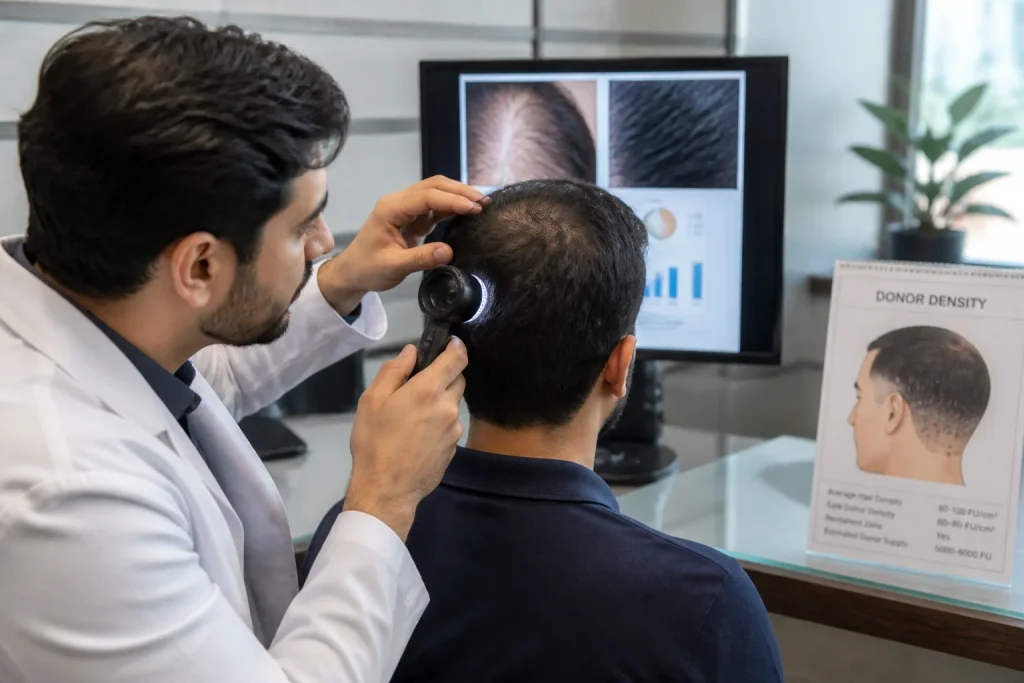
A suitable candidate is usually an adult with noticeable hair thinning or pattern hair loss who has realistic expectations about surgical restoration. The condition should be sufficiently stable for a specialist to predict how the hairline and density may develop over time. Younger patients with rapidly progressing loss may need medical evaluation and a longer-term treatment plan before considering surgery.
Adequate donor hair is one of the most important requirements. The back and sides of the scalp should contain enough healthy, stable follicles to provide grafts without creating visible thinning in the donor area. A consultation also assesses hair calibre, curl pattern, scalp condition, and the contrast between the hair and skin, since these factors influence the appearance of coverage.
People with male or female pattern hair loss, selected cases of thinning after trauma, or certain forms of stable hair loss may be considered. However, active scalp disease, uncontrolled medical conditions, or ongoing diffuse shedding can affect candidacy and may need treatment first. A surgeon should also investigate sudden or unexplained hair loss before recommending a transplant.
Expectations matter as much as physical suitability. The procedure redistributes existing follicles; it does not create unlimited new hair or guarantee a specific density. Patients should understand that growth develops gradually and that future loss in untreated areas may continue. During assessment, the clinician can discuss medications, alternative hair restoration options, the proposed hairline, and whether the available donor supply supports the desired result.
How Are Grafts Extracted and Placed During the Procedure?

Graft placement is planned around the patient’s natural hairline, existing density, and the direction in which the native hairs grow. After the donor area is prepared and local anaesthesia is administered, the surgeon removes follicular units carefully to protect the surrounding tissue and preserve the quality of each graft.
Graft handling and placement require precision at every stage. The extracted follicles are kept in a controlled solution until implantation, while the recipient area is prepared with tiny openings or channels. Their angle, depth, and spacing determine how naturally the transplanted hair blends with the existing hair.
- Donor area preparation: Hair in the selected donor region is trimmed, cleaned, and numbed before individual follicular units are accessed with a fine punch tool.
- Individual extraction: Each graft is removed separately through the FUE technique, with care taken to avoid transecting or damaging the follicle.
- Graft assessment: The clinical team sorts the follicles according to the number of hairs they contain and checks them for visible damage before implantation.
- Recipient site design: The surgeon creates implantation sites that follow the planned hairline and the natural growth pattern of the patient’s scalp.
- Implantation: Grafts are inserted into the prepared sites, usually placing finer one-hair units near the hairline and fuller units farther behind it.
The procedure may use forceps or an implanter device, depending on the clinic’s technique and the patient’s needs. The team also monitors graft moisture and handling time because follicles can be sensitive outside the scalp. Once placement is complete, the donor and recipient areas are cleaned and covered according to the surgeon’s instructions.
What Results and Recovery Can Patients Expect?

Recovery after a BIO FUE hair transplant is usually gradual, and the visible changes develop over several months rather than immediately. Mild redness, swelling, tightness, sensitivity, or small scabs may appear in both the donor and recipient areas during the first week. These effects generally settle as the scalp heals, although the exact timeline depends on the number of grafts, individual healing, and the technique used for implantation.
Many patients can return to light daily activities within a few days, but strenuous exercise, swimming, alcohol, and activities that cause heavy sweating may need to be avoided temporarily. The transplanted follicles remain delicate during early healing, so sleeping position, washing instructions, and protection from direct sun should follow the clinic’s guidance.
A temporary shedding phase, often called shock loss, can occur several weeks after treatment. This does not necessarily mean the transplant has failed; the visible hair shaft may shed while the follicle remains in place and enters a new growth cycle. New growth commonly becomes noticeable after several months, with density continuing to improve gradually. Final maturation may take around 9 to 12 months, and some patients require longer for the hairline or crown to develop fully.
Results depend on donor hair quality, graft survival, scalp health, genetics, and ongoing hair loss. Follow-up appointments allow the surgeon to assess healing and recommend suitable medical treatment if native hair continues to thin.
How Should the Scalp Be Cared for After Treatment?
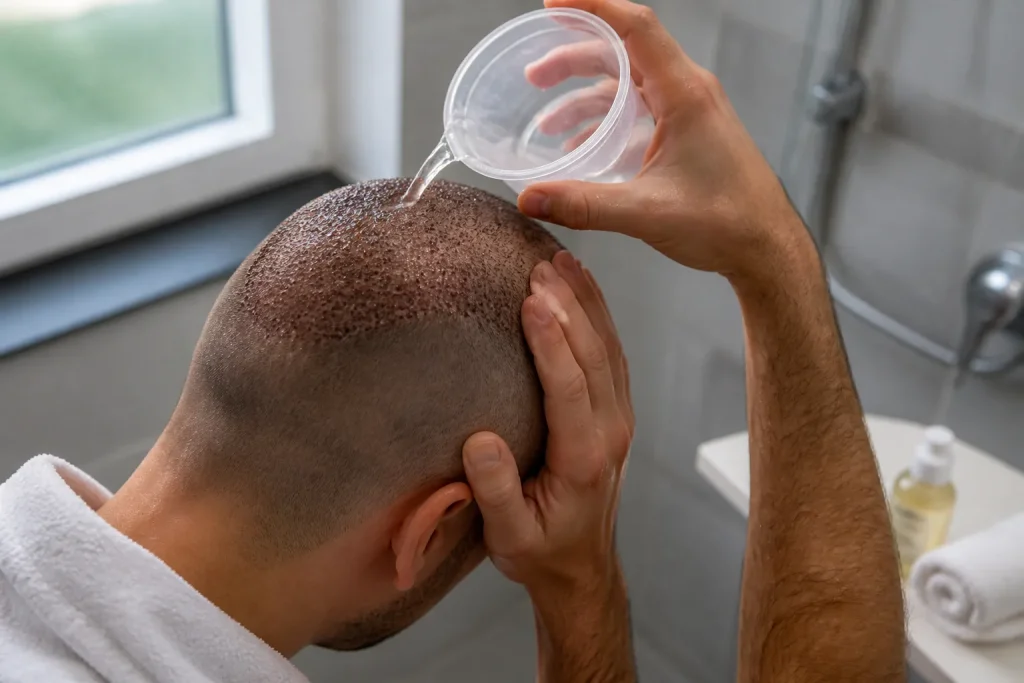
Careful aftercare protects the newly implanted grafts and helps the scalp recover comfortably. During the first few days, avoid touching, rubbing, scratching, or pressing the recipient area. Sleep with the head elevated, usually with extra pillows or as advised by the clinic, to help limit swelling. A loose, clean hat may be permitted, but only if the medical team confirms that it will not put pressure on the grafts.
Washing should follow the clinic’s specific instructions. Patients are often advised to wait for a short period before gently cleansing the scalp with lukewarm water and a mild, approved shampoo. Do not direct strong water pressure onto the recipient area, and avoid rubbing with the fingertips or towel. Pat the scalp dry carefully instead. Crusting can occur around the grafts, but it should soften and detach naturally rather than being picked away.
Protecting the grafts from friction and sun exposure is especially important during early recovery. Avoid strenuous exercise, swimming pools, saunas, and activities that cause heavy sweating until the surgeon allows them. Direct sunlight can irritate healing skin, so wear approved head protection or remain in the shade. Smoking and alcohol may interfere with recovery and should be avoided according to medical advice.
Contact the clinic if increasing redness, severe pain, significant bleeding, pus, fever, or rapidly worsening swelling develops. Continue any prescribed medication exactly as directed, and attend follow-up appointments so the donor and recipient areas can be assessed during healing and early hair growth.
FAQs
Is BIO FUE hair transplant painful?
BIO FUE hair transplantation is usually performed under local anesthesia, so you should not feel pain during the procedure. Mild soreness, tightness, swelling, or tenderness in the donor and recipient areas can occur afterward and is generally manageable with prescribed or recommended medication. Discomfort varies by individual, so follow your clinic’s aftercare instructions and contact your surgeon if pain becomes severe or worsens.
How long does it take for transplanted hair to grow?
New hair growth usually begins around three to four months after a hair transplant, although early progress can vary. Many patients see noticeable improvement by six months, while the final result typically develops between 12 and 18 months as the transplanted follicles mature and hair density increases. Temporary shedding during the first few weeks is common, and following your surgeon’s aftercare instructions supports recovery.
Can BIO FUE treat advanced hair loss?
BIO FUE may treat advanced hair loss if the patient has enough healthy hair follicles in the donor area and the recipient area can support graft placement. A specialist must assess the pattern of hair loss, donor density, scalp condition, and expected hair growth before recommending FUE, DHI, or another hair restoration approach. In extensive cases, coverage may be limited and staged treatment or realistic density goals may be necessary.