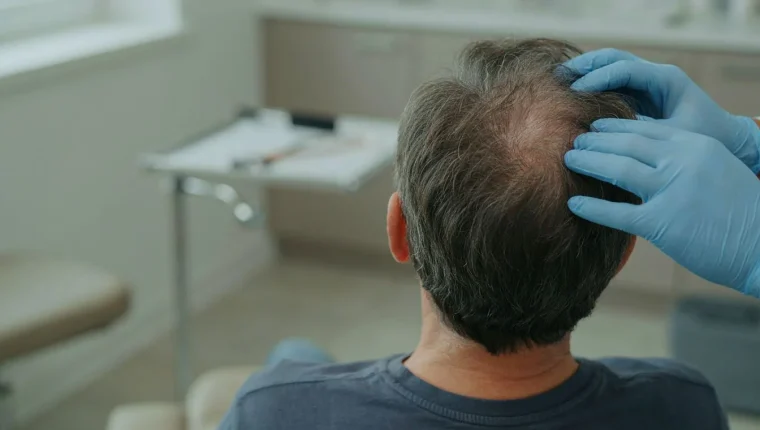
A low price can make a hair transplant in Turkey seem easy, but the cheapest package is not always the best value. The final result depends on more than the number shown in an advertisement. Surgeon involvement, treatment planning, safety standards, aftercare, and long-term hair management can all affect what you receive and what you may pay.
Some clinics keep prices competitive through lower operating costs and high patient volume, while others reduce costs by limiting medical supervision or excluding important services. The difference may not be obvious until recovery problems, poor graft placement, donor-area damage, or ongoing hair loss becomes apparent. Travel, medication, follow-up visits, time away from work, and possible corrective treatment can also change the true cost. Anyone considering a cheap hair transplant in Turkey should therefore compare the complete treatment process, the provider’s qualifications, the clinic’s safety practices, and the support available after returning home—not just the advertised package price.
Why Are Hair Transplants in Turkey So Cheap?
Hair transplant prices in Turkey can be lower because several operating costs are often less than those in Western Europe, the United States, or the United Kingdom. Staff wages, clinic overheads, and local service costs may be lower, while a high volume of international patients allows clinics to spread fixed expenses across more procedures. Competition between providers also encourages attractive package pricing, particularly in major medical tourism centres.
Some price differences can therefore reflect legitimate market advantages rather than poor treatment. However, a low quotation becomes concerning when the saving comes from reducing clinical input instead of controlling administrative costs. A clinic may rely heavily on technicians, limit the doctor’s involvement in planning or surgery, shorten consultations, or provide little individual assessment before accepting a patient. These choices can reduce expenses while increasing the risk of unsuitable hairline design, excessive extraction, or inadequate management of existing hair loss.
International patients may also receive lower prices because accommodation, transfers, and treatment are marketed together through high-volume medical tourism systems. This convenience does not automatically confirm medical quality. The key issue is whether the quoted price reflects efficient operations or reduced clinical oversight. Before comparing offers, ask who examines you, who performs each stage, how many patients the team treats that day, and how follow-up is handled if concerns arise after returning home.
What Is Included in a Low-Cost Package?
A low-cost package should be assessed as a scope of care, not simply as a headline price. Two clinics may advertise similar procedures while offering very different levels of treatment, assistance, and follow-up. Ask for an itemised quotation that explains exactly what is included, who provides each service, and which elements remain the patient’s responsibility. Looking beyond the advertised figure helps reveal whether the package offers a clearly defined pathway from consultation through recovery or merely combines selected services under a low price.
- Consultation and treatment planning: The package may include an initial assessment, hairline discussion, graft estimation, and a written plan. Confirm whether this is completed by the operating surgeon or only by a sales representative.
- The procedure itself: The quote should state the planned technique, estimated graft range, local anaesthesia, and whether extraction and implantation are covered. Vague promises of “maximum grafts” should be clarified before booking.
- Clinic-based support: Some packages include airport transfers, accommodation, translation, and transport to appointments. These services can be convenient, but they do not indicate the quality of the medical treatment.
- Immediate aftercare: Basic wound-care instructions, prescribed medication, and an early review may be included. Ask how follow-up is handled if concerns appear after returning home.
- Explicit exclusions: Flights, additional treatment, extra nights, companion costs, private consultations, or corrective care may not be covered. Every exclusion should appear in writing rather than being explained only verbally.
The most important distinction is between package inclusions and clinical accountability. A hotel room or transfer can make an offer look comprehensive without changing who plans the surgery or supervises the critical stages. Promotional wording such as “all-inclusive” may also conceal limits on graft numbers, follow-up access, or treatment for unexpected findings. The practical value of a package therefore depends not only on the services listed but also on the clarity of the medical responsibilities behind them.
Before comparing offers, request the same level of detail from each clinic and keep the written quotation with the consent documents. Missing information is not automatically evidence of poor care, but it makes the real commitment difficult to judge and can turn an apparently inexpensive choice into a more complicated financial and medical decision. A detailed comparison can also make it easier to identify which costs are predictable, which services are optional, and whether the promised support remains available after the procedure.
How Surgeon Experience Affects Results
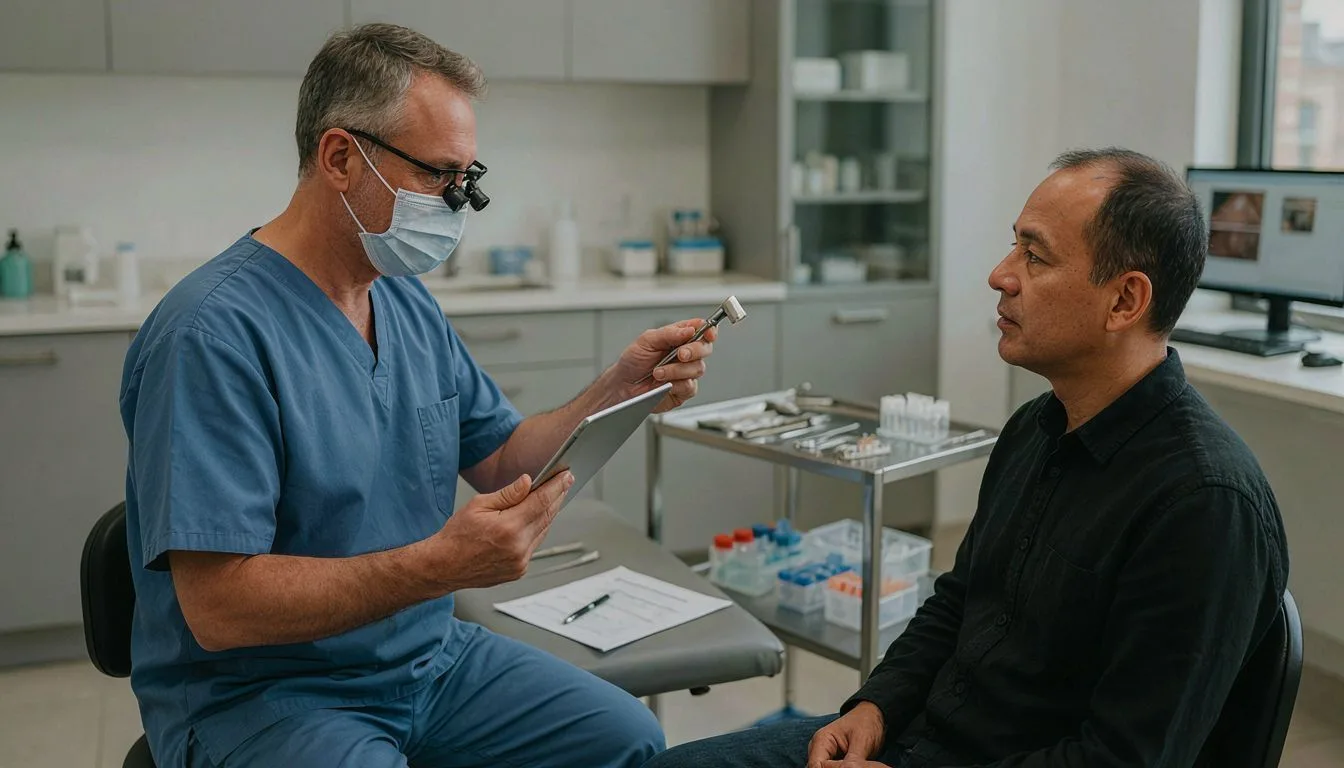
Surgeon experience influences the result long before the first graft is removed. A qualified doctor should assess the pattern and stability of hair loss, examine donor density, and design a hairline that suits the patient’s age, facial proportions, and likely future changes. This planning determines how many grafts are needed and where they should be placed, rather than treating every patient according to the same package formula.
Technical judgment also matters during extraction. The surgeon must select appropriate grafts, control the depth and direction of removal, and protect the donor area from unnecessary trauma or uneven depletion. Poorly controlled extraction can reduce the quality of available grafts and leave visible thinning, even when the number of transplanted follicles appears adequate.
Placement requires similar precision. Graft angle, direction, spacing, and distribution affect whether the hairline looks natural and whether the transplanted area blends with existing hair. An experienced surgeon can adapt the technique to differences in hair thickness, curl, skin characteristics, and donor supply instead of relying solely on a standardized operating routine.
It is also important to establish who will perform each stage. In some clinics, technicians carry out much of the extraction or implantation while the surgeon provides limited supervision. Delegation is not automatically unsafe, but the surgeon’s training, hands-on involvement, and responsibility should be clearly explained. A polished facility or persuasive sales consultation cannot substitute for verifiable medical experience.
When comparing providers, look for the surgeon’s full name, relevant qualifications, documented experience with comparable cases, and a clear explanation of personal involvement. Before-and-after photographs should be assessed critically, since lighting, styling, and follow-up periods can influence how results appear. The central issue is not simply how long a clinic has operated, but whether the responsible surgeon consistently makes sound decisions from diagnosis through graft placement.
Clinic Accreditation and Medical Safety Checks
A safe clinic should be verifiable before you evaluate its price. Promotional claims such as “accredited,” “international,” or “hospital-level care” are not enough on their own. Ask which authority licenses the facility, whether the responsible clinician is clearly identified, and whether the procedure takes place in an appropriately registered medical setting. Reliable answers should be supported by current documentation, not only website badges or messages from a sales coordinator.
- Facility licensing: Confirm that the clinic or hospital is legally authorised to provide surgical or medical procedures and that its registration applies to the actual treatment location.
- Responsible medical professional: Establish who examines you, approves the treatment plan, performs or supervises each stage, and remains accountable if a problem develops.
- Infection control: Ask how instruments are sterilised, whether single-use items are opened for each patient, and how the procedure room is prepared between treatments.
- Informed consent: You should receive understandable information about the proposed technique, expected limitations, relevant risks, and alternatives before signing consent documents.
- Emergency readiness: Find out how the clinic handles bleeding, allergic reactions, fainting, or other urgent events, including where you would be transferred if hospital care became necessary.
Documented medical accountability is more meaningful than a reassuring package description. Request the clinician’s full name and professional credentials, the facility’s official registration details, and written aftercare instructions that include a reachable medical contact. Be cautious if staff avoid direct answers, pressure you to pay before a proper assessment, or cannot explain who will be present during treatment.
Independent verification is preferable: check official health-authority records where available and compare the clinic’s documents with the details in your agreement. A recognised facility does not guarantee a perfect result, but transparent licensing, infection-control procedures, consent, and emergency planning provide a stronger foundation for judging whether the advertised savings are medically responsible.
Hidden Costs After the Procedure
The advertised procedure price is only the starting point of the financial calculation. Recovery may require more time, medication, protective products, and practical support than a short clinic visit suggests. These expenses become especially important for international patients, because returning home can make routine questions, unexpected symptoms, or additional appointments harder to manage. A realistic budget should therefore account for both expected recovery needs and the possibility of changes that arise after the procedure. Understanding these potential expenses in advance can make it easier to compare treatment plans and avoid financial surprises.
- Medication and recovery supplies: Prescribed medicines, cleansing products, dressings, or protective items may be charged separately and can vary according to the patient’s needs.
- Travel and accommodation: Extra nights may be necessary if recovery, scheduling changes, or communication with the clinic makes an immediate return impractical.
- Time away from work: Lost income, modified duties, and domestic assistance can increase the real cost, particularly when the patient has physically demanding work.
- Follow-up care: Remote reviews may be limited, while local medical assessments or additional visits can create costs that were not visible in the original quote.
- Complication-related care: If a problem develops, examination, treatment, or travel for in-person care may fall outside the package and require prompt payment.
These costs can vary according to the procedure, the patient’s health, the recovery timeline, and the distance from the treating clinic. Before booking, ask who remains responsible after you leave the clinic, how follow-up will be conducted, and which situations trigger extra fees. Obtain these answers in writing rather than relying on informal messages. It is also useful to clarify whether the quoted price includes routine reviews, prescribed medication, supplies, overnight stays, and treatment for problems that may occur during recovery.
Clear postoperative financial responsibility helps distinguish a genuinely affordable treatment plan from a low initial price that transfers medical and logistical costs to the patient. Reviewing these details before payment allows you to plan more accurately, arrange appropriate support, and make a decision based on the likely total cost rather than the advertised procedure price alone.
Long-Term Risks and Revision Needs
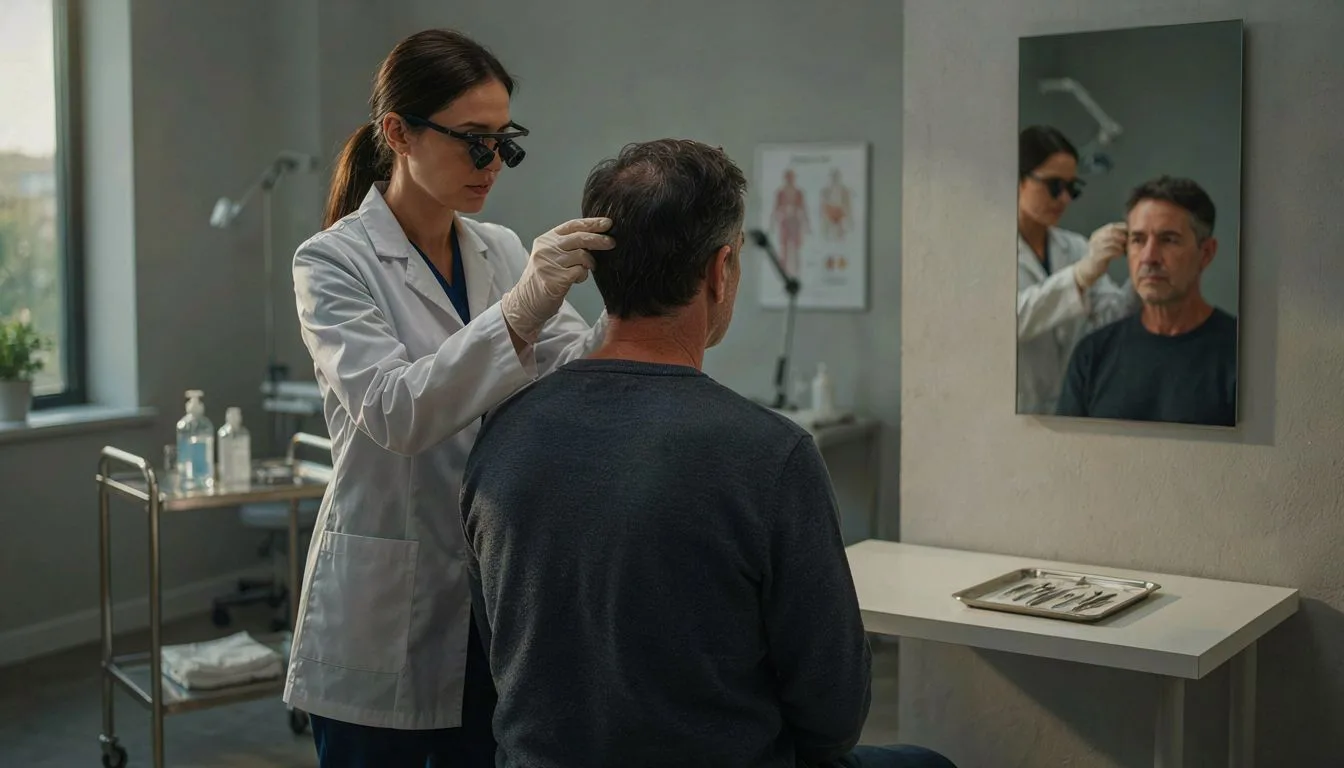
The long-term value of a hair transplant depends on more than how well the newly implanted grafts grow. If too many grafts are taken, the donor area may look patchy or overharvested, leaving fewer options for future treatment. An unnatural hairline, inconsistent graft placement, or poor density can also remain visible after healing and may be difficult to correct without additional grafts.
Another concern is ongoing loss of native hair. Transplanted follicles are generally more resistant to pattern hair loss, but surrounding untreated hair can continue to thin. Without a realistic long-term management plan, the result may become uneven over time, making medication, further transplantation, or other corrective care relevant. These needs are not guaranteed, but they should be considered before judging the initial price.
Revision surgery can be more complex than the original procedure because available donor hair is limited and existing grafts may need to be protected. A low-cost option may therefore become less economical if correcting poor growth, visible scarring, or an unstable hair pattern requires another procedure. The clinic should explain how it approaches follow-up and potential correction, rather than treating the first operation as the end of the treatment process.
FAQs
What risks can come with a cheap hair transplant in Turkey?
A cheap hair transplant in Turkey may involve inexperienced technicians, rushed consultations, inadequate hygiene, or poor aftercare, increasing the risk of infection, scarring, unnatural hairlines, and excessive graft harvesting. Low prices can also reflect limited follow-up care or unclear clinic credentials, so verify the surgeon’s qualifications, facility standards, treatment plan, and total costs before booking.
How can low-cost clinics affect the quality and safety of hair transplant results?
Low-cost clinics may cut expenses by using less experienced staff, lower-quality equipment, or inadequate hygiene and follow-up care, which can compromise graft survival, hairline design, and patient safety. In the context of a cheap hair transplant in Turkey, verify the surgeon’s qualifications, who performs each step, clinic accreditation, and the level of aftercare rather than choosing based on price alone.
What should I check before choosing a cheap hair transplant Turkey package?
Check the surgeon’s qualifications, clinic accreditation, who will perform each stage, and whether the quoted price includes consultation, medications, aftercare, and follow-up. Also verify the clinic’s independent reviews and before-and-after results, and ask about the technique, graft estimate, donor-area assessment, and possible complications. A very low price may reflect limited medical oversight or hidden costs, so compare the full treatment plan rather than the headline package price.