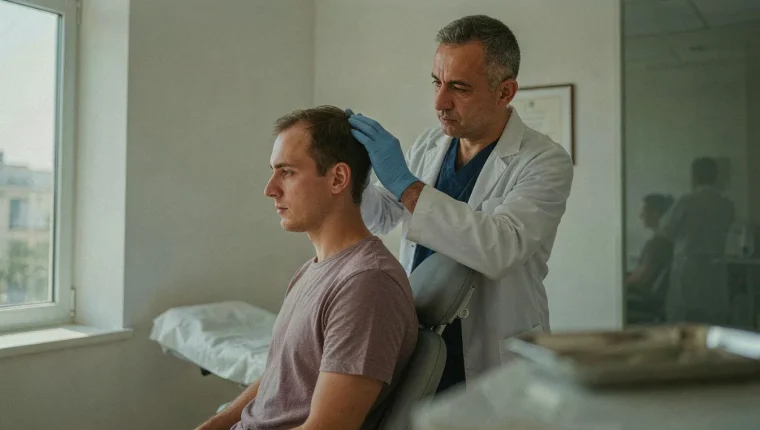
Choosing a hair transplant clinic in Turkey is a medical decision, not just a search for the lowest package price. The clinic you select can affect your safety, hairline design, graft survival, recovery, and long-term appearance. A reliable choice requires more than attractive photos or a high number of online reviews. You need to assess the clinic’s professional credentials, confirm how involved the named surgeon is, and understand whether the recommended technique suits your hair loss and donor area. Before you book, carefully consider safety standards, transparent pricing, realistic expectations, and dependable aftercare. Comparing these practical details helps you distinguish a suitable provider from a heavily marketed service. Whether you are looking for the best hair transplant clinic Turkey offers or comparing several established providers, focus on verified qualifications, clear communication, and a treatment plan based on your individual needs rather than destination appeal or headline savings.
What Qualifications Should a Turkish Hair Transplant Clinic Have?
A qualified Turkish hair transplant clinic should be able to show exactly who is medically responsible for your treatment. Ask for the full name of the surgeon, their medical registration details, and their role in consultation, planning, surgery, and follow-up. The clinic should also clearly identify its legal operator or ownership structure rather than presenting an unnamed team managed mainly through a sales office.
Pay particular attention to the clinic’s authorized healthcare facility status. The provider should be licensed or registered with the relevant Turkish health authorities for the services it advertises, and it should be able to explain where the procedure will take place. If surgery is performed in a hospital or licensed medical centre, request the facility’s name and verify that the arrangement is genuine. A polished website or international patient certificate is not a substitute for official authorization.
Medical oversight should remain visible throughout the process. Coordinators can assist with travel, scheduling, translation, and administrative questions, but they should not be the only people assessing your hair loss or promising a specific result. Before paying a deposit, you should have access to a qualified doctor who can review your medical history, examine your donor area, discuss realistic goals, and provide a treatment plan in writing.
Be cautious when a clinic avoids naming the operating physician, changes the surgeon after booking, or describes staff only as “specialists” without verifiable credentials. Request copies or links to relevant registrations and confirm that the person responsible for your care matches the information in your agreement.
How Do You Evaluate the Surgeon’s Experience?
A surgeon’s experience should be judged by the work they personally perform, not by the clinic’s total number of procedures. Ask who conducts the consultation, assesses your donor area, designs the hairline, extracts grafts, places them, and manages follow-up. If most of the procedure is delegated to technicians, the surgeon’s advertised experience may not reflect the care you will actually receive.
Look for relevant experience rather than a general claim such as “many years in practice.” A surgeon should be able to explain how they plan graft distribution, protect the donor area, and adapt hairline design to your age, facial proportions, existing hair loss, and future progression. Experience with cases similar to yours is particularly valuable, whether you need a conservative hairline, crown coverage, repair work, or treatment after previous surgery.
Request dated before-and-after photographs showing consistent lighting, angles, hair length, and a sufficient follow-up period. Ask whether the images belong to the named surgeon and whether they represent typical results or selected cases. A credible consultation should also include a realistic discussion of limitations, expected density, donor capacity, and the possibility of future hair loss.
High procedure volume can indicate familiarity, but it is not proof of individual skill or appropriate planning. Treat impressive numbers and promotional awards as claims to verify. The most useful evidence is transparent documentation, direct answers about surgeon involvement, and a treatment plan that clearly connects the surgeon’s experience to your specific pattern of hair loss.
Which Hair Transplant Techniques and Technology Are Offered?
A clinic’s technique menu should be judged by how well each option fits your case, not by how many branded procedures appear on its website. Follicular unit extraction (FUE) removes individual grafts from the donor area, while direct hair implantation (DHI) generally refers to implanting extracted grafts with a pen-like device. In practice, the quality of planning and execution matters more than the label attached to the procedure.
Ask how the clinic will assess your donor supply, hair-loss pattern, scalp condition and long-term goals before recommending a method. You should also understand how grafts will be extracted, sorted, stored and implanted, and how the hairline will be designed to look natural as you age. A suitable plan should protect the donor area rather than concentrate only on the number of grafts transplanted in one session.
Technology can support consistency, but it should not be presented as an automatic upgrade. Clarify which devices are used, whether they assist with extraction or implantation, and who operates them. Terms such as motorized punches, sapphire blades, implanter pens or robotic assistance describe tools, not guaranteed outcomes. The clinic should be able to explain why a particular tool is appropriate for your hair characteristics and proposed procedure.
Suitability should come before technology. A clinic that changes its recommendation after examining your scalp and donor area is showing a more individualized approach than one that promotes the same technique for every patient.
How Can You Verify Clinic Safety and Hygiene Standards?

Clinic safety is best verified through specific questions about how care is delivered, not through polished photographs or reassuring marketing claims. Ask who will be present during the procedure, which staff members are clinically trained, and whether the surgeon remains responsible for key medical decisions. The clinic should clearly explain who performs each stage of treatment and how supervision is maintained.
Pay close attention to infection-control protocols. Instruments should be sterilized according to documented procedures, single-use items should be opened appropriately, and the treatment room should be clean, organized and suitable for a medical procedure. You can ask how instruments are processed between patients, how surfaces are disinfected and what steps are taken if a contamination concern arises.
Before travelling, provide a complete medical history, including allergies, chronic conditions, previous surgeries and current medications. A responsible clinic should review this information, identify contraindications and explain whether any medication needs to be adjusted by a qualified clinician. It should also describe how bleeding, allergic reactions, fainting or other unexpected problems would be managed, including access to emergency services and escalation to a hospital when necessary.
Confirm that the treatment takes place in a clearly identified clinical facility rather than an improvised or undisclosed setting. Request written consent documents, procedure details, contact information and instructions for reporting concerns. These records should be available before you commit to travel, allowing you to assess whether the clinic’s safety practices are transparent and professionally organized.
What Should You Compare in Treatment Plans and Pricing?
Price comparisons are meaningful only when each clinic is quoting the same scope of treatment. A lower figure may reflect fewer services, limited surgeon involvement, or important costs being left outside the package. Start by asking how the proposed graft number was determined and whether the plan explains the expected coverage, donor-area limits, and long-term conservation of available hair.
Request a written quotation before making a decision. The document should identify who performs each stage, what consultations are included, and whether accommodation, airport transfers, medication, follow-up appointments, taxes, and interpretation are covered. Pay particular attention to clinical involvement of the named surgeon; a consultation with a doctor does not necessarily mean that the doctor will plan, supervise, or perform the procedure.
| Comparison field | Questions to ask | Why it matters |
|---|---|---|
| Treatment scope | What graft count, sessions, and procedural steps are proposed? | Prevents misleading comparisons based on different treatment plans. |
| Surgeon involvement | Who designs the plan and performs or supervises each stage? | Clarifies professional responsibility and hands-on medical oversight. |
| Included services | Are consultations, transfers, accommodation, medication, and follow-up included? | Reveals the true total cost. |
| Exclusions | Which taxes, tests, extra nights, or medicines must be paid separately? | Reduces unexpected expenses after booking. |
| Revision policy | What support applies if the outcome requires further assessment? | Shows how the clinic handles responsibility beyond surgery. |
Be cautious when a clinic recommends a high graft count without a clear clinical explanation, or presents an unusually low price without detailing staffing, facility arrangements, and follow-up. The most useful quote is not necessarily the cheapest; it is the one you can understand, verify, and compare without guessing what has been omitted.
How Do You Assess Patient Reviews and Aftercare Support?

Patient reviews are most useful when they reveal how a clinic communicates throughout the treatment journey, not simply whether patients report attractive results. Look for detailed accounts that explain the consultation, travel arrangements, surgery day, recovery and follow-up. Reviews posted at different times can show whether communication remains consistent after the initial procedure.
Give greater weight to feedback that describes specific experiences than to short five-star comments. Compare recurring themes across independent platforms, and consider whether reviewers mention delays, unclear instructions, difficulty contacting staff or unexpected changes. Clinic-published testimonials and before-and-after photographs can provide useful context, but they should be read alongside independent feedback rather than treated as the only evidence.
Before booking, ask how remote aftercare communication is organized. Confirm who answers wound-related questions, how progress photographs are reviewed, when routine check-ins occur and what happens if symptoms appear after you return home. A reliable process should identify a named contact or clinical team, provide clear instructions and explain when local medical assessment is required.
Also establish who remains responsible for communication after the patient leaves Turkey. The person handling travel arrangements may not be qualified to answer clinical questions, so ask whether a nurse, doctor or surgeon reviews concerns when necessary. Written aftercare guidance, realistic response times and a defined escalation route are stronger indicators of support than general promises of “lifetime care.”
FAQs
What should I check when comparing the best hair transplant clinic Turkey options?
Compare the surgeon’s qualifications, experience, accreditation, and documented results rather than judging clinics by price alone. Check what the package includes, who performs each stage, the clinic’s hygiene standards, patient reviews, follow-up care, and whether the proposed technique suits your hair loss pattern. A proper consultation should provide a realistic assessment and a clear, personalized treatment plan.
How can I verify a clinic’s surgeon qualifications and experience?
Check the surgeon’s medical license, board certification, specialist training, and hospital privileges through official medical or professional regulatory bodies. Review their experience with the specific procedure, including how often they perform it and whether they can provide verified before-and-after results and patient references. A reputable clinic should answer these questions transparently and explain the surgeon’s qualifications without relying solely on marketing claims.
What costs and aftercare services should a reputable Turkish hair transplant clinic include?
A reputable clinic should provide a transparent package covering the consultation, surgeon’s fees, procedure, medications, accommodation or transfers if included, and clearly stated taxes or additional charges. Aftercare should include follow-up appointments, wound-care instructions, prescribed medication, access to the medical team, and prompt support for complications or concerns. The clinic should also explain what is included before you book, without pressuring you to accept unnecessary extras.