Keeping existing hair unshaved during a transplant may preserve a familiar appearance, but it does not make the procedure non-surgical or suitable for everyone. No-shave hair transplantation describes approaches that avoid shaving the entire head; some may still require small, concealed areas to be trimmed. Whether this is practical depends on the treatment plan, donor hair, recipient area, and number of grafts involved. It is also important to consider the time and care required, along with healing, visible changes, and cost. A suitable approach should balance discretion with realistic expectations for individual needs.
Who Is a Good Candidate for a Hair Transplant Without Shaving?
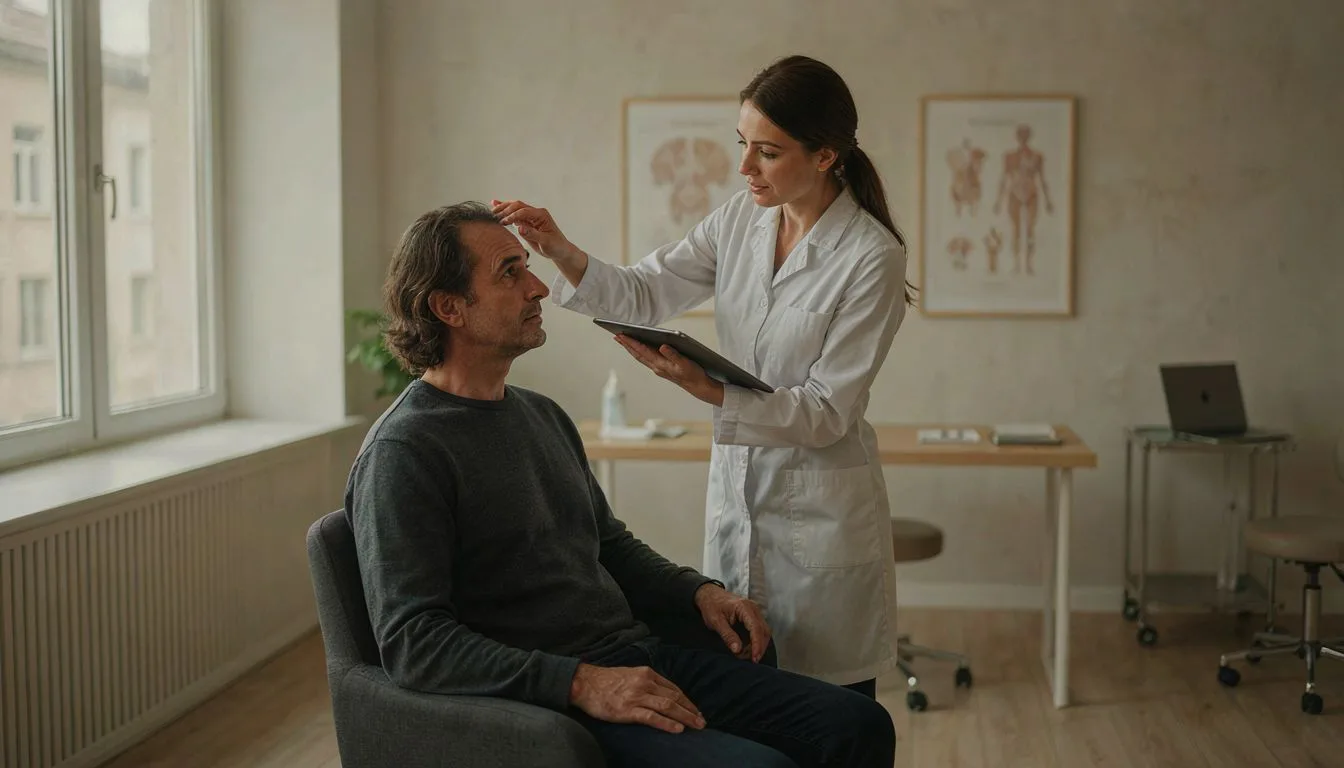
A no-shave approach may appeal to people who want to keep their hairstyle intact or limit how noticeable a change is while returning to daily routines. It may be worth discussing with a clinician if avoiding a full shave is a priority, but that preference alone does not determine whether the approach is suitable.
A key consideration is whether the surgeon can access enough healthy donor hair while leaving surrounding hair long. The planned transplant also matters: a limited area may be easier to address without shaving than a larger session requiring access to more of the donor region. Keeping hair long can restrict visibility and working space, so it may affect the number of grafts that can be placed or the treatment plan recommended.
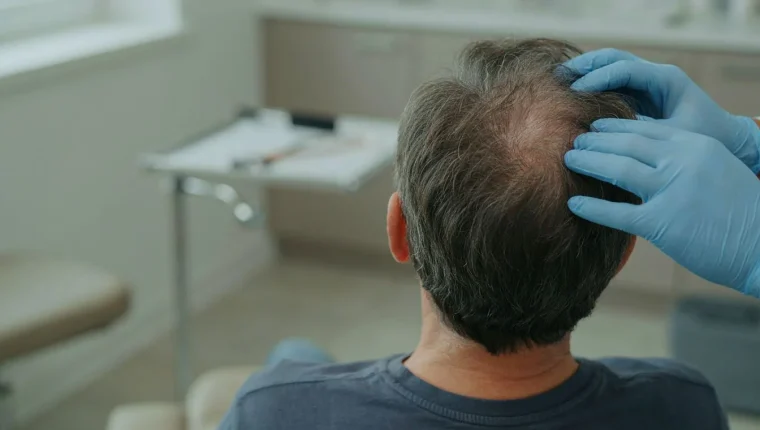
Donor-area access and the recipient area’s needs must be assessed together. A clinician can examine hair density, the pattern of hair loss, and the goals for coverage before advising whether an unshaven option is practical. If the approach would compromise access or the proposed plan, discussing alternatives may lead to a more suitable recommendation.
Which No-Shave Techniques Are Available?
No-shave transplantation can involve different levels of trimming; it does not always mean every hair remains at its original length. The main options include unshaven FUE, partially shaved FUE, and approaches that leave longer hair over treated areas to help conceal them. The distinction is where hair is shortened and how much access the team needs.
With unshaven FUE, individual donor hairs are extracted without shaving the surrounding area, preserving its overall length. This can make the donor site less obvious, but working around longer hair may limit access and make the process more demanding. It may not suit every extraction plan or graft requirement.
In partially shaved FUE, a small donor strip or selected patches are trimmed while the surrounding hair stays long enough to cover them. This provides clearer access to the extraction area while keeping the change less visible than shaving the whole head. The size and placement of the trimmed zone vary with the treatment plan.
Recipient-area trimming is another consideration: some approaches shorten hair where grafts will be placed, while others work between existing longer strands. Leaving hair longer may help disguise treatment zones, but can restrict visibility and working space. The appropriate method depends on the area being treated, the required access, and the patient’s preference for concealing trimmed sections.
How Does the Procedure Work?
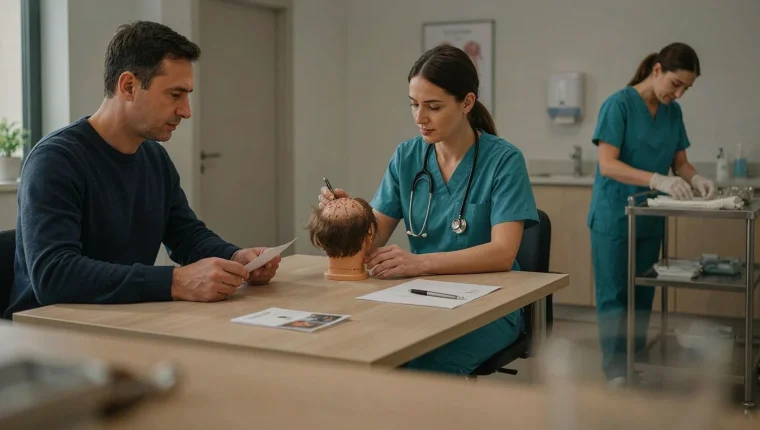
The process begins with a consultation and treatment plan tailored to the areas being restored and the available donor hair. The clinician assesses the scalp, discusses the intended coverage, and decides how to preserve enough access to the donor area and recipient sites while keeping surrounding hair unshaved. Before treatment, the team explains preparation instructions, anesthesia, and what to expect on the day; follow the clinic’s specific guidance, since protocols can vary.
During the procedure, the donor area is prepared according to the selected approach. Hair may be trimmed only in limited sections, or left uncut where feasible, so the clinician can access and remove follicular units. Each graft is handled carefully and kept ready for placement. The recipient area is then prepared, and grafts are inserted in line with the planned direction, angle, and distribution. Working around longer hair can affect visibility and access, so the pace and workflow may differ from a fully shaved procedure.
Graft handling is important throughout: the team must protect extracted follicles while coordinating removal and placement. Afterward, the clinic provides instructions for caring for the scalp, including how to wash it and avoid disturbing the grafts. Follow those directions closely, and ask the care team before changing or adding products or medications.
What Results and Recovery Can You Expect?
Recovery and visible change happen on different timelines. In the early healing period, the scalp may look red or show small scabs around the treated areas, and some temporary swelling or tenderness can occur. These effects generally settle as healing progresses, but their duration and visibility vary. Keeping surrounding hair unshaved may help conceal treated areas for some people; it does not prevent normal healing signs.
Transplanted hairs commonly shed in the weeks after treatment before new growth begins. This shedding is an expected part of the cycle and does not, by itself, indicate that the grafts have failed. Visible growth develops gradually over subsequent months, so an early appearance is not a reliable measure of the final outcome. The timing and density of growth differ between individuals, and results also depend on factors such as hair characteristics, donor supply, and the treatment plan.
Unshaven technique does not guarantee faster recovery or better growth. Avoiding a full shave mainly changes how the procedure is approached and how much existing hair remains available to cover the scalp; it does not alter the underlying growth cycle. Follow your clinician’s instructions and ask when specific activities or hair-care routines can safely resume, since guidance should reflect your procedure and healing progress.
How Much Does a No-Shave Hair Transplant Cost?
There is no single standard price for a no-shave hair transplant. A quote should first reflect the planned scope of treatment, including the number of grafts recommended and the area to be addressed. The proposed method may also affect the estimate, since unshaven procedures can involve different levels of preparation and clinical work.
Clinic-specific factors matter too. The surgeon’s assessment, the team’s experience, the location of the clinic, and the services included in the treatment package may all influence the quoted amount. These details make headline prices difficult to compare unless each estimate describes a similar plan.
Ask for an itemized explanation of the total treatment cost: whether it covers consultation, procedure-related care, follow-up appointments, and any recommended aftercare. Confirm whether the graft estimate and proposed approach are based on your individual assessment, rather than assuming a package price applies to every patient. If two quotes differ, ask what accounts for the difference and whether the same areas and services are included. A clear estimate should explain what you are paying for and identify any potential additional charges, so you can compare options on a like-for-like basis.
FAQs
Can a hair transplant be performed without shaving the recipient area?
Yes, a hair transplant can be performed without shaving the recipient area. The surgeon places grafts between the existing hairs, though the procedure may take longer and require careful handling to protect surrounding hair. Whether this approach is suitable depends on the recipient area and the patient’s hair loss pattern.
Who is a good candidate for a hair transplant without shaving?
Good candidates for a hair transplant without shaving usually have mild to moderate hair loss, enough healthy donor hair, and a preference for keeping their hairstyle during recovery. The approach may suit people with longer hair, though it can take more time and may not be appropriate for every pattern of hair loss. A qualified surgeon can assess donor density, treatment goals, and the best technique.
Does avoiding shaving affect hair transplant results or recovery?
Avoiding a full shave generally does not reduce a hair transplant’s effectiveness or slow recovery, provided the surgeon can safely access the donor and recipient areas. Unshaven techniques may take longer and require careful aftercare, and your surgeon may recommend trimming limited areas to improve visibility and precision.