Hair loss can affect the hairline, temples, crown, or overall density, and its pattern may change over time. Because these changes can have different causes, surgical hair restoration is not suitable for every woman. Hair implants for women may be an option when the loss pattern and available donor hair support a natural-looking result, but treatment choice depends on individual circumstances. Understanding the procedure, recovery, likely timeline, and practical considerations can help set realistic expectations. A qualified clinician can assess the cause of hair loss and discuss whether surgery, another treatment, or a combination of approaches is appropriate.
Who Is a Candidate for Hair Implants?
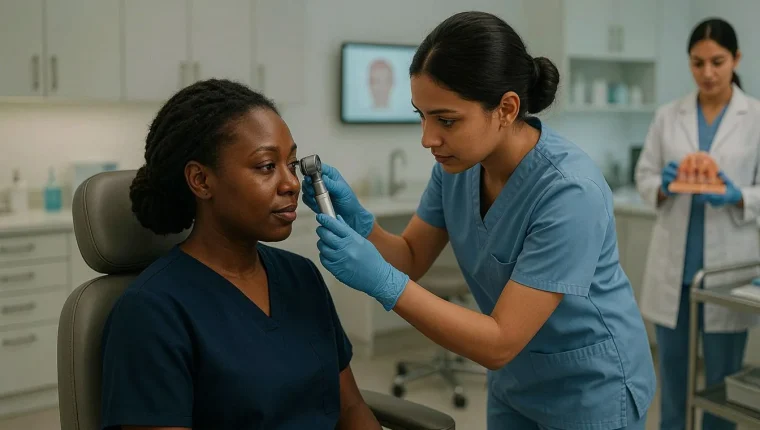
Whether transplantation is appropriate depends first on why a woman is losing hair and how that loss is changing over time. A clinician will review her medical history, examine the scalp, and assess the pattern and progression of thinning. Blood tests or other evaluation may be recommended when symptoms suggest an underlying condition. Identifying the cause matters because surgery does not treat the processes that may be driving ongoing hair loss.
A key consideration is the relationship between the thinning area and the supply of healthy follicles available for relocation. The clinician evaluates the density and quality of potential donor hair, often from the back or sides of the scalp, and considers whether moving it could provide meaningful coverage without making the donor area look sparse. The likely result also depends on the size and location of the area being treated.
Stable, pattern-specific hair loss may support candidacy when there is enough suitable donor hair and the expected benefit is realistic. By contrast, diffuse thinning across the scalp can make donor supply harder to establish, while rapidly changing loss may require diagnosis or treatment before surgery is considered. Some autoimmune or scarring conditions, active scalp problems, or health factors affecting healing may also lead a clinician to recommend delaying or avoiding a procedure. A consultation should therefore establish both whether transplantation is medically appropriate and whether it is likely to meet the patient’s goals.
Which Hair Restoration Options Are Available to Women?
Women may consider transplantation or non-surgical treatments, depending on the pattern of thinning, the amount of suitable donor hair, and what they hope to improve. A clinician can explain which options are realistic for a particular case; no method is appropriate for everyone. The available approaches differ in how they address hair loss: some move follicles, while others aim to manage ongoing loss or create the appearance of greater density. Understanding these distinctions can help women discuss suitable options with a clinician.
- FUT (strip surgery): A surgeon removes a narrow strip of scalp from the donor area and prepares grafts from it. This can provide multiple grafts, but it leaves a linear scar and may not suit women who prefer to wear their hair very short.
- FUE (follicular unit extraction): Individual follicular units are taken from the donor area, leaving small, scattered scars rather than one linear scar. The available donor supply and the distribution of thinning affect whether this approach is suitable.
- Medication: Depending on the cause of hair loss, a clinician may recommend treatments such as topical minoxidil. Medication may help manage ongoing loss, but it does not transplant follicles into areas with reduced density.
- Scalp micropigmentation: This cosmetic technique adds pigment to create the appearance of greater density. It does not grow hair, so its role differs from transplantation and medication.
Transplantation generally requires a usable donor area and a pattern that allows follicles to be moved without creating visible thinning elsewhere. When loss is diffuse or still changing, non-surgical care may be considered instead or alongside a surgical plan. The choice should reflect the diagnosis, donor limitations, desired coverage, and willingness to maintain treatment over time. A clinician can help weigh these factors and explain what each option can realistically achieve for an individual woman.
What Happens During the Implant Procedure?
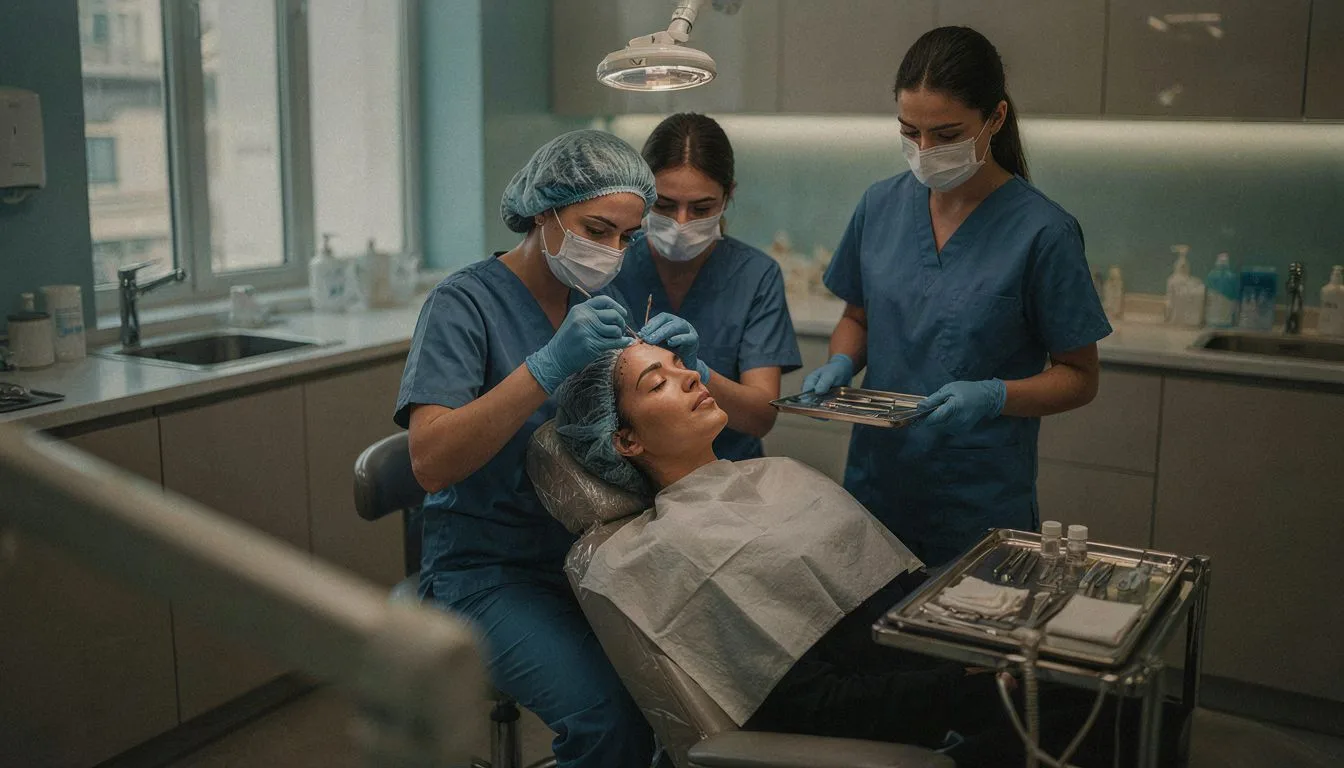
The process begins with a consultation and a plan tailored to the areas being treated. The clinician reviews the scalp, discusses the intended hairline or coverage, and identifies a donor area with suitable follicles. Before surgery, the team explains the steps, anesthesia plan, and any preparation instructions; patients should ask about medicines or supplements rather than changing them without guidance.
On the day, the scalp is cleaned and local anesthesia is typically used. The extraction method determines how donor hair is collected: with FUE, individual follicular units are removed, while FUT involves taking a narrow strip of scalp that is then divided into grafts. The clinician prepares the recipient sites and places grafts according to the plan, taking account of direction and spacing for a natural-looking distribution. The procedure may take several hours, depending on the number of grafts and the technique used.
Before leaving, patients receive instructions for caring for the scalp, including how to keep the area clean and when to resume routine activities. Following the clinician’s specific guidance is important; avoid rubbing or disturbing the treated areas, and contact the clinic if unexpected concerns arise. The exact instructions vary with the procedure and individual circumstances.
What Results and Recovery Can Women Expect?
Recovery usually begins with temporary tenderness, swelling, or scabbing around the treated areas. These effects vary, and the clinic’s aftercare instructions should guide washing, activity, and care of the scalp. Early appearance is not a reliable indication of the final result: transplanted hairs may shed in the weeks after treatment, while the follicles remain in place.
New growth develops gradually rather than appearing all at once. It may take several months before changes become noticeable, and fuller results can take around a year or longer, depending on the individual and the treatment plan. This gradual timeline is known as the hair growth cycle. Follow-up with the treating clinician can help assess progress and address concerns during recovery.
The outcome may look different from one woman to another. Transplanted hair can improve coverage in selected areas, but it does not guarantee a particular density or restore the hair of an earlier age. Existing hair loss may also affect how the overall appearance changes over time. Keeping expectations realistic and following professional care guidance are important while the scalp heals and growth develops.
What Factors Affect the Cost and Long-Term Success?
The total cost depends on more than the number of grafts. The area being treated, the amount of coverage sought, the chosen technique, and the time and expertise involved can all affect a clinic’s quote. Fees may also differ in what they include, such as consultations, follow-up visits, or aftercare. Compare written treatment plans rather than relying on a headline price, and ask what could lead to additional costs.
Long-term satisfaction depends partly on how well the plan accounts for ongoing hair loss. Transplanted follicles may continue to grow, but existing hair can thin over time, changing the overall appearance. Donor hair is limited, so its supply and suitability influence how much coverage is realistic and whether future treatment options can be preserved.
During consultation, ask how the clinician expects your hair loss to progress, what outcome is achievable with your donor supply, and whether a continuing care plan may be appropriate. Clarify the provider’s experience with women’s hair-loss patterns, the likely follow-up schedule, and what the quoted fee covers. These details help you weigh affordability against a plan designed to remain appropriate as your hair changes.
FAQs
Who is a good candidate for hair implants for women?
A good candidate for hair implants is a woman with stable hair loss, enough healthy donor hair, and realistic expectations about the results. A specialist can assess the cause and pattern of hair loss, since conditions such as ongoing diffuse thinning may make implants unsuitable or require treatment first.
What results can women realistically expect from hair implants?
Hair implants can create natural-looking fullness in areas of thinning, but they do not restore the original density or prevent ongoing hair loss. Results vary with the cause and extent of thinning, donor-hair quality, and the treatment plan, and visible growth typically takes several months. A specialist can assess likely outcomes and whether additional treatment may help maintain them.
How long does recovery take after a hair implant procedure?
Most women can return to routine activities within a few days, but the scalp may need about 7–10 days for initial healing, and redness or scabbing can take longer to settle. Transplanted hairs often shed before new growth begins, with visible results developing over several months and full results typically taking 9–12 months. Recovery varies by technique and individual healing.