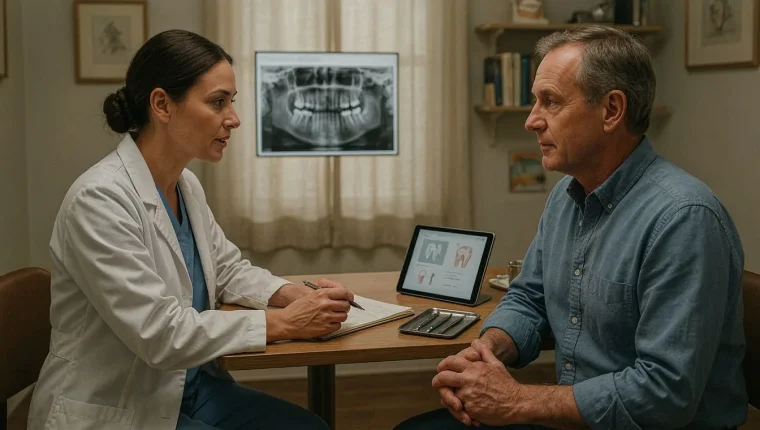
Choosing a dental implant is about more than replacing a missing tooth; it is about achieving a result that looks natural, feels comfortable, and works reliably. Dental implants before and after images can show changes in the visible smile, but they cannot capture every part of treatment. Swelling, gum healing, tissue shape, bite comfort, and implant integration with the jaw develop over time. The final appearance may also depend on factors such as bone volume, gum health, implant position, the quality of the restoration, and daily care. A convincing result should be judged by more than a carefully presented photograph. A realistic assessment considers both the immediate cosmetic change and the longer-term function, stability, and health of the surrounding tissues.
What Dental Implants Before and After Photos Really Show
Before-and-after photos can make changes in an implant restoration easier to see, especially when the images show the same tooth, angle, and lighting. They may reveal differences in tooth shape, shade, spacing, and the way the replacement tooth relates to the surrounding teeth. Photos can also show changes in the visible gum contour, although soft-tissue appearance may continue to develop as the area settles.
However, a photo is not a complete clinical record. Camera distance, facial expression, lighting, lip position, and image editing can make a result appear more dramatic or more uniform than it is in everyday life. A well-presented image may demonstrate cosmetic improvement without showing how the restoration feels when chewing or speaking.
The most important distinction is between visual appearance and clinical stability. Images cannot confirm whether the implant has integrated with the jawbone, whether the bite is comfortable, or whether the surrounding tissues are healthy. They also do not show how the result may look after healing progresses or how it will perform over time. For that reason, photographs are useful for discussing appearance and expectations, but an examination, clinical records, and professional follow-up are needed to assess function, healing, and long-term success.
How Implant Candidacy Affects Expected Results
Implant results depend heavily on the starting condition of the mouth, so another person’s outcome is not a reliable personal benchmark. A healthy gumline, adequate jawbone, and stable neighboring teeth generally provide a more favorable foundation for treatment. When these conditions are limited, additional planning or preparatory care may be needed before the implant-supported restoration can be designed.
Bone and gum support influence both appearance and function. The amount and shape of available bone affect implant positioning, while the gum tissue helps frame the visible tooth and protect the surrounding area. Patients with bone loss, active gum disease, untreated decay, or significant bite problems may still be candidates, but their treatment may be more complex and their expected result may differ from a straightforward case.
Health and daily habits also matter. Conditions that impair healing, poorly controlled diabetes, tobacco use, and inconsistent oral hygiene can increase risks and affect long-term stability. A dentist or implant specialist will consider these factors alongside medical history, bite forces, facial proportions, and the planned restoration.
For that reason, candidacy is not simply a yes-or-no decision. It is an assessment of whether the mouth can support a predictable result and what adjustments may be needed to achieve it. A personalized examination, imaging, and discussion of treatment goals offer a more meaningful expectation than comparing photographs alone.
The Dental Implant Procedure and Healing Timeline
The dental implant process begins with assessment and planning, not surgery. Your dentist reviews your oral health, available bone, gum condition, bite, and overall treatment goals before deciding where the implant should be placed. Digital scans, photographs, and diagnostic models may help guide the position of the implant and the design of the future crown, bridge, or denture. This planning stage is important because the final appearance depends on more than the visible replacement tooth; it also depends on how the restoration relates to the surrounding teeth and tissues.
During placement, the implant is positioned inside the jawbone beneath the gum. A temporary tooth may be used in selected cases, while other patients wear a removable provisional restoration or leave the area without a visible tooth during part of healing. What you see at this stage is therefore not necessarily the intended final result. The implant itself is also not yet functioning like a natural tooth because it must become stable within the surrounding bone.
The key biological stage is osseointegration, the process in which bone bonds closely with the implant surface. This develops over time, and the healing period varies according to the treatment site, bone quality, surgical complexity, and whether additional procedures were needed. Once the implant is sufficiently stable, the dentist can place an abutment and attach the final restoration, carefully adjusting its shape, shade, contacts, and bite.
For that reason, the result immediately after surgery or temporary restoration should be viewed as an intermediate stage. The most meaningful assessment comes after the final tooth is fitted and the gums and surrounding tissues have had time to settle. Healing does not end on the day the crown is placed; subtle changes in gum contour and comfort may continue as the tissues stabilize.
Common Changes During the Recovery Period
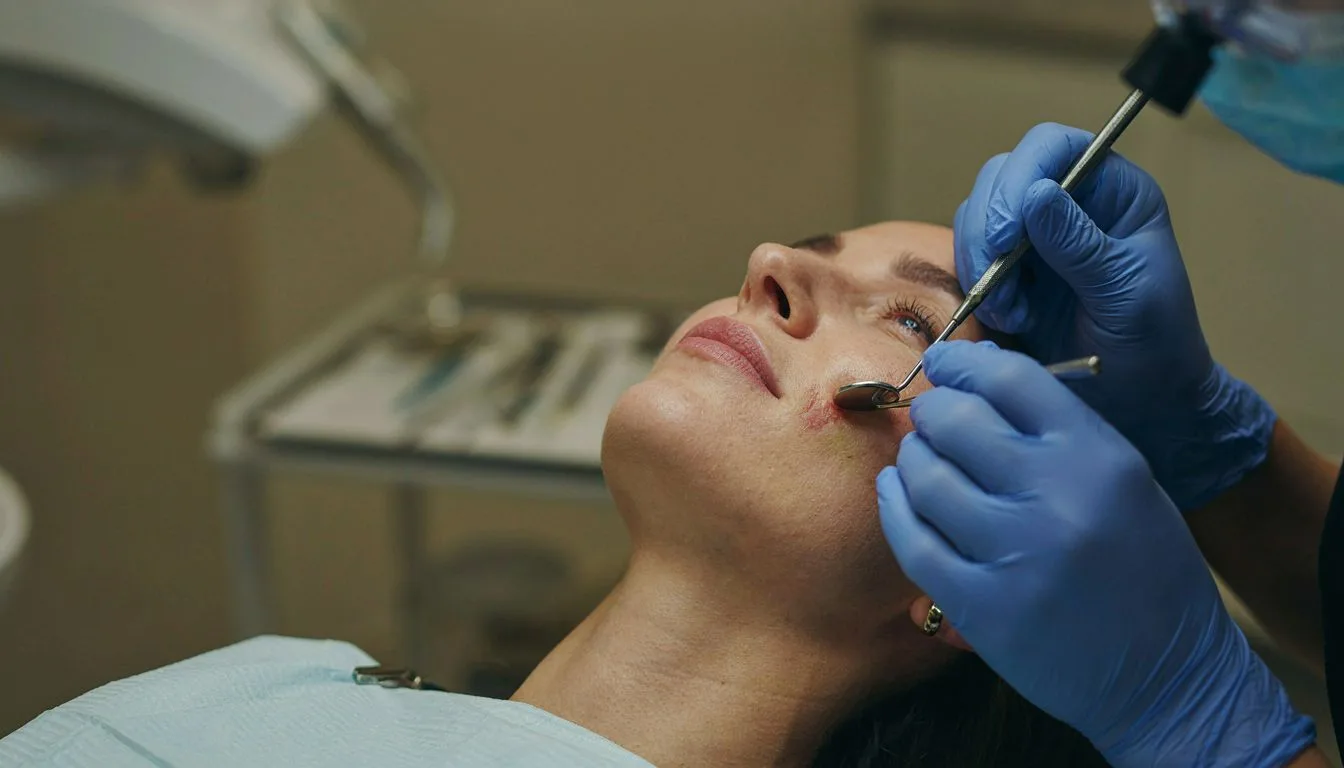
In the first days after implant treatment, swelling, tenderness, and mild bruising are common responses to surgery. These changes may be most noticeable shortly after the procedure and then gradually ease as the tissues begin to repair. The gum around the implant may also look uneven, red, or slightly changed in contour while the area is healing.
As the early healing phase passes, discomfort should generally become easier to manage rather than steadily intensify. Gum tissue can continue to settle, and the appearance may change as swelling decreases and the final restoration or surrounding tissues become more established. For this reason, an early photograph is not a reliable measure of the finished result.
Persistent or worsening symptoms deserve prompt discussion with the dental team. Increasing pain, swelling that does not improve, unusual drainage, fever, or an implant that feels loose is not simply a cosmetic variation. Professional assessment can determine whether the recovery is progressing normally or whether treatment is needed.
How to Maintain Long-Term Implant Results

Long-term implant success depends on treating the restoration and the surrounding tissues as part of one system. Once healing is complete, brush twice daily with a soft-bristled toothbrush and clean carefully around the implant-supported tooth using the tools your dental professional recommends. Removing plaque helps protect the gums and reduces avoidable inflammation.
Daily habits matter as well. Avoid using the restoration to open packages or bite unusually hard objects, and discuss smoking or tobacco use with your dentist because these habits can undermine oral health. Regular examinations and professional cleanings allow the dental team to check the implant, crown, bite, and surrounding tissues. This maintenance routine can identify loosening, wear, gum changes, or cleaning difficulties early, when timely adjustment or treatment is generally more straightforward.
FAQs
What should realistic dental implants before and after results look like?
Realistic dental implant before-and-after results should show natural-looking teeth that match your smile, facial features, and surrounding teeth in color, shape, and proportion. The restored tooth should also improve chewing and comfort, while the gum tissue gradually settles around it. Results vary with bone health, implant location, healing, and the quality of the restoration, so final photos may not reflect the outcome until healing is complete.
How long does it take for dental implant results to become fully visible?
Dental implant results typically become fully visible after three to six months, once the implant has integrated with the jawbone and the gums have healed. If bone grafting or additional procedures are needed, the final before-and-after appearance may take six to twelve months. Temporary restorations can improve appearance sooner, but the permanent crown provides the most accurate final result.
Which factors can affect dental implant results before and after treatment?
Implant results depend on factors such as bone volume, gum health, smoking, overall health, implant placement, and the quality of the restoration. After treatment, oral hygiene, regular dental visits, following recovery instructions, and avoiding excessive biting forces can affect healing and long-term appearance. Clear before-and-after expectations also depend on the starting condition of the teeth, gums, and facial structure.