Losing one tooth can affect chewing, speech, confidence, and the way nearby teeth bear pressure. A single tooth implant may restore a missing tooth without relying on neighboring teeth, but it is not the right choice for everyone. The decision depends on gum health, jawbone condition, general health, treatment time, and willingness to maintain the result over the long term. It is important to weigh the potential benefits against the surgery, healing period, cost, and possible complications. Understanding these practical considerations can help you discuss realistic expectations and suitable alternatives with your dental professional.
What Is a Single Tooth Implant?
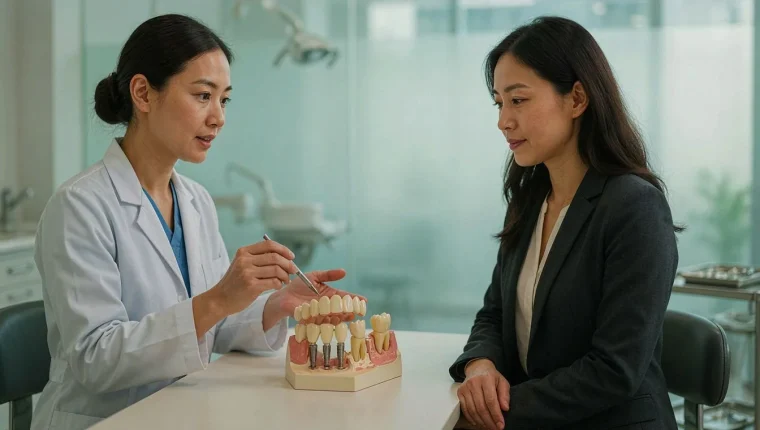
A single tooth implant replaces one missing tooth without relying on neighboring teeth for support. It is a small, biocompatible post—usually made of titanium—that a dental professional places in the jawbone to serve as an artificial tooth root. As the surrounding bone bonds with the implant, it creates a stable foundation for the visible replacement tooth.
The implant itself remains beneath the gumline. Once it is ready to support a restoration, an abutment connects the implant to the dental crown. The abutment extends through the gum and provides the attachment point for the crown, which is shaped and colored to resemble a natural tooth. Together, these components restore the space created by the missing tooth while supporting everyday biting and chewing.
Unlike a traditional fixed bridge, an implant-supported crown does not require substantial reshaping of adjacent healthy teeth. Unlike a removable partial denture, it is designed to remain anchored in the jaw. The final treatment plan depends on the condition of the bone, gums, and surrounding teeth, but the basic structure remains the same: an implant provides root support, an abutment creates the connection, and a crown replaces the visible portion of the tooth.
Single Tooth Implant Pros and Cons
The appeal of an implant is that it replaces the missing tooth without asking neighboring teeth to carry a bridge or serve as extensive supports. It can also provide a stable foundation for chewing and a natural-looking result when the implant, abutment, and crown are planned as one restoration. However, the benefits must be weighed against the treatment demands and the possibility of complications. Understanding the advantages and limitations can help patients compare an implant with bridges, removable teeth, or other non-surgical alternatives and make a decision based on their oral health, expectations, and long-term priorities.
- Tooth-specific replacement: An implant is placed in the space of the missing tooth, so adjacent healthy teeth generally do not need to be reshaped as they may for a conventional bridge.
- Function and appearance: A well-designed crown can restore the visible tooth shape and support comfortable everyday chewing, although the final result depends on the surrounding tissues and careful planning.
- Bone preservation: Implant stimulation may help reduce the bone shrinkage that commonly follows tooth loss. It does not, however, guarantee that bone levels will remain unchanged over time.
- Surgery and healing: Implant treatment involves a surgical procedure followed by a healing period before the permanent crown is completed. This makes it less immediate than some non-surgical alternatives.
- Cost and maintenance: The initial cost may be higher than a removable tooth or bridge, and the implant still requires daily cleaning, professional examinations, and attention to gum health.
- Possible complications: Infection around the implant, inflammation, loosening, or failure to integrate with the bone can occur. Smoking, inadequate cleaning, and excessive biting forces may increase risk.
The most important biological consideration is osseointegration, the process in which the implant becomes firmly connected with the surrounding bone. If healing is unsuccessful, additional treatment may be needed and the planned restoration can be delayed. An implant is therefore not automatically the best choice simply because it resembles a natural tooth; the decision should reflect oral health, tolerance for staged treatment, budget, and willingness to maintain the result over many years.
Patients should also understand that the visible crown is only one part of the restoration. The implant site, gum condition, bite, and surrounding teeth all influence comfort, appearance, and durability. With appropriate planning and consistent care, a single implant can be a reliable long-term option, but regular professional examinations remain important for monitoring the implant and the tissues around it.
Who Makes the Best Candidate?
The best candidates for a single tooth implant usually have enough healthy jawbone to support the implant and gums that are healthy or treatable. A dental evaluation also checks the neighboring teeth, bite, and available space to determine whether the planned restoration can function properly.
Healing capacity is another important consideration. Conditions such as uncontrolled diabetes, certain immune or bone disorders, and some medications may affect surgical healing or require additional planning. These factors do not automatically rule out treatment, but they should be reviewed carefully with the dental team.
Daily oral hygiene and smoking habits also influence candidacy. A person who can clean around the restoration consistently is generally better positioned for long-term success, while smoking may increase the risk of healing problems and implant complications. Improving these habits before treatment may be recommended.
Expectations matter as well. An implant can replace the function and appearance of one missing tooth, but it requires a staged process, follow-up care, and a commitment to professional monitoring. Suitability is therefore not determined by a checklist alone. The dentist must assess the mouth, medical history, medications, habits, and treatment goals together before recommending the approach.
What to Expect During Treatment and Recovery
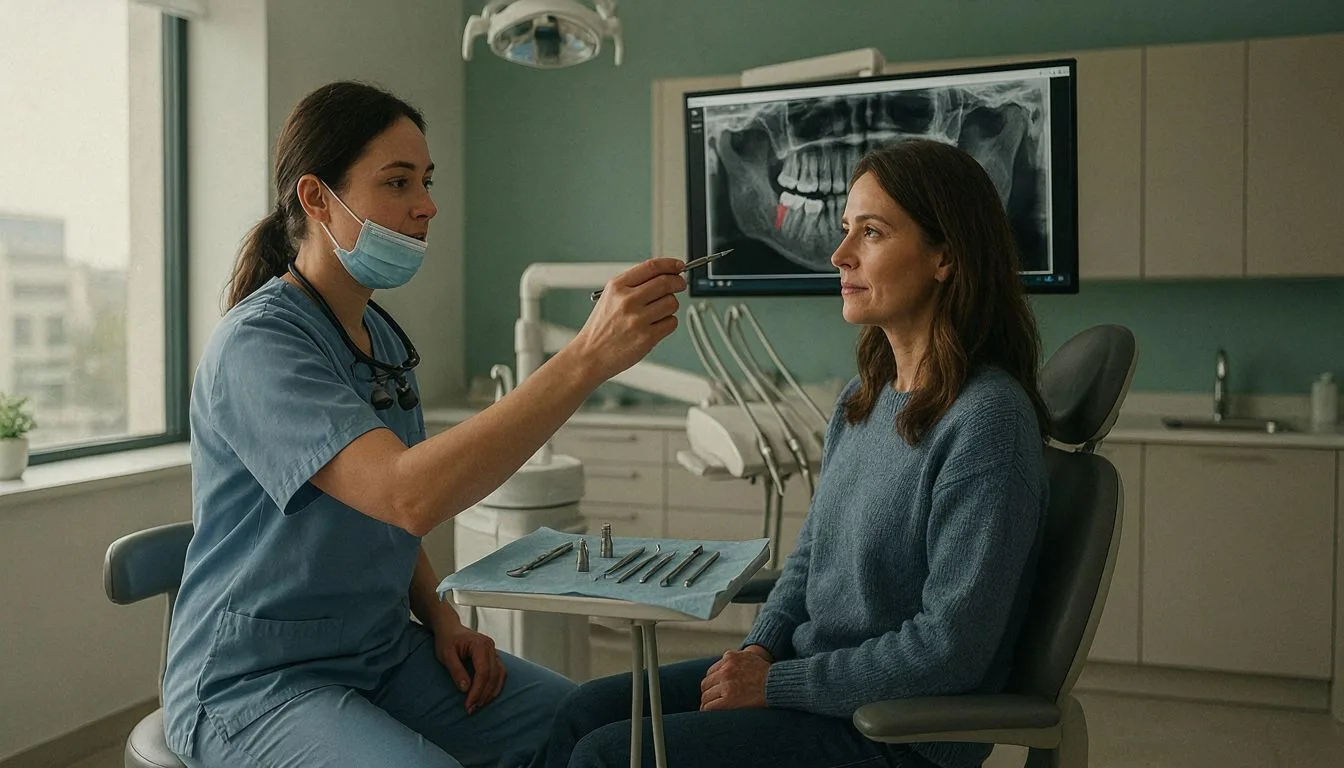
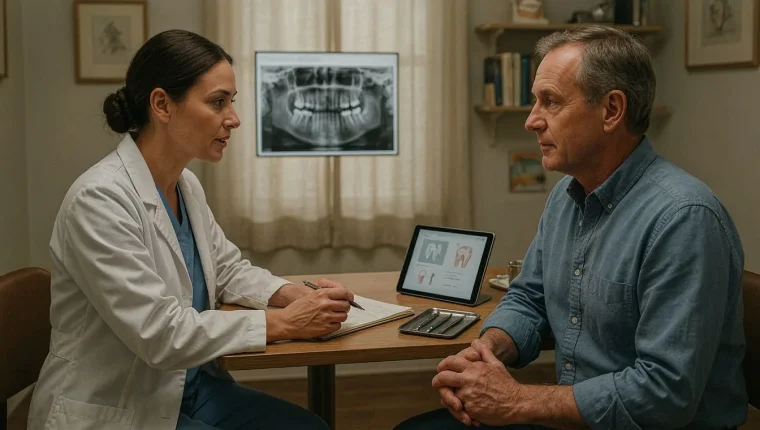
Treatment usually begins with an examination, dental imaging, and a discussion of your medical history and goals. Your dentist or implant specialist uses this information to assess the available bone, the condition of nearby teeth, and whether any preparatory care is needed before placement. A personalized plan also establishes the timing for the implant, abutment, and final crown.
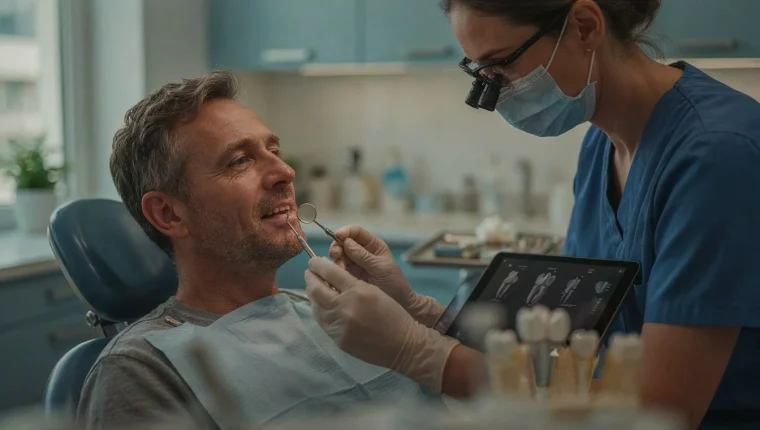
During implant placement, the implant is positioned in the jawbone under local anesthesia, with sedation available in some settings. Mild swelling, tenderness, or bruising may occur afterward. Following the care instructions, choosing softer foods temporarily, and avoiding pressure on the surgical area can make the early recovery more comfortable. Your clinician will explain which medications and activities are appropriate for you.
The next stage is osseointegration, when the implant bonds with the surrounding bone. This healing period takes time and varies according to individual healing, bone quality, and the treatment plan. The implant may remain uncovered or be protected temporarily while this process occurs. Once healing is confirmed, the abutment and crown are fitted, adjusted, and checked for a comfortable bite and natural appearance.
Contact your dental team promptly if you develop worsening pain, increasing swelling, persistent bleeding, fever, or a feeling that the implant is loose. Scheduled follow-up visits allow healing to be assessed and help ensure the restoration functions properly before treatment is considered complete.
How to Maintain Your Implant for Long-Term Success

Long-term implant success depends on keeping plaque from accumulating around the crown and gumline. Brush twice daily with a soft-bristled toothbrush and fluoride toothpaste, then clean carefully between the implant and neighboring teeth using floss, interdental brushes, or another tool recommended by your dental professional. Avoid using excessive force, especially if the gums feel tender.
Regular professional maintenance is equally important. Dental examinations and cleanings allow your clinician to check the gums, crown, bite, and surrounding teeth, while also identifying early signs of inflammation. Contact the dental office promptly if you notice persistent bleeding, swelling, discomfort, a loose feeling, or a change in how the crown fits. Managing smoking, teeth grinding, and other oral-health risks can further protect the restoration and support reliable function over time.
FAQs
What are the main single tooth implant pros and cons compared with a dental bridge?
A single tooth implant looks and functions more like a natural tooth, preserves the neighboring teeth, and helps maintain jawbone support. However, it usually costs more, requires oral surgery and a longer healing period, and may not suit people with insufficient bone or certain health conditions. A dental bridge is typically faster and less invasive, but it requires reshaping adjacent teeth and may not preserve the bone beneath the missing tooth.
Who is a good candidate for a single tooth implant?
A good candidate is generally an adult with one missing tooth, healthy gums, sufficient jawbone, and good overall oral health. They should also be able to maintain excellent oral hygiene and have any active gum disease or decay treated before placement. If bone loss is present, bone grafting may make implant treatment possible.
How long does a single tooth implant typically last?
A single tooth implant can typically last 15 years or longer, and many remain functional for decades with proper care. The implant post itself is highly durable, while the crown may need replacement after about 10–15 years due to normal wear. Good oral hygiene, regular dental checkups, and avoiding smoking help extend its lifespan.