Replacing an entire arch of missing or failing teeth involves more than appearance. You also need dependable chewing, a stable bite, manageable treatment, and a restoration that fits your health and daily routine. All-on-4 implants offer a fixed full-arch replacement supported by four dental implants for people who want more stability than removable dentures can provide. The decision still requires careful consideration of expected benefits, surgical risks, maintenance, cost, bone and gum health, and long-term commitment. Understanding these practical factors helps you approach a dental consultation with realistic expectations.
What Are All-on-4 Implants?
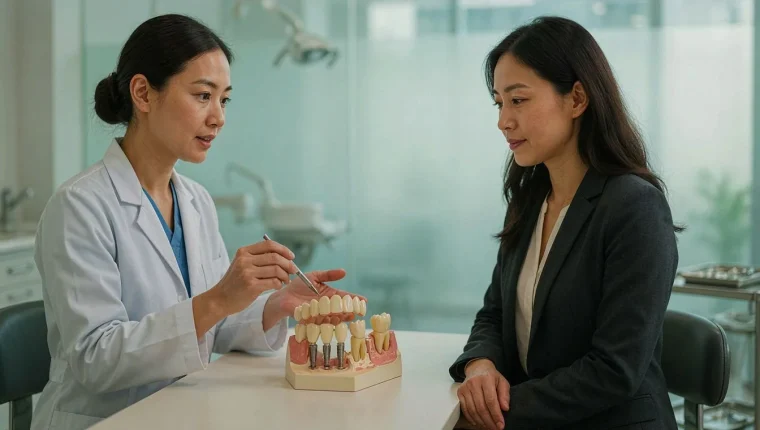
All-on-4 implants are a full-arch tooth replacement approach designed for people who have lost most or all teeth in one jaw. Instead of placing an implant for every missing tooth, a dentist positions four dental implants in the jaw to create a stable foundation for a complete replacement arch.
The implants are small, biocompatible posts, usually made of titanium, that are placed into the available bone. Two are generally positioned toward the front, while the other two may be angled toward the back to make use of stronger areas of bone and help support the restoration. The exact placement depends on the patient’s anatomy and treatment plan.
After healing and integration with the jawbone, the implants support a custom-made fixed prosthesis containing a complete row of artificial teeth. In some cases, a temporary fixed restoration may be attached during the treatment process, followed later by the final prosthesis. The defining feature is the fixed full-arch restoration, which is secured to the implants rather than designed for routine removal by the wearer.
This principle differs from conventional removable dentures, which rest on the gums and can be taken out by the patient. All-on-4 treatment replaces an entire arch with an implant-supported structure, although the procedure, restoration design, and timing must be tailored by a dental professional.
Key Benefits of the All-on-4 Treatment
One of the main advantages of All-on-4 treatment is that it can provide a stable, fixed alternative to traditional removable dentures. Because the replacement teeth are secured to implants, they are less likely to shift during speaking or eating, which may help patients feel more confident in everyday situations.
This stability can also improve function. A fixed full-arch restoration may allow more comfortable chewing than loose dentures, although eating ability still depends on healing, bite design, and individual adaptation. Patients often appreciate having teeth that feel more integrated into their daily routine rather than needing to remove and reinsert them.
The treatment may also be efficient from a planning perspective. Four strategically positioned implants can support an entire arch, which may reduce the number of implants needed compared with replacing every missing tooth individually. In selected cases, this approach can help limit the need for extensive bone-grafting procedures, potentially making treatment more straightforward.
Appearance is another potential benefit. The replacement teeth can be designed to complement facial proportions, gum contours, and the patient’s preferred smile. This may restore support around the lips and create a more natural-looking result. However, the final appearance depends on careful planning, the quality of the restoration, and the condition of the surrounding tissues.
Potential Drawbacks and Risks
All-on-4 treatment involves oral surgery and permanent changes to the way an entire arch is restored. The implants must integrate with the jawbone, and the supporting prosthesis may need adjustment or replacement over time. Because the process is not easily reversible, removing healthy teeth or committing to a fixed full-arch design requires careful diagnosis and realistic expectations.
As with any implant surgery, complications can include infection, bleeding, discomfort, nerve irritation, or inadequate bone integration. Implant failure is uncommon but possible, and failure of even one strategically positioned implant can affect the stability of the restoration. Bone loss around an implant, often linked to inflammation or difficulty maintaining oral hygiene, may also threaten long-term function.
The prosthesis has its own limitations. It can chip, fracture, loosen, or feel different from natural teeth, particularly when biting hard foods or if the patient clenches or grinds. Cleaning beneath the restoration requires specific techniques and consistent professional maintenance. Speech and chewing may also take time to feel natural, and the final result can differ from expectations in appearance, comfort, or facial support.
Cost is another practical concern because surgery, temporary teeth, the definitive prosthesis, imaging, and future maintenance may all contribute to the total expense. Some complications are predictable only after a clinical examination, so a dentist must assess bone volume, gum health, bite forces, and overall medical history before estimating individual risk.
Who Makes a Good Candidate?
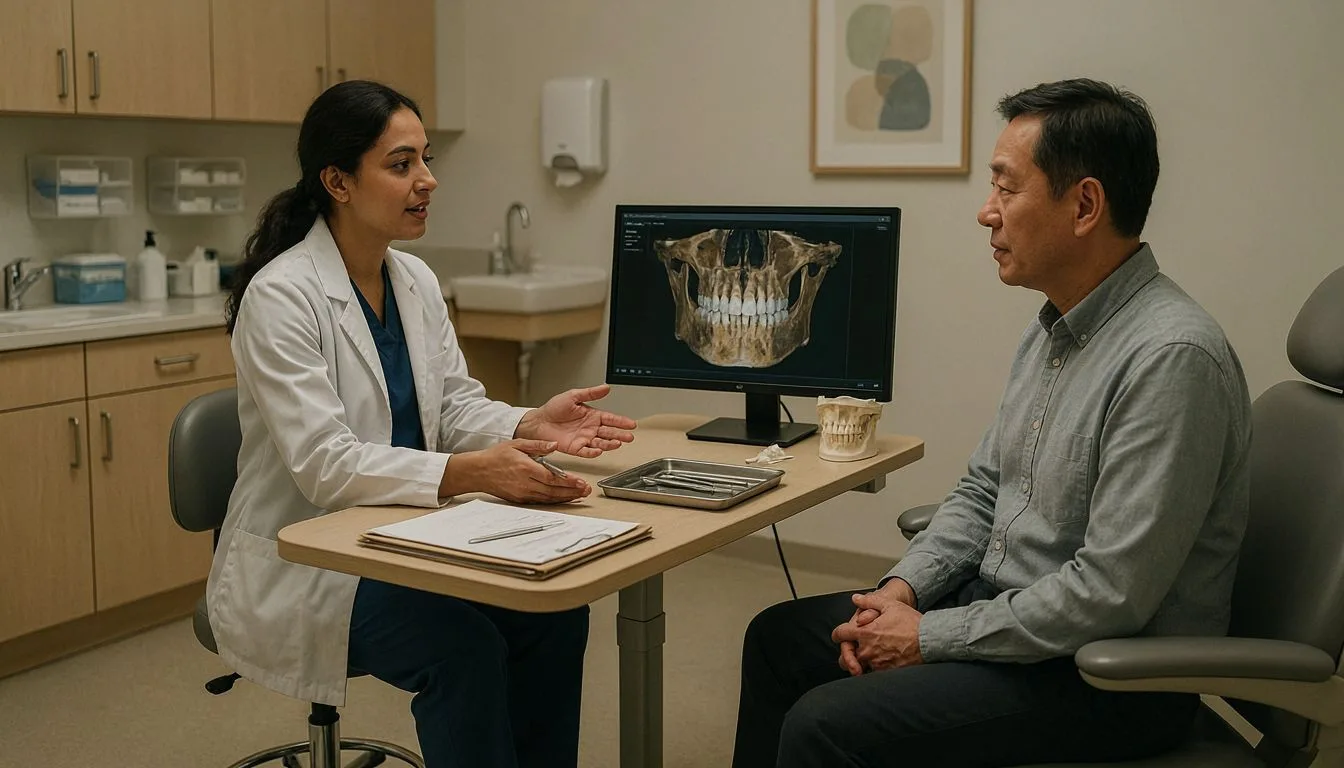
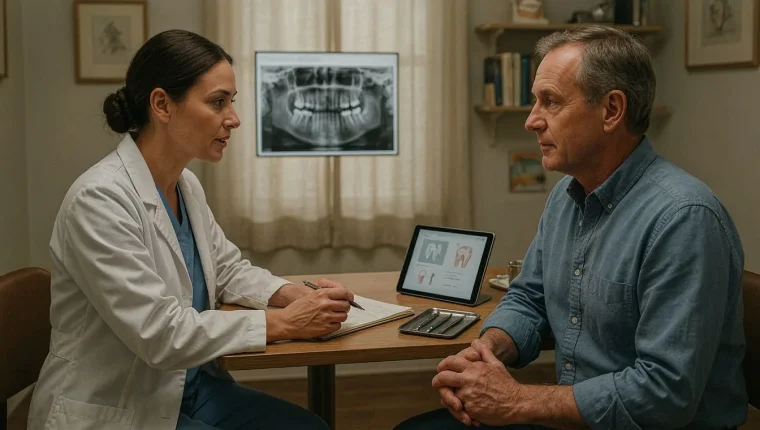
A suitable candidate usually has extensive tooth loss or failing teeth and wants a fixed full-arch replacement, but eligibility depends on more than the number of missing teeth. The clinician will assess whether the jawbone can provide stable support, using examinations and three-dimensional imaging when appropriate. Existing bone loss does not always rule out treatment, although it may affect planning or require additional procedures.
Health also matters because conditions that impair healing or increase surgical risk can influence treatment timing and predictability. Diabetes should be well controlled, and active gum disease, untreated decay, or oral infections generally need attention before implant placement. A review of medications, smoking or nicotine use, and previous medical conditions helps the dental team plan safely.
Long-term success also requires realistic expectations and a willingness to maintain excellent oral hygiene and attend professional reviews. Someone who can follow postoperative instructions and care for the restoration consistently may be better positioned for a durable result. Individualized treatment planning, rather than a single eligibility rule, determines whether All-on-4 implants are appropriate after a complete clinical evaluation.
What to Expect During Recovery and Long-Term Care
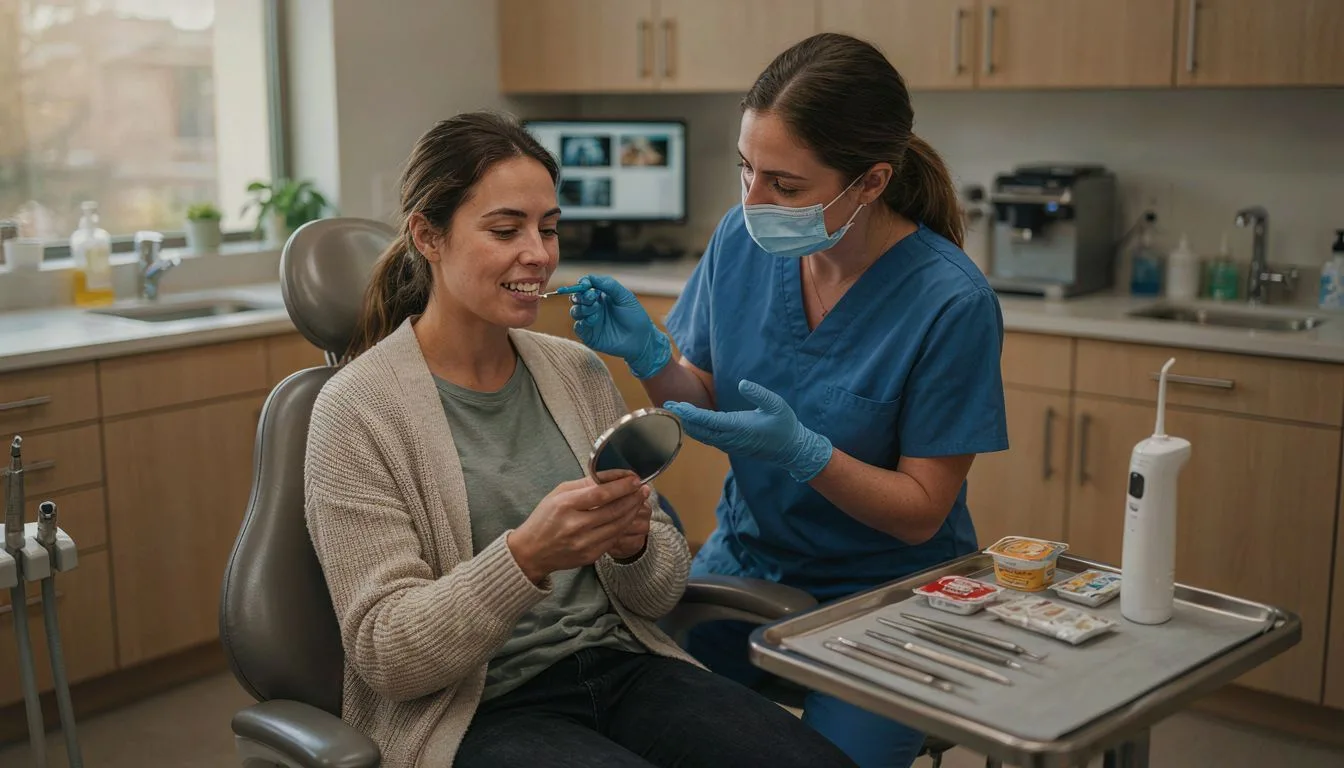
Recovery begins with protecting the surgical sites while the implants start to integrate with the jawbone. Swelling, tenderness, and temporary changes in eating or speaking are common during the early healing period, and your dental team will provide specific instructions about cleaning, medication, diet, and activity. Follow-up visits allow the clinician to monitor healing and confirm that the temporary restoration remains comfortable and functional.
During this stage, patients may gradually return to normal daily activities, but chewing restrictions often remain important until the implants are sufficiently stable. The timing of the definitive fixed full-arch restoration depends on healing, clinical findings, and the treatment plan. Once placed, the final teeth are adjusted for comfort, speech, bite, and appearance.
Long-term success depends on consistent home care as well as professional monitoring. Although the restoration is fixed, it still requires careful brushing around the prosthetic teeth, gumline, and implant-supported areas. Interdental brushes, water flossers, or other recommended tools may help clean spaces that a standard toothbrush cannot reach.
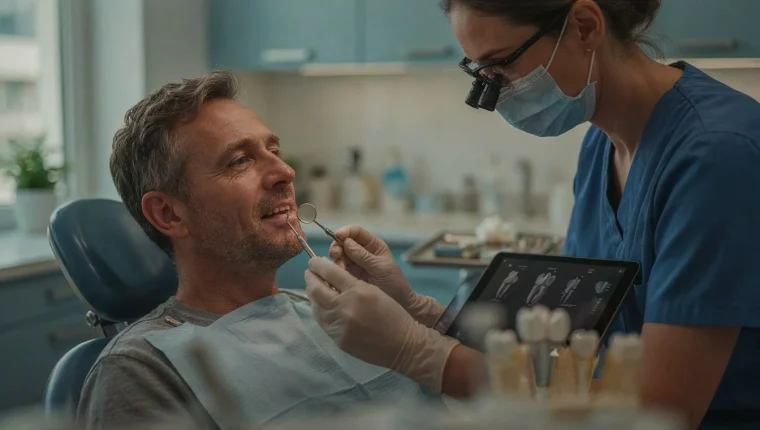
Regular maintenance visits help the dental team assess the implants, surrounding tissues, bite, and condition of the restoration. Professional cleaning can remove hardened deposits, while periodic evaluations may identify wear, loosening, or hygiene concerns before they become more difficult to manage. Avoiding tobacco, wearing a prescribed night guard when appropriate, and reporting persistent discomfort or changes in fit promptly can also help protect the treatment over time.
FAQs
What are the main All-on-4 Implants pros and cons compared with traditional dentures?
All-on-4 implants offer better stability, chewing ability, comfort, and a more natural appearance than traditional dentures, while reducing slipping and the need for denture adhesive. However, they involve surgery, higher upfront costs, and ongoing maintenance, and they may not suit everyone. Traditional dentures are less expensive and non-surgical but can feel less secure, affect chewing, and require periodic adjustment or replacement.
Who is a good candidate for All-on-4 implants?
Good candidates are adults with extensive tooth loss, failing teeth, or dentures who want a fixed, full-arch restoration and have enough jawbone to support implants. All-on-4 can also suit some patients with reduced bone volume because the implants are placed strategically, often avoiding extensive grafting. A thorough examination is essential for assessing bone levels, gum health, overall health, and whether the patient can maintain good oral hygiene.
How long do All-on-4 implants typically last, and what maintenance do they require?
All-on-4 implants can last 15 years or longer, while the prosthetic teeth may need replacement sooner due to normal wear. Daily brushing, flossing or cleaning beneath the bridge, regular professional cleanings, and routine dental checkups help protect the implants and surrounding tissues. Avoiding tobacco and addressing issues such as teeth grinding can also improve long-term results.