Considering otoplasty in Istanbul as a patient from the United States? You’re not alone. Every year, thousands of Americans travel to Turkey for ear reshaping surgery because of experienced surgeons, modern private hospitals, and costs that are typically 50-70% lower than what you’d pay at home, even after adding flights and accommodation. But traveling abroad for surgery raises fair questions: How do you choose a qualified surgeon? What does recovery look like when you’re far from home? Is it actually safe? This guide covers everything US patients need to know, from realistic pricing and surgeon credentials to travel logistics and aftercare. No sales pitch, just the practical details that help you decide whether Istanbul otoplasty is the right move for you.
What Is Otoplasty and Who Is a Good Candidate?
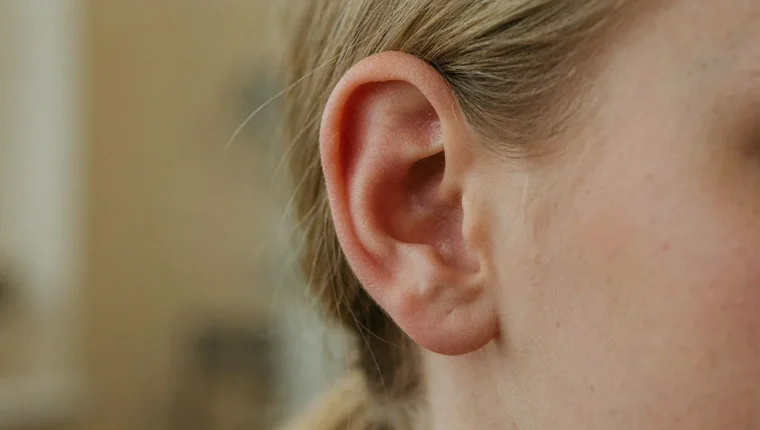
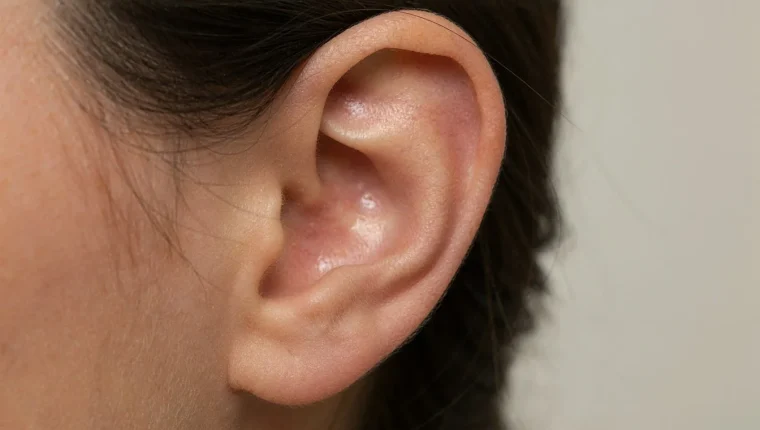
Otoplasty is a surgical procedure that reshapes, repositions, or reduces the ears. Most commonly, it addresses protruding ears by bringing them closer to the head, but it also corrects oversized earlobes, asymmetric ears, and deformities caused by injury or birth conditions. Unlike many cosmetic operations, it is typically performed under local anesthesia, takes one to two hours, and leaves scars hidden behind the ear — one reason it has become such a popular entry point into cosmetic surgery.
The defining goal of the procedure is achieving facial harmony rather than a dramatic transformation. A skilled surgeon adjusts the cartilage so the ears sit naturally in proportion to the head and face, something that is especially noticeable in photographs and profile views.
Good candidates share a few common traits. Adults should have fully developed ear cartilage, which is generally reached by age five or six, making children a common patient group as well. You should be in overall good health, a non-smoker or willing to quit before surgery, and have realistic expectations about the outcome. It is also important that the motivation comes from you — patients who seek the procedure for their own comfort tend to be the most satisfied with the results.
Certain conditions require extra caution. Chronic ear infections, bleeding disorders, or uncontrolled chronic illnesses may need to be addressed before surgery is considered. A qualified surgeon will review your medical history during the consultation and confirm whether the procedure is safe for you, which is a step no reputable clinic in Istanbul will skip.
Why US Patients Choose Istanbul for Ear Surgery
The decision to travel abroad for surgery is rarely about one factor alone. For most American patients considering ear reshaping in Turkey, the appeal comes from a combination of price, accessibility, and the sheer volume of experience concentrated in a single city. Istanbul has quietly become one of the busiest destinations for cosmetic ear surgery in the world, and understanding why helps you judge whether it fits your own situation.
The most cited reason is financial. Otoplasty performed in a US hospital or private surgical center commonly runs between $4,000 and $8,000, and it is almost never covered by insurance when done for cosmetic reasons. In Istanbul, the same procedure typically costs 50-70% less, even after adding international flights and hotel stays. That gap exists largely because of lower operational and staffing costs, not because surgeons cut corners on technique.
Beyond pricing, several practical advantages explain why so many people from the United States make the trip:
- High surgical volume means many Istanbul surgeons perform otoplasty weekly, sometimes daily, building the kind of repetition-based skill that is harder to accumulate in smaller US practices.
- All-inclusive packages frequently bundle the surgery, anesthesia, medications, follow-up visits, airport transfers, and hotel accommodation into one transparent price.
- Short waiting times allow patients to schedule surgery within weeks, compared to months-long consultation queues common in the American system.
- English-speaking patient coordinators guide international patients through every step, from virtual consultation to post-operative check-in back home.
- Modern, JCI-accredited hospitals offer infrastructure and safety standards comparable to those expected in the US.
Geography plays a role too. Direct flights from New York, Chicago, or Washington to Istanbul take around ten hours, making the city more reachable than many patients assume. When these factors are weighed together, the value proposition becomes clear — though it only holds up if the clinic you choose meets rigorous standards, which is exactly what the planning and selection sections of this guide will help you verify.
How to Plan Your Medical Trip from the United States
Planning a surgical trip from the United States to Istanbul is simpler than most patients expect, especially when your chosen clinic provides an English-speaking patient coordinator who manages the details for you. The single most important element to organize early is your medical travel timeline, since otoplasty requires an initial remote consultation, pre-operative tests, surgery day, and a short recovery period before you are cleared to fly home.
Most US patients schedule a 5 to 7 day stay in Istanbul. Typically, you arrive one or two days before surgery for your in-person examination and bloodwork, undergo the procedure, attend a follow-up appointment the next day, and have your sutures and dressing checked before departure. Because otoplasty does not usually require general anesthesia overnight stays, the hospital visit itself is brief, leaving room to rest at your hotel or explore the city gently in the days after.
Your coordinator will typically arrange airport transfers, hotel accommodation, and all appointment scheduling as part of an all-inclusive package, so the practical burden on you is minimal. On the documentation side, US citizens can enter Turkey visa-free for stays up to 90 days, and no special medical visa is required. Before booking flights, ask your clinic for a written surgery confirmation and recovery letter — useful for airline staff and your employer.
It is also wise to request copies of your surgeon’s credentials, before-and-after photos of previous otoplasty patients, and a detailed cost breakdown in writing before paying any deposit. A reputable clinic will provide these without hesitation, and having everything documented gives you clarity and confidence as your travel date approaches.
Step-by-Step Overview of the Otoplasty Procedure
Understanding how the surgery actually unfolds helps many US patients feel calmer about the process. Otoplasty in Istanbul is almost always performed as an outpatient procedure, meaning you arrive at the clinic in the morning and return to your hotel the same day.
The operation itself typically takes one to two hours and is carried out under local anesthesia with sedation, or in some cases general anesthesia, depending on your preference and the surgeon’s recommendation. Because the ears are mostly cartilage, there are no muscles or major structures to navigate, which is one reason recovery tends to be straightforward.
Most Istanbul surgeons use the posterior auricular approach, making a small incision behind the ear where it remains completely hidden. From there, cartilage is reshaped with permanent internal sutures, sometimes combined with removing a sliver of skin for a naturally positioned ear. You will not feel pain during surgery — only some pulling sensations — and modern techniques focus on avoiding an “over-corrected” or pinned-back look.
Immediately after the procedure, a soft head bandage is applied, which is usually replaced within a day or two by a sports headband you’ll wear at night for the first couple of weeks. Most patients fly home with only the headband, and your surgeon will provide written aftercare instructions and prescribed medication before you leave Istanbul.
A key advantage of the city’s high surgical volume is efficiency: consultations, blood tests, surgery, and follow-up checks are often arranged within a single coordinated visit lasting four to seven days, so your trip covers everything from start to final clearance.
Recovery Timeline: What to Expect in the First Weeks

Recovery after otoplasty follows one of the most predictable timelines in cosmetic surgery, which is good news for patients traveling from the United States. Because the posterior auricular approach hides incisions behind the ear and avoids cartilage-cutting techniques in most cases, swelling and bruising tend to be milder than many patients expect. Still, knowing what each week brings helps you plan your return flights, work schedule, and follow-up communication with your Istanbul surgeon.
Here is a realistic week-by-week picture of the first days and weeks:
- Days 1–3: You will wear a protective head bandage or a snug compression band. Mild throbbing and swelling are normal; sleeping with your head elevated and taking prescribed pain medication keeps discomfort manageable.
- Days 4–7: The surgical dressing is usually removed at your first follow-up visit in Istanbul. Most patients switch to a softer headband and can comfortably walk around, though strenuous activity remains off-limits.
- Weeks 2–3: Bruising fades, swelling drops noticeably, and many US patients fly home during this window. Desk work and light daily routines are typically fine after your surgeon clears you.
- Weeks 4–6: You gradually stop wearing the headband at night, and contact sports or gym workouts are reintroduced step by step.
- After week 6: Incision lines continue to soften and fade over several months, and the final ear contour becomes fully apparent.
Timing your flights matters. Surgeons in Istanbul generally recommend staying at least 7 to 10 days before flying, since your first dressing change and a final check need to happen in person. Pressurized cabins can increase swelling in the early days, so earplugs and staying hydrated make the journey more comfortable. Many clinics also provide written aftercare instructions and video consultations for when you are back in the States.
One practical tip: pack a loose, button-up shirt and a soft headband in your carry-on, since pulling shirts over your head is discouraged for the first couple of weeks. Patients who follow the compression schedule closely consistently report smoother healing and better long-term symmetry.
Understanding the Costs: Prices in Istanbul vs the US
Cost is often the deciding factor for American patients, and this is where Istanbul delivers its most striking advantage. In the United States, otoplasty typically ranges from $5,000 to $8,000 or more, with prices in major cities like New York or Los Angeles sometimes exceeding $10,000 once anesthesia and facility fees are included. In Istanbul, the same procedure generally costs between $1,500 and $3,500 — roughly 50-70% lower than what you would pay at home.
The reason for this gap isn’t lower quality. Turkey’s healthcare economy simply operates on a different cost structure: surgeons perform a high volume of procedures, hospital operating costs are lower, and the exchange rate works strongly in favor of patients paying with US dollars. Many Istanbul otoplasty providers also offer all-inclusive packages that bundle the surgery itself with hotel accommodation, airport transfers, medications, and follow-up visits — expenses you’d handle separately in the US.
When comparing quotes, it helps to know exactly what each price covers. A US quote usually separates surgeon’s fee, anesthesia, and facility charges. An Istanbul package typically rolls everything into one number, so ask for a detailed breakdown before committing. Also budget for the practical extras: your round-trip flight (often $600–$1,000 from the US East Coast) and any additional nights if your recovery schedule requires them. Even after adding travel costs, most patients still save $3,000 to $5,000 overall.
One caution worth knowing: an unusually low quote can be a red flag rather than a bargain. Reputable clinics are transparent about their surgeon’s credentials, hospital accreditation, and what happens if a revision is needed. If a price seems dramatically below the Istanbul average, that’s usually a sign to keep looking rather than book immediately.
For most US patients, the math works out clearly in Istanbul’s favor — but the smartest decision pairs the savings with careful verification of the clinic itself, which is exactly what the final section of this guide will help you do.
How to Choose a Safe and Qualified Clinic in Istanbul

Your results and your safety depend far more on the clinic you choose than on the city itself. Istanbul has hundreds of facilities offering ear reshaping, and the quality ranges from world-class to genuinely questionable. The single most important filter you can apply is confirming that your surgery takes place in a JCI-accredited hospital or clinic — the same accreditation standard used by leading hospitals in the United States.
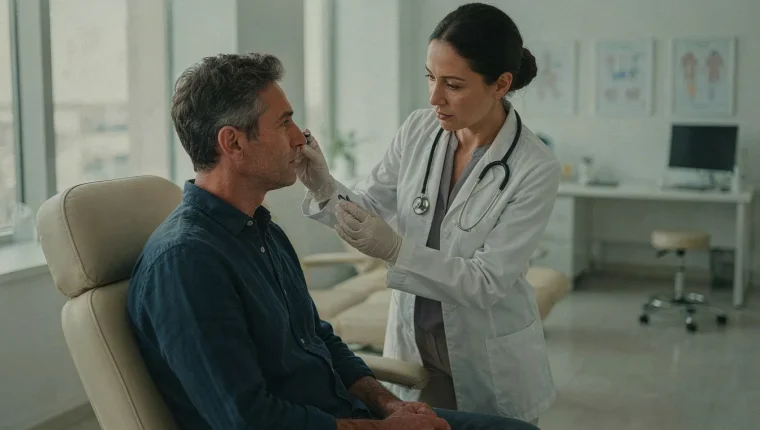
Beyond accreditation, there are a few practical checks worth completing before you commit. Ask who exactly will perform your surgery and verify that the surgeon is certified by the Turkish Board of Plastic, Reconstructive and Aesthetic Surgery, or holds equivalent international credentials. Request before-and-after photos of actual otoplasty patients treated by that specific surgeon, not stock images from the clinic’s marketing materials.
A reputable clinic will also offer a genuine video consultation before you fly. This is your chance to ask about the surgeon’s annual otoplasty volume, the anesthesia plan, and the facility where the procedure will take place. If a coordinator pressures you to book quickly or avoids direct answers about the surgeon’s qualifications, treat that as a warning sign.
Price transparency matters too. A trustworthy provider gives you a detailed, written quote that covers surgeon fees, anesthesia, hospital costs, and follow-up visits — not just a vague “package” number. Be cautious of deals that seem dramatically cheaper than the market average; steep discounts often mean shortcuts in sterilization, anesthesia oversight, or aftercare.
Finally, think about what happens after you return home. Ask in advance how the clinic handles remote follow-up, whether your surgeon is reachable by video, and what their policy is if a complication appears weeks later. Strong aftercare arrangements are one of the clearest markers of a serious, patient-focused facility.
Taking a day or two to verify these details is a small investment compared to the years you’ll live with the result. A clinic that welcomes these questions is usually one you can trust.
FAQs
How much does otoplasty in Istanbul cost compared to the US, and is it safe for American patients?
Otoplasty in Istanbul typically costs between $1,500 and $3,000, while the same procedure in the US usually ranges from $4,000 to $8,000, meaning American patients can save 50% or more even after adding travel expenses. Turkey is a leading destination for cosmetic surgery, and many Istanbul clinics hold international accreditations with surgeons experienced in treating foreign patients. Safety depends primarily on choosing a reputable, board-certified surgeon and an accredited facility, so American patients should verify credentials, review before-and-after results, and plan appropriate follow-up care before traveling home.
How long should US patients stay in Turkey after otoplasty surgery?
US patients should typically stay in Turkey for 7 to 10 days after otoplasty surgery. This allows time for the initial recovery, a follow-up appointment with the surgeon, and removal of the head bandage or dressing, usually around 5 to 7 days post-operation. Flying is generally safe after about a week, once the surgeon confirms that healing is progressing well. A slightly longer stay is advisable if any complications arise or if the surgeon wants to monitor swelling closely before clearing you for travel.
Will my health insurance cover otoplasty performed abroad, and what documents do I need for follow-up care back home?
Most health insurers classify otoplasty as cosmetic surgery and will not cover it when performed abroad, unless it is deemed medically necessary (for example, to correct a congenital deformity or trauma-related damage) and you obtained prior authorization. Coverage policies vary widely, so contact your insurer before traveling and request written confirmation of what is and is not covered. For follow-up care at home, you will typically need your operative report, discharge summary, pre- and post-operative photographs, and imaging if applicable, ideally translated into your native language or English. Bring these documents to your primary care physician or a local plastic surgeon so they can monitor your healing and address any complications.