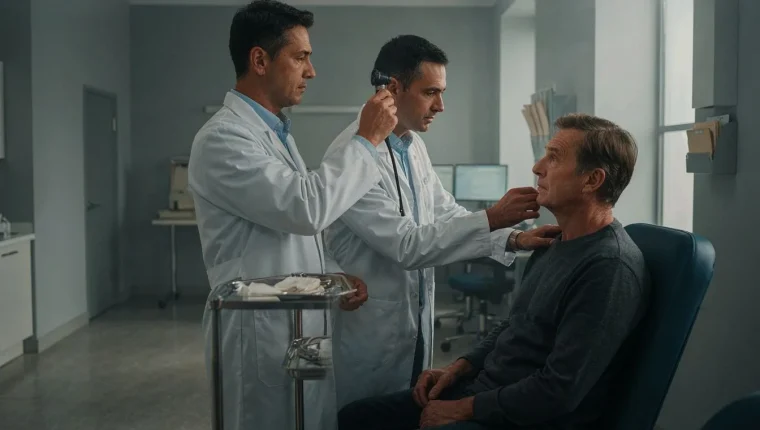
Thinking about correcting prominent ears but unsure what a clinic actually offers? You’re not alone. Many patients researching an otoplasty Turkey package are surprised that providers’ inclusions vary widely, and knowing what’s covered can save money and stress. This guide covers the typical components: surgeon and hospital fees, anesthesia costs, pre-operative tests, accommodation, and airport transfers. We’ll also flag extras that some packages leave out, so there are no surprises later. Whether you compare clinics in Istanbul or Antalya, these details help you evaluate offers realistically and choose an option that fits your needs. Let’s look at what a complete package should and shouldn’t include.
What Does a Standard Ear Surgery Package in Turkey Include?
When you book ear reshaping surgery in Turkey, the price you’re quoted usually bundles far more than the operation itself. A typical package brings together the surgeon’s fee, hospital or clinic charges, and the all-inclusive surgical bundle that covers your procedure from start to finish — including the operating room, medical supplies, and the anesthesia itself, which is often a point of confusion for patients comparing quotes.
Most standard packages also incorporate the essentials that make a medical trip manageable: initial consultations with your surgeon, pre-operative blood work and health screening, and the ear correction performed under local or general anesthesia depending on your age and preference. Because ear surgery is generally a shorter procedure, many clinics perform it on an outpatient basis, meaning you return to your accommodation the same day.
Beyond the clinical side, Turkish providers commonly fold in practical support services. These typically include airport transfers, a translator or patient coordinator who accompanies you to appointments, and sometimes a set number of nights in a hotel near the clinic. Post-operative essentials such as compression headbands, prescribed medications, and scheduled follow-up checks are usually part of the deal as well.
It’s worth remembering that not every package is identical. Some clinics quote a bare surgical fee and add extras later, while reputable providers list everything transparently in writing before you commit. Asking for an itemized breakdown — surgery, anesthesia, garments, aftercare, and travel services — is the simplest way to understand exactly what your money covers and to compare offers fairly across clinics.
Consultations and Pre-Operative Assessments Covered
Before any surgical plan is finalized, a proper evaluation ensures the procedure is both safe and tailored to your ear anatomy. This is why every reputable pre-operative assessment is built into the cost of your bundle rather than charged separately as it often is in the UK or US.
Your journey typically begins with an online video consultation, where the surgeon reviews your medical history and examines photos of your ears from several angles. Once you arrive in Turkey, an in-person consultation confirms the plan and allows you to ask questions face to face before signing consent forms.
Most packages include:
- Detailed medical screening: Blood tests, blood pressure checks, and a review of any medications or chronic conditions that could affect healing or anesthesia.
- Photographic documentation: Standardized before-photos used for surgical planning and to help you visualize the expected outcome.
- Cartilage and symmetry evaluation: The surgeon measures ear projection and checks structural characteristics to decide between cartilage-sparing or cartilage-cutting techniques.
- Anesthesia clearance: A pre-surgery review confirming you are fit for the chosen sedation method.
- Informed consent discussion: A clear conversation covering realistic results, potential risks, and scarring before you commit to surgery.
These assessments are not formalities. They determine if you are a suitable candidate and guide technical decisions in the operating room. If a clinic offers surgery without any in-person evaluation, treat it as a warning sign. A package that covers thorough pre-surgical work reflects a provider that prioritizes your safety alongside the cosmetic result.
The Surgical Procedure and Anesthesia Options
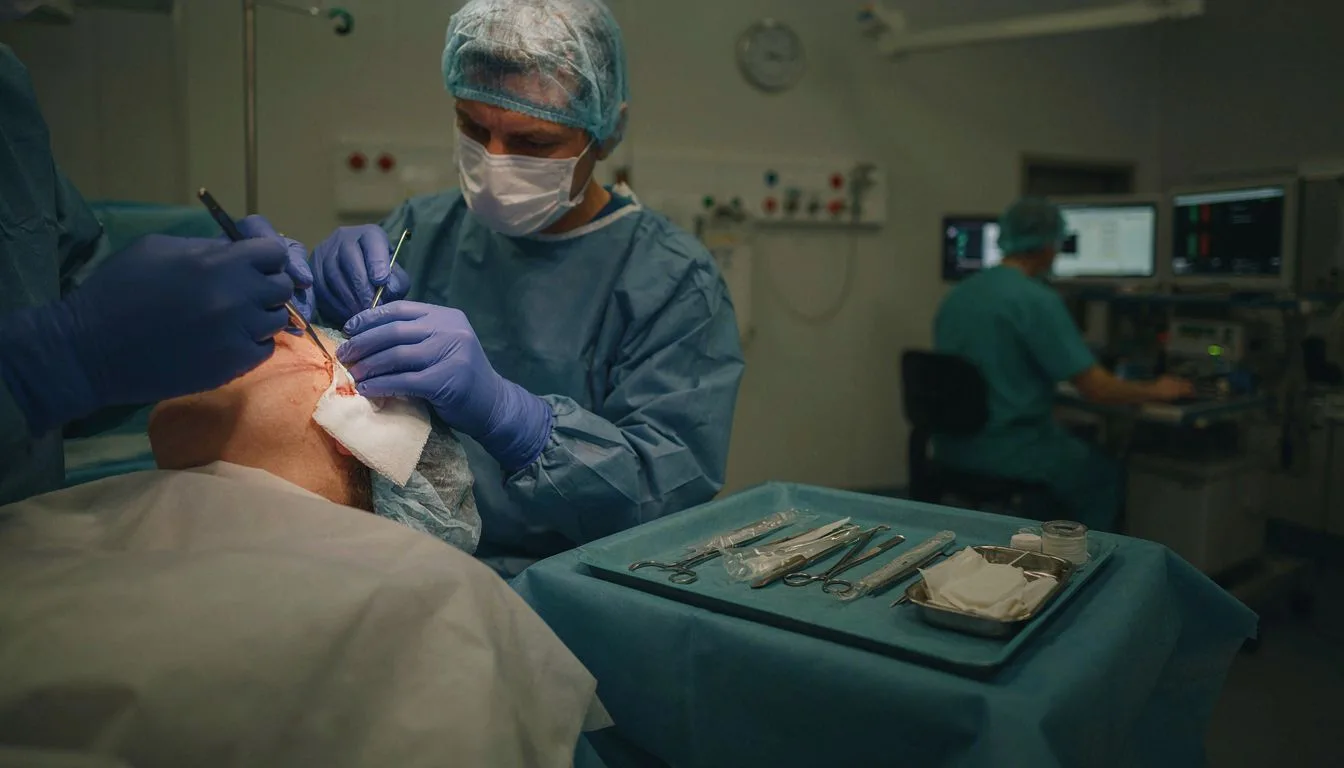
Once your pre-operative assessment is complete and anesthesia clearance is confirmed, the surgical stage of your package begins. Most otoplasty procedures in Turkey are performed under local anesthesia with sedation, though general anesthesia is available when clinically appropriate — for example, with younger children or patients who prefer to be fully asleep. Either way, the anesthesia cost is already built into your package price, so there are no surprise charges on surgery day.
The procedure itself typically takes one to two hours. Surgeons usually work through a discreet incision hidden in the crease behind the ear, allowing them to reshape or reposition the cartilage without visible scarring. Depending on your anatomy, the surgeon may fold the cartilage back with permanent internal sutures, remove excess cartilage, or reduce the concha to bring the ear closer to the head.
Here is what a quality package generally covers on the day of surgery:
Otoplasty is typically an outpatient procedure, meaning you return to your accommodation within a few hours rather than staying overnight. Your surgical team will review the results with you before you leave, apply the initial dressing, and explain what to expect over the first days of healing — the immediate pressure bandage, mild swelling, and the importance of protecting your ears while sleeping during early recovery.
Post-Operative Care and Follow-Up Visits
Once your surgery is finished, the quality of aftercare becomes the deciding factor in how smooth and symmetrical your final result turns out. Within a typical package, the compression head bandage is applied immediately in the recovery room by the nursing team, protecting the reshaped cartilage and controlling swelling during the most sensitive first hours. You will be monitored until the anesthesia wears off, and most clinics will only discharge you once your vitals are stable and your dressing has been checked.
In the days that follow, a nurse typically performs your first dressing change, gently inspecting the incisions behind the ears for early signs of infection or excessive fluid buildup. Your surgeon reviews the surgical site at this stage and confirms that both ears are healing evenly. During the first week, you will be advised to sleep with your head elevated, avoid touching the ears, and keep the bandage dry.
Most packages include a scheduled follow-up visit around days five to seven, when the head bandage is removed and replaced with a lighter protective headband. Stitches, if non-dissolvable, are taken out during this appointment. A final check-up is usually arranged shortly before your departure, giving the surgeon time to assess ear position, contour, and symmetry, and to update your photographic documentation.
If any concern arises after you return home, reputable providers offer remote follow-up by photo or video consultation, and clear written aftercare instructions ensure you know exactly what normal healing looks like and when to seek advice.
Medication, Garments, and Recovery Essentials Provided
The days and weeks following ear surgery are when small details matter most, and a well-constructed package anticipates this by including everything you need for healing at your hotel and on your flight home. Rather than sending you to a pharmacy with a handwritten prescription, Turkish clinics typically hand over a complete recovery kit as part of your bundle, so nothing critical depends on your ability to navigate a foreign healthcare system.
The contents vary slightly between clinics, but most include:
- Prescribed pain relief and antibiotics to manage discomfort in the first days and prevent infection, dispensed before you leave the clinic with clear dosage instructions.
- Protective headbands or sleeping supports that keep your ears in position while you rest, since pressure on the ears during sleep is the most common cause of setback in early healing.
- Antiseptic solutions and sterile gauze for cleaning the incision areas behind the ears, along with simple written or illustrated guidance on how to apply them.
- Medical-grade scar care products such as silicone gels or tapes, which many clinics now provide routinely to help the behind-the-ear incisions fade discreetly.
- A printed or digital aftercare schedule outlining when to remove the compression bandage, when stitches dissolve or are removed, and which activities to avoid week by week.
One practical point worth checking before you book: confirm that medications are supplied physically, not just prescribed. Some packages list pharmaceuticals as “included” but expect you to collect them at your own expense. Reputable providers hand over the actual items on discharge day. It is also wise to ask whether the headband provided is the one your surgeon wants you wearing, or whether you should purchase an additional one for the months after you return home, when nighttime protection is still recommended during certain activities.
Finally, remember that these essentials work alongside the follow-up visits already covered in your package. If swelling looks unusual or a medication does not agree with you, the same clinical team that supplied your recovery kit remains available to adjust your care without extra charges during your stay.
Accommodation, Transfers, and Travel Support Services

Because most international patients arrive from abroad, travel logistics form one of the most practical parts of an otoplasty Turkey package. Clinics in Istanbul, Izmir, and Antalya typically bundle a set of VIP airport and clinic transfers into the price, meaning a private, air-conditioned vehicle collects you at arrivals and moves you between your hotel, the hospital, and your follow-up appointments without any planning on your part. This is especially valuable when you are recovering with a compression head bandage and would not feel comfortable navigating public transport.
Accommodation support varies between clinics, so it is worth confirming exactly what your chosen provider includes. The most common arrangements are:
Most packages cover between three and seven nights in a hotel located close to the surgical facility, usually a four-star property chosen for comfort and proximity. Some clinics own or partner with specific patient hotels, while others simply book rooms on your behalf and add the cost into the total. Higher-tier packages may include a companion’s room, which matters if you are traveling with someone who will assist you during the first days of recovery. Beyond the physical logistics, a dedicated patient coordinator is often assigned to you from the moment you first make contact. This person handles scheduling, interprets where needed, confirms your surgery date, and remains reachable by phone or WhatsApp throughout your stay. For patients who do not speak Turkish, this continuous point of contact removes most of the stress associated with having surgery in a foreign country. It is worth remembering that flights themselves are usually not included in the package price, although many clinics will help you choose arrival dates that align with their surgical calendar and advise on the best airports to use. When comparing offers, always ask for the exact hotel name, transfer count, and coordinator availability in writing, so you know precisely which travel services are guaranteed and which are merely optional extras before you commit.
How an Otoplasty Turkey Package Compares to Individual Costs
When patients begin researching ear pinning surgery abroad, the first instinct is often to add up the individual components: surgeon’s fee, hospital charges, anesthesia, consultations, and medications. Individually booked in the UK or Western Europe, these elements can easily exceed £4,000 to £6,000 before a single stitch is placed. This is precisely where the value of bundling becomes clear, because an all-inclusive arrangement is typically priced 40% to 70% lower than the sum of its separate parts in the patient’s home country.
The savings are not the result of cutting corners. Turkey’s lower cost of living, favorable exchange rates, and high surgical volumes allow clinics to offer competitive pricing while maintaining international standards. When you compare line by line, the bundled price usually covers the same elements you would pay for separately elsewhere:
- The surgeon’s fee and the full operating theater team
- Anesthesia costs, whether local with sedation or general
- Pre-operative testing and post-operative follow-up
- Medications, headbands, and aftercare supplies
Beyond the surgical itself, there is a hidden cost category that individual bookings rarely account for: logistics. Coordinating a hotel near the clinic, arranging reliable transport, and scheduling appointments across a short visit window can consume both money and energy when arranged piecemeal. Bundled packages absorb these burdens into a single, transparent figure, which also protects patients from surprise add-on charges — one of the most common frustrations reported with separately quoted surgery at home.
It is worth comparing honestly rather than idealistically. If you value maximum independence, prefer choosing your own accommodation, or already have contacts in Turkey, booking elements separately may occasionally suit you better. But for most international patients, the total cost transparency of a bundled arrangement — knowing the full figure before you fly — is the decisive advantage. Weigh the numbers against your own priorities, request an itemized breakdown from any clinic you consider, and let the comparison itself guide your final decision.
FAQs
How long does recovery take after ear surgery abroad?
Recovery after ear surgery abroad typically takes about one to two weeks for most daily activities, though complete internal healing can take several weeks to a few months depending on the procedure. Patients can usually fly home within a week after surgery, but your surgeon will confirm the safest timing based on your specific case. Procedures like stapedectomy or tympanoplasty often require a few days of rest before returning to light activities, while more complex surgeries may need longer downtime. Following your post-operative care instructions, including keeping the ear dry and attending follow-up appointments, significantly supports a smooth recovery.
What does the typical otoplasty Turkey package include beyond the surgery itself?
A typical otoplasty Turkey package includes airport transfers, hotel accommodation for several nights, pre-operative tests and consultations, post-operative medications, and follow-up checks. Most clinics also provide a English-speaking patient coordinator who assists throughout the entire stay. Compression garments or bandages needed during recovery are generally included as well. Packages vary between clinics, so it is advisable to confirm exactly what each one covers before booking.
Is it safe to fly home shortly after the procedure?
Most patients can safely fly home within one to two days after the procedure, once initial recovery checks are complete and the surgeon confirms there are no complications. However, you should plan to stay in the country for at least 24 to 48 hours so your medical team can monitor your condition and manage any immediate concerns. For long flights, take short walks during the journey, stay hydrated, and wear any compression garments as directed to reduce the risk of blood clots. Always get clearance from your surgeon before booking your flight home.