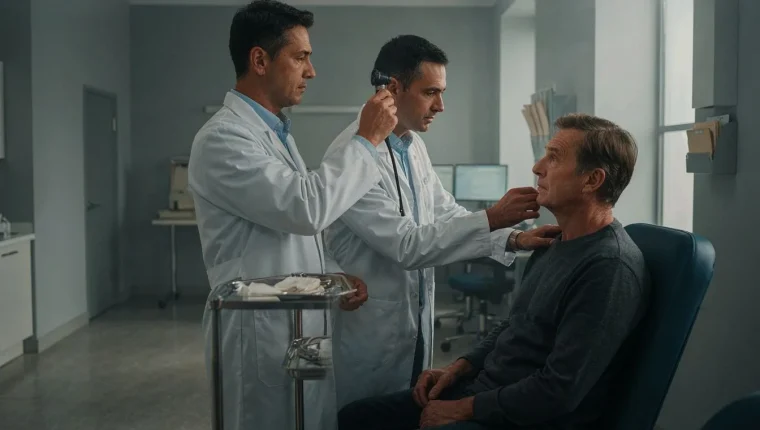
Otoplasty—one of the most sought-after cosmetic procedures for prominent or misshapen ears—has become one of the top reasons Americans book flights to Istanbul. Why? Ear surgery in the United States can cost anywhere from $4,000 to $7,000, while otoplasty Turkey packages typically bundle the surgery, hotel stay, transfers, and aftercare for a fraction of that price.
But cost alone doesn’t explain the trend. Turkey’s clinics perform tens of thousands of cosmetic procedures annually, and many surgeons specializing in ear reshaping have international training and years of focused experience. For most patients, the question isn’t whether Turkey is affordable—it’s how to choose the right package safely.
This guide explains what these packages include, what they realistically cost for American patients, and how to vet a clinic before you commit.
Why Americans Choose Turkey for Ear Pinning Surgery
Every year, thousands of Americans board flights to Istanbul and Antalya for ear reshaping surgery, and the reasons are more practical than exotic. The most immediate driver is cost savings: the same procedure performed by board-certified surgeons in the US can run between $4,000 and $8,000 out of pocket, while comparable care in Turkey often comes in at a fraction of that price—all-inclusive of hospital fees and aftercare.
Price alone wouldn’t matter if quality were in question, but Turkey’s medical tourism sector has matured considerably. Cities like Istanbul host JCI-accredited hospitals and surgeons who perform high volumes of cosmetic ear procedures annually, meaning many specialists have more hands-on experience with ear pinning techniques than their US counterparts.
There’s also a matter of access. In the US, waiting lists for elective consultations can stretch for months, and insurance rarely covers otoplasty unless it corrects a documented functional issue. In Turkey, consultations are typically scheduled within days, and treatment plans move at the patient’s pace.
Geography works in Turkey’s favor, too. Direct flights from major US cities to Istanbul take roughly ten to twelve hours, and the country sits conveniently between time zones, making follow-up video calls with your surgeon manageable even after you’ve returned home.
Finally, many Americans appreciate the bundled nature of Turkish healthcare services. Instead of coordinating a surgeon, an anesthesiologist, a facility, and a hotel separately, patients receive a single, transparent quote that covers the clinical work and the travel essentials—reducing both the administrative burden and the risk of surprise bills.
What an Otoplasty Turkey Package for Americans Typically Includes
When you request a quote from a Turkish clinic, what arrives is rarely a single price tag for surgery alone. Most providers structure their offerings as an all-inclusive medical package, bundling the procedure itself with the practical services an international patient needs. Understanding exactly what sits inside that bundle—and what doesn’t—is the difference between a smooth medical trip and a string of surprise expenses.
While inclusions vary between clinics, a well-built package for patients flying in from the United States generally covers these core elements:
- The surgical procedure itself: Surgeon fees, anesthesia, hospital or clinic operating room costs, and standard pre-operative testing, typically performed under local or light sedation for adults.
- Personal patient coordinator: A dedicated, often English-speaking contact who handles scheduling, translates during consultations, and stays reachable throughout your stay.
- Airport and clinic transfers: Private chauffeur service between the airport, your hotel, and all medical appointments, so you never navigate an unfamiliar city alone.
- Hotel accommodation: Usually four or five nights in a partner hotel near the clinic, sometimes including breakfast.
- Post-operative care: Compression headband, prescribed medications, follow-up examinations before you fly home, and often remote check-ins with your surgeon after you return to the US.
Be aware of what most packages exclude: your international flights, travel insurance, and any revision surgery required months later. Some clinics offer a guaranteed revision policy if minor asymmetry appears after healing, but you should confirm this in writing before booking.
The practical advantage of this model is efficiency. A typical itinerary compresses initial consultation, surgery, and follow-up visits into five to seven days, which is why many American patients schedule their procedure around a single week of vacation time.
How Much Does Ear Reshaping Surgery Cost in Turkey Compared to the US
Let’s talk numbers, because this is usually the deciding factor. In the United States, ear reshaping surgery typically runs between $3,500 and $8,000 per ear—yes, sometimes per ear—when you factor in the surgeon’s fee, anesthesia, and the operating facility. In Turkey, the total price usually lands between $1,500 and $3,500 for the entire procedure, and that figure often covers more than just the surgery itself.
The gap comes down to economics, not quality. Lower operating costs, favorable exchange rates, and high patient volume allow Turkish clinics to charge dramatically less while using the same techniques—cartilage-sculpting methods like the Mustardé and Furnas procedures—that American surgeons rely on.
Here’s where it gets interesting when you compare line by line. That $5,000–$8,000 U.S. quote? It rarely includes your post-operative care, let alone a place to sleep. A comprehensive package price in Turkey, by contrast, generally bundles the surgery, anesthesia, hospital fees, medications, follow-up visits, hotel stays, and private transfers into a single figure with no surprises.
Consider a realistic scenario: an American patient might spend $2,500 on an all-inclusive procedure in Istanbul, plus $800–$1,200 on a round-trip flight, and still save $2,000–$5,000 compared to staying home—even after treating the trip partly as a vacation.
One caveat worth knowing: U.S. insurance almost never covers otoplasty unless it corrects a functional defect, so out-of-pocket comparison is the honest benchmark. Measured that way, Turkey’s advantage isn’t marginal—it’s transformative.
Choosing the Right Clinic and Surgeon for Your Procedure
A package price means little if the hands holding the scalpel aren’t qualified, so vetting your provider is the single most important decision in this entire process. In Turkey, ear reshaping is typically performed by plastic surgeons certified by the Turkish Medical Association, ideally those with subspecialty training in facial plastic or pediatric cosmetic surgery. Look for surgeons who perform otoplasty regularly—not occasionally—since surgical volume correlates directly with refined technique and lower revision rates.
Start by verifying credentials through official channels. A legitimate clinic will readily share a surgeon’s medical license number, before-and-after galleries of actual otoplasty patients, and evidence of board certification. Be cautious with clinics that only show airbrushed marketing photos or refuse a direct video consultation before you commit.
Video consultations are now standard practice for international patients, and they reveal a lot. A good surgeon will assess your ear anatomy, explain the specific technique they plan to use—whether cartilage scoring, suturing, or a combination—and give you an honest picture of expected symmetry and healing. If you feel rushed toward a deposit or hear vague answers to direct questions, treat that as a signal to keep searching.
It also helps to cross-check the surgeon’s name on independent review platforms and patient forums rather than relying solely on testimonials hosted on the clinic’s own website. Ask how many of their otoplasty patients traveled from abroad, and request references if possible. Many Americans find reassurance in speaking with a former patient from their home state who made the same journey.
Finally, confirm who will actually perform your surgery. Some facilities use a team approach, so make sure the surgeon you researched is the one holding the instrument on the day—not a rotating associate.
Travel and Accommodation Logistics for Your Medical Trip

The logistical side of a medical trip often worries Americans more than the surgery itself, and understandably so—it’s the part you can’t research on a medical website. Most clinics in Istanbul, Ankara, and Izmir have refined this process over years of serving international patients, so your itinerary is typically pre-arranged by the clinic rather than left for you to figure out. Once your surgery date is confirmed, your personal coordinator usually sends a day-by-day schedule covering everything from landing to your final check-up.
A typical ear surgery trip runs five to seven days, and the flow looks something like this:
- Flight planning: Direct flights from New York, Chicago, or Washington to Istanbul take roughly ten hours, and most patients arrive one day before surgery to rest and attend their pre-operative consultation.
- Airport pickup: Your driver meets you at arrivals with a name sign, and the transfer to your hotel or the hospital is already covered in your package—no haggling with taxis in an unfamiliar city.
- Hotel proximity: Most clinics partner with hotels within a ten-minute drive of the facility, which matters for your dressing check the day after surgery.
- Companion arrangements: If a family member travels with you, packages can usually add a second bed or adjoining room for a modest supplement.
- Buffer days: Build in at least one flexible day before your flight home in case your surgeon wants a final look at your healing ears before clearing you to fly.
Timing matters more than most patients realize. Otoplasty recovery is relatively light compared to other procedures—you’ll wear a headband rather than heavy bandages—but you still shouldn’t schedule a flight home within 48 hours of surgery. Pressurized cabins can cause discomfort, and your surgeon will want to confirm the incisions are healing cleanly. Most patients fly home on day five or six, once sutures have been checked and swelling has begun to settle.
One practical tip: request your medical records, operative notes, and aftercare instructions in English before you leave Turkey. Your doctor back home will want these for follow-up care, and having them in hand saves weeks of back-and-forth translation later.
What to Expect During Recovery After Ear Surgery Abroad
Recovery after ear surgery is often easier than patients anticipate, but knowing the timeline helps you plan your return home with confidence. The first few days are the most demanding: you’ll wear a protective headband around the clock to keep your ears in position and shield them while you sleep. Mild soreness, swelling, and bruising are normal during this window, and your surgeon will typically prescribe pain medication that keeps discomfort well under control.
Most patients from the United States schedule their trip so that the critical healing phase happens before they fly. Because your itinerary is typically pre-arranged by the clinic, you’ll usually have your stitches removed or checked, and your surgeon’s clearance to travel, before boarding your flight home—often around day seven or eight. This is where the post-operative follow-up appointments included in your package truly matter: they let your surgical team confirm that healing is on track before you’re on a plane.
Once you’re back in the States, aftercare continues remotely. Reputable clinics provide a direct contact—often the same personal patient coordinator who managed your trip—so you can send photos, ask questions, and receive guidance without scheduling costly local visits. Compression headbands usually transition to nighttime-only wear for several weeks, and most people return to desk work or school within a week to ten days.
A few practical rules make a real difference in your final result. Avoid bending over, heavy lifting, and any contact with the ears for the first two weeks. Sleep on your back with your head slightly elevated to reduce swelling. Skip swimming and contact sports for at least a month, and protect your ears from sun exposure once you’re outdoors again.
The final shape of your ears emerges gradually as swelling subsides—expect subtle refinement over the first three months, with results considered final around the six-month mark. Many Americans find that scheduling surgery during a vacation period or long weekend makes the entire recovery feel remarkably manageable.
Safety Standards, Accreditation, and Patient Rights in Turkey

Turkey has invested heavily in becoming a global destination for medical tourism, and that reputation rests heavily on regulation. Private hospitals serving international patients are licensed by the Turkish Ministry of Health, and cosmetic procedures like ear reshaping must be performed in accredited facilities or licensed clinics that meet national hygiene and surgical standards. Many of the top hospitals hold JCI (Joint Commission International) accreditation, the same benchmark used by leading hospitals in the United States, which signals audited protocols for patient safety, infection control, and staff qualifications.
Your surgeon’s credentials matter just as much. Turkish plastic surgeons complete six years of medical school followed by specialized residency training, and reputable ones are members of professional bodies such as the Turkish Society of Aesthetic Plastic Surgery (TSAPS) or the International Society of Aesthetic Plastic Surgery (ISAPS). When vetting a clinic, ask directly for the surgeon’s diploma, specialization certificate, and before-and-after portfolio—not just marketing photos.
On the patient rights side, Turkey’s medical framework gives you protections that many travelers don’t realize exist. You are entitled to a clear, written treatment plan, informed consent before any procedure, and access to your full medical records, including operative notes and discharge documents. Interpreter services are typically provided by clinics that regularly treat international patients, so language barriers should never prevent you from fully understanding what you’re agreeing to.
There are practical realities worth knowing before you commit. Medical malpractice claims in Turkey go through a different legal process than in the US, and compensation structures differ. This is exactly why thorough due diligence on your clinic—verifying licenses, reading verified patient reviews, and confirming what happens if complications arise after you fly home—is non-negotiable. Reputable providers will answer these questions upfront and put commitments in writing.
Finally, keep documentation of everything: contracts, receipts, consent forms, and follow-up records. If you need post-operative care once back in the States, having a complete medical file makes it far easier for a local physician to continue your care seamlessly. A trustworthy Turkish clinic will hand you that file without hesitation—and if they don’t, treat it as a red flag and keep looking.
FAQs
How much does an otoplasty Turkey package for Americans typically cost, including flights and accommodation?
An otoplasty Turkey package for Americans typically costs between $2,500 and $4,500 total, with the surgery itself usually priced at $1,500 to $3,000. All-inclusive packages generally cover the procedure, anesthesia, hospital fees, medications, and follow-up visits, while some clinics also include hotel accommodation and VIP airport transfers. Round-trip flights from the US usually add $700 to $1,200 per person depending on the season and departure city. This total remains significantly lower than the $5,000 to $8,000 or more commonly charged for otoplasty alone in the United States.
Is it safe for US citizens to travel to Turkey for ear surgery, and how are clinics vetted?
Yes, it is generally safe for US citizens to travel to Turkey for ear surgery, as the country has many internationally accredited hospitals and surgeons, particularly in Istanbul and Ankara, and medical tourism is a well-established, regulated industry. You should vet clinics by confirming surgeon board certification, checking JCI (Joint Commission International) accreditation or equivalent credentials, reading verified patient reviews, and asking about complication rates and aftercare policies before booking. Reputable clinics will offer transparent consultations, English-speaking staff, and clear contracts covering follow-up care or revision surgery if needed. As with any surgery abroad, purchase travel insurance that covers medical care and plan for adequate recovery time before flying home.
How long should Americans plan to stay in Turkey after otoplasty before flying home?
Most Americans should plan to stay in Turkey for 7 to 10 days after otoplasty before flying home. This window allows the surgeon to remove dressings, check healing at a follow-up visit, and confirm you are fit to fly. Air travel too soon can raise risks of swelling, pressure discomfort, and complications that a local doctor cannot properly assess. Some surgeons may clear patients to fly as early as 5 to 7 days, but a full week or more is the safer standard.