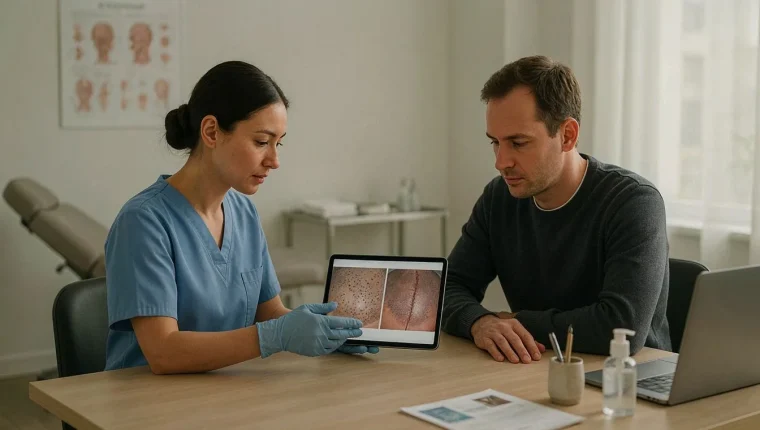
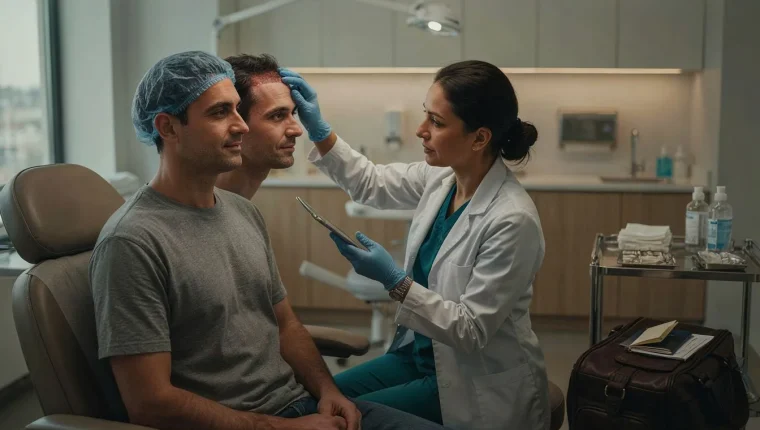
Flying back to Canada after a hair transplant in Turkey requires more than booking the earliest convenient flight. During the first days after surgery, newly placed grafts need protection, and swelling, tenderness, and scalp sensitivity may still affect your comfort. The main decision is balancing your travel schedule with the healing process instead of treating the flight as a routine journey.
A safe travel plan should consider the recommended flight window, your condition before departure, airport handling, cabin conditions, prescribed medication, hydration, and access to follow-up care after you arrive. Long international flights can also make it harder to rest, avoid accidental contact with the scalp, and respond quickly if an unexpected symptom develops. If you are planning to fly after hair transplant Turkey Canada, confirm your timing and post-operative instructions with your clinic before finalizing travel arrangements. Personal medical factors and the technique used may affect when you are ready to travel.
When Can You Fly to Canada After a Hair Transplant in Turkey?
For most patients, the safest time to consider an international flight is after the first few days of recovery, once early swelling and any minor oozing have settled. Many clinics advise waiting around 7 to 10 days, but this is not a universal rule. The appropriate recommended flight window depends on the procedure, the number of grafts placed, the condition of the recipient and donor areas, and how recovery is progressing.
The main concern is not the flight itself but travelling while the scalp is still vulnerable. Fresh grafts need protection from rubbing, accidental impact, and unnecessary pressure. Significant swelling, active bleeding, uncontrolled discomfort, or a dressing that still requires clinical attention may indicate that travel should be postponed. Patients who develop unusual symptoms should contact their clinic rather than relying on general timing advice.
Hair transplant technique can also influence the decision. Follicular unit extraction and strip procedures involve different wound patterns, while individual clinics may use different post-operative dressings and washing protocols. Existing medical conditions, prescribed medication, and the length of the journey from Turkey to Canada may further affect the plan. A short delay can be sensible if the treating team feels the scalp has not yet reached a stable stage.
Written clearance from the treating clinic should take priority over any general recommendation. Before booking or taking the flight, ask the surgeon when travel is appropriate, whether a review is needed beforehand, and what to do if swelling or bleeding changes. The clinic can assess the grafts directly and confirm whether your recovery is suitable for air travel.
Preparing for Air Travel During the Early Recovery Period
Once your clinic has confirmed that travel is appropriate, prepare for the journey as part of your recovery rather than treating it as an ordinary flight. Keep your written post-operative instructions, clinic contact details, procedure information, and travel documents together in your hand luggage. Having these details readily available can make communication easier if an airline employee, accommodation provider, or healthcare professional needs to understand your situation.
Plan the route from the clinic or hotel to the airport with extra time and minimal physical effort. A private transfer or pre-arranged car may be more practical than navigating crowded public transport immediately after surgery. Avoid building a tight schedule around check-in, connections, or boarding. A slower plan gives you time to sit, eat, use the restroom, and respond to unexpected delays without rushing.
Pack lightly and arrange help with heavier bags. You should not need to lift suitcases into vehicles, carry them through the terminal, or place them in overhead storage. Choose loose, front-opening clothing that does not need to be pulled over the head, and keep essential items accessible without repeatedly bending or stretching. Your clinic’s specific instructions should guide how you handle any dressing, washing routine, or scalp care before departure.
Accommodation also deserves attention. Select a place with easy access, a comfortable bed, and limited stairs if possible. Confirm check-in arrangements in advance so you are not left standing with luggage after arrival. If someone can accompany you or meet you at the Canadian airport, arrange this before leaving Turkey. Organizing transport, bags, clothing, and rest breaks in advance reduces unnecessary contact and physical strain during the early healing period.
Airport Security, Cabin Conditions, and Graft Protection
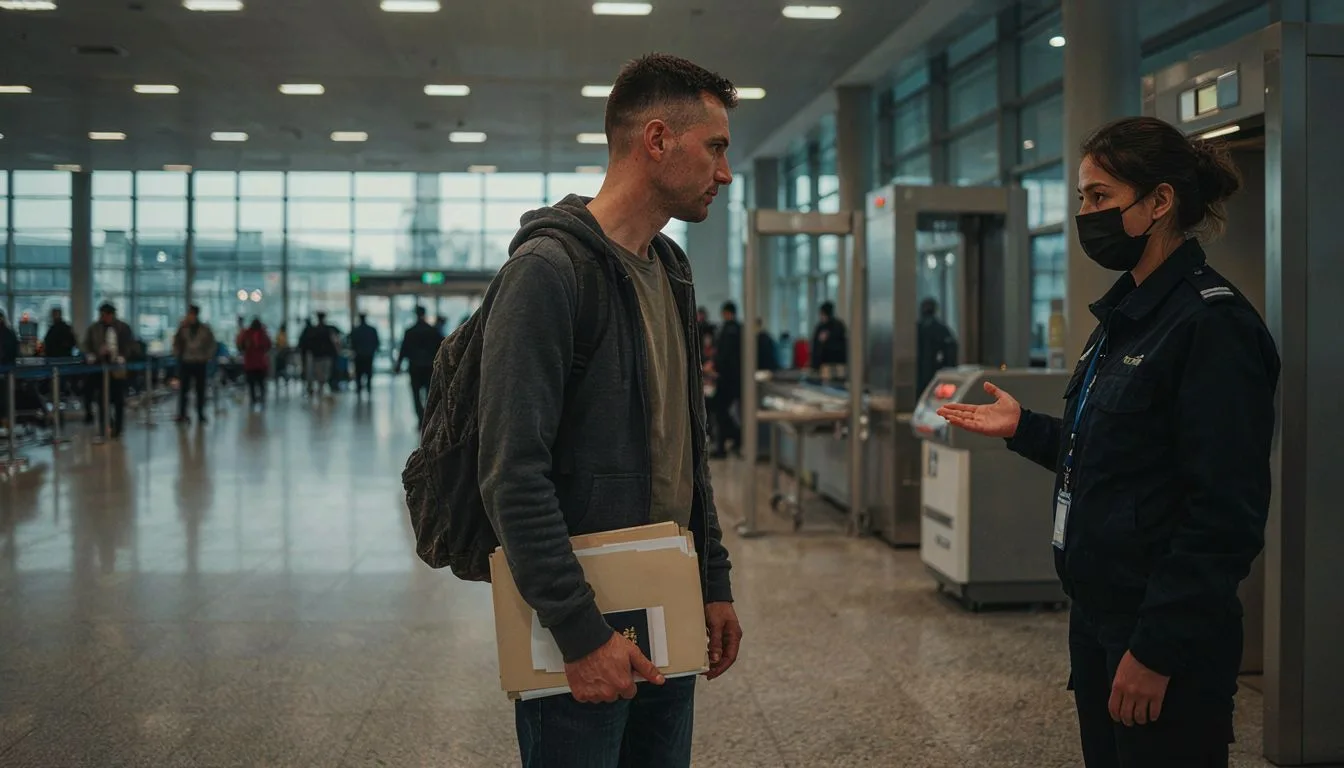
Airport screening is usually routine after a hair transplant, but recent surgery can make contact around the scalp uncomfortable. Keep your clinic’s written clearance and relevant medical documents accessible in case an airline or security officer asks about your condition. You should not need to provide detailed medical information at the checkpoint, but calmly explaining that you have recently undergone scalp surgery may help prevent unnecessary pressure or handling.
Security procedures vary by airport. Follow the officer’s instructions, while avoiding hats, headphones, or other items that press against the recipient area unless your clinic has approved them. Do not touch or adjust the grafts during screening. If additional inspection is required, request that it be performed gently and, where possible, in a private setting.
Inside the aircraft, the main concerns are accidental contact, prolonged pressure, and a dry cabin environment. Use the headrest without rubbing the transplanted area, and keep your head in a comfortable position that does not allow the grafts to press against the seat. Be cautious when placing or retrieving luggage from overhead compartments, since bags can fall or strike the scalp. Asking a fellow passenger or crew member for help is safer than stretching or lifting awkwardly.
Protect the grafts from accidental touching by keeping a little personal space around your head and politely informing nearby passengers if they need to avoid contact. Crowded boarding areas can lead to bumps, so remain alert when people move past your seat. Avoid leaning your scalp against unfamiliar surfaces, and follow the clinic’s instructions regarding any covering or headwear. Cabin dryness may increase discomfort, but specific hydration and medication planning should follow the treatment instructions provided by your medical team.
Medication, Hydration, and In-Flight Comfort
Keep every medicine in your hand luggage and follow the treatment plan supplied by your clinic. This may include prescribed pain relief, antibiotics, or other postoperative products, but do not add, stop, or change medication simply because you are travelling. Keep medicines in their original packaging, and carry the prescription or clinic instructions in case airport staff or a healthcare professional needs to verify them.
Long flights can make routine care less comfortable, so drink water regularly rather than relying mainly on coffee or alcohol. Good hydration may help you feel less dry and fatigued in the cabin, although it does not replace your clinic’s aftercare instructions. Choose light food if your stomach feels unsettled, and avoid taking medication on an empty stomach unless your clinician has specifically advised that this is appropriate.
Movement also matters for general comfort during a long journey. When permitted by your treating team, gently move your ankles and legs while seated and stand briefly when it is safe to do so. Choose loose clothing, use a small travel pillow only if it does not interfere with the transplanted area, and keep tissues, water, and approved medication within easy reach. Planning these details reduces unnecessary reaching, rushing, and discomfort.
Sleep can be difficult after surgery, particularly when you are adjusting to a new sleeping position. Do not use sedatives or over-the-counter sleep products unless your clinician has approved them, especially when combined with prescribed pain medicine. If pressure changes, nausea, or discomfort becomes significant, focus on the instructions provided by your clinic and seek professional advice rather than improvising treatment. Follow the clinic’s prescribed treatment plan exactly throughout the journey.
Arriving in Canada: Aftercare and Follow-Up Planning

After landing in Canada, make the first part of your recovery as uncomplicated as possible. Arrange transport that allows you to avoid unnecessary rushing, heavy luggage, or pressure on the scalp, then rest once you reach your accommodation. Follow the clinic’s instructions for washing, sleeping position, and scalp handling rather than changing your routine because the journey is over.
Keep the written aftercare guidance, medication details, procedure date, and the clinic’s contact information readily available. These records help you communicate accurately if a Canadian healthcare professional needs to review your recovery. It is also useful to send the Turkish clinic a brief update after arrival if requested, especially when the clinic has scheduled remote check-ins or provided specific milestones for washing and activity.
Before travelling, identify how you would access healthcare locally, such as your family doctor, a walk-in clinic, or an appropriate urgent-care service. A Canadian professional may not replace the treating surgeon’s planned follow-up, but can assess you if an in-person review becomes necessary. Share the clinic’s instructions and explain the technique used, the date of surgery, and any medicines you are taking.
Continuity of care is the key priority after international travel. Keep communication open with the Turkish clinic, preserve all treatment records, and avoid adding products, changing medicines, or accelerating scalp-care steps without professional guidance. If symptoms seem unusual or worsen, seek medical assessment promptly rather than relying only on remote messages; specific warning signs are addressed in the next section.
Warning Signs That Require Medical Attention After Flying
Mild tightness, swelling, redness, tenderness, or a small amount of crusting can be part of normal recovery after the flight. These effects should generally remain manageable rather than become progressively worse. Pay attention to changes such as increasing pain, spreading redness, warmth, marked swelling, pus-like drainage, persistent bleeding, or a foul smell from the treated area, as these may indicate infection or another complication.
Seek urgent medical help for fever, chills, severe weakness, difficulty breathing, chest pain, fainting, or sudden leg swelling and pain. These symptoms should not be attributed to routine post-operative discomfort, particularly after a long journey. For less urgent but concerning changes, contact the treating clinic promptly and describe when the symptoms began, how they are changing, and any medication taken. Avoid self-treating with additional medicines or delaying care while continuing your travel plans. Worsening symptoms after surgery require prompt medical assessment, especially when they are accompanied by systemic symptoms or do not improve with rest.
FAQs
How soon can I fly from Turkey to Canada after a hair transplant?
Most patients can fly from Turkey to Canada 3–5 days after a hair transplant, once the clinic confirms that healing is progressing normally. Waiting about a week may be more comfortable, especially after an extensive procedure, but your surgeon’s advice should take priority. Keep the grafts protected during the journey and follow all post-operative travel instructions.
What precautions should I take when flying after a hair transplant from Turkey to Canada?
Follow your surgeon’s guidance, keep your head elevated, and avoid pressure or rubbing on the grafts during the flight. Keep prescribed medications and aftercare supplies in your hand luggage, drink water, and avoid alcohol, smoking, and strenuous activity. Wear a loose-fitting shirt that does not need to be pulled over your head, and contact your clinic promptly if you develop heavy bleeding, worsening swelling, fever, or severe pain.
Can air travel affect the healing of transplanted hair grafts?
Air travel generally does not harm transplanted hair grafts once they are securely in place, but flying too soon after surgery may increase swelling, dryness, and discomfort. Most patients can fly from Turkey to Canada after about 7–10 days, following their clinic’s instructions and protecting the recipient area from rubbing, pressure, and direct sunlight.