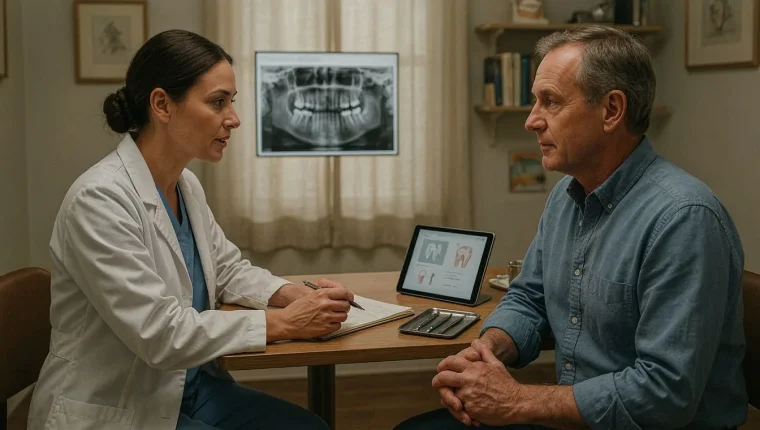
Dental implants do not look and feel fully natural overnight. The visible result develops in stages, from the temporary appearance after surgery to the stable, natural-looking smile created after the implant integrates with the jawbone. Understanding the dental implants results timeline helps you set realistic expectations and plan around healing, follow-up visits, and the placement of your final crown, bridge, or denture. In many cases, the complete process takes several months because the implant must attach securely to the bone before it can support a permanent restoration. You may notice improvements in comfort and appearance early on, while the final result depends on healing, bone quality, gum health, and the treatment plan chosen by your dentist. Knowing what changes at each stage can make the process more predictable.
What Happens Immediately After Dental Implant Surgery?
Right after dental implant surgery, the implant is hidden beneath the gum or connected to a temporary healing component while the surgical site begins to stabilize. Mild bleeding or oozing during the first day is common, and swelling often becomes more noticeable over the next 48 to 72 hours before gradually improving. Tenderness, bruising, and a feeling of pressure around the treated area can also occur.
The most important early process is blood clot formation. This clot protects the wound and supports initial tissue repair, so avoid disturbing it by vigorous rinsing, forceful spitting, smoking, or touching the area with your tongue or fingers. Your dental team may recommend biting gently on gauze, using prescribed medication, applying a cold compress, and choosing soft, cool foods for the first day.
During this period, the implant itself may not feel completely stable, and that is expected. Avoid chewing directly over it unless your dentist specifically says otherwise. Keep your mouth clean according to the postoperative instructions, but do not brush directly across the surgical site until advised. The visible appearance at this stage is temporary and does not represent the final dental implants results timeline.
Contact your dentist if bleeding remains heavy, pain worsens instead of improving, swelling continues to increase after several days, or you develop fever, pus, difficulty breathing, or difficulty swallowing. These symptoms may require prompt assessment.
When Do Dental Implants Start to Heal?
Healing begins as soon as the implant is placed, but the early process is mostly invisible. During the first few days, the gum tissue starts closing around the surgical site while the body controls inflammation and repairs the surrounding tissues. Mild swelling, tenderness, or sensitivity during this period is common and does not necessarily indicate a problem.
The most important stage is osseointegration, the gradual bonding of the implant surface with the jawbone. New bone develops around the implant and progressively creates the stable foundation needed for a crown, bridge, or denture. This process usually takes several months, although the exact timing depends on bone quality, implant location, overall health, and whether bone grafting was required.
Gum tissue often appears substantially healed within a few weeks, but that visible improvement does not mean the implant has fully integrated with the bone. Your dentist may use clinical examinations and imaging to determine whether the implant is stable enough for the next restorative step.
Following aftercare instructions supports predictable healing. Avoiding tobacco, maintaining gentle oral hygiene, and attending scheduled reviews can help protect the developing implant site. Contact your dental provider promptly if pain increases instead of improving, swelling returns, the implant feels mobile, or you develop persistent discharge or fever.
How Long Until Dental Implants Feel Natural?
Most patients notice that dental implants begin to feel more natural gradually, as the surrounding gum tissue settles and the replacement tooth becomes part of everyday biting and speaking. The implant itself is anchored in the jaw, but comfort depends on more than bone healing. Your bite, gum contour, and adjustment to the shape of the crown all influence how quickly it stops feeling unfamiliar.
Many people adapt well within a few weeks after the final crown is placed. A slight sense of pressure, tightness, or awareness when chewing can be normal during this adjustment period. The following signs generally indicate that the restoration is becoming comfortable in daily use:
- Comfortable chewing: You can gradually use the implant for normal foods without tenderness or avoiding that side of your mouth.
- Natural speech: Your tongue adapts to the crown’s contours, reducing any temporary lisp or feeling of obstruction.
- Stable bite: The implant tooth meets the opposing teeth evenly without feeling unusually high or causing jaw fatigue.
- Settled gum tissue: The gumline appears calm and comfortable rather than swollen, persistently sore, or easily irritated.
The key biological milestone is osseointegration, which provides the implant with a stable foundation, while the final comfort adjustment usually occurs after the crown is fitted. Your dentist can refine the bite if the tooth feels too high or uncomfortable. Persistent pain, movement, swelling, or difficulty chewing should be checked rather than treated as a normal part of adaptation.
What Factors Affect the Dental Implants Results Timeline?

The dental implant results timeline varies because each patient heals at a different rate. The most important influence is the quality and quantity of the supporting jawbone. When the bone is dense and healthy, the implant may become stable more predictably. If bone grafting is needed, treatment usually takes longer because the graft must mature before or during implant placement.
Individual healing capacity also affects progress. Age alone does not determine the outcome, but conditions such as uncontrolled diabetes, poor circulation, immune problems, and a history of slow wound healing can delay recovery. Smoking is another significant factor because it restricts blood flow and increases the risk of infection or implant failure.
The position and number of implants matter as well. An implant supporting a single front tooth may follow a different schedule from several implants placed in the back of the jaw, where chewing forces are often greater. The need for tooth extraction, bone augmentation, or gum treatment can add further stages to care.
Finally, following postoperative instructions helps protect the healing site. Keeping the area clean, attending scheduled reviews, avoiding smoking, and not placing excessive pressure on the implant can support stable healing. Your dentist may also adjust the timing based on clinical examinations and imaging rather than symptoms alone.
When Are Dental Implant Results Considered Complete?
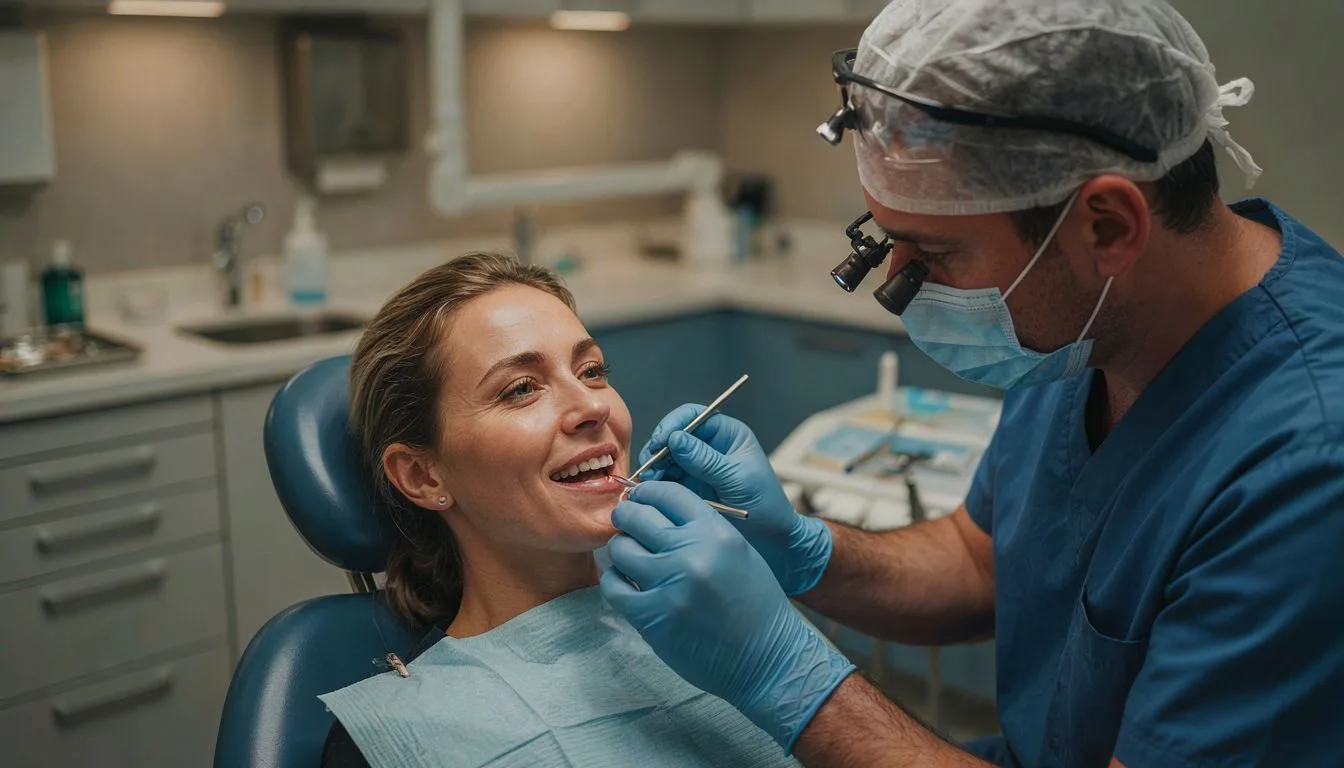
Dental implant results are generally considered complete when the implant, crown, and surrounding gum tissue have reached a stable, functional state. For many patients, this occurs after the final restoration is placed and the implant has fully integrated with the jawbone. The exact point varies according to the number of implants, the need for bone grafting, and individual healing capacity.
The most important clinical milestone is successful osseointegration. At this stage, the implant is firmly supported by the bone and can withstand normal chewing forces. Your dentist also evaluates whether the crown fits comfortably, the bite is balanced, the gums look healthy, and daily functions such as speaking and eating feel natural.
Appearance may continue to refine after treatment is technically complete. Gum tissue can gradually settle around the restoration, and minor changes in swelling or tissue contours may become less noticeable over time. This is especially relevant for implants placed in visible areas, where the gum line strongly influences the final cosmetic result.
Routine follow-up appointments confirm that the implant remains stable and that the restoration is functioning properly. Once healing is complete, the bite is comfortable, the gums are healthy, and the implant shows no signs of movement or complications, the results are typically regarded as complete. Maintaining careful oral hygiene and attending regular dental examinations helps preserve that result for many years.
FAQs
When will I see the final results of dental implants?
Most patients see the final results of dental implants after about 3 to 6 months, once the implants have fully integrated with the jawbone and the permanent crowns, bridges, or dentures are placed. The exact timeline depends on healing, bone grafting, and the complexity of treatment.
What factors can affect the dental implants results timeline?
The timeline can vary based on bone density, the need for bone grafting, healing capacity, oral hygiene, and the number or type of implants placed. Smoking, uncontrolled diabetes, gum disease, and complications during healing may also delay treatment. Your dentist can provide a more accurate estimate after evaluating your oral health and treatment plan.
How long do dental implants typically last once healing is complete?
Dental implants can last 15 years or longer after healing, and many remain functional for a lifetime with proper care. Their lifespan depends on oral hygiene, regular dental checkups, smoking, overall health, and the condition of the surrounding bone and gums.