Flying from Turkey to the USA after dental implants requires planning beyond booking the earliest available flight. The timing of your journey can affect swelling, bleeding, comfort, and early implant healing, especially after extensive surgery, bone grafting, or multiple implants. A long flight also means spending many hours in a dry cabin with limited access to your dental team, medication, and follow-up care. Your return date should be based on the procedure performed, your symptoms, and your dentist’s assessment, not a fixed rule that applies to everyone. Good preparation can make the trip more comfortable and help you protect the surgical area during travel. Before leaving Turkey, understand your aftercare instructions, have the necessary medication, and know how to contact your treating dentist if a concern develops during the journey or after arriving in the USA.
When Is It Safe to Fly After Dental Implants in Turkey?
The safest time to fly after dental implants in Turkey depends on the treatment performed, your early healing progress, and approval from the treating dentist. A routine implant placement may allow travel sooner than a case involving several implants or additional surgery, but there is no single waiting period that suits every patient.
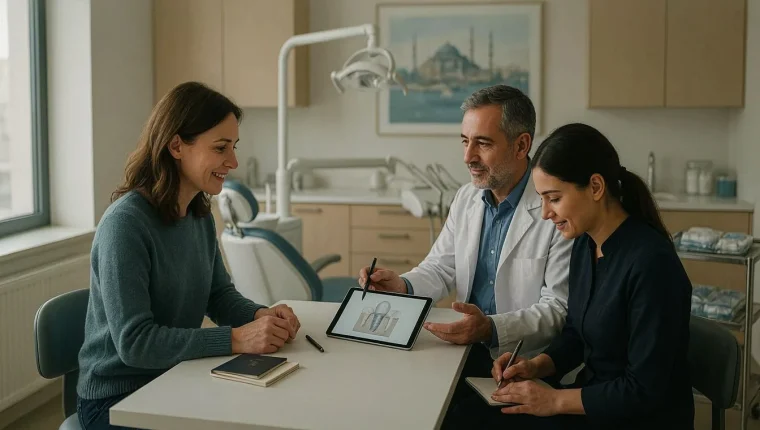
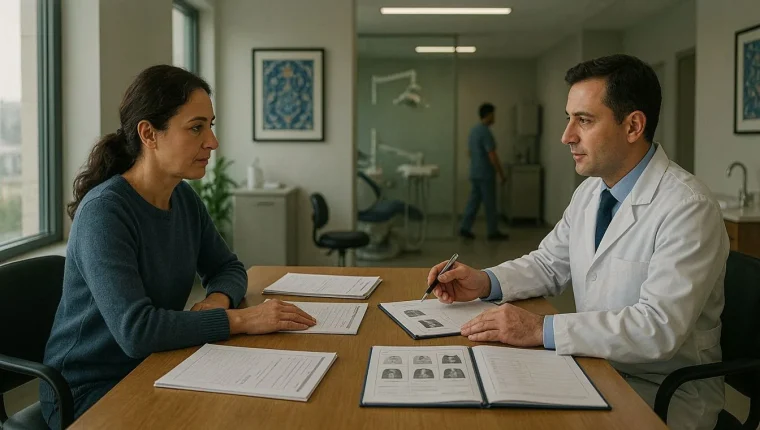
Before booking a long-haul flight to the USA, arrange an early post-operative review with your dentist or oral surgeon. This appointment allows them to assess the surgical site, confirm that bleeding is controlled, check the stability of any temporary restoration, and review your medication and aftercare instructions. Dentist clearance is especially important when you will be far from the clinic for many hours.
Patients who have also had bone grafting or a sinus augmentation may need a longer recovery period than those who underwent straightforward implant placement. These procedures can create additional swelling and require closer observation, so the surgeon may recommend postponing air travel until the site is stable.
Travel should generally be delayed if bleeding continues, pain is worsening rather than improving, swelling is increasing, or the surgical area shows signs of impaired healing. A loose temporary component, difficulty opening the mouth, or concerns about infection should also be assessed before departure. Contact the clinic promptly if any of these issues develop instead of relying on a fixed schedule.
How Air Travel Can Affect Early Implant Healing
Air travel can place extra demands on the body while the implant site is still settling. Cabin air is dry, which may leave the mouth and throat uncomfortable, especially during a long journey when drinking and normal oral care are less convenient. Dryness does not usually damage an implant directly, but it can make the surgical area feel irritated and may encourage mouth breathing.
Prolonged sitting and limited movement can also increase general fatigue. Tiredness may make normal post-operative sensations feel more noticeable and can reduce your ability to follow the care instructions provided by your dentist. Keeping essential medication, water, and approved oral-care items accessible is therefore practical, although specific pain, swelling, hydration, and cleaning measures should follow your clinician’s instructions.
Changes in cabin pressure are often a concern for patients, but they are not necessarily the main factor affecting early implant recovery. For most people, the greater issues are the extent of surgery, the condition of the implant site, and whether symptoms are stable before departure. A straightforward implant placement may involve fewer travel concerns than bone grafting, sinus-related treatment, or multiple extractions.
Ordinary dryness, fatigue, or mild awareness around the treated area can occur during travel. Worsening pain, persistent bleeding, rapidly increasing swelling, fever, or a feeling that the implant is moving is different and requires prompt dental advice. Your current symptoms should guide the decision more than flight pressure alone.
Preparing for Flying After Dental Implants from Turkey to the USA
Good preparation makes the return journey more predictable and helps you respond quickly if your recovery changes. Before leaving Turkey, organize the practical details around your treatment plan rather than relying on airport pharmacies or last-minute arrangements. Your clinic should know your travel date, review the timing of your flight, and provide clear instructions that you can show to a healthcare professional if needed.
- Confirm clinic guidance: Keep the clinic’s written travel advice, treatment summary, and emergency telephone number accessible throughout the journey.
- Pack medicines correctly: Place prescribed medication in your hand luggage, ideally in its original packaging, and carry enough for the planned trip plus a small allowance for delays.
- Choose practical seating: An aisle seat can make it easier to access the restroom, move periodically, and avoid pressure from carrying bags or standing in crowded spaces.
- Plan food and fluids: Eat an appropriate meal before departure, carry permitted water after security, and select soft, easy-to-manage foods if chewing is uncomfortable.
- Prepare oral-care supplies: Keep any clinic-recommended rinsing or cleaning items in a transparent, travel-compliant bag so they remain available during transit.
Arrange follow-up before you fly if your dentist expects continued monitoring, especially when several implants, grafting, or temporary restorations are involved. Identify a reputable dentist or oral surgeon near your destination in the USA and save their contact details. This does not replace communication with the Turkish clinic, but it provides a practical local option if an unexpected concern develops after arrival.
Managing Pain, Swelling, and Oral Care During the Journey
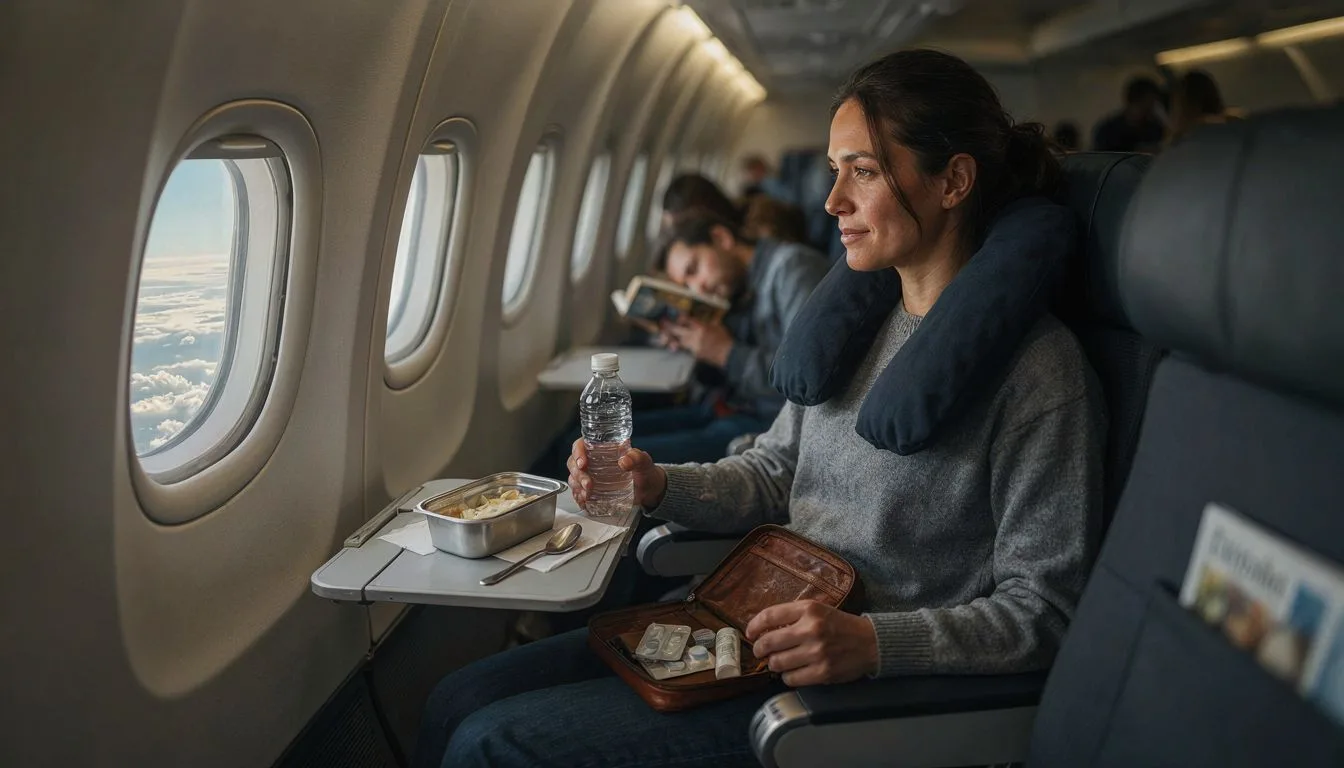
During the flight, manage discomfort in a way that protects the surgical area rather than masking problems. Use only pain relief approved by your dentist, and follow the prescribed dose and timing exactly. Keep medication in your hand luggage so it remains accessible, and do not combine products unless your dental team or pharmacist has confirmed that they are suitable together.
To limit swelling, keep your head comfortably elevated when possible and avoid pressing the cheek or jaw against the window or headrest. Sip water regularly, as dry cabin air can make the mouth feel more uncomfortable. Choose soft, lukewarm foods that require minimal chewing, and use the opposite side of the mouth when eating. Avoid hard, crunchy, spicy, or very hot foods that may irritate the implant site.
Continue gentle oral hygiene according to the treating clinic’s instructions. If brushing near the surgical area is permitted, use a soft toothbrush and light movements; do not scrub the incision or disturb any protective dressing. Follow any instructions about rinsing, and never rinse forcefully or spit aggressively, since this can irritate healing tissues.
Mild soreness, tightness, and gradually settling swelling can occur during early recovery. Pain that is worsening, uncontrolled despite approved medication, or accompanied by persistent bleeding or other concerning changes should not be managed through self-care alone; contact the treating dental team for advice.
When to Contact Your Dentist Before or After the Flight
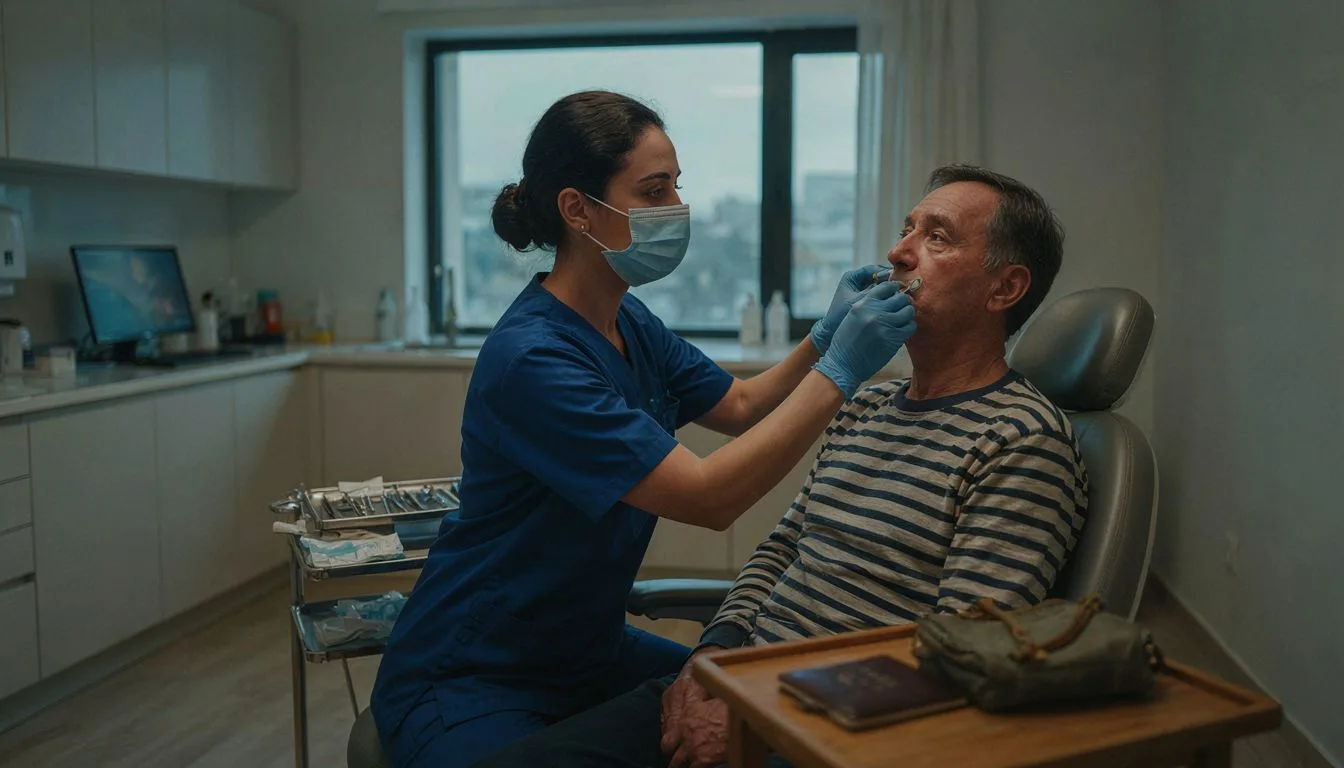
Contact the treating dentist before departure if pain or swelling is worsening rather than improving, bleeding continues, or the surgical area develops pus, an unpleasant taste, or a bad smell. These changes may indicate infection, poor wound healing, or another issue that needs assessment before a long-haul flight.
A fever, increasing facial swelling, difficulty swallowing, or trouble breathing requires urgent professional attention. Do not rely on remote reassurance when symptoms are severe or rapidly progressing. Seek prompt local dental or emergency care after arrival if necessary, and inform the Turkish clinic so the treatment team can coordinate advice and follow-up.
FAQs
How soon can I fly to the USA after dental implants in Turkey?
Most patients can fly to the USA 24–48 hours after dental implant surgery in Turkey, provided the procedure was uncomplicated and they feel well. More extensive treatments, such as bone grafting or sinus lifting, may require several additional days before flying. Confirm your travel plan with your dentist, especially if you have significant swelling, bleeding, pain, or infection.
Are there risks when flying after dental implants from Turkey to the USA?
Flying after dental implants is generally safe, but cabin pressure, prolonged sitting, and limited access to care can worsen swelling, bleeding, or discomfort, especially after extensive bone grafting or sinus-lift surgery. Many patients can fly within 24–48 hours after straightforward implant placement, but longer procedures may require several days or clearance from the treating dentist. Follow your dentist’s instructions, keep medications in your carry-on luggage, stay hydrated, and seek medical advice before flying if you have persistent bleeding, severe pain, fever, or significant swelling.
What should I do during the flight after receiving dental implants in Turkey?
Keep your head elevated and avoid bending, heavy lifting, or strenuous activity during the flight. Do not smoke or drink alcohol, and follow your dentist’s instructions regarding medication, food, and oral hygiene. If you experience severe bleeding, increasing swelling, intense pain, fever, or difficulty breathing, contact your dental clinic or seek urgent medical care.