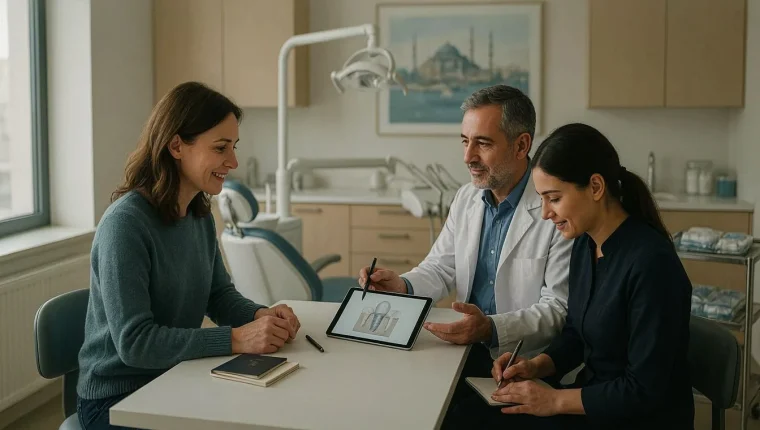
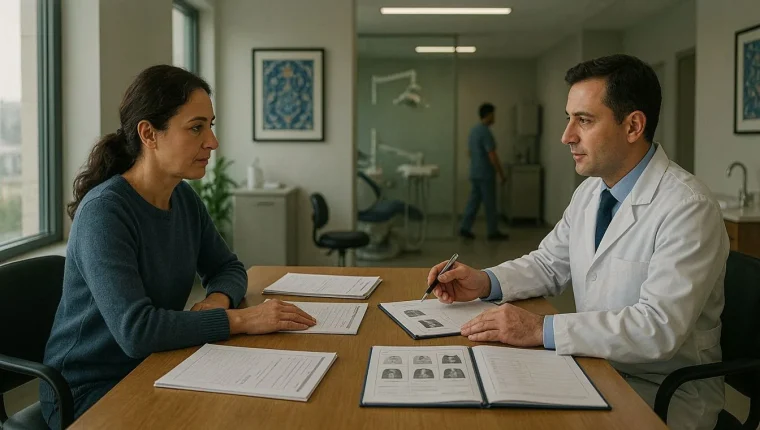
Returning to the USA after dental implant surgery requires more than resuming your normal routine. The first days and weeks can affect implant healing, especially if treatment was completed abroad and your regular dentist is not immediately familiar with your case. Dental implants aftercare in the USA should include careful cleaning, protection of the surgical area, medication management, and timely follow-up with a qualified dental professional. Avoid smoking, follow your surgeon’s food recommendations, and do not ignore increasing pain, swelling, bleeding, fever, or a loose temporary restoration. Keep copies of your implant records, including X-rays, surgical notes, implant brand, and treatment details. Sharing this information with a dentist in the USA can make ongoing care safer, faster, and more coordinated.
Managing Pain and Swelling After Returning to the USA

After arriving back in the USA, mild soreness, pressure, and facial swelling can often be managed with the instructions provided by your implant dentist. Swelling commonly increases during the first two to three days before gradually improving. Rest with your head slightly elevated, use a cold pack on the cheek during the early period, and avoid strenuous exercise until your dentist says it is safe.
Take prescribed medication exactly as directed, and do not combine pain relievers or exceed the recommended dose. If your dentist has approved an over-the-counter option, follow the label carefully and mention any medical conditions, allergies, blood thinners, or stomach and kidney problems before using it. Antibiotics, when prescribed, should be completed as instructed rather than stopped when symptoms improve.
Increasing swelling after the first few days, worsening pain, fever, pus, a bad taste, uncontrolled bleeding, or difficulty swallowing or breathing requires prompt professional advice. Contact the dental office that performed your treatment first if possible, since its team knows the surgical details and can coordinate care remotely. If you cannot reach the clinic, an implant dentist or oral surgeon in the USA can assess the area and provide appropriate urgent treatment.
Do not press on the surgical site, smoke, or apply heat unless specifically instructed. Keep all medication records, treatment notes, and implant details available for any American provider who may need to evaluate your recovery.
When to Contact Your Implant Dentist
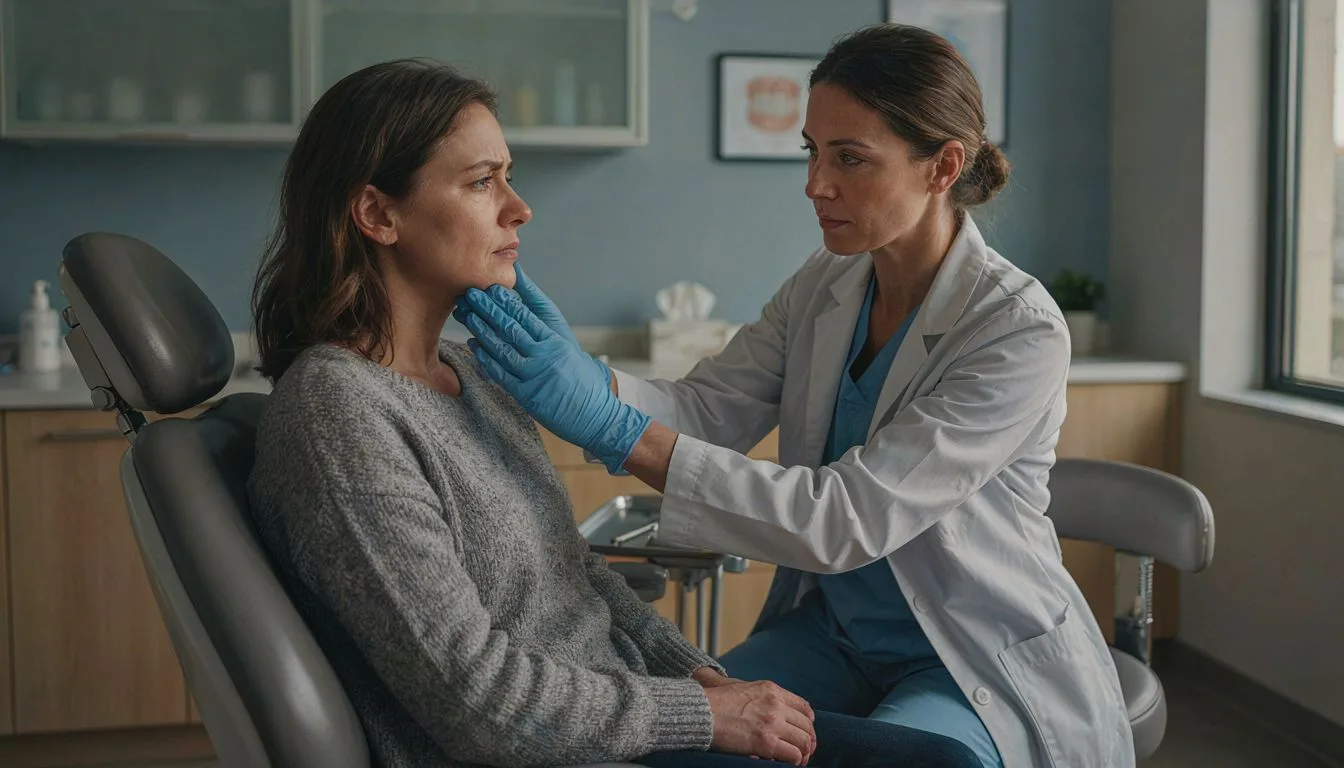
Contact your implant dentist promptly if recovery starts to move in the wrong direction rather than gradually improving. Mild tenderness, bruising, and swelling can be expected during the early healing period, but worsening pain after initial improvement may indicate infection, a problem with the surgical site, or another complication that needs assessment.
Call the dental office if swelling continues to increase after the first few days, becomes firm or spreads toward the eye or neck, or is accompanied by fever, chills, a bad taste, pus, or persistent bleeding. Difficulty opening your mouth, swallowing, or breathing requires urgent medical attention rather than waiting for a routine appointment.
It is also important to report changes around the implant itself. Contact the dentist if an implant, healing cap, temporary crown, bridge, or denture feels loose, shifts when you bite, or causes sharp pressure against the gum. Do not try to tighten, remove, or adjust any component at home. If stitches open, the gum pulls away from the implant area, or numbness persists or worsens, request professional advice as soon as possible.
Before contacting the practice, note when the symptom began, whether it is improving, and any medications you have taken. If your implant treatment took place outside the USA, keep your operative report, implant system details, and recent dental images available so a local dentist can coordinate care efficiently.
Adjusting Your Diet and Oral Hygiene Routine
Once your implant site is settling, your everyday choices can support healing and reduce irritation. Build meals around soft, nutritious foods that require minimal chewing, especially if the implant area remains tender. Protein, vegetables prepared until soft, yogurt, eggs, and adequate fluids can help you maintain energy without placing unnecessary pressure on the surgical site.
Avoid chewing directly on the implant area until your dentist confirms that it is safe. Choose foods that are soft but not excessively hot, spicy, sticky, or crunchy. Hard crusts, nuts, popcorn, tough meat, and chewy sweets can disturb healing tissue or become trapped around the implant. Cut food into small pieces and use the opposite side of your mouth when possible.
- Keep meals balanced: Include protein and nutrient-rich foods to support tissue repair while avoiding foods that demand vigorous chewing.
- Drink water regularly: Water helps prevent dry mouth and gently clears food particles without the irritation that alcohol-containing drinks may cause.
- Clean around the restoration carefully: Brush the remaining teeth with a soft-bristled toothbrush, using gentle movements near the implant and following any technique recommended by your dentist.
- Use prescribed rinses correctly: If your implant provider recommended an antimicrobial rinse, follow the exact timing and dilution instructions rather than rinsing aggressively.
Do not replace careful brushing with forceful flossing or probing around the implant. Depending on the restoration and healing stage, your dentist may recommend implant-specific floss, interdental brushes, or a water flosser at a particular pressure. Ask your U.S. dental office which tools are appropriate before changing your routine, particularly if you received written aftercare instructions abroad.
Scheduling Follow-Up Appointments and Implant Checks
Before leaving the USA or completing treatment abroad, arrange a clear follow-up plan with the dentist responsible for your implant care. Healing needs to be assessed at specific stages, and the timing depends on whether you have had implant placement, bone grafting, abutment surgery, or final crown placement. Ask the practice to confirm the recommended review date, the clinician you will see, and which records should be transferred if another dentist will monitor you locally.
Follow-up visits may include an examination of the gum tissue, evaluation of bite and comfort, and imaging when clinically appropriate. Your dentist may also check whether the implant is stable and whether the restoration is fitting correctly. Keep copies of your treatment summary, implant system details, operative notes, and recent X-rays. These records help a new USA-based provider understand the work completed and avoid unnecessary delays or duplication.
Implant stability is assessed through clinical examination and, when needed, radiographs rather than by symptoms alone. Attend every recommended review even if the area feels comfortable, because early inflammation, changes in the surrounding bone, or a loose component may not cause obvious discomfort. Contact the office before the scheduled visit if you notice mobility, bleeding that persists, drainage, or a change in how your teeth meet.
Use the appointment to confirm when normal brushing, flossing, exercise, and chewing can resume. If your treatment was performed outside the USA, verify that your follow-up dentist can obtain compatible components and communicate with the original clinic when questions arise.
Protecting Long-Term Implant Health at Home
Long-term implant health depends on the daily habits you maintain after the surgical site has healed. Treat the implant-supported crown, bridge, or denture as part of your regular oral care routine, while remembering that the surrounding gum and bone still require protection from plaque and excessive force.
Brush twice a day with a soft-bristled toothbrush and fluoride toothpaste, using gentle movements along the gumline and around the restoration. Floss or use interdental brushes as recommended by your dentist to remove debris from areas a toothbrush cannot reach. Avoid abrasive whitening products or aggressive scrubbing, which may irritate the tissues or scratch restorative surfaces.
Peri-implant disease prevention is especially important because inflammation around an implant can affect the supporting bone. Keep routine dental cleanings and examinations, even when the implant feels comfortable. Your dental team can monitor gum health, check the restoration, and identify looseness, bleeding, or changes in bite before they become more serious.
Protect the restoration from unnecessary stress by avoiding chewing ice, opening packages with your teeth, and biting hard objects. If you grind or clench, ask whether a custom night guard is appropriate. Continue following the cleaning instructions provided by your implant dentist and arrange professional care promptly if persistent bleeding, swelling, discomfort, or movement develops.
FAQs
What should I do if I experience pain or swelling after returning to the USA?
Contact your treating clinic promptly for guidance, especially if the pain or swelling is severe, worsening, or accompanied by fever, redness, drainage, or difficulty breathing. Seek urgent medical care in the USA for severe symptoms, uncontrolled bleeding, chest pain, or sudden breathing difficulty, and provide the local doctor with your treatment records and medication details.
When should I schedule a follow-up appointment for dental implants aftercare in the USA?
Schedule your first follow-up appointment about 1–2 weeks after dental implant placement, or as directed by your implant dentist. Additional visits typically occur during healing, often around 2–3 months later, before the final restoration is placed. Contact your dentist sooner if you experience worsening pain, swelling, bleeding, fever, or implant looseness.
Which foods and oral hygiene practices support healing after dental implant treatment abroad?
Choose soft, protein-rich foods such as eggs, yogurt, fish, tofu, soups, and smoothies, while avoiding hard, sticky, spicy, or very hot foods, alcohol, and smoking during early healing. Brush gently with a soft-bristled toothbrush, keep the implant area clean as instructed, and use prescribed rinses without vigorous swishing. Follow your dental team’s specific aftercare instructions, especially when continuing care after returning home.