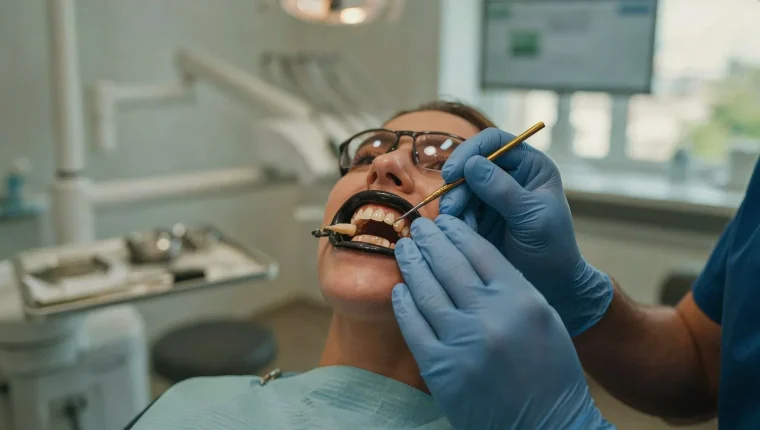
A desire for a more balanced smile often begins with concerns about stains, uneven edges, small gaps, or mismatched tooth shapes. Dental veneers can improve these visible features by adding thin, custom-made coverings to the front surfaces of selected teeth. However, dental veneers before and after results are not identical for every patient. The final appearance depends on the condition of the teeth and gums, the chosen shade and shape, the required preparation, and careful treatment planning. Veneers may create a more even, proportionate smile, but they do not replace treatment for decay, gum disease, weak teeth, or significant bite problems. You should also expect a short adjustment period as your bite, speech, and sensitivity settle. With proper daily care, professional follow-up, and habits that protect the restorations, veneers can maintain their appearance and function for years. A realistic goal is a natural-looking improvement that suits your features—not an identical copy of someone else’s smile.
What Dental Veneers Can Realistically Change
Veneers are designed to change the visible surface of teeth, making selected parts of a smile look more even, consistent, and proportionate. They can mask certain stains that do not respond well to whitening, refine uneven or worn-looking edges, close very small gaps, and create a more coordinated tooth shape. Because each veneer is custom-made, its color, contour, and width can be planned to complement the surrounding teeth rather than simply making every tooth look identical.
The extent of improvement depends on the starting condition of the teeth and the result being sought. A veneer can make a slightly rotated or irregular tooth appear straighter from the front, but it does not physically reposition the tooth or correct the underlying bite. Likewise, veneers may improve the appearance of minor spacing, while larger gaps or significant crowding may be better addressed with orthodontic treatment. In these situations, cosmetic treatment may be considered only after the underlying concern has been assessed.
Healthy tooth structure is also central to a predictable result. Active decay, gum disease, cracks, or insufficient enamel can affect whether veneers are appropriate and may require treatment first. Veneers are therefore best understood as a way to modify visible shape, color, and proportion—not as a universal solution for every dental problem. A careful examination helps determine whether the desired change can be achieved with veneers alone or whether another approach would provide a safer, more functional result.
Dental Veneers Before and After: Setting Expectations
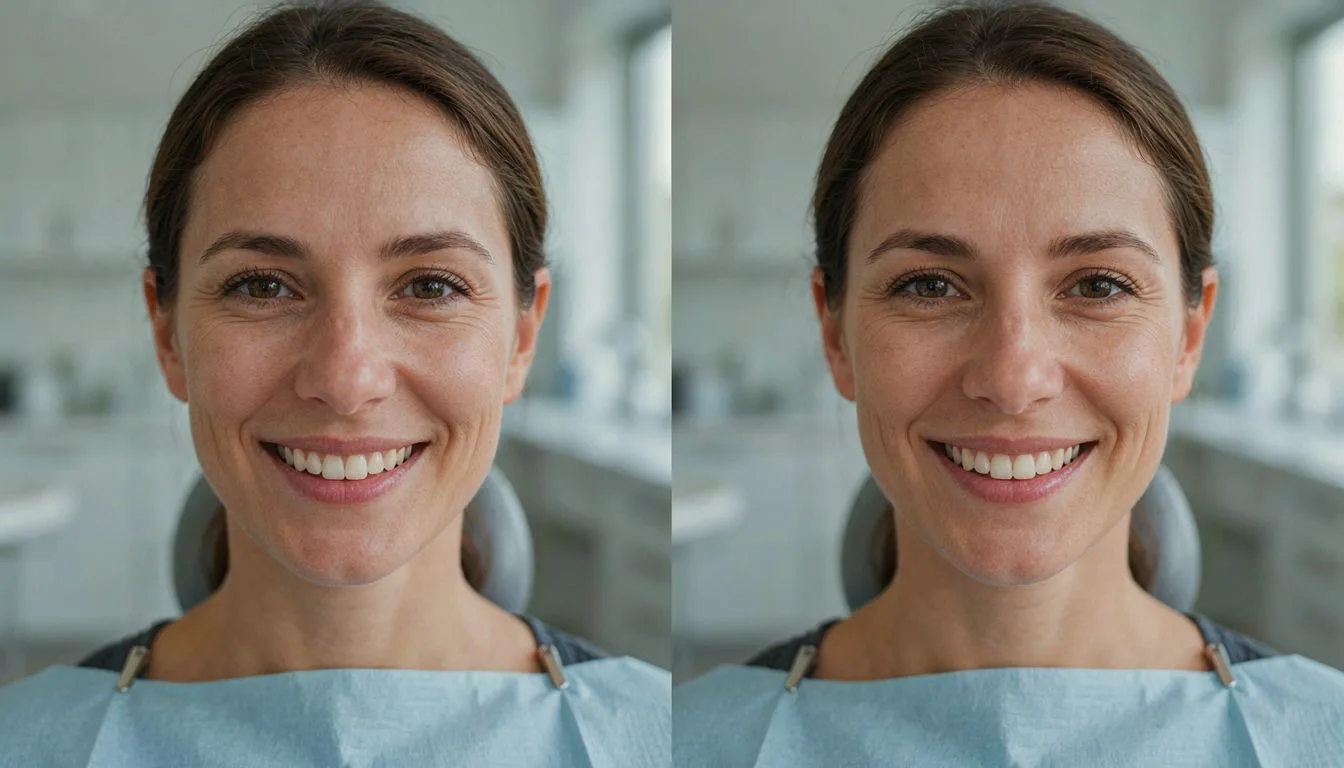
Before-and-after photos can make veneer treatment look like a complete smile transformation, but each result reflects a specific person’s starting point and treatment plan. A darker shade may be softened, uneven edges may appear more balanced, and tooth proportions can look more consistent. However, the goal is usually to improve harmony rather than create an identical smile for every patient.
Natural-looking proportions are central to a convincing result. The planned shade, veneer shape, tooth length, and degree of symmetry should work with the patient’s facial features, smile line, and surrounding teeth. A very bright shade or highly uniform shape may look attractive in a photograph but feel less natural in person if it does not suit the individual’s complexion or facial proportions.
Starting teeth also influence what can be achieved. Existing discoloration, spacing, wear, and tooth shape may affect the design, while the condition and position of each tooth help determine whether veneers are appropriate. Two people requesting similar changes can therefore receive noticeably different recommendations and outcomes.
When comparing examples, look for cases with concerns similar to your own rather than treating a single image as a promise. Ask how the proposed shade and contours were selected, whether the result is intended to look subtle or more noticeable, and what limitations apply to your teeth. A thorough consultation should connect the desired appearance with your individual anatomy and realistic cosmetic goals.
How Tooth Preparation Affects the Final Look

The position, color, and condition of an existing tooth all influence how it must be prepared for a veneer. A tooth that sits slightly forward, has a darker underlying shade, or contains previous dental work may require a different design than a well-aligned tooth with a uniform color. These factors affect how much space is needed for the veneer and whether the final shape can remain balanced with the surrounding teeth.
Preparation is not simply about removing enamel. It creates the space and contours needed for the restoration to sit securely without looking bulky. When the preparation is carefully planned, the veneer can have an appropriate thickness, a clean edge, and a closer fit at the gumline. Excessive reduction, however, may remove more natural tooth structure than necessary, while insufficient space can contribute to an overcontoured or opaque appearance.
Conservative preparation is therefore an important part of treatment planning, although it is not suitable in exactly the same way for every case. The dentist must assess alignment, bite, enamel availability, existing restorations, and the desired change before deciding how much preparation is appropriate. Digital previews or trial restorations may help evaluate the proposed shape, but they cannot guarantee an identical final result. A predictable-looking outcome comes from matching the veneer design to the tooth’s anatomy, rather than applying one standard thickness or shape to every smile.
Healing and Adjusting to Your New Smile
Immediately after veneers are placed, your smile may feel unfamiliar even when the result looks natural. Mild sensitivity or a sense of pressure can occur as you begin using the restored teeth, and your lips, tongue, and cheeks may need time to adapt to their new contours. Speaking may also feel slightly different at first, particularly with certain sounds, but normal conversation usually becomes easier as you get used to the surfaces.
Pay attention to how your teeth meet when you close or chew. A bite that feels noticeably uneven, a veneer that feels too high, persistent discomfort, or sensitivity that does not settle should be reviewed by your dental team rather than ignored. Small adjustments may improve comfort and function, but do not attempt to alter a veneer yourself.
Bite adaptation should feel progressively easier during everyday use. Give yourself time to become familiar with your smile, while reporting any continuing change in comfort, speech, or tooth contact so the fit can be assessed promptly.
Maintaining Veneer Results Over Time
Protecting veneer results starts with consistent oral hygiene. Brush twice daily with a soft-bristled toothbrush and fluoride toothpaste, and clean between the teeth to reduce plaque around the veneer margins. These habits help protect the natural tooth structure underneath and the neighboring teeth, which can affect the appearance of the entire smile.
Daily choices matter as well. Avoid using veneers to open packages, bite hard objects, or chew ice, since excessive force can chip or loosen them. If you clench or grind your teeth, ask your dentist whether a custom night guard is appropriate. Limiting strongly staining foods and drinks may help preserve the surrounding smile, although porcelain veneers themselves are generally resistant to discoloration.
Regular dental examinations and professional cleanings support long-term veneer maintenance. Your dentist can monitor the edges, bite, gums, and underlying teeth, identifying wear, leakage, or damage before a small concern becomes more complicated. Follow-up care cannot replace careful treatment planning, but it helps preserve both the appearance and function of the completed result.
FAQs
What can realistic dental veneers before and after results look like?
Realistic dental veneers before-and-after results typically show a brighter, more even smile with improved tooth shape, size, and minor spacing. The outcome depends on factors such as your natural teeth, facial features, veneer material, and the dentist’s planning, so results should enhance your appearance rather than look identical to someone else’s. Veneers can improve cosmetic concerns, but they cannot correct significant decay, gum disease, or major bite problems.
How long do dental veneers typically maintain their appearance?
Dental veneers typically maintain their appearance for 10–15 years, although high-quality porcelain veneers may last longer with proper care. In before-and-after results, their color remains stable, but edges can eventually chip or wear, especially with teeth grinding, nail biting, or using the teeth to open objects.
Can veneers correct gaps, discoloration, or uneven teeth?
Yes. Veneers can mask gaps, discoloration that does not respond to whitening, and minor unevenness, creating a more uniform smile. Before-and-after results depend on the condition of your teeth, the type of veneers chosen, and careful treatment planning.