A breast reduction consultation in Turkey usually lasts 30 to 60 minutes, and your questions shape the rest of your surgical journey. Most patients who feel rushed or under-informed after their first visit can trace it back to being unsure what to prioritize.
Large, heavy breasts can cause real, daily friction, from chronic neck and shoulder pain and persistent skin irritation to difficulty finding clothes that fit and a noticeable drop in physical confidence. A reduction addresses these issues directly, but only when the surgical plan is built around your anatomy, your goals, and the surgeon’s honest assessment of what is achievable.
The right consultation is less about sales and more about clarity. Knowing what to ask, and what the answers should sound like, helps you separate a trustworthy clinic from a polished one.
Preparing Your Medical History and Goals
Your consultation will move much faster when you arrive with a clear picture of your own health story and what you actually want from surgery. Start by listing every diagnosis, past procedure, and current medication, including supplements and hormonal treatments, because these details shape whether a surgeon feels comfortable taking you on. Bring notes on recurring back, neck, or shoulder pain, skin irritation under the fold, posture changes, or difficulty exercising, since functional concerns often matter as much as cup size in guiding the operative plan.
Then write down your goals in your own words. Do you want a specific cup range, better symmetry, relief from grooves left by bra straps, or the ability to move comfortably in sports? Think about how your breasts look in different clothing and during activity, not only when you are standing in front of a mirror. Photographs of how you feel today and examples of shapes that feel right to you can communicate preferences that are hard to describe verbally.
Finish by ranking what matters most: scar length, nipple sensation, future breastfeeding, lift versus pure volume reduction, or the smallest possible reduction that still resolves discomfort. Surgeons use these priorities to recommend technique and to set realistic expectations, so the more specific your aesthetic goals are on paper, the more productive the in-person conversation becomes.
Choosing the Right Surgeon in Turkey
Once your medical history and personal goals are organized, the next conversation shifts to the person who will actually perform the surgery. Many patients focus only on the clinic’s reputation or the package price, but the surgeon is the single most important variable in your outcome. In Turkey’s cosmetic surgery sector, where thousands of procedures are carried out each year, the range between highly experienced specialists and newer practitioners can be wide, which makes the screening process especially important.
Beyond general credentials, certain checkpoints tend to reveal more about a surgeon’s day-to-day practice than a polished website does. Before committing to a breast reduction consultation in Turkey, it helps to ask focused questions that test both their technical background and how they manage patients like you.
- Board certification in plastic surgery — Confirm that the surgeon holds a recognized national or international board certification specifically in plastic, reconstructive, and aesthetic surgery, not a general surgery or unrelated certificate.
- Volume of breast reduction cases — Ask how many reduction mammaplasty procedures they perform each year; a surgeon who does them regularly will have a more refined eye for symmetry, nipple positioning, and scar placement.
- Hospital affiliation and surgical setting — Verify that operations take place in an accredited hospital or fully equipped surgical center with anesthesiologists on staff, rather than a clinic without proper operating facilities.
- Personal consultation versus coordinator-only meetings — Insist on meeting the operating surgeon directly before booking; if you only speak to a sales or patient coordinator, the consultation is incomplete.
- Revision and complication policy — Ask how the clinic handles unsatisfactory results, revisions, and post-operative complications, including who covers the costs and how long the policy lasts.
- Before-and-after portfolio reviewed in person — Request to see unedited photos of patients with a similar starting size and body type, ideally reviewed with the surgeon rather than only through a gallery online.
These questions do more than verify a CV; they signal how a surgeon communicates and whether they welcome scrutiny. The right one will answer transparently, document their work clearly, and treat your concerns as part of the surgical plan rather than an inconvenience. That attitude often predicts the tone of your recovery and follow-up care as much as the technique itself does.
Questions About Surgical Technique and Scarring
Once you feel confident in your surgeon’s credentials, the next part of the conversation turns to the operation itself. Ask which incision pattern is recommended for your anatomy and breast size, because the choice between a vertical (lollipop) scar and an anchor scar directly affects both shape and the length of the marks left behind. Find out where the nipples will sit after surgery, whether sensation is typically preserved, and how the surgeon plans to keep the result symmetrical if one breast is naturally larger than the other.
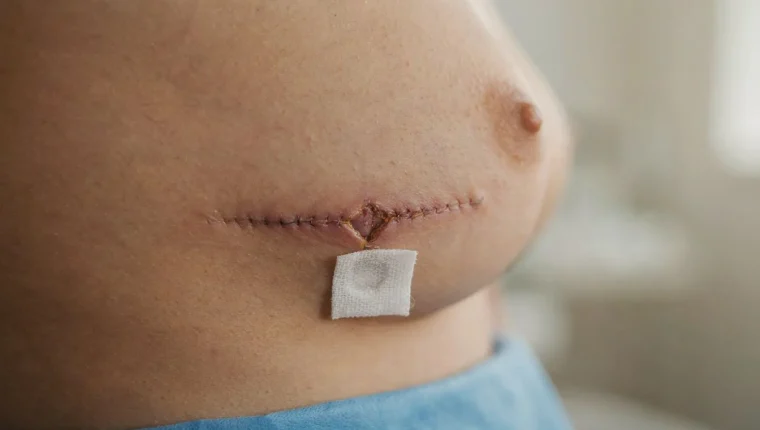
Scarring deserves more than a passing mention. Request to see healed scars on patients with similar skin tones, not just fresh post-operative photos, since scars mature over twelve to eighteen months. Clarify which creams, silicone sheets, or laser treatments are included in aftercare, and ask what signs would warrant an early scar revision.
Finally, confirm how long the procedure itself usually takes, whether drains are routinely used, and what type of anesthesia is standard. A surgeon who answers these questions with clarity, rather than rushing past them, is usually the same one who will guide you carefully through the recovery that follows.
Understanding Risks, Recovery, and Realistic Outcomes
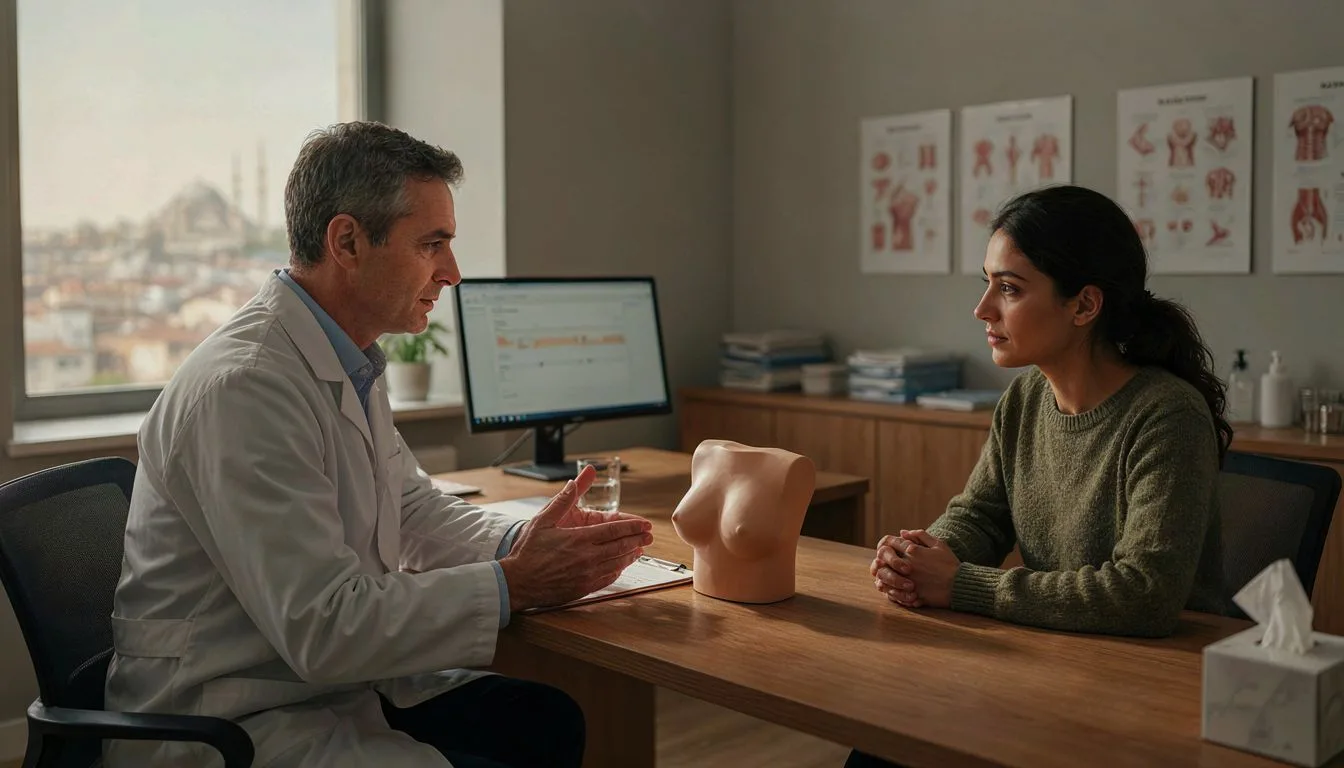
Talk frankly with your surgeon about what can go wrong, because breast reduction—while common—is still a real operation. Expect an honest conversation about risks like infection, delayed wound healing, noticeable asymmetry, changes in nipple sensation, difficulty breastfeeding later on, and the small possibility of needing a revision. A trustworthy clinic will not gloss over these points during your consultation.
Recovery timelines vary, but most patients return to desk work within two weeks and full, unrestricted activity—including heavy lifting and intense exercise—after about six. Ask how pain is typically managed, when drains come out, when stitches dissolve, and what local follow-up care is available once you fly back home. Realistic outcomes often depend less on the surgical technique itself than on your breast tissue, skin elasticity, body weight, and willingness to follow post-op instructions closely.
Bring photos of breast shapes you admire, but understand that your own anatomy sets real limits on cup size, scar length, and symmetry. During the consultation, ask your surgeon to show outcomes from patients with a starting size and frame similar to yours, so you can judge what is genuinely achievable rather than idealized.
Costs, Logistics, and Travel Considerations

Money questions are rarely the most exciting part of a surgical journey, yet they shape nearly every other decision you will make. Before you compare package prices on glossy clinic websites, ask your surgeon what is actually included in the quote, what triggers additional fees, and how they handle currency fluctuations or bank transfer charges. A transparent breakdown prevents unpleasant surprises on arrival and helps you plan the rest of the trip around realistic numbers.
- All-inclusive versus itemized quotes: a single package price that covers the surgeon, anesthesia, hospital stay, medications, garments, and follow-ups is easier to budget than separate line items that may be added later.
- Deposit and cancellation terms: clarify how much is due upfront, what the refund window looks like if your plans change, and whether the deposit can be transferred to a new surgery date.
- Pre-operative tests and unexpected costs: blood work, ECG, mammogram, or additional imaging ordered after the first consultation are usually billed separately, so confirm where these are done and at what price.
- Flight, accommodation, and ground transfer logistics: ask whether the clinic arranges airport pickup, how close the recommended hotel is to the hospital, and whether a companion can stay in the room during recovery.
- Length of stay and companion expenses: most patients need seven to ten days in Turkey before medical clearance to fly, and a companion’s meals and lodging should be part of the budgeting conversation.
- Insurance, documentation, and aftercare travel: check whether your travel insurance covers complications from elective surgery, keep every receipt and consent form, and ask how follow-up visits would be handled once you return home.
Treat the financial discussion as a planning session rather than a hurdle, and insist on written confirmation for every figure you agree on. Patients who map out their spending before booking report a calmer experience, because every stage of the journey — from the first airport pickup to the final check-up — has already been accounted for. Bring a printed version of this list to your consultation, and you will leave with a clear, realistic picture of the full investment involved.
Reviewing Before-and-After Results and Patient Testimonials
Photographs only tell part of the story, so pair the gallery with written or video patient testimonials during your breast reduction consultation in Turkey. Hearing how someone else described their pain relief, scarring, and day-to-day recovery adds emotional context that still photos cannot.
Ask the clinic whether you can speak with a past patient directly, or join an online community where people share honest feedback. Look for comments that match your own body type, breast size, and goals rather than only the most dramatic transformations.
Pay close attention to details such as symmetry, scar quality, nipple position, and how the result looks at one year versus three months post-surgery. Mature results tend to be more representative of what you can realistically expect.
Bring your shortlist of reference images and ask the surgeon to explain which outcomes are achievable for you, which require additional procedures, and which depend on factors like skin elasticity or tissue density. A clear, evidence-based conversation about before-and-after results builds trust and helps you feel confident before booking your surgery abroad.
FAQs
What should I bring to my breast reduction consultation in Turkey to make the most of it?
Bring a list of questions for the surgeon, your complete medical history including past surgeries, current medications, and any relevant imaging such as prior mammograms. Wear or bring a supportive bra if you would like to discuss sizing, and be prepared with photos or notes describing your desired breast size and shape. Having your insurance documents and a form of payment ready can also streamline the scheduling process if you decide to proceed.
How do I verify the credentials of the surgeon performing breast reduction in Turkey?
You can verify a surgeon's credentials by checking their registration with the Turkish Medical Association (Türk Tabipleri Birliği) or the Ministry of Health's online physician search tools, which confirm their medical license and specialization in plastic, reconstructive, and aesthetic surgery. Request the surgeon's diploma, Turkish Medical Association ID number, and any international board certifications (such as ISAPS or EBOPRAS membership) for direct verification. Reading verified patient reviews on independent platforms and asking the clinic for before-and-after photos of previous breast reduction patients can also help confirm their experience. Finally, ensure the surgeon operates in an accredited hospital or clinic that meets international safety standards.
What questions about recovery and aftercare should I ask during a breast reduction consultation in Turkey?
You should ask how long you will need to stay in Turkey before it is safe to fly home, what the typical downtime and activity limitations look like, and how follow-up appointments, wound checks, or complication management are handled once you return. It is also important to ask about prescribed medications, scar care protocols, and when you can resume exercise, work, and wearing an underwire bra. Confirm who to contact for urgent concerns and whether revision or aftercare visits are included in the surgical package.