After a breast reduction, the incision lines often feel tender, tight, or slightly raised for weeks. Most women notice the first signs of incision healing within two to three weeks, when swelling drops and the scars start to flatten. Full maturation takes much longer than most people expect.
How the scars settle depends on several factors: your skin type, the surgical technique used, how carefully you follow wound care instructions, and whether you tend to form thick or raised scars. Knowing what each stage looks like makes it easier to tell the difference between normal healing and a sign that something needs attention.
Stages of Incision Healing After Breast Reduction
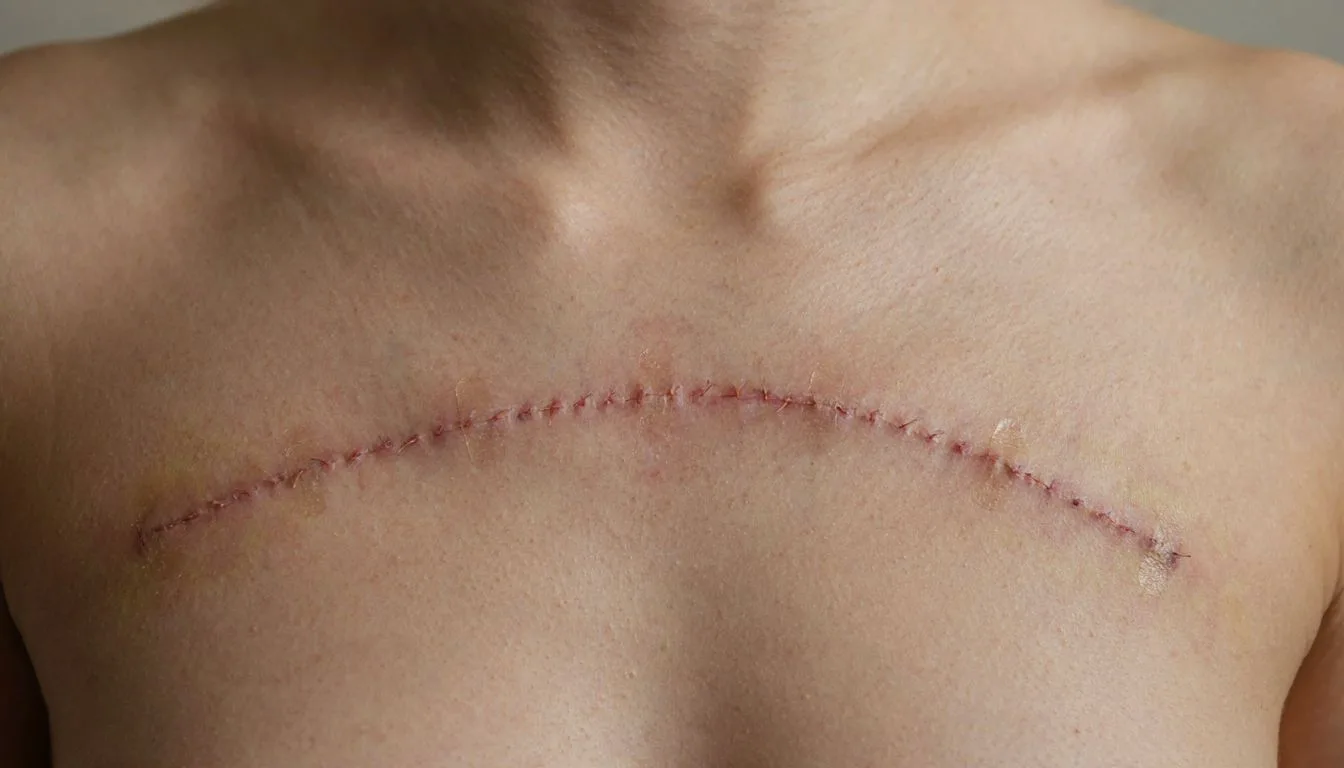
Right after surgery, your incision lines move through a predictable, layered sequence that mirrors what is happening beneath the surface. During the first few days, the edges are held together by sutures, surgical glue, or Steri-Strips, and a slightly raised, pinkish border is normal. Swelling peaks and the surrounding skin may feel tight or numb, which signals that nerve endings are still settling.
Around week two, the outer layer begins to close and the surface looks smoother, even though the deeper tissue is still knitting together. From weeks three to six, the incision often appears darker or reddish, feels firmer, and may feel itchy as collagen is remodeled. Strength keeps building for months, and the final color and texture gradually soften.
Mapping the four phases — inflammation, early closure, deep remodeling, and long-term scar maturation — helps you tell a healthy trajectory from a delayed one. Knowing where you are on this timeline makes the upcoming signs-to-watch-for section much easier to apply to your own recovery.
How Long Does It Take for Breast Reduction Incisions to Close?
Most patients see the outer edges of their breast reduction incisions come together within the first two to three weeks, but “closed” is a moving target during recovery. What you are really watching is the surface closure, while the deeper tissue layers underneath continue knitting together for several more months. That gap between how the skin looks and how the wound is healing internally is exactly why surgeons give a range rather than a single day.
The actual timeline depends on several real-world factors that play out differently for everyone:
- The incision pattern matters: a Wise-pattern (anchor) incision crosses more tension zones and can take slightly longer to seal than a shorter vertical or periareolar approach.
- Skin type and thickness change the pace, since thinner, well-vascularized skin tends to close faster than thicker tissue under tension.
- General health factors, including smoking status, diabetes control, and protein intake, can shorten or stretch the timeline by days or even weeks.
- Surgical technique and how much tissue was removed affects how tightly the edges sit against each other after closure.
- Following your post-op restrictions on lifting and arm movement keeps mechanical stress off the line so closure is not disrupted.
Even when the surface looks sealed, the wound is still remodeling internally, which is why surgeons often describe the first six weeks as the “fragile phase.” During that window, the new tissue is strong enough to hold together but not strong enough to handle sudden strain. Treating the incisions gently, keeping them supported in a surgical bra, and avoiding early stretching lets the closure hold and sets the stage for cleaner scar maturation down the road.
Normal vs. Warning Signs in the Healing Process
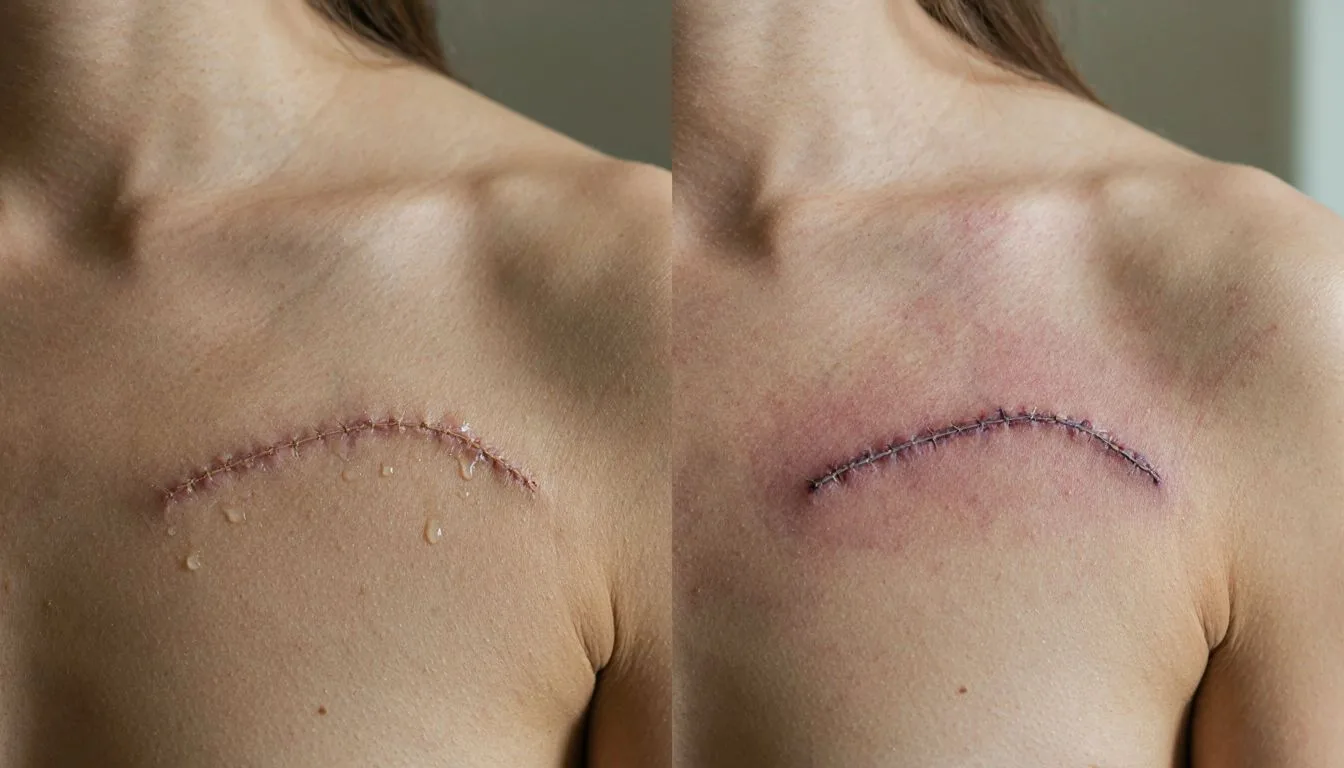
Knowing what’s normal after surgery is one of the best ways to ease the worry that can creep in during recovery. Mild pinkness along the incision edges, light itching as the skin tightens, occasional twinges of discomfort, and small amounts of clear or faintly straw-colored fluid during the first week or two all fall within expected healing territory. Some patients notice that one breast looks slightly different from the other in the early weeks; this is usually related to swelling settling at its own pace, especially when the Wise-pattern incision crosses different skin zones.
The picture changes when the body signals that something needs attention. Warning signs include spreading redness that extends well beyond the incision line, warmth that lingers when you compare both sides, pus or foul-smelling drainage, a fever above 101.5°F, rapidly increasing swelling or firmness in one breast, and incision edges that actually separate rather than knit together. Pain that intensifies instead of gradually easing, or a sudden gush of fluid days after it had seemed to dry up, also warrants a prompt call to the surgical team.
Because incision healing after breast reduction happens beneath the skin as much as on the surface, a symptom can feel minor on the outside while signaling something more serious underneath. Trusting that instinct and reaching out early almost always leads to a simpler solution than waiting.
Caring for Your Incisions Day by Day
The first seventy-two hours after a breast reduction set the tone for everything that follows. Keep the dressings your surgeon placed on the incision lines exactly as they are unless you have been told otherwise; removing them early can disturb the delicate edges where new collagen is just beginning to bridge the gap. Gentle cooling of the surrounding skin, not directly on the wound, can ease that tight, throbbing sensation many patients describe during this window.
Once your surgeon clears you to clean the area, treat the incisions like you would a fragile photograph you just developed. Lukewarm water, a mild non-fragranced cleanser, and a soft patting motion are all you need. Avoid rubbing, stretching the skin, or pulling at any small scabs that are forming along the Wise-pattern lines; these are nature’s dressing and they protect the new tissue underneath.
Between days five and fourteen, the routine shifts from protection to moisture balance. A thin layer of the ointment or silicone-based product your surgeon recommends keeps the incision environment flexible, which usually translates into less pulling on the closure and a calmer healing curve.
When to Call Your Surgeon About Incision Concerns
Even with careful incision care and good moisture balance around the wound, the body sometimes signals that something behind the surface needs a closer look. Distinguishing between routine healing sensations and signs of a developing complication is the reason most surgeons give their patients a clear list of thresholds for calling the office.
Most practices ask patients to reach out promptly when certain changes appear around the anchor incision or its branches, because earlier review usually means simpler management.
- Spreading redness or warmth: an area that expands beyond the incision edges, feels hot to the touch, or develops red streaks should be reported without waiting for a scheduled visit.
- Drainage that changes character: thin, clear, or light pink fluid in small amounts can be normal early on, but thick, yellow, green, or foul-smelling output points toward infection.
- Sudden increase in pain or swelling: new throbbing on one side, a rapidly enlarging bulge, or pain that intensifies rather than eases with rest and medication needs same-day evaluation.
- Opening of the incision line: any visible separation, gaping edges, or fresh bleeding that soaks through dressings means the closure has lost integrity and should be examined.
- Fever or flu-like feelings: a temperature above 101.5°F, chills, or generalized malaise paired with breast tenderness often signals a systemic response to a local wound issue.
- Skin changes near the incision: dusky, blackened, or blistering skin around the closure can indicate compromised blood flow and warrants urgent review.
When in doubt, a quick phone call almost always beats waiting. Surgeons expect these check-ins and would rather hear about a minor concern than discover a significant issue at the next routine appointment, so keeping the office number close during the first several weeks makes it easier to act on these cues quickly.
Scar Maturation and Long-Term Results
As months pass, your incision lines shift from red, raised, or slightly firm lines into softer, paler, flatter scars. The visible surface usually settles within six to twelve months, but deeper remodeling of the tissue can quietly continue for a full year, sometimes a bit longer in areas of greater tension, such as the vertical limb of a Wise-pattern incision.
Sun protection matters more than most patients expect during this stretch. Fresh scar tissue is prone to hyperpigmentation when exposed to UV light, so a physical barrier over the scar (clothing or broad-spectrum sunscreen) helps it fade toward the surrounding skin tone rather than darkening permanently.
Final results are usually judged around the one-year mark, when the scar has matured, breast shape has settled, and any residual swelling has resolved. By then, the trade-off many patients hoped for typically holds: a smaller, more comfortable breast contour carried by scars that fade into the natural folds of the breast, rather than dominating them.
FAQs
How long does it typically take for the incisions to fully heal after breast reduction surgery?
Most patients notice their incision lines look fully closed on the surface within about two to three weeks, but the deeper tissues keep remodeling for several months underneath. Real strength and maturity of the scar usually develop somewhere between three and six months, and the final appearance continues to refine for up to a full year. Following your surgeon's scar care instructions, avoiding strain on the incisions, and protecting them from the sun will make a meaningful difference in how cleanly they settle.
What signs of incision problems should prompt a call to the surgeon during recovery from breast reduction?
You should reach out to your surgeon right away if you notice increasing redness, warmth, or swelling around the incision, especially if these signs are spreading or come with fever. Drainage of pus, a foul odor, or sudden separation of the wound edges also needs prompt attention. And of course, any sudden increase in pain or bleeding that doesn't settle with rest and pressure should never be ignored—your surgeon would much rather hear from you early than deal with a complication later.
When is it safe to start using scar treatments on the healing incisions after a breast reduction?
Most surgeons recommend waiting until the incisions are fully closed with no open areas, scabs, or signs of active healing—typically around 3 to 4 weeks post-op—before applying any scar treatments like silicone sheets or scar creams. Once your surgeon confirms the wounds are closed and healed, consistent use of silicone-based products for several months can help soften and flatten them over time. Always check with your own surgeon before starting anything, since individual healing varies.