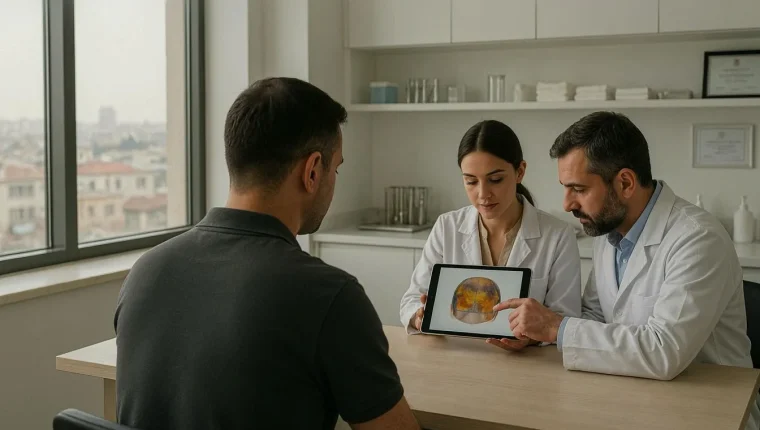
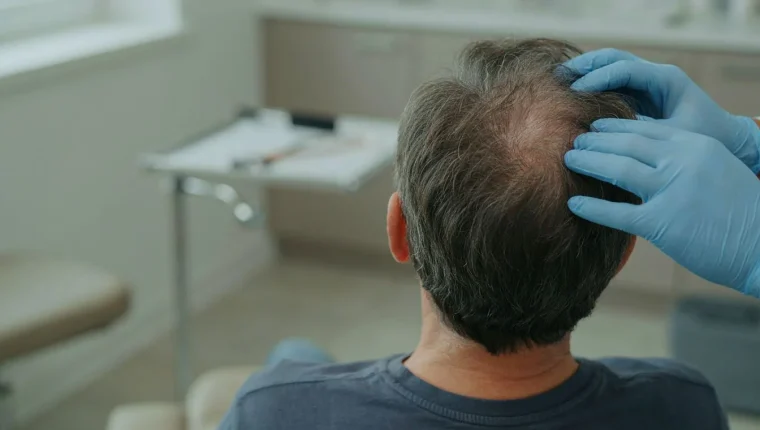
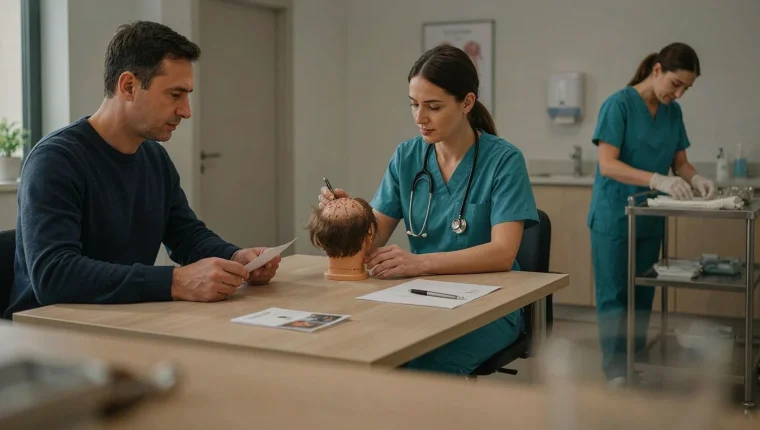
After a hair transplant, recovery continues in Canada away from the clinic that performed the procedure. First, protect the newly implanted grafts while your scalp settles, especially during travel, sleep, washing, and everyday activities. A clear home routine can reduce unnecessary irritation and help you notice problems early. Follow your transplant provider’s instructions, since washing methods, medication use, activity limits, and follow-up timing can vary by procedure. At home, recovery usually depends on four habits: keeping pressure and friction away from the grafts, following gentle scalp-care instructions, monitoring symptoms without overreacting to normal swelling or sensitivity, and staying in touch with the clinic. If questions arise after arrival, seek timely advice from the transplant team or a qualified Canadian healthcare professional to keep your aftercare coordinated and safe.
Planning Your First Days of Hair Transplant Aftercare in Canada
Before settling back into your normal routine, make the clinic’s written instructions the central reference for your first days in Canada. Keep discharge notes, medication directions, emergency contact details, and any restrictions in one accessible place. Recommendations can vary according to the technique used and the number of grafts implanted, so avoid substituting general online advice for the provider’s protocol.
A low-demand recovery setup can make those instructions easier to follow. Arrange a clean, comfortable place to rest, prepare simple meals, and limit commitments that require rushing or prolonged time away from home. If possible, ask someone you trust to help with transportation, shopping, or basic tasks while you are adjusting after the journey. This support is particularly useful if medication, fatigue, or discomfort makes concentration more difficult.
Plan each day around the clinic’s timing for prescribed medicines and recommended care, using reminders if needed. Do not add new topical products, supplements, or pain medicines without checking whether they are appropriate with your transplant provider or a pharmacist. Keeping the scalp routine simple reduces the chance of accidentally irritating the treated area or overlooking an instruction.
It is also sensible to decide in advance how you will ask for help if a question arises. Save the transplant clinic’s contact information, note its time zone and response process, and identify a Canadian healthcare contact for situations that cannot wait. Following the provider’s individualized aftercare instructions is the safest foundation for the first days, especially when advice from the overseas clinic differs from generic recommendations.
Protecting Grafts During Travel and Daily Activities

During the journey home, the main risks to newly implanted grafts are pressure, rubbing, accidental impact, and contact with unclean surfaces. Keep your head clear of seatbacks, headrests, and luggage, and avoid bending forward for extended periods if your transplant provider has advised you to limit it. When moving through airports or stations, ask for help with heavy bags rather than lifting them overhead or allowing straps to brush the recipient area.
Clothing should be easy to remove without pulling it over the scalp. Loose, front-opening shirts and jackets are usually more practical than tight tops, while hats should only be worn if your clinic has confirmed that the type and fit are appropriate. Do not touch, scratch, or adjust the grafted area unnecessarily, even if it feels tight or itchy.
Once you resume normal activities in Canada, choose calm, low-impact movement and avoid situations where the scalp could be struck or rubbed. Postpone strenuous exercise, contact sports, swimming, and activities that cause heavy sweating until your transplant team gives clearance. Keep pets, children, and crowded environments from accidentally bumping the scalp during the early healing period.
Weather also deserves attention. Cold air, strong wind, rain, and direct sunlight can make protection more difficult, but covering the scalp should follow your provider’s instructions rather than improvisation. Protecting the grafts from friction and impact is more important than maintaining a normal outdoor routine during these first days, so arrange indoor alternatives when conditions or activities create avoidable contact risks.
Washing, Sleeping, and Scalp Care After Returning Home

Once you are home, follow the washing schedule and technique provided by your transplant clinic rather than treating the scalp like normal hair. The timing may vary according to the procedure and the condition of the grafts. When washing is permitted, use lukewarm water, avoid directing strong water pressure at the recipient area, and apply any recommended cleanser with a light touch. Do not scratch, rub, pick at crusts, or use your fingernails on the healing scalp.
Drying requires the same care. Unless your provider gives different instructions, avoid rubbing with a towel. Pat or air-dry the area gently, and keep hair dryers away from the grafts unless the clinic has specifically approved their use and setting. Products such as styling sprays, gels, oils, medicated shampoos, or topical treatments should not be added simply because they were part of your usual routine. Check them with the provider first, especially if the scalp feels sensitive or the product was not included in your aftercare plan.
Sleep can create unnoticed pressure during the first days at home. Keep the recipient area from pressing against the pillow, and use the elevated position recommended by your clinic if it was included in your instructions. Clean pillowcases can help maintain a more suitable recovery environment, while pets, children, hats, and loose bedding should be kept from contacting the scalp. Avoid sleeping positions that cause rubbing or make you shift repeatedly during the night.
The guiding principle is gentle, provider-directed scalp care. If an instruction from your clinic differs from general advice, follow the clinic’s protocol because it reflects the technique used and your individual recovery. Keep the written instructions accessible so that washing, sleeping, and product decisions remain consistent while the scalp heals.
Managing Swelling, Discomfort, and Warning Signs
Mild forehead or scalp swelling, tightness, tenderness, and itching can occur during the early recovery period after a hair transplant. Swelling may move toward the forehead or around the eyes before gradually settling, while light soreness often improves with the medication plan provided by your transplant team. Keep observing the pattern rather than touching, rubbing, or pressing the treated areas.
Follow your provider’s instructions for prescribed or recommended pain relief, and do not add medication that could increase bleeding risk unless a clinician has approved it. Rest with your head elevated if this was included in your instructions, and avoid strenuous activity or anything that noticeably increases throbbing. A small amount of spotting may occur, but persistent bleeding should not be managed by repeatedly wiping the grafts; contact the clinic for specific guidance.
Prompt medical advice is appropriate if swelling becomes rapidly worse, pain is severe or escalating, bleeding does not stop with the technique your provider recommended, or the scalp develops spreading redness, increasing warmth, pus-like drainage, or a fever. Also report symptoms such as marked facial swelling, breathing difficulty, or a medication reaction immediately through an appropriate emergency service.
When a concern appears, note when it began, whether it is improving, and any associated symptoms. Clear photographs can help the transplant provider assess a change, but they should not delay urgent care when symptoms are severe. If you cannot reach the overseas clinic promptly after returning to Canada, seek advice from a local medical service and explain when and where the procedure was performed, while continuing to follow the original aftercare instructions unless a qualified clinician tells you otherwise.
Coordinating Follow-Up Care With a Canadian Clinic
Before leaving the original clinic, make sure you have a complete follow-up package. Keep the surgeon’s written aftercare instructions, procedure details, medication information, graft and donor-area photographs, and direct contact details in one accessible place. These records help a Canadian clinician understand what was performed and which instructions should guide your recovery.
Send the overseas clinic a concise update when requested, using clear photographs taken in good lighting. Include the date of each image and describe any changes since the previous update rather than relying on a general statement that something feels unusual. Ask how often the team wants progress reports and which communication channel should be used for urgent questions.
If an in-person review is needed, arrange an appointment with a qualified Canadian physician or hair-restoration clinician who is comfortable assessing postoperative patients. Share your surgical records before the visit where possible. A local assessment can provide practical support, but it should complement—not automatically replace—the operating surgeon’s guidance. The Canadian clinician can evaluate your current condition and coordinate care, while decisions about the original procedure or changes to its intended protocol may need to remain with the surgical team.
Keep both care teams informed when advice differs. Ask them to clarify which recommendation takes priority and record any agreed changes in writing. This creates a reliable continuity-of-care plan and reduces the risk of mixing instructions from different providers. Maintain scheduled remote or local reviews according to the advice you receive, rather than assuming that the absence of immediate concerns means follow-up is no longer necessary.
Supporting Long-Term Hair Growth and Results
Once the initial healing period has passed, the quality of the result depends on more than graft survival. Newly transplanted follicles develop gradually, while existing hair may continue to thin according to the underlying pattern of hair loss. Follow any clinician-directed treatment for ongoing hair loss consistently, and do not add, stop, or change products without professional guidance.
Everyday habits also matter. Protect the scalp from avoidable sun exposure, harsh chemical treatments, and repeated trauma, particularly while the skin remains sensitive. A balanced diet, adequate sleep, and avoiding smoking can support general health, although no lifestyle measure can guarantee a specific growth outcome.
Hair growth is usually assessed over months rather than weeks, so temporary shedding or uneven early coverage does not necessarily indicate failure. Keep realistic expectations and use the clinic’s recommended milestones for judging progress. Long-term monitoring helps distinguish normal development from concerns that warrant review and supports timely adjustments to treatment when needed.
FAQs
What should I do during the first week of hair transplant aftercare in Canada?
During the first week in Canada, follow your clinic’s instructions for washing, medications, sleeping position, and activity restrictions. Keep the transplanted area protected from friction, direct sun, heavy exercise, swimming, and smoking, and avoid picking at scabs or grafts. Contact your transplant clinic promptly if you develop increasing pain, spreading redness, pus, fever, or significant bleeding.
When should I contact my Canadian clinic about swelling, bleeding, or signs of infection?
Contact your Canadian clinic immediately if swelling worsens after the first few days, bleeding does not stop with gentle pressure, or you notice increasing redness, warmth, severe pain, pus, fever, or a foul odor. Follow your clinic’s aftercare instructions and send photos if requested; seek urgent medical care for heavy bleeding, rapidly spreading swelling, or severe symptoms.
How can I protect my transplanted hair from Canada’s cold weather and dry indoor air?
Wear a loose, warm hat only after your clinic confirms the grafts are secure, and avoid tight or rough materials that may rub the scalp. Protect your scalp from wind and extreme cold, use a humidifier indoors, and apply any recommended moisturizer or prescribed products as directed. If the scalp becomes unusually dry, painful, or inflamed, contact your transplant clinic for advice.