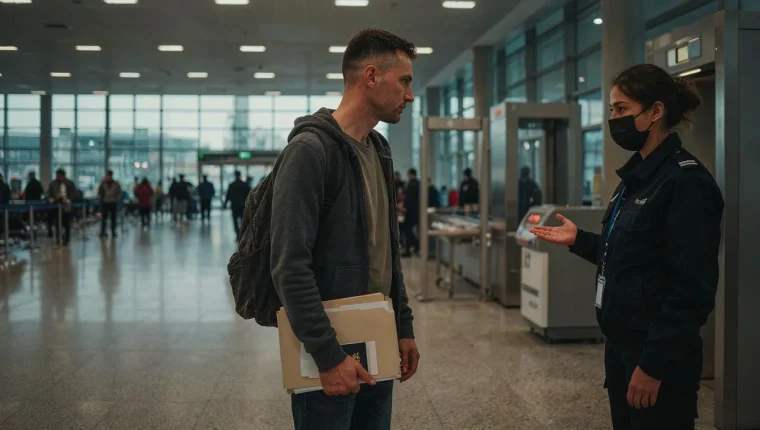
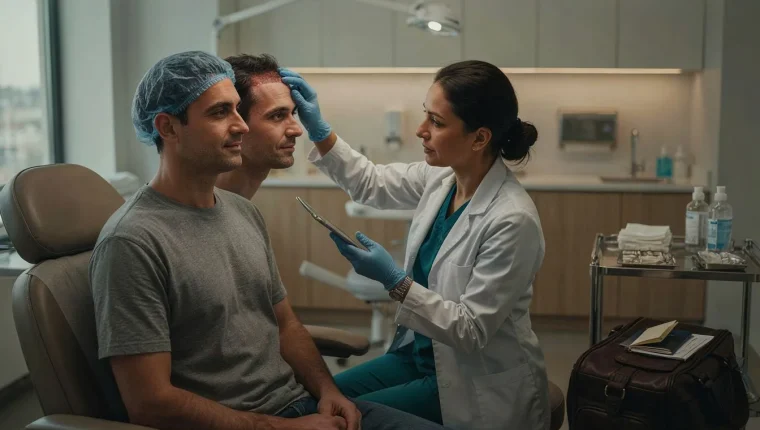
Returning to the USA after a hair transplant abroad changes where recovery is managed, but it does not end the recovery process. Your grafts still need careful protection while the scalp heals, and travel can make it harder to follow instructions, get prescribed medicines, or contact the treating clinic quickly. Treat the first weeks at home as a period of structured care rather than a return to normal routines.
Hair transplant aftercare in the USA should focus on protecting newly placed grafts, following the clinic’s written instructions, controlling expected discomfort and swelling, and keeping the scalp clean without unnecessary irritation. Avoid relying on general advice when your procedure involved specific techniques or restrictions. The overseas clinic’s discharge documents, medication list, and photographs can help a local healthcare professional understand what was done if questions arise.
Recovery also requires attention to changes that do not fit the expected pattern. Clear communication with the surgical clinic and timely access to medical care in the USA provide an important safety net. By combining careful daily habits with organized follow-up, you can support healing and protect the long-term result.
When to Resume Normal Activities After Returning to the USA

Resuming normal activities should be based on how securely the grafts are healing and how the donor and recipient areas look, not on a single universal date. Your overseas clinic’s instructions take priority because timing can vary with the number of grafts, surgical technique, and individual healing. In general, quiet daily routines are often easier to restart than activities that create sweat, pressure, friction, or exposure to contaminated water. Returning to your usual schedule gradually can help you monitor how the scalp responds while protecting both the transplanted grafts and the healing donor area.
- Light daily activity: Walking and ordinary household tasks may usually return gradually when they do not cause discomfort, rubbing, or excessive sweating.
- Work: Desk-based work can often resume sooner than physical employment. Jobs involving dust, heat, helmets, heavy lifting, or frequent bending may require additional restrictions from the treating clinic.
- Exercise: Postpone strenuous workouts until your clinic confirms that increased sweating, blood pressure, and accidental contact are unlikely to disturb healing grafts.
- Swimming: Avoid pools, hot tubs, lakes, and the ocean until the recipient and donor areas have healed sufficiently and your clinician approves water exposure.
- Travel-related activity: Keep trips and errands manageable, avoid tight headwear or pressure on the scalp, and allow rest if long periods of sitting or movement increase discomfort.
These activities should be reintroduced according to your comfort level and the condition of the scalp rather than according to a fixed schedule. Even when you feel well enough to resume normal routines, continued care may be necessary if the areas remain sensitive, swollen, crusted, or vulnerable to friction and contamination.
If your discharge instructions are unclear after returning to the USA, contact the operating clinic before changing your routine. A local physician can also assess healing, but should have access to your procedure details and postoperative guidance before advising on activity limits.
How to Wash and Protect the Transplanted Area
During the early healing period, the recipient area needs gentle handling because newly placed grafts can be disturbed by pressure, rubbing, or forceful water flow. Follow the washing schedule and technique provided by your transplant clinic, especially if its instructions differ from general advice. In most cases, cleansing begins carefully rather than with a normal shower routine.
Use lukewarm water and avoid directing a strong shower stream at the transplanted area. A clinic-approved mild cleanser may be applied with clean fingertips or diluted as instructed; do not scratch, scrub, or use your nails to remove crusts. Let the water and cleanser pass over the area gently, then rinse without rubbing. Products containing fragrances, harsh exfoliants, or strong active ingredients are best avoided unless your medical team specifically recommends them.
Drying requires the same care as washing. Do not towel-rub the grafts. Instead, allow the area to air-dry or gently pat nearby skin with a clean, soft towel, following your clinic’s instructions. Keep pillowcases clean, and sleep in the position recommended by your provider so that the recipient area does not press against bedding. Avoid hats, helmets, or other headwear until approved, since tight or abrasive materials can create unwanted contact.
Protect the scalp from direct sun, dust, and excessive heat while the skin is healing. Do not apply sunscreen directly to the transplanted area until it is sufficiently healed and your clinician permits it; use shade and medically approved head protection when appropriate. Hair products, coloring treatments, and vigorous brushing should also wait until the grafts are secure and the skin has recovered. If washing causes bleeding, increasing tenderness, or unexpected irritation, stop the activity and seek individualized medical guidance.
Medications, Pain Relief, and Managing Swelling
Medication instructions should remain anchored to the prescription provided by the operating clinic. Take each medicine exactly as directed, including the dose, timing, and intended duration, unless a qualified healthcare professional in the USA advises otherwise. Because treatment abroad may involve unfamiliar brand names or formulations, keep the packaging, prescription, and discharge instructions available for review.
Before taking an over-the-counter pain reliever, antihistamine, supplement, or herbal product, check that it is compatible with your prescribed medicines and medical history. This is especially important if you take blood thinners, have allergies, or have conditions affecting the stomach, kidneys, liver, or blood pressure. Do not double a dose after a missed dose unless a clinician or pharmacist specifically tells you to do so.
Mild tenderness, tightness, and a feeling of pressure can occur during early recovery. Use only the pain-relief method recommended by your clinic, and avoid rubbing, pressing, or scratching the recipient and donor areas. If swelling develops around the forehead or eyelids, resting with your head elevated may help limit fluid movement. Follow your clinic’s instructions about cold compresses carefully; any compress should be clean, protected from direct contact, and never placed with pressure on the grafts.
Medication safety matters when instructions are unclear. Do not independently restart, extend, stop, or substitute a prescribed medicine based on online advice or another person’s experience. Contact the operating clinic or a licensed pharmacist for clarification, and provide the exact medication name, strength, and schedule. Symptoms that seem more severe, rapidly worsening, or inconsistent with the instructions should be assessed by a qualified healthcare professional rather than managed by adding more medication.
Warning Signs That Require Medical Attention
Recovery is not always linear, so a change that appears minor at first should be judged by its direction and overall pattern. Mild tenderness, tightness, crusting, or limited swelling can occur during normal healing, but symptoms that become more intense instead of gradually settling deserve attention. Paying close attention to changes in the treated area and to your general condition can help identify complications early. When the treating clinic is available, contact it promptly for advice and describe when the change began, how quickly it is progressing, and whether any new symptoms have appeared.
- Increasing redness or warmth: Redness that spreads beyond the treated area, becomes increasingly warm, or is accompanied by worsening tenderness may indicate inflammation or infection and should be assessed by a clinician.
- Persistent or worsening swelling: Swelling that continues to expand, becomes severe, or affects the eyelids or face requires prompt medical guidance, particularly if it develops suddenly.
- Drainage or bleeding: Thick, cloudy, foul-smelling, or persistent discharge is not typical of uncomplicated healing. Bleeding that does not stop with gentle pressure should also be evaluated.
- Fever or feeling unwell: Fever, chills, marked weakness, or other systemic symptoms can signal a complication and warrant same-day contact with a healthcare professional.
- Severe or rapidly escalating pain: Pain that is difficult to control, appears suddenly, or is accompanied by skin discoloration or unusual sensitivity needs urgent assessment rather than additional self-directed medication.
These warning signs should be considered together with how quickly symptoms are changing and whether several symptoms occur at the same time. Even when a symptom seems manageable, worsening redness, swelling, drainage, bleeding, fever, or pain should not be ignored, because timely evaluation may help prevent a more serious problem.
Rapidly developing breathing difficulty, facial swelling involving the mouth or throat, confusion, fainting, or uncontrolled bleeding requires emergency care in the USA. For less severe but concerning changes, use an urgent care service or local clinician if the overseas clinic cannot respond promptly. Do not remove scabs, apply antibiotics, or change prescribed medicines without professional advice, since these actions can complicate assessment and healing.
Scheduling Follow-Up Care With Your Clinic
Follow-up care is easier to manage when the overseas clinic receives a clear update soon after you arrive home. Before contacting the clinic, gather your operative report, procedure date, graft or donor-area details, medication instructions, discharge paperwork, and recent photographs taken in consistent lighting. Keep the clinic’s direct email or messaging details available so questions are not delayed by general booking channels.
- Share organized photographs: Send clear images of the recipient and donor areas from the angles requested by the clinic, while avoiding excessive touching or repeated photography.
- Confirm the review schedule: Ask when the clinic expects routine postoperative updates and which symptoms or changes should be reported sooner.
- Provide medication information: Tell the clinic which medicines you are taking, including anything prescribed locally in the USA, so the care team can identify possible conflicts or misunderstandings.
- Arrange local medical support: Identify a US-based physician or clinic that can examine you in person if a physical assessment becomes necessary, particularly when travel back overseas is impractical.
- Keep records together: Save messages, photographs, instructions, and appointment notes in one file that can be shared with both care teams.
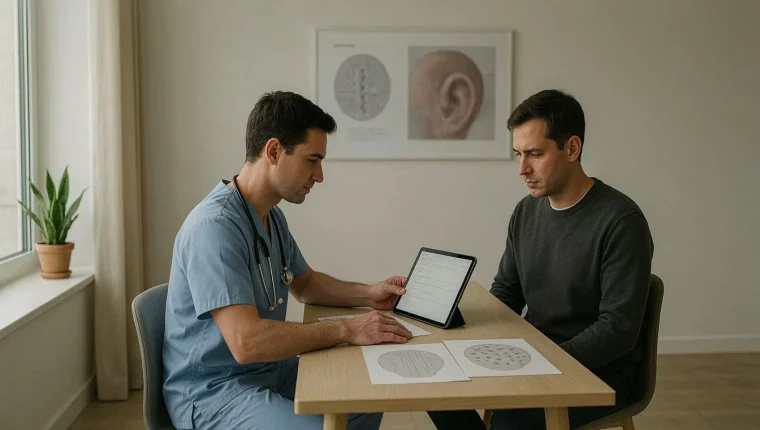
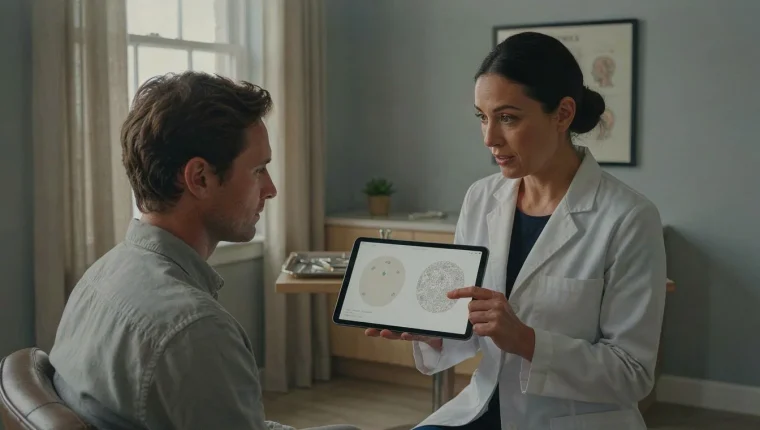
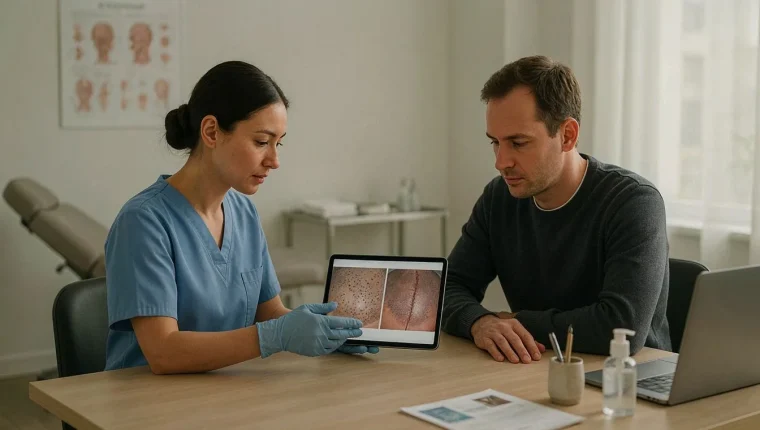
A remote review can help the original surgeon assess healing and maintain continuity, but photographs cannot replace an examination when findings are unclear. If you consult a physician in the USA, explain that the transplant was performed abroad and provide the original records rather than asking the local clinician to guess the surgical details. Coordinated follow-up is important: local care should support the overseas clinic’s plan, while any change in treatment should be communicated to the relevant providers. If the original clinic is difficult to reach, do not postpone necessary medical assessment while waiting for a reply.
Long-Term Hair Growth and Maintenance in the USA
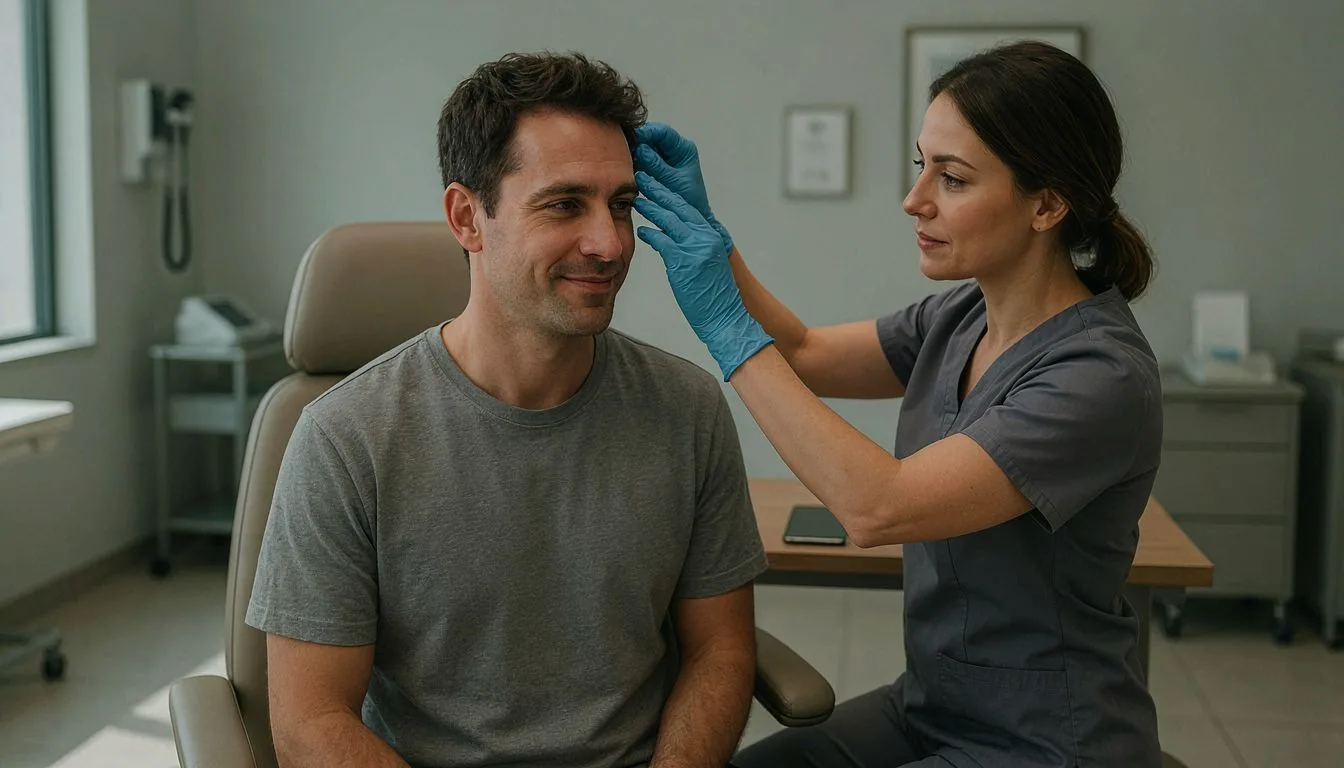
Hair growth after a transplant develops gradually, so the early appearance should not be treated as the final result. Transplanted hairs commonly pass through a shedding phase before new growth becomes noticeable. The timing and density of regrowth vary according to the procedure, individual healing, donor supply, and other biological factors. Avoid judging progress from week to week; consistent photographs taken under similar lighting can provide a more useful comparison over time.
As the follicles mature, later assessment can help determine whether growth is progressing as expected and whether further treatment may be appropriate. A review should consider the overall pattern of coverage, the condition of the donor area, and any ongoing changes in hair density rather than focusing only on isolated hairs. If the result appears uneven or progress is unclear, seek an individualized professional assessment instead of changing treatment independently.
Transplanted follicles are intended to provide lasting growth, but they do not prevent continued thinning of existing, non-transplanted hair. Long-term maintenance may therefore involve discussing treatments for pattern hair loss with a qualified clinician in the USA. These options should be selected after reviewing your medical history, current medicines, hair-loss pattern, and transplant details. Existing non-transplanted hair may require separate monitoring and management even when the transplanted area is growing well.
Protecting the scalp from excessive sun exposure, avoiding unnecessary trauma, and maintaining a practical hair-care routine can support ongoing scalp health. Keep your operative records, photographs, and treatment information available for future evaluations so that any maintenance plan reflects the full history of your care.
FAQs
What should I do if I develop swelling, redness, or pain after returning to the USA?
Contact your hair transplant clinic promptly and send clear photos of the affected area, especially if the swelling, redness, or pain is worsening. Follow your clinic’s aftercare instructions, avoid scratching or applying unapproved products, and seek urgent medical care if you develop fever, pus, severe pain, spreading redness, or difficulty breathing.
When can I resume exercise, swimming, and normal hair-washing routines?
Most patients can resume light exercise after about 7–10 days, while strenuous workouts and contact sports are usually best postponed for two weeks or as advised by your surgeon. Avoid swimming, hot tubs, and saunas for at least two weeks to reduce infection and irritation risks. You can typically wash your hair gently after 48 hours, following your clinic’s instructions, and gradually return to your normal routine as the scalp heals.
How can I arrange follow-up care with a US-based doctor after a hair transplant abroad?
Contact a board-certified dermatologist, hair restoration surgeon, or your primary care doctor before returning home and provide your operative report, graft details, medication list, and aftercare instructions. Many US clinics offer consultation appointments for patients who had surgery abroad, either in person or by video, and can monitor healing, manage medications, and coordinate treatment with the overseas clinic.