Most people picture rhinoplasty recovery as a rough week followed by a quick return to normal. Healing after nose surgery is a staged process measured in months, not days. The first 48 hours bring swelling, congestion, and a splint, but this is only the opening phase. From there, bruising fades, stitches and casts come off, and the nose continues to refine itself slowly over the better part of a year. Understanding the rhinoplasty recovery timeline before you start helps you judge what is normal at each stage, when you can safely return to work or exercise, and why the final result takes time to appear. Each phase has its own challenges and milestones, and knowing their order keeps expectations grounded in what actually happens.
What Happens During the First 72 Hours After Rhinoplasty

Waking up from rhinoplasty is rarely what people expect. Most patients describe a groggy, cotton-mouthed fog from the anesthesia, a dull pressure across the bridge of the nose, and the strange sensation that their face belongs to someone else. Your nose itself will likely feel numb, wooden, or completely absent from your internal body map — this is normal, because the local anesthetic and the surgical trauma temporarily interrupt sensation. A splint sits rigid on the bridge, and if packing was placed inside the nostrils, you will be breathing through your mouth only. Expect some blood-tinged drainage and a dry throat from mouth breathing during these first hours.
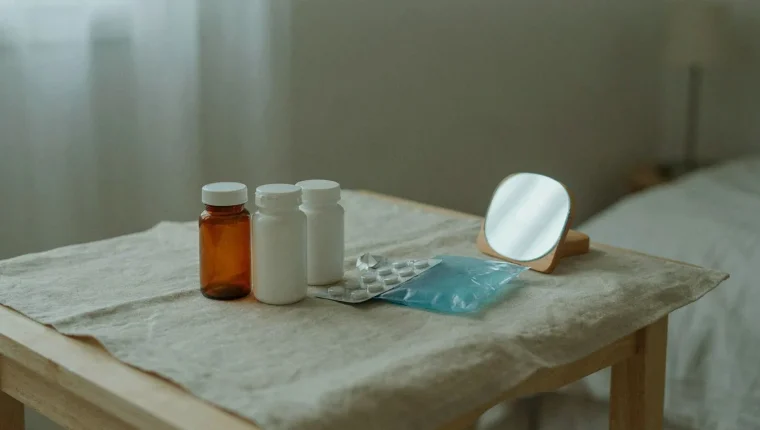
What dominates the immediate window is not pain but discomfort management. Most surgeons prescribe oral pain medication, and the first dose is usually given before the anesthesia fully wears off, so stay ahead of the ache rather than waiting for it to peak. Keep your head elevated on two or three pillows, even while sleeping, to limit fluid pooling in the face. Apply cold compresses — twenty minutes on, twenty minutes off — to the cheeks and around the eyes, never directly on the splint. Walk short distances every hour or two to reduce the risk of blood clots, and sip fluids steadily.
The line between normal and concerning is worth memorizing. Swelling, mild nausea, a low-grade fever, and one-sided bruising are all expected. Call your surgeon promptly, however, if you experience heavy bleeding that soaks through gauze repeatedly, sudden severe pain on one side, vision changes, a fever above 101.5°F, or shortness of breath. These are uncommon, but they are the signals that should never wait until morning.
Managing Swelling and Bruising in the First Two Weeks

Swelling and bruising rarely appear at their worst on the day of surgery. They build. Most patients notice the peak around 48 to 72 hours after the procedure, when the face feels tight, the eyelids may look puffy or discolored, and the nose seems far larger than the result you discussed. From that point, the trend reverses — slowly at first, then more noticeably. Bruising under the eyes typically shifts through shades of purple, green, and yellow before fading within ten to fourteen days, while swelling decreases in stages rather than in a straight line.
Cold compresses applied gently during the first 48 hours, in short intervals and never pressing on the nose itself, help limit the initial buildup. Sleeping with your head elevated on two or three pillows reduces fluid pooling overnight, which is why mornings often look worse than evenings. Salty and processed foods encourage water retention, so keeping meals simple and drinking plenty of water supports faster settling. Arnica and bromelain are popular, though evidence for them is modest and worth mentioning to your surgeon before use.
Some asymmetry during this window is normal and not a sign of a poor outcome. However, if discoloration spreads beyond the cheeks, if swelling suddenly worsens on one side, or if bruising lingers well past two weeks, contact your surgeon rather than waiting for the next scheduled visit. Your splint, still in place at this stage, also affects how much swelling you can actually see — a point worth keeping in mind before judging your reflection too harshly.
When Stitches and Splints Are Removed
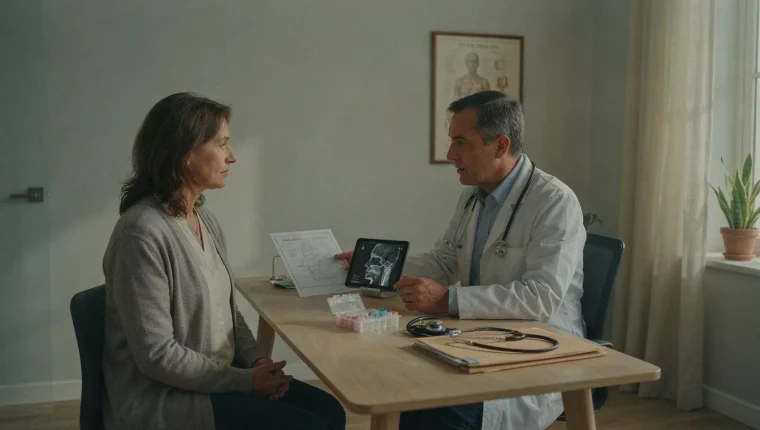
The appointment when stitches and splints come off is the moment many patients have been waiting for since surgery day. In most cases, this happens around day five to seven after the procedure, though your surgeon will set the exact timing based on how you are healing. During the visit, the doctor removes the external splint first, then gently takes out any remaining sutures. Most people describe the sensation as a light pulling or a brief sting rather than real pain. It is quick, usually over within a few minutes, and many patients feel immediate relief once the pressure of the splint is gone.
What surprises people most is not the removal itself, but what they see in the mirror right after. The nose often looks swollen, puffy, and sometimes a little uneven, which can be unsettling if you were expecting an instant reveal. This is completely normal. The tissues are still inflamed from surgery, and the nose has not yet settled into its new position. What you are seeing is a healing nose, not the final result. Try not to judge the shape at this stage, because the changes ahead will be gradual and often subtle.
Once the splint and stitches are gone, your aftercare shifts slightly. You will likely be told to keep the area clean, avoid blowing your nose for a while, and protect the nose from any pressure or impact. Sleeping with your head elevated still helps, and your surgeon may recommend gentle cleansing or a prescribed ointment. Mild swelling is expected to linger, and that is part of the process. Follow your surgeon’s instructions closely, and give your nose the time it needs to settle.
Returning to Work and Daily Activities Safely
Most patients can return to desk work or remote work about one to two weeks after surgery, once the worst swelling has settled and any splint or external cast is off. If your job involves heavy lifting, bending, or physical exertion, plan for closer to three weeks or longer, and clear the exact date with your surgeon. The key is not just feeling ready but being safe — your nose is still early in the healing process, and the bones and cartilage need protection from pressure and impact.
Driving usually resumes once you are off prescription pain medication and can turn your head comfortably without pain or blurred vision. Exercise is where patience matters most. Light walking is encouraged almost immediately because it supports circulation, but strenuous activity — running, weightlifting, contact sports, or anything that raises your blood pressure or risks a bump — is typically delayed for four to six weeks. This is longer than many people expect, but the reason is simple: increased blood flow can trigger swelling and bleeding, and a stray elbow or fall can undo delicate work.
As you step back into social and professional settings, you may still have visible swelling or bruising. This is normal and gradually fades. You can manage it discreetly with makeup once your surgeon approves, and by keeping your head elevated when resting. If people ask, a simple “I had a procedure, I’m recovering well” is usually enough. Residual swelling during this return-to-work period is expected, and it does not mean something is wrong — it simply reflects that your nose is still healing beneath the surface.
How the Nose Changes Between One and Six Months
By the one-month mark, the dramatic swelling that dominated the early weeks has largely settled, and many patients feel a surge of optimism. Then something confusing happens: the nose seems to change shape from one week to the next. One morning the tip looks refined; a few days later it appears fuller again. This is not a setback. It is the predictable rhythm of residual swelling resolving at different rates across the nose.
The bridge and upper portion of the nose tend to slim down first, while the tip holds onto fluid the longest because of its thicker skin and softer tissue. As a result, the profile may look sharper than the tip, and the tip itself may feel firm or slightly numb for weeks. Shifts in how you sleep, your salt intake, hormonal fluctuations, and even the weather can nudge swelling up or down, which is why photographs taken a few days apart can look surprisingly different.
This uneven, fluctuating phase is normal healing rather than a sign that something went wrong. Surgeons generally advise waiting until the six-month mark or beyond before judging the outcome, precisely because the nose is still a work in progress. Your job during this window is simple: protect the result, keep follow-up appointments, and resist the urge to scrutinize every small change in the mirror. The refinement is happening, just on a timeline your tissue sets, not your calendar.
Long-Term Results and When the Final Shape Appears
If you have followed the timeline this far, you already know that the nose keeps changing for months after surgery. What surprises many patients is just how long that process can run. The nose continues to settle for up to a year or more, and subtle changes are still possible after that. This is not a sign that something has gone wrong. It simply reflects how slowly the tissues remodel and how gradually residual swelling drains from the tip, which is usually the last area to fully refine. In thin-skinned patients, the final shape may appear closer to six to nine months, while thicker skin often needs the full year or longer before the contours look crisp and defined.
When surgeons talk about the final result, they mean the point at which the nose looks stable from every angle and no longer shifts noticeably week to week. That shape typically represents the combination of the structural changes made during surgery and the way your skin has healed around them. It will not match the edited image you may have brought to your consultation, and it is not supposed to. A good way to evaluate it is to compare your nose to your original goals rather than to an idealized version, and to judge it in natural light and in motion, not only in close-up photographs.
Reaching out to your surgeon makes sense if you notice sudden asymmetry, new pain, breathing difficulty, or a change that appears long after the one-year mark. Otherwise, the most useful thing you can do is let time finish its work. Most concerns raised in the first year resolve on their own, and your surgeon can confirm whether what you are seeing is simply part of the normal settling process.
FAQs
How long does the initial swelling and bruising last during the rhinoplasty recovery timeline?
Expect the worst of the swelling and bruising to show up in the first 48 to 72 hours after surgery, then gradually settle over the next two weeks. Most of the visible bruising fades within 10 to 14 days, while the majority of facial swelling resolves by the end of the first month. Keep in mind that subtle swelling in the tip and bridge can linger for several months, which is normal and part of the longer rhinoplasty recovery timeline.
When can I safely return to work and exercise after rhinoplasty surgery?
Most people can return to desk-based work about one to two weeks after rhinoplasty, once swelling and bruising have eased enough to feel comfortable in public. Wait at least three to four weeks before resuming light cardio, and hold off on strenuous exercise, heavy lifting, and contact sports for roughly six weeks to protect the healing nose. Your surgeon will confirm the exact timing based on your procedure and how your recovery is progressing.
At what point in the rhinoplasty recovery timeline will my final results be visible?
Most of the visible swelling settles within the first six weeks, but your nose continues to refine gradually as the deeper tissues heal, so the final result typically emerges between twelve and eighteen months after surgery. Thicker skin tends to hold swelling longer and may take closer to the full eighteen months, while thinner skin often shows its outcome sooner. You'll see meaningful changes at each milestone along the way, but the shape you keep for the long term is the one still present once all swelling has fully resolved.