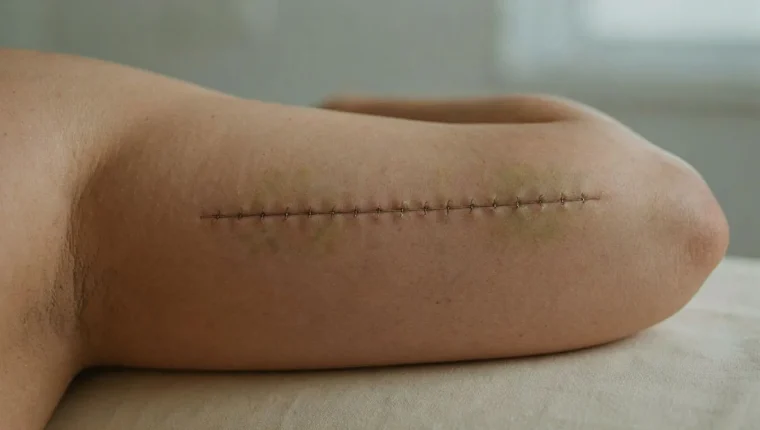
An arm lift, or brachioplasty, removes loose skin and fat between the armpit and elbow. Because surgery involves an incision from the inner arm toward the elbow, some discomfort afterward is expected. Most patients ask not whether it hurts, but how intense the pain feels, how long it lasts, and how to manage it during recovery.
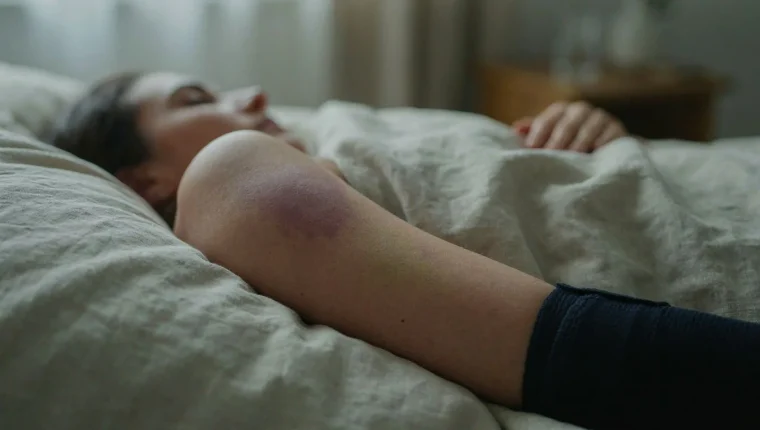
Pain after an arm lift is typically described as soreness, tightness, and tenderness, rather than sharp or unbearable pain. Most of the discomfort comes from swelling, bruising, and the skin being pulled taut during closure. Many patients compare it to the muscle soreness felt after a very challenging upper-body workout, combined with the pulling sensation of a tight bandage.
Recovery is usually handled with prescription pain medication for the first few days, followed by over-the-counter options like acetaminophen or ibuprofen. Keeping the arms elevated and wearing the recommended compression garment also plays a large role in keeping swelling and pain under control. While individual experiences vary, most people find the first 3 to 5 days the most uncomfortable, with steady improvement afterward.
Understanding what the pain actually feels like, and how surgeons manage it, helps set realistic expectations and reduces anxiety before surgery. Knowing the difference between normal post-operative soreness and warning signs that need medical attention is equally important for a smooth, safe recovery.
What Arm Lift Pain Feels Like During Recovery
The first few days after brachioplasty are usually when the sensation is most intense. Most patients describe it as a deep, pulling soreness rather than a sharp sting, because the surgeon has tightened skin and underlying tissue along the entire upper arm. That heaviness tends to peak when the anesthesia fully wears off and gravity tugs on the incision, especially if you forget to keep your arms elevated on pillows.
Around day three or four, the sharp edge softens into a tightness that almost feels like the skin is wrapped in an elastic band. Movement of the shoulder, even something as simple as brushing your hair, can stretch the incision and bring a brief, stinging reminder that tissue is still healing underneath.
By the end of the first week, the quality of discomfort shifts again. The constant ache fades into tenderness that comes and goes, mostly triggered by reaching, lifting, or rolling onto the arm in your sleep. Swelling makes the area feel firm and slightly numb, so light touches may surprise you with a tingling or pins-and-needles sensation instead of normal feeling.
During the second and third weeks, many patients say the arms feel “tight but tired” rather than truly painful. Stitches or surgical glue can create small pinching sensations, and scar tissue begins to feel ropey under the skin. This stage is usually where people first notice itching along the incision line, a sign that nerve endings are reconnecting.
From week four onward, the everyday sensation settles into mild background soreness that flares after activity and improves with rest. Recognizing these phases helps you tell the difference between normal healing and something your surgeon should know about.
When Discomfort Becomes a Concern
Most of the soreness you feel during brachioplasty recovery is simply your body adjusting to the changes made during surgery, and it usually follows a predictable arc. Knowing the difference between expected post-operative soreness and something that deserves a call to your surgeon is one of the most reassuring skills you can develop in the early weeks.
Some warning signs are easy to recognize once you know what to look for. Pay close attention if you notice any of the following during your healing:
- Pain that grows sharper or noticeably more intense after the first week, rather than gradually easing.
- Swelling that worsens on one side or feels firm and warm to the touch compared to the surrounding tissue.
- Redness spreading outward from an incision, especially when paired with a low-grade fever or chills.
- Drainage from the incision that looks cloudy, yellow, green, or carries an unpleasant odor.
- Sudden numbness, tingling, or a feeling of heaviness in the hand or fingers that was not present before.
- A popping sensation, asymmetry, or any wound edge that begins to reopen along the scar line.
Trust your instincts here. If something about your recovery simply does not match what your surgical team described, reaching out early almost always leads to simpler solutions than waiting until a small concern turns into a real complication. Your surgeon would much rather hear from you over a phone call than have you sit at home worrying in discomfort.
Pain Management Options After Brachioplasty

After brachioplasty, your surgeon will likely send you home with a short course of prescription pain medication to keep the first few days tolerable. Most patients transition to over-the-counter options like acetaminophen or ibuprofen once the sharpest discomfort fades, which usually happens within the first week.
Beyond medication, a few non-pharmacological strategies make a real difference. Keeping your arms elevated on pillows reduces throbbing, while applying cold compresses around (never directly on) the incision helps with swelling. Gentle range-of-motion exercises, introduced by your surgeon around day three or four, prevent stiffness from settling in and actually lessen the deep ache that comes from holding the arms perfectly still.
Compression sleeves do double duty: they support the fresh tissue and provide a soothing pressure that many patients describe as oddly comforting. Aromatherapy, guided breathing, and short walks around the house can also dial down the perception of soreness without adding any pharmaceutical load.
The key is layering these approaches rather than relying on a single method. Medication handles the baseline pain, while positioning, compression, and gentle movement address the secondary tightness and tenderness that tend to linger for a couple of weeks.
Factors That Influence Your Pain Experience
Every patient describes their post-brachioplasty discomfort a little differently, and several personal variables shape how that recovery feels. Your overall fitness level matters more than you might expect, since stronger core and upper back muscles tend to support the arms during early healing, reducing the strain that translates into soreness. Age plays a role too, because skin elasticity, circulation, and how quickly tissues repair all influence the intensity and duration of tenderness.
The surgical technique your surgeon uses is another key factor. The length of the incision, whether liposuction is combined with skin removal, and how deep the work extends into the underlying tissue can all change the character of the discomfort you feel in the first weeks. Patients who undergo a more extensive correction often describe a deeper, achier sensation compared with those who had a smaller area treated.
Your pain threshold, stress levels, and even how well you rest in those first nights can amplify or soften what you feel. Anxiety tends to heighten sensitivity, while proper sleep, hydration, and following your post-op instructions help your body settle into a calmer healing rhythm.
Daily Activities That May Trigger Soreness
Once you leave the clinic and settle into home recovery, everyday movements start to matter more than you might expect. Most triggers for arm lift pain aren’t dramatic gestures; they’re the small, repetitive motions you barely notice until your incisions remind you they’re there. Understanding which activities tend to aggravate soreness helps you plan your day around healing rather than constantly reacting to twinges. Before going further, it helps to look at the specific daily habits that patients most often identify as the source of post-surgical soreness during the early stages of recovery.
- Reaching overhead, such as grabbing something from a high shelf or styling your hair, stretches the incision line and often produces a sharp pull that lingers for several minutes.
- Lifting household items like grocery bags, laundry baskets, or even a heavy purse puts direct strain on the healing tissues of the upper arm.
- Driving a car requires sustained arm positioning on the steering wheel, and turning the wheel repeatedly can aggravate tightness along the inner arm.
- Sleeping on your side presses the treated arm against the mattress, which compresses swollen tissue and intensifies throbbing in the first weeks.
- Pushing yourself up from a chair or bed engages the triceps and shoulders in a way that frequently triggers a dull ache across the surgical area.
- Carrying a child or pet combines lifting with unpredictable movement, making it one of the more common culprits behind unexpected soreness spikes.
Most of these triggers share one thing in common: they ask the upper arm to do more than its current healing capacity allows. By recognizing them early, you can modify how you perform each task rather than avoiding activity altogether. Small adjustments like sliding objects instead of lifting them, or using a travel pillow to keep your arm slightly elevated during side-sleeping, usually reduce the intensity of post-activity soreness considerably. Paying attention to these everyday patterns, rather than treating each twinge as a random event, gives you a much clearer sense of what your body is asking for and helps you stay one step ahead of setbacks as recovery progresses.
Timeline for Returning to Normal Comfort

Recovery follows a fairly predictable arc for most brachioplasty patients, though your individual pace depends on the extent of your procedure and how your body heals. By the end of week one, the sharp, medication-dependent discomfort typically fades into a duller soreness that responds well to over-the-counter options. Weeks two through three usually bring noticeable improvement: the constant tightness loosens, bruising fades, and many people return to desk work or light daily routines.
Around the one-month mark, the incisions begin to settle and arm mobility feels much closer to normal, though residual tenderness along the scar line can linger when you stretch or lift. Strength usually returns between weeks four and six, especially once your surgeon clears you to resume exercise and heavier lifting. Full comfort, including the absence of tugging sensations and complete freedom of movement, often arrives somewhere between two and three months post-surgery, with the scar continuing to mature for up to a year.
FAQs
How much arm lift pain should I expect during the first week of recovery?
During the first week, most patients describe arm lift discomfort as a moderate, persistent ache rather than sharp pain, with the intensity usually peaking around days two to three and then gradually easing. You'll likely feel the most soreness when raising your arms, reaching overhead, or moving your shoulders, so keeping movements gentle and close to your body really helps. The tightness and tenderness across the chest and upper arms are completely normal and tend to improve noticeably by the end of the week with proper rest and pain management.
When does arm lift pain usually peak and how long does it typically last?
Arm lift pain usually peaks within the first three to five days after surgery, when swelling and tightness are at their worst. Most patients notice steady improvement after that, with discomfort typically resolving enough for normal daily activities within two to three weeks. Some residual soreness or sensitivity can linger for several weeks, but it generally becomes much milder and more manageable as healing progresses.
What can I do to manage arm lift pain effectively while healing?
You can manage arm lift pain effectively by taking your prescribed pain medication on schedule, keeping your arms elevated as directed to minimize swelling, and applying cold compresses gently around the area. Avoid heavy lifting or strenuous movements for at least a few weeks, and follow your surgeon’s instructions carefully regarding wound care and activity restrictions. Gentle range-of-motion exercises, once approved by your surgeon, can also help reduce stiffness and promote circulation, which supports healing.