Loose skin under the arms does not respond to exercise as most people hope. A year of focused triceps work can build the underlying muscle, but it will not eliminate loose skin left after major weight loss, aging, or years of weight fluctuation. That’s where arm lift surgery comes in, and it’s also why comparing arm lift before and after photos matters so much before you book a consultation.
What you see in those photos is the difference between brachioplasty with a skilled surgeon and a result that leaves you self-conscious in short sleeves. Skin removal, scar placement, and how the underarm contour looks at rest and in motion all show up clearly in real patient images. I’ve spent years reviewing these galleries with patients, and the same patterns come up every time: the people who get results they’re happy with did their homework on what the surgery actually delivers.
This guide walks through what arm lift before and after photos really reveal, what changes between the two images, and which details you should pay attention to when you’re evaluating your own potential outcome.
Understanding Arm Lift Surgery and What It Targets
Before comparing any arm lift before and after photos, it helps to understand exactly what the procedure addresses. Brachioplasty is designed to remove loose, hanging skin that often lingers along the underside of the upper arm after significant weight loss, aging, or genetic predisposition. In many cases, a small amount of localized fat is also contoured away to refine the final shape.
What the surgery does not do is replace muscle tone or act as a weight-loss method. The underlying arm muscles remain unchanged, which is why surgeons often recommend pairing the procedure with strength training for the triceps and shoulders once healing is complete.
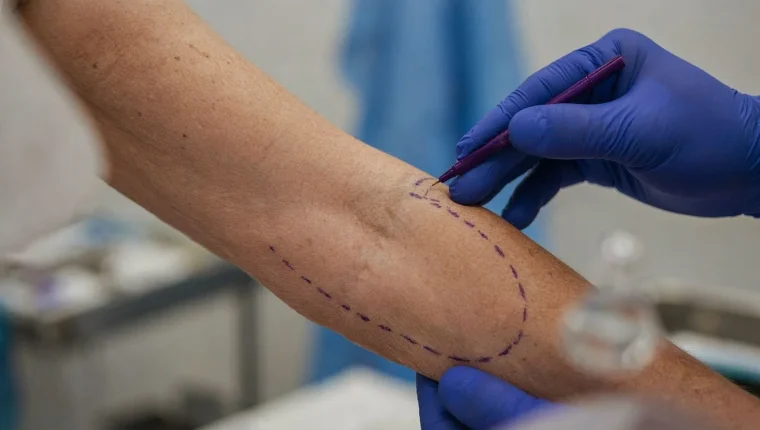
Most techniques involve an incision that runs from the armpit down toward the elbow, placed along the inner arm where it can be concealed during everyday movement. The length and pattern depend on how much skin needs to be removed and whether liposuction is included. Your surgeon will choose between a limited-incision approach, suited for mild laxity near the armpit, and a standard or extended brachioplasty for more extensive sagging.
Understanding these distinctions sets realistic expectations for healing, scarring, and the contour improvements you can anticipate.
What Realistic Arm Lift Before and After Results Look Like
When patients browse galleries of arm lift before and after images, the most useful photos aren’t the ones that look the most dramatic. They’re the ones captured under consistent lighting, at the same angle, with the arms in the same position. Those comparisons reveal what the surgery actually changes: the silhouette of the upper arm, the way skin drapes along the triceps, and how clothing fits across the shoulder. A trustworthy result looks smoother and more contoured, but it still reads as a natural arm belonging to a real person.
The visual differences that consistently appear in authentic sets include:
- Reduction of the hanging “batwing” fold beneath the upper arm, especially when the arm is raised or extended sideways.
- A flatter inner-arm contour from the elbow up toward the armpit, where loose skin tends to pool the most.
- Sharper definition along the triceps line, though the muscle itself is not altered by the procedure.
- A scar running along the inner arm or back of the arm, which usually fades over time but remains visible up close.
- Improved symmetry between both arms when the surgeon addresses each side individually during the operation.
What those photos don’t always show is the nuance behind the result. Swelling can mask the final contour for several weeks, and the scar line often looks pink or slightly raised in early comparisons before it matures into a thin, pale mark. Looking at images taken at least six to twelve months post-op gives a much more accurate sense of what someone can realistically expect after healing is complete.
Key Factors That Shape Your Surgical Outcome
Two people can have nearly identical arms on the operating table and walk away with very different outcomes months later. The reason almost always comes down to a handful of variables that quietly shape the final result. Your starting skin quality is one of the biggest, since stretch marks, sun damage, and long-standing laxity limit how tightly the tissue can be redraped. The amount and distribution of underlying fat also matters, because brachioplasty removes skin but does not always address fullness on its own; pairing the procedure with targeted liposuction often produces a smoother transition from shoulder to elbow.
Incision placement plays a subtle but lasting role in how the scar heals and how visible it remains in everyday clothing. The technique your surgeon chooses, whether a limited mini-lift hidden in the armpit or a longer incision running to the elbow, should match the degree of correction you actually need rather than the smallest scar possible. General health, smoking status, and weight stability in the months before and after surgery influence circulation, swelling, and how cleanly the tissues settle. And finally, the recovery phase itself shapes the contour: how consistently you wear compression, when you reintroduce movement, and how patiently you wait for full settling all show up in the final mirror view.
The Recovery Timeline After Brachioplasty

Recovery after brachioplasty moves in stages, and knowing what each phase looks like helps you plan time off work, arrange help at home, and set realistic expectations for when the arms you saw in those initial arm lift before and after photos will actually feel like your own.
Most patients return to light, desk-based activity within 7 to 10 days, once drains are removed and incisions have closed. Swelling and tightness along the inner arm are normal during this window and gradually settle over the following weeks. By week three, many people feel comfortable driving again and resuming gentle walking, though lifting anything heavier than a few pounds is still off the table.
Light resistance work and full upper-body training usually re-enter the picture between weeks six and eight, once your surgeon confirms the deeper tissues have healed. The scar will look pinker and slightly raised at this point before it begins to fade over the next six to twelve months. Wearing a compression sleeve during the early phases, keeping the incisions out of direct sun, and following scar-care instructions all shape how quietly the healing blends into the final result.
Full settling of the contour — where swelling is gone, scars have matured, and arms move naturally with everyday motion — typically arrives around the one-year mark. Patience during this stretch is what carries the surgical work across the finish line.
How to Maintain Your Results Long Term
Long-term maintenance after brachioplasty is less about dramatic effort and more about steady habits that protect the smoother contour you worked to achieve. The surgery removes the loose fold, but skin still ages, weight still fluctuates, and muscle tone still changes — so the choices you make in the months and years afterward quietly decide whether your refined arm shape holds or slowly drifts back toward the old silhouette.
Most of what keeps results stable is straightforward, but it only works when it becomes part of your routine rather than a temporary phase.
- Weight stability is the single biggest factor, since even a 10–15 pound swing can re-stretch the skin envelope your surgeon tightened.
- Strength training for the triceps and shoulders reshapes the underlying muscle so the contour stays defined as natural aging continues.
- Sun protection on the scar prevents it from darkening and keeps the line as inconspicuous as possible over time.
- Hydration and skin care with moisturizers and gentle exfoliation support elasticity, especially along the inner arm.
- Compression garments during heavy activity reduce swelling and give the healing tissue steady support in the first months.
- Regular follow-up visits allow your surgeon to spot subtle changes early and address them before they become visible.
Think of maintenance as ongoing collaboration with the work already done: the scar matures, the swelling finishes settling, and your daily habits decide how graceful that aging process looks. Patients who commit to stable weight, consistent strength work, and attentive scar care tend to enjoy their slimmer arm profile for many years, while those who treat the procedure as a one-time fix often see the contour soften again within a few seasons.
Choosing the Right Surgeon for Lasting Change
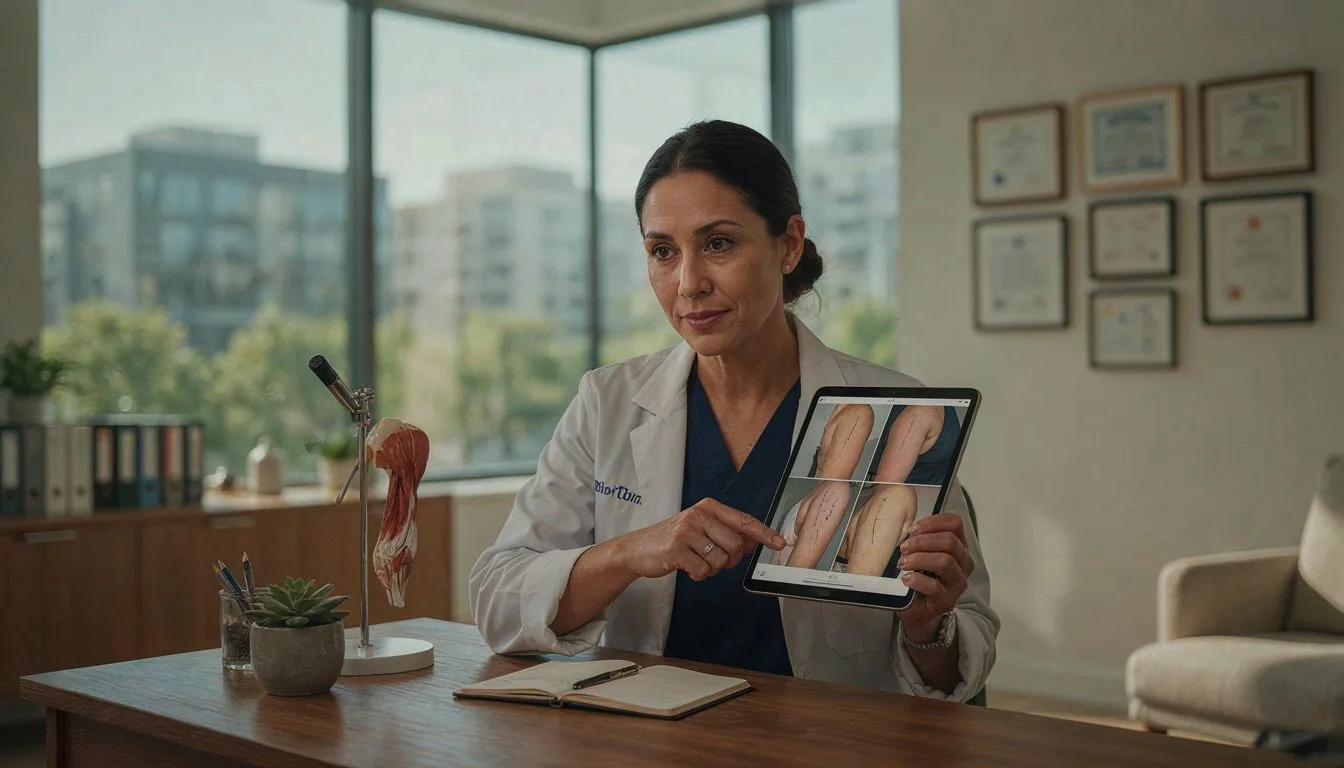
Even the most carefully planned brachioplasty lives or dies by the hands that perform it, so take surgeon selection seriously. Look for a board-certified plastic surgeon whose practice devotes significant time to body contouring rather than treating arm lifts as an occasional add-on.
Ask how many brachioplasties they complete each year, request unretouched arm lift before and after photos of patients with a body type close to yours, and pay attention to scar placement because technique varies widely between surgeons. A short consultation conversation is revealing: the surgeon should explain incision options, discuss whether liposuction will be combined with skin excision, and outline realistic limitations based on your tissue quality.
Finally, confirm that follow-up care, revision policy, and emergency contact pathways are clearly documented before booking the operating room.
FAQs
How long does it take to see the final arm lift before and after results?
Most patients notice a visible improvement in arm contour right after surgery, but final results typically settle in around three to six months once swelling fully resolves and the scars begin to fade. Following your surgeon’s aftercare instructions, wearing compression garments as advised, and staying patient through the healing stages will help you see the smoothest, most refined outcome.