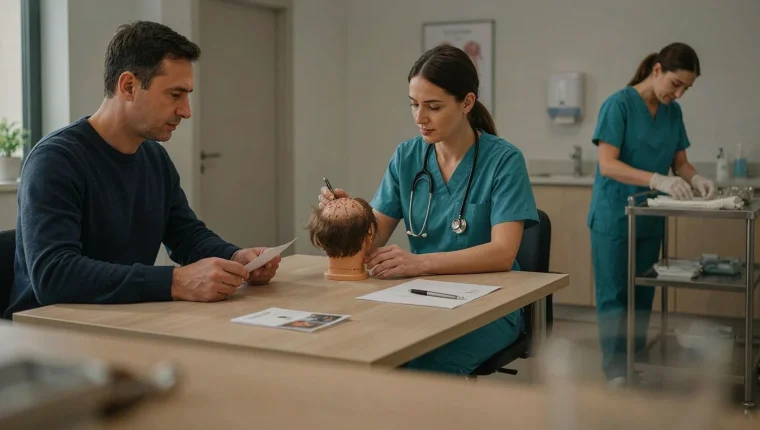
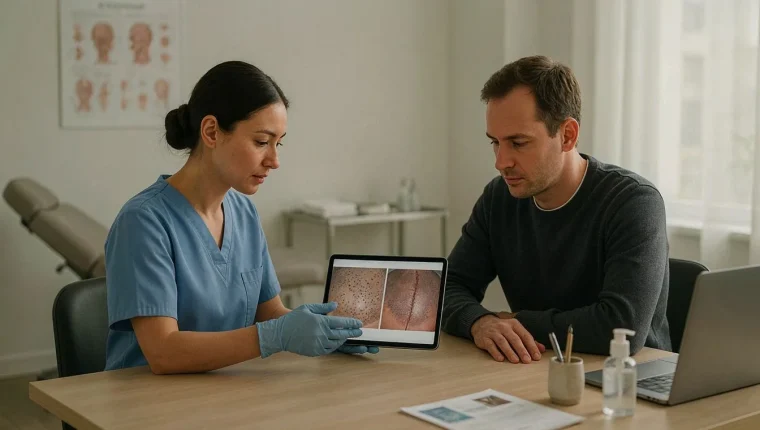
A 3,000-graft hair transplant is a planning estimate, not a guarantee of full coverage in a specific area or a set price. Coverage depends on factors such as the size and location of hair loss, the desired density, and how grafts are distributed across the recipient areas. Total cost can vary with the treatment plan and the services included in a clinic’s quote. To compare options, look beyond the graft count: consider where the grafts will go, what the plan is designed to achieve, and which costs are included.
What Does 3,000 Grafts Cover?

A graft is a small unit of tissue moved during a transplant, usually containing one or more hair follicles. It is not the same as a single hair, so 3,000 grafts may produce more than 3,000 individual hairs. The number of follicles in each graft varies, which is one reason graft count alone cannot predict how full an area will look.
The scalp area that 3,000 grafts can address depends on the extent and pattern of thinning. If hair loss is concentrated in a relatively small region, the grafts may be placed more closely together there. When thinning spans a broader area, the same number must cover more scalp, so the resulting density may be lower. Existing hair also affects the appearance of coverage: adding grafts among native hairs can improve fullness without filling every part of the area at the same intensity.
Coverage density is therefore as important as the proposed graft count. A clinician assesses the size of the thinning area, the surrounding hair, and the available donor supply before estimating what the grafts can realistically achieve. Two people offered 3,000 grafts may need them distributed across very different areas, and the same count does not guarantee identical visual coverage.
How Is the Hairline and Graft Distribution Planned?
Planning begins with the pattern of hair loss and the patient’s goals. The hairline is designed to suit facial proportions and age, while taking account of how hair loss may progress. A very low or dense hairline can use more grafts than expected, leaving fewer available for other thinning areas.
The clinic then prioritizes recipient areas according to the pattern of thinning and the intended visual result. For example, a plan may focus first on framing the face, then allocate grafts to other areas based on their condition and the resources available. This is graft distribution: deciding where grafts are placed rather than spreading them evenly across the scalp.
That decision also depends on donor hair. A clinician assesses the donor area and considers how many grafts can reasonably be harvested, along with the characteristics of the hair. The plan therefore balances the desired hairline and coverage against donor availability; it should not imply uniform density or promise a fixed design. A consultation helps establish which areas can be prioritized within an individual treatment plan.
What Factors Affect the Total Cost?
The quoted total is meaningful only when you know what the clinic has included. A fee may cover the procedure alone, or it may bundle some preoperative assessments, prescribed supplies, follow-up visits, or other care. Ask for an itemized estimate and confirm which services are included, which may cost extra, and whether any stated aftercare has limits. This helps you compare like with like rather than focusing on a single headline figure.
- Treatment scope: Confirm that the quote is based on the planned procedure and graft estimate, and ask how the clinic handles changes if the final plan differs.
- Included services: Check whether consultations, tests, medications, follow-up appointments, and post-procedure support are part of the fee or billed separately.
- Provider and facility fees: Ask who performs each part of the procedure and whether the quoted total includes the relevant clinical and facility charges.
- Additional expenses: Clarify whether travel, accommodation, or optional services are excluded, especially if treatment is arranged away from home.
Written terms can also show what happens if scheduling changes or additional care is recommended. Compare the same categories across clinics, and ask for any exclusions or potential extra charges to be explained before making a decision. The quoted total should reflect the agreed treatment plan, not an assumption that every provider includes the same services.
How Do Technique and Clinic Location Influence Pricing?
The method used for a 3,000-graft procedure can affect what a quote covers. Techniques differ in how follicles are harvested and placed, which may change the time, equipment, and staff involvement required. The label alone does not show the quality of the plan or predict the result, so compare what the clinic proposes for your case rather than assuming one method is always better or more expensive.
Technique-related costs are only one part of the price. A quote may reflect the procedure’s overall scope, the clinical team’s roles, and the support provided around treatment. Ask who performs each stage and whether the quoted method is the one the clinician recommends for your donor area and goals.
Location can also shape pricing through differences in operating costs, staffing, and how a clinic organizes care. A lower quote in another city or country does not, by itself, indicate equivalent services or follow-up. When comparing destinations, check whether consultations, aftercare, and contact with the treating team are included, and consider the practical arrangements needed for travel and recovery. Compare itemized quotes and care responsibilities—not just the headline total.
What Results and Recovery Can You Expect?
Recovery unfolds in stages, so the first days after a hair transplant are not a reliable guide to the final appearance. The scalp may be sensitive, and small scabs can form around the treated areas. Follow the clinic’s instructions for washing, sleeping, activity, and any prescribed care; contact the treating team if symptoms concern you or seem inconsistent with the guidance you were given.
In the weeks that follow, transplanted hairs commonly shed. This can be unsettling, but shedding alone does not show whether the follicles have taken successfully. Visible growth develops gradually over the following months, and changes may appear uneven at first. The timing and pace vary from person to person, so avoid judging coverage or density too early.
Final results take time to develop. Hair growth continues to mature over an extended period, and the treating clinician can advise when an assessment is meaningful for your case. Attend recommended follow-up appointments and raise questions with the clinic rather than changing aftercare based on assumptions. A 3,000-graft estimate describes the planned procedure, not a guaranteed timeline or identical outcome for every patient.
FAQs
How much does a 3000 grafts hair transplant typically cost?
A 3,000-graft hair transplant typically costs about $6,000–$15,000 in the United States, though prices vary by clinic, technique, and location. Some clinics charge per graft, while others offer a package price that may include consultations, medication, and follow-up care.
How much scalp coverage can 3000 grafts provide?
A 3,000-graft hair transplant can typically cover a substantial area, often the frontal hairline and mid-scalp, depending on the size of the thinning region and the desired density. Grafts contain different numbers of hairs, so coverage varies with graft composition, hair characteristics, and the surgeon’s placement plan. The donor supply and extent of hair loss also affect how much scalp can be covered.
What factors affect the cost of a 3000 grafts hair transplant?
The cost of a 3,000-graft hair transplant depends on the clinic’s location and reputation, the surgeon’s experience, and the technique used, such as FUE or FUT. Pricing may also reflect what the package includes, including consultation, medication, follow-up care, and accommodation or travel. Since clinics calculate fees differently, compare itemized quotes and confirm what each one covers.