Noticing more strands in your brush, on your pillow, or in the shower drain is unsettling, especially if it happens every day. The average person naturally sheds 50 to 100 hairs a day, so some loss is completely normal. The concern starts when the amount clearly increases, when thinning becomes visible along the part or hairline, or when bald patches appear.
Several everyday causes can explain heavier shedding. These include stress, rapid weight loss, iron or vitamin deficiencies, thyroid problems, hormonal shifts, and certain medications. Many of these triggers are temporary, and hair often grows back once the underlying issue is addressed.
What matters is knowing when to stop waiting and get help. Sudden or patchy loss, persistent shedding lasting more than a few weeks, or shedding paired with fatigue, scalp pain, or other symptoms are all reasons to see a doctor or dermatologist early.
How Much Hair Loss Is Normal?
Hair shedding is a natural part of the hair growth cycle, and the scalp routinely releases old strands to make room for new ones. For most adults, losing between 50 and 100 hairs per day falls within the normal range. This number can look alarming when those hairs collect in a brush, on a pillowcase, or in the shower drain, but it rarely signals a problem on its own.
Several everyday factors can push shedding temporarily above that baseline without indicating true hair loss. Seasonal changes, hormonal fluctuations, and short-term stress are common triggers. Even washing your hair less frequently can make a normal day’s shedding seem heavier, because loose strands that would have fallen gradually are released all at once.
What separates normal shedding from a concern is the pattern over time. A brief increase that settles within a few weeks is usually nothing to worry about. By contrast, sustained shedding, visible thinning along the part, or a widening scalp may point to something that deserves attention. Tracking how much you lose and how your hair looks over several weeks gives a far clearer picture than any single day’s count.
Common Causes Behind Excessive Shedding
Excessive shedding rarely has a single, obvious trigger. More often, it reflects a shift in the hair growth cycle, where a larger than usual number of follicles move into the resting phase at the same time. Because this shift can be set off by many different factors, identifying the cause usually means looking at what changed in your body or daily life over the past two to three months.
One of the most frequently overlooked drivers is telogen effluvium, a temporary condition in which physical or emotional stress pushes hair into its shedding phase. Common triggers include:
- Major illness, surgery, or high fever
- Significant weight loss or restrictive dieting
- Pregnancy and the months following childbirth
- Severe emotional stress or trauma
Hormonal fluctuations also play a major role. Thyroid disorders, polycystic ovary syndrome, and the hormonal shifts of menopause can all disrupt normal growth. Nutritional deficiencies, particularly low iron, vitamin D, or protein intake, are another frequent culprit, especially in people following plant-based or low-calorie diets.
Certain medications, including some antidepressants, blood thinners, and treatments for acne, may contribute as well. Genetics and age-related pattern thinning tend to produce gradual changes rather than sudden shedding, which helps distinguish them from other causes. In many cases, more than one factor is at work, which is why a careful timeline of symptoms is so valuable when you speak with a doctor.
Signs That Your Hair Loss Needs Medical Attention
Not every episode of shedding requires a doctor’s visit, but certain patterns and accompanying symptoms signal that self-care and patience are no longer enough. The distinction matters because some forms of hair loss reflect an underlying condition that will continue to progress without treatment, while others resolve on their own once the trigger passes. Recognizing the warning signs early gives you the best chance of protecting the hair you still have.
Seek medical attention if you notice any of the following:
- Sudden, dramatic shedding that begins within days or weeks rather than gradually, especially handfuls of hair coming out during washing or brushing.
- Patchy bald spots — smooth, round areas of complete hair loss on the scalp, eyebrows, or beard, which may point to an autoimmune process.
- A visibly widening part or receding hairline that continues to progress despite no obvious trigger such as stress or dieting.
- Scalp symptoms such as itching, burning, pain, redness, scaling, or crusting alongside the shedding.
- Hair breakage in which strands snap off close to the scalp rather than shedding from the root.
- Associated systemic symptoms like fatigue, unexplained weight change, irregular periods, or a new medication started in the months before shedding began.
The most important red flag is persistent shedding lasting longer than six months, since telogen effluvium normally resolves within that window. When shedding continues beyond it, or when loss is accompanied by scarring, inflammation, or signs of an underlying illness, a clinician can identify the cause and rule out conditions such as thyroid disease, iron deficiency, or androgenetic alopecia that require targeted treatment.
What to Expect at a Doctor's Evaluation

A doctor’s evaluation for hair loss typically begins with a detailed conversation rather than a physical exam. Your physician will ask when the shedding started, whether it was gradual or sudden, and how much hair you notice losing daily. Be prepared to discuss your medical history, recent illnesses, surgeries, pregnancies, significant weight changes, and emotional stressors, since these factors often point toward a cause like telogen effluvium. Bring a list of all medications and supplements you take, as several common drugs can contribute to shedding.
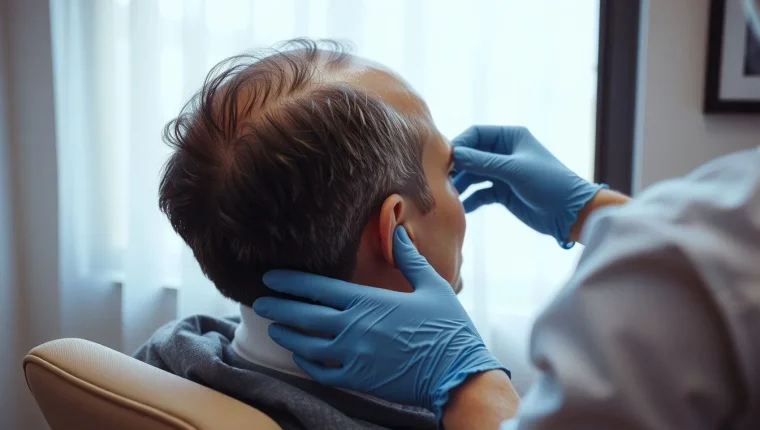
The physical examination usually focuses on your scalp and hair. A doctor may perform a pull test, gently tugging a small section of hair to see how many strands come loose, which helps estimate shedding activity. They might also examine your scalp for redness, scaling, or inflammation and check different areas for thinning or patchy loss. In some cases, they will look at your nails and skin for clues to underlying conditions.
Depending on what they find, your doctor may order blood tests to check for thyroid problems, anemia, vitamin deficiencies, or hormonal imbalances. A scalp biopsy or trichoscopy, which uses a magnifying device to inspect hair follicles, may be recommended when the diagnosis remains unclear. The evaluation is generally straightforward and aims to identify the specific trigger behind your shedding so that treatment can be tailored to your situation.
Treatment Options and When to Act Early

Treatment depends entirely on what is driving the shedding. For telogen effluvium triggered by stress, illness, or dieting, the most effective step is correcting the underlying cause — hair typically regrows within six to twelve months once the trigger resolves. Iron deficiency, thyroid disorders, and low vitamin D are common contributors that respond well to targeted supplementation, but only when a blood test confirms the deficiency. Androgenetic alopecia, by contrast, benefits from medications such as minoxidil or finasteride, which slow further loss and can stimulate regrowth. Other options include platelet-rich plasma injections, low-level laser therapy, and, in selected cases, hair transplantation.
Timing matters more than many people realize. Starting treatment early — while hair follicles are still active rather than scarred — significantly improves outcomes, especially for pattern hair loss, where lost follicles may not recover on their own. If shedding has persisted beyond six months, if you notice widening part lines or receding edges, or if an underlying condition like thyroid disease is suspected, waiting rarely helps. A doctor can confirm the diagnosis and match you with the right approach before the problem becomes harder to reverse.
FAQs
How much daily shedding is normal before losing a lot of hair becomes a concern?
Shedding roughly 50 to 100 hairs per day is normal, since this reflects the natural hair growth cycle in which old strands are replaced by new ones. Losing a lot of hair becomes a concern when shedding clearly exceeds this range, persists for several weeks, or comes with visible thinning, bald patches, or scalp changes. If you notice sudden or excessive loss, consult a doctor or dermatologist to identify the cause and appropriate treatment.
Could an underlying medical condition be the reason I am losing a lot of hair?
Yes, an underlying medical condition can cause significant hair loss. Conditions such as thyroid disorders, iron deficiency anemia, polycystic ovary syndrome, and autoimmune diseases like alopecia areata often disrupt the hair growth cycle. If you are shedding excessive amounts of hair, a doctor can run blood tests and a scalp exam to identify whether a medical issue is responsible. Treating the underlying condition usually helps slow or reverse the hair loss.
At what point should I stop waiting and see a doctor about my hair loss?
If you are losing significantly more hair than usual for more than a month, or notice thinning, bald patches, or a widening part, schedule a visit with a doctor or dermatologist. You should also seek help promptly if the shedding is accompanied by scalp itching, pain, redness, or scaling, or if you have other symptoms like fatigue or weight changes. Early evaluation matters because many causes of heavy hair loss, including thyroid problems, iron deficiency, and hormonal imbalances, are treatable once identified.